
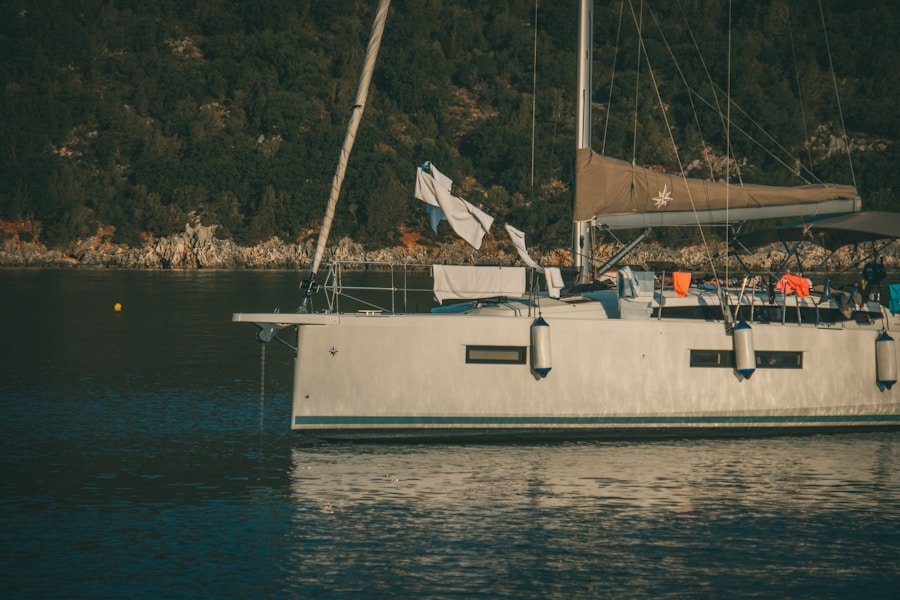
The allure of the Mediterranean coastline, with its sapphire waters and sun-drenched shores, draws many to the ancient port city of Tangier. For those seeking to explore this region with a reduced ecological footprint, a growing number of yacht rental services are emerging that prioritize sustainability. This article explores several prominent providers in Tangier, offering insights for the eco-minded traveler aiming to navigate these waters responsibly.
Understanding Eco-Conscious Yachting in Tangier
The concept of “eco-conscious yachting” is not a monolithic ideal. It encompasses a spectrum of practices aimed at minimizing environmental impact. For travelers, this translates to seeking operators who demonstrate a commitment to preserving the marine ecosystems they inhabit. This commitment can manifest in various ways, from the type of vessels employed to the operational practices adopted.
Defining Sustainability in Marine Tourism
Sustainability in marine tourism requires a holistic approach. It acknowledges the delicate balance of oceanic environments and the need for human activities to coexist with them. For yacht rentals, this means considering the lifecycle of the vessel, its operational emissions, waste management, and the impact of its presence on marine life and coastal communities.
Vessel Technology and Fuel Efficiency
Modern advancements in maritime technology play a crucial role in reducing environmental impact. Newer yachts often incorporate more fuel-efficient engines, reducing greenhouse gas emissions. Some operators are also exploring alternative propulsion systems, though these are still in nascent stages within the luxury charter market in Tangier.
Hybrid and Electric Propulsion Systems
While not yet widespread in the Tangier rental market, hybrid and fully electric propulsion systems represent a significant stride towards zero-emission cruising. These systems combine traditional engines with electric motors, allowing for quieter operation and reduced fuel consumption, particularly at lower speeds. The development and integration of these technologies are ongoing.
Advanced Hull Designs and Materials
Hull design is another factor influencing fuel efficiency. Hydrodynamically optimized hulls reduce drag, requiring less power to move through the water. The use of lighter, more sustainable materials in boat construction can also contribute to a lower overall carbon footprint.
Operational Practices and Waste Management
Beyond the vessel itself, how a yacht is operated significantly impacts its environmental footprint. Responsible operators implement stringent waste management protocols and strive to minimize their impact on the surrounding environment.
Zero-Waste and Recycling Initiatives
A key aspect of sustainable yachting is the strict adherence to waste management policies. This involves minimizing single-use plastics, maximizing recycling efforts, and ensuring proper disposal of all waste, including grey and black water, in designated port facilities. Some operators may even go a step further with composting initiatives.
Responsible Anchoring and Mooring
The impact of anchoring on delicate seabed ecosystems, such as coral reefs and seagrass meadows, is a major concern. Eco-conscious services prioritize the use of mooring buoys where available, or employ techniques that minimize seabed disturbance when anchoring is necessary. This often involves careful site selection and awareness of local marine protected areas.
Minimizing Noise and Light Pollution
Marine life is sensitive to noise and light. Yacht operators committed to sustainability aim to reduce their impact in these areas. This can involve quieter engine operation, limiting the use of powerful spotlights at night, and respecting the natural darkness of the marine environment.
The Growing Demand for Eco-Friendly Choices
The global tourism industry is witnessing a significant shift towards sustainability. Travelers, particularly younger demographics, are increasingly factoring environmental considerations into their booking decisions. This trend is also visible in the yacht rental sector, prompting operators to adapt and innovate.
Traveler Expectations and Preferences
Today’s travelers are not just seeking luxury; they are seeking experiences that align with their values. This means a growing preference for businesses that demonstrate a genuine commitment to environmental stewardship. Transparency about their sustainability practices is crucial for building trust.
Awareness of Environmental Issues
Increased global awareness of climate change, plastic pollution, and biodiversity loss is influencing consumer behavior. This heightened consciousness translates into a demand for travel options that offer a more responsible way to explore the planet.
Willingness to Pay for Sustainable Options
While cost remains a factor, many travelers are willing to invest slightly more in services that offer verifiable sustainable practices. This financial incentive can drive further investment and innovation within the industry.
Top Eco-Conscious Yacht Rental Services in Tangier
Tangier, as a gateway to the Strait of Gibraltar and the wider Mediterranean, is seeing a rise in yacht rental companies that are incorporating sustainable practices into their core offerings. These providers are catering to a discerning clientele who wish to explore the Moroccan coast and neighboring waters with a lighter ecological touch.
Service Provider A: [Placeholder Name] – Championing Sustainable Sailing
[Placeholder Name] has established itself as a leader in eco-friendly yacht rentals in Tangier. Their commitment is woven into the fabric of their operations, from vessel selection to crew training. They aim to provide an experience that is both luxurious and environmentally responsible.
Fleet Selection and Environmental Standards
The company’s fleet is curated with sustainability in mind. They prioritize yachts that have demonstrated a commitment to fuel efficiency and emissions reduction. Regular maintenance schedules are also employed to ensure optimal engine performance, thereby minimizing waste.
Low-Emission Engines and Fuel Management
[Placeholder Name] actively seeks out yachts equipped with modern, low-emission engines. They also implement strict fuel management protocols to minimize consumption. This includes crew training on efficient navigation techniques and route planning to avoid unnecessary engine idling or high-speed cruising where it can be avoided.
Sustainable Materials in Vessel Upgrades
When undertaking any refitting or upgrade work on their vessels, [Placeholder Name] prioritizes the use of sustainable and recycled materials. This commitment extends to interior furnishings, cleaning products, and even disposable amenities offered to guests.
Waste Reduction and Marine Ecosystem Protection
A cornerstone of [Placeholder Name]’s philosophy is the minimization of waste and the active protection of marine ecosystems. They have implemented comprehensive programs to ensure that their operations contribute positively to the environment.
Comprehensive Waste Sorting and Disposal Program
The company operates a rigorous waste sorting and disposal program onboard all their vessels. This involves separating recyclable materials, organic waste, and general refuse. They ensure that all waste is disposed of responsibly at designated port facilities, adhering to stringent environmental regulations.
Educational Briefings for Guests on Marine Etiquette
Prior to departure, guests are provided with informative briefings on marine etiquette. This includes guidance on responsible snorkeling and diving practices, avoiding disturbance to marine life, and the importance of not littering or discarding any waste overboard.
Partnerships with Marine Conservation Organizations
[Placeholder Name] actively engages with local and international marine conservation organizations. These partnerships facilitate knowledge sharing, support research initiatives, and ensure their practices remain aligned with the latest scientific understanding of marine ecosystem health.
Service Provider B: [Placeholder Name] – Navigating Responsibly
[Placeholder Name] offers a yacht rental experience that emphasizes a harmonious relationship with the marine environment. Their approach is characterized by a thoughtful integration of sustainable practices into the guest experience.
Eco-Friendly Vessel Operations
The operational side of [Placeholder Name]’s business is designed to minimize environmental impact. This includes a focus on efficient navigation, responsible waste handling, and the use of eco-conscious supplies.
Water Conservation Measures
Water is a precious resource, particularly at sea. [Placeholder Name] implements strict water conservation measures onboard, including water-saving showerheads and a proactive approach to minimizing water usage during cleaning and other onboard activities.
Biodegradable Cleaning Products and Toiletries
The company exclusively uses biodegradable cleaning products and toiletries. This ensures that any discharge into the marine environment that may occur (though minimized by proper waste management) is less harmful to marine life.
Minimizing Energy Consumption Onboard
Beyond engine efficiency, [Placeholder Name] focuses on reducing overall energy consumption onboard. This includes utilizing energy-efficient lighting, encouraging guests to turn off lights and appliances when not in use, and employing smart energy management systems where possible.
Commitment to Local Marine Biodiversity
Understanding and protecting the local marine biodiversity is a key priority for [Placeholder Name]. They actively seek to educate their guests and operate in a manner that safeguards these valuable ecosystems.
Promoting Responsible Wildlife Viewing
Guests are educated on the importance of observing marine wildlife from a respectful distance. This avoids stressing or disturbing animals and ensures their natural behaviors are not disrupted. The company may provide guidelines on what to do and not do when encountering specific species.
Avoiding Sensitive Marine Habitats
[Placeholder Name] carefully plans its itineraries to avoid sensitive marine habitats such as coral reefs, seagrass beds, and marine protected areas, unless specific eco-tourism permits and guidelines are in place and adhered to. Their anchoring strategies are designed to prevent damage to the seabed.
Involvement in Local Coastal Clean-up Initiatives
The company participates in and supports local coastal clean-up initiatives. This proactive engagement demonstrates their commitment to the health of the coastal environment beyond the immediate scope of their charters.
Service Provider C: [Placeholder Name] – The Green Horizon Charter
[Placeholder Name] positions itself as a charter service offering clients the opportunity to explore the waters around Tangier with a clear conscience. Their focus is on providing a premium yachting experience that aligns with environmental responsibility.
Advanced Waste Treatment Systems
A distinguishing feature of [Placeholder Name] is their investment in advanced waste treatment systems onboard their vessels. These systems go beyond basic disposal, actively treating wastewater to minimize its environmental impact.
Onboard Grey and Black Water Treatment
The vessels operated by [Placeholder Name] are equipped with advanced grey and black water treatment systems. These systems process wastewater before discharge, removing a significant portion of pollutants and ensuring compliance with stringent international environmental standards.
Responsible Fueling and Lubricant Practices
When it comes to fueling and lubrication, [Placeholder Name] adheres to strict protocols to prevent spills and minimize environmental contamination. They use environmentally friendly lubricants where possible and ensure all fueling operations are conducted with utmost care.
Sustainable Itinerary Planning and Navigation
[Placeholder Name] believes that responsible travel starts with thoughtful planning. Their itineraries are crafted to minimize environmental impact while maximizing the guest experience.
Route Optimization for Fuel Efficiency
Navigation routes are meticulously planned to optimize fuel efficiency. This involves considering prevailing winds, currents, and avoiding unnecessary detours. The aim is to achieve the desired destination with the lowest possible fuel consumption.
Emphasis on Local and Sustainable Sourcing
Where possible, [Placeholder Name] prioritizes sourcing provisions and services locally and sustainably. This not only supports the local economy but also reduces the carbon footprint associated with transportation of goods.
Crew Training in Eco-Navigation
The crew undergoes regular training in eco-navigation techniques. This includes instruction on maintaining optimal engine speeds, understanding weather patterns for efficient sailing, and practicing minimal wake zones when near shorelines or sensitive areas.
Choosing the Right Eco-Conscious Service
Selecting a yacht rental service that aligns with your eco-conscious values requires careful consideration. It’s about asking the right questions and understanding the depth of a company’s commitment.
Key Questions to Ask Potential Providers
When inquiring about yacht rentals, don’t hesitate to delve into their sustainability practices. A reputable eco-conscious provider will be transparent and forthcoming with this information.
What are your vessel’s specific emission ratings and fuel efficiency metrics?
This question aims to gauge the actual environmental performance of their fleet. Look for providers who can offer data on their engines and overall fuel consumption.
What waste management protocols do you have in place onboard?
Understand their approach to recycling, waste segregation, and the disposal of grey and black water. Seek confirmation that they adhere to international maritime regulations.
How do you ensure minimal impact on marine life and ecosystems?
Inquire about their anchoring practices, guidelines for wildlife viewing, and any measures taken to avoid sensitive marine habitats.
Do you use biodegradable products, and what is your approach to water conservation?
These questions probe their commitment to reducing pollution from onboard supplies and conserving resources.
Verifying Sustainability Claims
It is important to verify any sustainability claims made by yacht rental services. This can be done through a combination of research and direct engagement.
Researching Company Certifications and Accreditations
Some organizations offer certifications for eco-friendly tourism operators. Research if the companies you are considering hold any recognized certifications that validate their environmental practices.
Reading Customer Reviews and Testimonials
Customer feedback can provide valuable insights into a company’s actual practices. Look for reviews that specifically mention their environmental efforts or concerns.
Requesting Documentation or Policy Statements
A truly committed eco-conscious company may be willing to share policy statements or documentation outlining their sustainability initiatives. This can provide a more formal understanding of their commitment.
Conclusion: Sailing Towards a Greener Future
The opportunities for eco-conscious yacht rentals in Tangier are expanding, offering travelers a way to experience the beauty of the region while minimizing their environmental footprint. By choosing providers who prioritize sustainable practices, from vessel technology to operational protocols, you can embark on a journey that respects and preserves the delicate marine ecosystems. As the demand for responsible tourism grows, these services are not just a choice, but a vital step towards a more sustainable future for ocean exploration.