
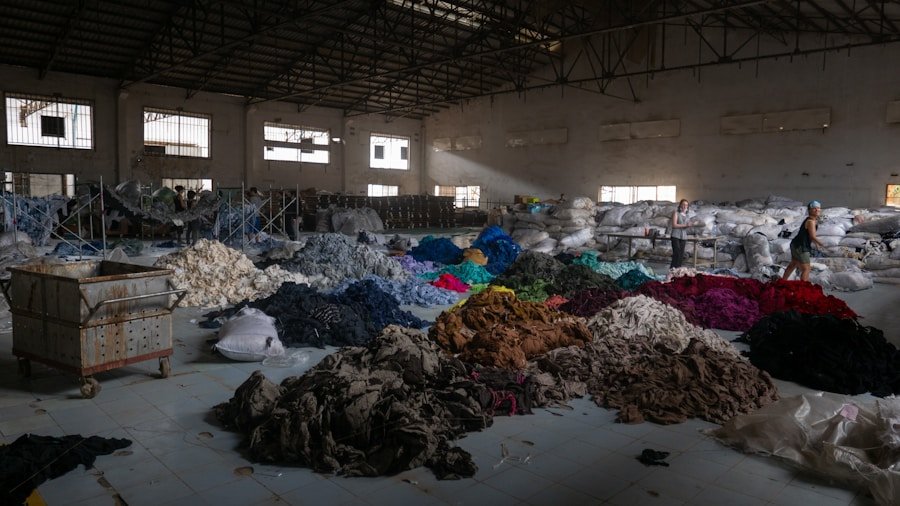
Dubai, a global hub for luxury consumption, is increasingly integrating circular economy principles into its high-end sectors. This shift is driven by a combination of environmental concerns, evolving consumer preferences, and the city’s strategic vision for sustainable development. The traditional “take-make-dispose” linear model, where resources are extracted, products manufactured, used, and then discarded, is being challenged by approaches that prioritize resource efficiency, waste reduction, and the longevity of materials. This article explores how circular economy initiatives are being implemented across various luxury segments in Dubai, from fashion and hospitality to real estate and automotive, and the implications of these changes for both businesses and consumers.
The Paradigm Shift: From Linear to Circular in Luxury
The linear economy has long been the dominant model, characterized by a single-use approach to resources. In the luxury market, this often meant exclusive, bespoke items designed for limited lifespans before being replaced. However, this model is unsustainable in the long term. The circular economy offers an alternative, aiming to keep resources in use for as long as possible, extract the maximum value from them whilst in use, then recover and regenerate products and materials at the end of each service life. For the luxury sector, this translates into innovative business models and product designs that emphasize durability, reparability, and recyclability, rather than planned obsolescence.
Drivers of Change in Dubai
Several factors are propelling Dubai’s luxury market towards circularity:
- Government Vision: The UAE’s Vision 2021 and broader sustainability agenda include ambitious targets for waste reduction and resource efficiency. The Dubai Future Agenda specifically outlines strategies for promoting a circular economy.
- Consumer Awareness: A growing segment of luxury consumers, particularly younger demographics, prioritize ethical sourcing, environmental impact, and social responsibility. Brands that integrate these values are gaining a competitive edge.
- Resource Constraints: While seemingly abundant in certain areas, the long-term dependency on extracted resources presents economic and environmental risks. Circularity mitigates these risks by promoting resource independence.
- Brand Reputation: In an era of heightened transparency, luxury brands are recognizing that their environmental footprint directly impacts their brand image and long-term viability. Adopting circular practices can enhance brand prestige.
Luxury Fashion: Embracing Longevity and Responsible Consumption
The fashion industry, known for its rapid cycles and significant environmental impact, is undergoing a transformation in Dubai’s luxury segment. Brands are moving beyond mere sustainable collections to integrate circular principles throughout their value chains.
Designing for Durability and Timelessness
Luxury fashion has always been characterized by quality and craftsmanship. However, the emphasis is now shifting towards designing garments and accessories that are not only aesthetically enduring but also physically durable.
- Material Selection: Brands are increasingly sourcing ethically produced, certified organic, recycled, or innovative bio-based materials. This includes traceable supply chains for cashmere, silk, and leather, ensuring animal welfare and reduced environmental impact.
- Craftsmanship and Repair: The tradition of haute couture emphasizes meticulous construction. Now, brands are promoting services for repair, restoration, and alteration, extending the life of garments and fostering a deeper connection between the consumer and their purchase. This moves away from the “disposable” mentality, positioning luxury items as investments rather than transient trends.
Second-Hand and Rental Markets
Dubai’s luxury landscape is seeing a proliferation of platforms facilitating the resale and rental of high-end fashion items. This allows consumers to access luxury without ownership, reducing the overall demand for new production.
- Consignment Boutiques and Online Platforms: High-end consignment stores and online marketplaces specializing in pre-owned luxury goods are gaining traction. These platforms often authenticate items, providing assurance to buyers and ensuring the continued value of the product.
- Luxury Rental Services: Companies offering short-term rentals of designer dresses, bags, and accessories cater to an event-driven culture, providing access to exclusive items without the full purchase commitment. This aligns with the “access over ownership” trend, democratizing luxury while minimizing its environmental footprint.
Hospitality Sector: Redefining Sustainable Luxury Stays
Dubai’s opulent hotels are integrating circular economy principles into their operations, moving beyond superficial “green” initiatives to embed sustainability at the core of their service offerings. This involves a holistic approach, from construction materials to guest experience.
Waste Management and Resource Optimization
Hotels, with their high operational intensity, are significant producers of waste. Circular initiatives focus on minimizing this output and optimizing resource use.
- Food Waste Reduction: Advanced composting systems, food donation programs, and AI-driven inventory management are being employed to minimize food waste from kitchens and buffets. Some hotels are collaborating with local farms to convert food waste into animal feed or compost for landscaping.
- Water and Energy Efficiency: Water recycling systems for laundry and irrigation, smart energy management systems, and the adoption of renewable energy sources (solar panels) are becoming standard. Guests are encouraged to participate through subtle nudges and informative signage.
- Responsible Sourcing: Hotels are increasingly sourcing local produce, sustainable seafood, and ethically manufactured amenities (e.g., biodegradable toiletries in reusable dispensers), reducing their supply chain’s environmental impact and supporting local economies.
Circular Design in Hotel Interiors
The design and furnishing of luxury hotel spaces are also reflecting circular economy principles.
- Durable and Recyclable Materials: Specifications for furniture, fixtures, and fittings prioritize materials with high durability, recycled content, or ease of recycling at the end of their useful life. This includes reclaimed wood, recycled plastics, and textiles made from sustainable fibers.
- Modular Design: Some hotels are exploring modular design elements that allow for easy refurbishment and reconfiguration of spaces, extending the lifespan of interior components and reducing the need for complete overhauls.
Luxury Real Estate and Construction: Building for the Future
Dubai’s skyline is synonymous with architectural ambition. The luxury real estate sector is now incorporating circular economy principles, shifting from purely aesthetic marvels to structures that embody sustainability from inception to deconstruction.
Sustainable Building Materials and Practices
The construction industry is a major consumer of resources and producer of waste. Circular approaches aim to mitigate this impact.
- Low-Impact Materials: Developers are prioritizing materials with lower embodied energy, such as recycled steel, sustainably sourced timber, and innovative low-carbon concrete. The use of traditional, locally sourced materials is also being re-evaluated for its sustainability benefits.
- Waste Minimization on-Site: Construction and demolition waste is being sorted, recycled, and reused as much as possible. This includes practices like crushing concrete for aggregate or repurposing steel.
Adaptive Reuse and Urban Regeneration
Instead of constant new construction, there’s a growing appreciation for the adaptive reuse of existing structures.
- Repurposing Properties: Older buildings, if structurally sound, are being renovated and reimagined for new purposes, preserving their embodied carbon and historical value. This stands as a counterpoint to the continuous cycle of demolition and rebuilding that often characterizes rapid urban development.
- Infrastructure for Longevity: Urban planning increasingly integrates circular principles, designing infrastructure with adaptability in mind. This includes systems for rainwater harvesting, decentralized energy generation, and green spaces that enhance biodiversity.
Automotive Sector: Driven by Durability and Resource Efficiency
| Initiative | Impact |
|---|---|
| Recycling programs | Reduction in waste and resource consumption |
| Sustainable materials sourcing | Decrease in environmental impact |
| Product life extension | Reduction in product disposal |
| Circular design principles | Enhanced product durability and reusability |
Even in the high-performance and luxury automotive segment, circular economy principles are gaining traction, moving beyond fuel efficiency to encompass the entire lifecycle of a vehicle.
Extended Lifespan and Modular Design
Luxury cars are built to high standards, but the circular economy pushes this further, envisioning vehicles as long-term assets rather than disposable commodities.
- High-Quality Components and Reparability: Manufacturers are designing vehicles with components that are more durable and easily repairable or replaceable. This extends the serviceable life of the vehicle and reduces the need for premature replacements.
- Modular Architecture: The use of modular platforms allows for easier upgrades, customization, and the eventual refurbishment or recycling of specific components, rather than discarding the entire vehicle.
Recycling and Remanufacturing
The end-of-life stage for vehicles is being reimagined to recover valuable materials and components.
- Closed-Loop Recycling: Initiatives are focusing on creating closed-loop systems for materials like aluminum, steel, and rare-earth elements used in batteries. This involves dismantling vehicles and processing components for reuse in new automotive production or other industries.
- Remanufactured Parts: The market for remanufactured spare parts (e.g., engines, transmissions, alternators) is growing. These parts meet original equipment manufacturer (OEM) standards but come with a significantly lower environmental footprint and often a reduced cost, presenting a compelling circular proposition.
The Path Forward: Challenges and Opportunities
While Dubai’s luxury market is making strides in circularity, the journey is not without its complexities.
Overcoming Perceptions of “Newness”
A significant challenge lies in ingrained consumer perceptions. For many luxury consumers, “newness” is intrinsically linked to value and exclusivity. Shifting this mindset towards appreciating longevity, repair, and even pre-owned luxury requires consistent communication and a change in cultural narratives. Brands must articulate the unique value proposition of circular luxury, emphasizing craftsmanship, responsible sourcing, and the intrinsic quality that endures beyond a product’s initial purchase.
Infrastructure and Policy Development
Effective implementation of a circular economy requires robust infrastructure for recycling, repair, and remanufacturing. Dubai is investing in such infrastructure, but ongoing development and clear policy frameworks are essential to support widespread adoption across all luxury sectors. This includes incentives for circular businesses, standardization of sustainable practices, and regulations that promote waste reduction and resource recovery. Collaboration between government, industry, and academia is crucial to foster innovation and overcome technical hurdles.
Collaborative Ecosystems
No single entity can achieve circularity in isolation. The success of these initiatives hinges on the creation of collaborative ecosystems. This involves partnerships between luxury brands, material suppliers, technology providers, repair specialists, and logistics companies. By working together, stakeholders can create transparent supply chains, optimize resource flows, and develop innovative solutions that drive the luxury market towards a more sustainable future. The reader should understand that this is not a solitary effort but a concerted movement, much like how a vast, intricate ecosystem works—each component playing a vital role in the health of the whole.
In conclusion, Dubai’s luxury sector is undergoing a profound transformation. The integration of circular economy principles is not merely a trend but a strategic imperative. By embracing design for durability, extended product lifespans, and innovative reuse models, the city is redefining what luxury means in the 21st century—a definition that values not just exclusivity and opulence, but also responsibility, sustainability, and foresight. This evolution positions Dubai not only as a global center for luxury but also as a burgeoning leader in sustainable economic development.