
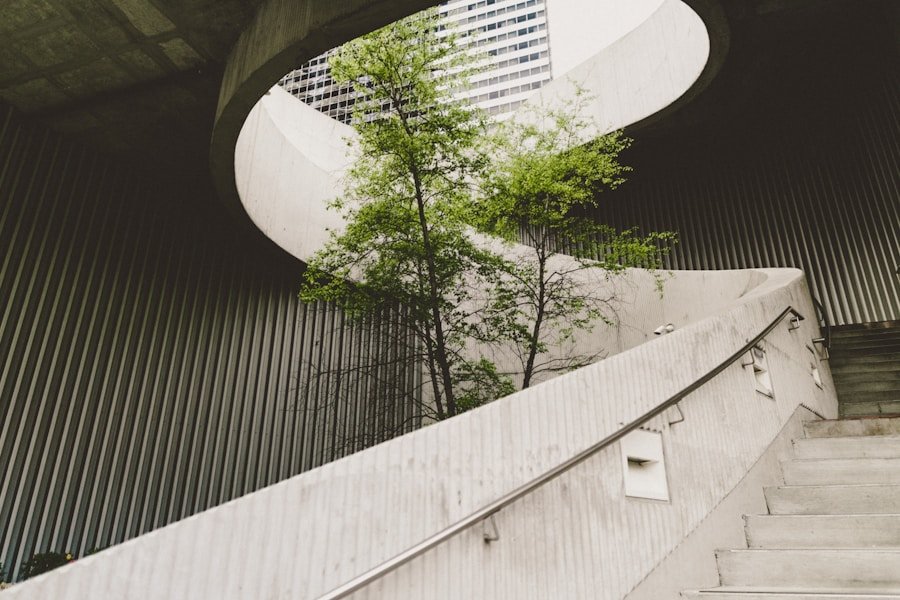
Dubai, a city often associated with opulence and futuristic architecture, is also witnessing a growing trend in sustainable tourism. As environmental awareness increases globally, the demand for eco-conscious luxury experiences has expanded. This article explores a selection of Dubai’s most exclusive eco-luxury hotels for 2025, offering a blend of environmental stewardship and high-end hospitality. These establishments are more than just places to stay; they are exemplars of a shift in the travel industry, demonstrating that luxury need not come at the expense of ecological integrity.
The Paradigm Shift in Dubai’s Hospitality
Dubai’s tourism sector has historically focused on grandiosity and innovative architectural marvels. However, a noticeable evolution is underway. The government’s strategic initiatives, such as the Dubai Clean Energy Strategy 2050, are encouraging businesses, including hotels, to integrate sustainable practices. This translates into hotels adopting renewable energy sources, implementing advanced waste management systems, and advocating for local conservation efforts. The shift is not merely cosmetic; it represents a fundamental re-evaluation of hospitality’s footprint.
Government Initiatives and Green Building Standards
The Dubai Green Building Regulations and Specifications, first introduced in 2011, provide a framework for sustainable construction. These regulations mandate specific requirements for energy efficiency, water conservation, and indoor environmental quality. Hotels aiming for eco-luxury status often exceed these baseline requirements, investing in cutting-edge technologies and innovative design principles. This regulatory landscape acts as a catalyst, pushing developers and operators to consider sustainability from the inception of a project.
Consumer Demand and Market Response
Modern travelers, particularly those seeking luxury experiences, are increasingly discerning about the environmental and social impact of their choices. This demographic is willing to pay a premium for hotels that demonstrate genuine commitment to sustainability. Dubai’s hotels are responding to this market signal by integrating eco-friendly initiatives not as an afterthought, but as a core component of their brand identity. The competition among these hotels to showcase their green credentials is a positive force, driving continuous innovation in sustainable practices.
Showcase of Eco-Luxury Hotels in Dubai for 2025
The following hotels represent a cross-section of Dubai’s commitment to eco-luxury, each offering a distinct approach to integrating sustainability with high-end guest experiences. These establishments are not merely decorated with green elements; their operational ethos is rooted in environmental responsibility.
The Oasis Retreat at Al Marmoum Desert Conservation Reserve
Located within the sprawling Al Marmoum Desert Conservation Reserve, The Oasis Retreat offers an immersive experience in a protected natural environment. Its design principles are predicated on minimal impact, aiming to be almost imperceptible against the desert landscape. The architecture utilizes natural and locally sourced materials, blending seamlessly with the surroundings.
Sustainable Architecture and Design
The retreat’s structures are predominantly low-rise, minimizing visual intrusion. Construction materials include sustainably harvested timber and traditional mud-brick construction methods, which offer natural insulation. Orientation of the buildings is optimized for passive cooling, reducing the need for extensive air conditioning. Native desert plants are integrated into the landscaping, requiring minimal irrigation and supporting local biodiversity.
Renewable Energy and Water Management
The Oasis Retreat operates primarily on solar power, with extensive solar panel arrays discreetly integrated into the property. Water conservation is a critical focus, given the desert environment. Advanced wastewater treatment systems recycle greywater for irrigation, reducing reliance on external water sources. Guest education on water consumption is also subtly integrated into the experience.
Wildlife Conservation and Community Engagement
A significant portion of the retreat’s operational philosophy revolves around supporting the Al Marmoum Desert Conservation Reserve. Guests are offered guided experiences focused on understanding and appreciating the desert ecosystem and its wildlife, including the Arabian Oryx. A portion of the hotel’s revenue is directed towards local conservation initiatives and community development programs, fostering a symbiotic relationship between tourism and ecological preservation.
The Mangrove Sanctuary at Jubail Island
Positioned amidst the pristine mangrove forests of Jubail Island, The Mangrove Sanctuary offers a different ecological perspective. This hotel emphasizes the preservation of its unique coastal ecosystem, providing guests with an intimate connection to the thriving biodiversity of the mangroves.
Eco-Conscious Construction and Material Sourcing
The hotel’s design is inspired by traditional Arabian architecture but executed with modern sustainable practices. Raised walkways and stilted villas minimize disturbance to the sensitive mangrove root systems. Materials are carefully selected for their low environmental impact, including recycled content and certified sustainable timber. The construction process itself was meticulously planned to prevent pollution and habitat disruption.
Biodiversity Protection and Educational Programs
The Mangrove Sanctuary actively participates in mangrove reforestation programs. Guests can engage in guided kayak tours through the mangroves, learning about their ecological significance as carbon sinks and habitats for various species. The hotel partners with local marine biologists to monitor and protect the surrounding ecosystem, offering an educational dimension to the luxury experience.
Sustainable Dining and Local Sourcing
The culinary program at The Mangrove Sanctuary focuses on sustainably sourced seafood and locally grown produce. The hotel maintains its own organic garden, reducing food miles and supporting local agriculture. Waste reduction through composting and careful menu planning is a key operational directive, ensuring a closed-loop system where possible.
The Skylight Oasis at Downtown Dubai
Representing a vertical integration of eco-luxury, The Skylight Oasis stands as a beacon of sustainable urban hospitality in the heart of Downtown Dubai. This hotel demonstrates that high-density urban environments can also embrace significant green credentials through innovative engineering and design.
Vertical Gardens and Urban Farming
A defining feature of The Skylight Oasis is its extensive network of vertical gardens, which adorn the exterior and interior spaces. These gardens not only enhance aesthetic appeal but also contribute to urban cooling, air purification, and biodiversity support. The hotel incorporates urban farming initiatives on its rooftops, supplying its restaurants with fresh, organic produce.
Advanced Energy Management Systems
The hotel utilizes a sophisticated building management system that optimizes energy consumption across all operations. This includes smart lighting systems, high-efficiency HVAC units, and state-of-the-art building envelope insulation. A significant portion of its electricity is sourced from certified renewable energy providers, and provisions are in place for on-site solar generation on available surfaces.
Water Efficiency and Waste Minimization
Water conservation is addressed through low-flow fixtures, rainwater harvesting, and advanced greywater recycling systems. The Skylight Oasis maintains a comprehensive waste management program, prioritizing reduction, reuse, and recycling. Food waste is composted, and collaborations with local charities ensure edible surplus food is redistributed, minimizing landfill contributions.
Operating Principles and Certifications
The hotels featured in this article adhere to a set of stringent operating principles and often pursue international certifications to validate their sustainability claims. These certifications offer a level of assurance to guests that the hotels’ environmental commitments are legitimate and independently verified.
International Green Building and Hotel Certifications
Many eco-luxury hotels in Dubai pursue certifications such as LEED (Leadership in Energy and Environmental Design), Green Key, and EarthCheck. These certifications provide a robust framework for assessing environmental performance across various criteria, including energy, water, waste, and supply chain management. Achieving and maintaining these certifications requires continuous monitoring and improvement.
Responsible Sourcing and Supply Chain Management
A critical aspect of eco-luxury is responsible sourcing. This extends beyond food items to all aspects of hotel operations, from linens and toiletries to construction materials and cleaning supplies. Hotels prioritize suppliers who demonstrate ethical labor practices, minimal environmental impact, and transparent supply chains. This commitment aims to extend the hotels’ sustainable footprint beyond their immediate operations.
Staff Training and Guest Engagement
Employee education is fundamental to a hotel’s sustainability efforts. Staff members are trained on eco-friendly practices, waste segregation, and energy conservation. Moreover, guests are actively, but subtly, encouraged to participate in the hotel’s sustainability initiatives, whether through towel reuse programs, engaging in nature walks, or choosing sustainable dining options. This cultivates a collective sense of responsibility.
The Future of Eco-Luxury in Dubai
Dubai’s trajectory towards sustainable luxury is not merely a passing trend but a strategic repositioning within the global tourism landscape. As global awareness of climate change and environmental impact intensifies, the demand for authentic, eco-conscious experiences will continue to grow. Dubai’s exclusive eco-luxury hotels are at the forefront of this evolution, demonstrating that luxury and sustainability can be synergistic partners rather than conflicting ideals.
Innovation and Technological Advancements
The hotels of 2025 and beyond will continue to integrate cutting-edge technologies to enhance their sustainability performance. This includes advancements in smart building systems, artificial intelligence for predictive maintenance and energy optimization, and innovative materials science for construction and interior design. The city itself acts as a living laboratory for sustainable urban development, and its hotels are integral to this experimentation.
Expanding Conservation Efforts
Future eco-luxury developments are likely to prioritize even larger-scale conservation efforts, potentially involving rewilding projects within reserves, expanded marine protection initiatives, and community-based eco-tourism. The focus will extend beyond minimizing harm to actively contributing to ecological restoration and enhancement, positioning these hotels as stewards of nature.
A New Standard for Global Hospitality
Dubai’s ambition to be a global leader extends to sustainable tourism. The city’s eco-luxury hotels are not only setting a new standard for hospitality within the region but are also contributing to a global conversation about responsible travel. They serve as models, demonstrating that economic prosperity and environmental responsibility can coexist and thrive, offering a vision for a more sustainable future in luxury tourism.