
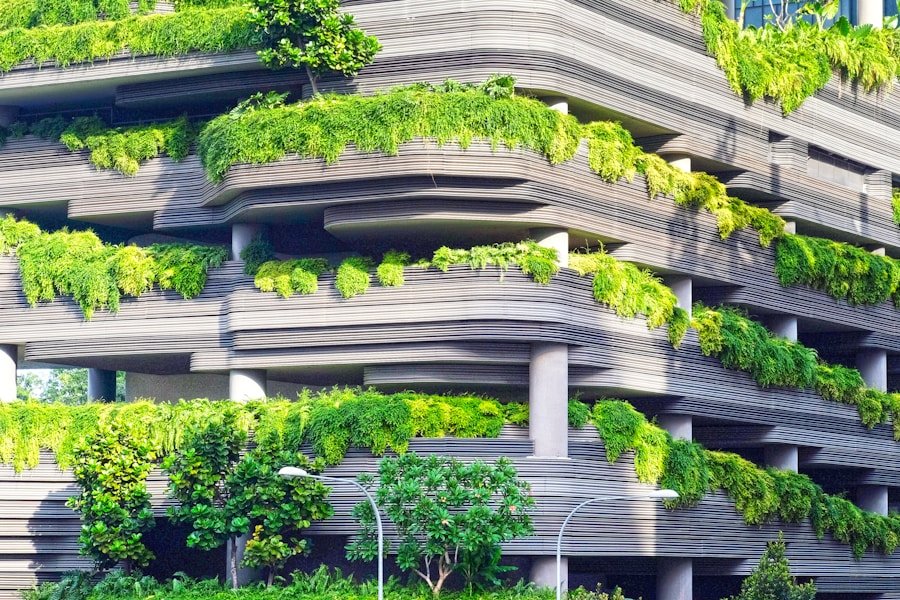
This article examines the increasing importance and specific contributions of eco-friendly construction companies in shaping Dubai’s future development. As the city continues its ambitious growth trajectory, the integration of sustainable practices in the built environment has become a critical imperative, moving beyond a niche concern to a foundational element of responsible urban planning. This shift is driven by a confluence of global environmental awareness, local government mandates, and a growing recognition of the long-term economic and social benefits of green building.
The Shifting Landscape of Dubai’s Construction Sector
Dubai’s rapid evolution has been a defining characteristic of its modern history, marked by an unparalleled pace of construction and urban expansion. Historically, this growth has often been fueled by a focus on speed and scale, with environmental considerations sometimes taking a secondary role. However, a discernible shift is underway. The city, once a symbol of rapid, resource-intensive development, is now increasingly aligning itself with global sustainability goals. This transition is not merely a superficial change in aesthetic but a fundamental recalibrating of how buildings are conceived, designed, and constructed.
From Fossil Fuels to Sustainable Foundations
The economic engine of Dubai has traditionally been powered by its oil and gas reserves. However, as the world grapples with climate change and the finite nature of these resources, a proactive diversification of its economic base has become essential. The construction sector plays a pivotal role in this diversification, transitioning from practices that historically consumed significant energy and generated substantial waste to adopting methods that minimize environmental impact. This evolution is akin to a seasoned athlete transitioning from explosive sprints to a more sustained, energy-efficient marathon.
Government Initiatives as Catalysts for Change
The Dubai government has been a proactive force in driving the adoption of green building principles. Initiatives such as the Dubai Green Building Regulations and Specifications (Estidama) and the Dubai Municipality’s Green Building Code provide a regulatory framework that encourages and, in some cases, mandates sustainable construction practices. These policies act as a fertile ground, nurturing the growth of eco-friendly construction companies by creating a clear demand for their expertise and services. Without these guiding directives, the seeds of sustainable development might struggle to take root in such a dynamic market.
The Economic Imperative of Green Building
Beyond regulatory pressure, there is a growing economic rationale for engaging in eco-friendly construction. While initial investments in sustainable materials and technologies might appear higher, the long-term savings in energy consumption, water usage, and waste management can significantly offset these upfront costs. Furthermore, buildings that achieve green certifications often command higher rental yields and resale values, making them more attractive to both developers and occupants. This economic argument is becoming increasingly persuasive, transforming green building from an altruistic choice to a sound financial strategy.
Defining Eco-Friendly Construction in the Dubai Context
Eco-friendly construction, in the context of Dubai, encompasses a multifaceted approach to building that prioritizes environmental responsibility throughout the entire lifecycle of a project. This involves more than just installing solar panels; it’s a holistic philosophy that permeates design, material selection, construction processes, and operational efficiency. The aim is to create structures that not only function effectively but also contribute positively to the surrounding environment and the well-being of their occupants, diminishing the footprint of human endeavor.
Sustainable Material Selection and Sourcing
A cornerstone of eco-friendly construction is the careful selection of materials. This involves prioritizing those with a low embodied energy, meaning less energy was consumed during their extraction, processing, and transportation. Companies in Dubai are increasingly looking for materials that are recycled, recyclable, or sourced from renewable resources. This could include reclaimed timber, recycled steel, and innovative composite materials. The journey of a building’s materials, from quarry or forest to the finished structure, is being scrutinized for its environmental toll.
Energy Efficiency and Renewable Energy Integration
Minimizing energy consumption is a primary objective of green building. This is achieved through a range of strategies, including high-performance insulation, energy-efficient windows and doors, and intelligent building management systems that optimize lighting, heating, and cooling. Furthermore, the integration of renewable energy sources, such as solar photovoltaic systems, is becoming more prevalent. These technologies are not just about reducing reliance on the grid but about harnessing the abundant solar potential of Dubai.
Water Conservation Strategies
Water scarcity is a significant concern in arid regions like Dubai. Eco-friendly construction companies are implementing sophisticated water conservation measures. This includes the use of low-flow fixtures, rainwater harvesting systems to supply irrigation and non-potable water needs, and greywater recycling systems that treat wastewater from sinks and showers for reuse. These strategies are vital in ensuring that the city’s development does not place an unsustainable burden on its water resources.
Waste Reduction and Management During Construction
The construction process itself can generate substantial amounts of waste. Eco-friendly companies are implementing robust waste management plans, focusing on reducing, reusing, and recycling construction debris. This can involve meticulous site planning to minimize material offcuts, the segregation of waste for recycling, and the use of prefabrication techniques that generate less on-site waste. This proactive approach to waste diversion is essential in mitigating the environmental impact of construction activities.
Key Contributions of Eco-Friendly Construction Companies
Eco-friendly construction companies in Dubai are not merely passive participants in a trend; they are active agents of change, bringing specialized knowledge, innovative solutions, and a commitment to sustainable practices. Their contributions extend beyond individual projects to influencing broader industry standards and contributing to Dubai’s reputation as a forward-thinking city. They are the skilled gardeners tending to the nascent ecosystem of green development.
Expertise in Green Building Certifications
A significant contribution of these companies is their in-depth knowledge of various green building certification systems, such as LEED (Leadership in Energy and Environmental Design) and Estidama. They possess the technical expertise to guide projects through the rigorous certification process, ensuring that buildings meet the required sustainability benchmarks. This specialized knowledge is invaluable for developers seeking to achieve these credentials and gain the associated benefits.
Pioneering Sustainable Technologies and Methodologies
Many eco-friendly construction companies are at the forefront of adopting and adapting new sustainable technologies and construction methodologies. This can include the use of Building Information Modeling (BIM) for optimizing design and minimizing waste, the implementation of modular construction for faster, more efficient builds, and the integration of smart building technologies that enhance operational efficiency and occupant comfort. They act as conduits, bringing global innovations to the local market.
Educating Stakeholders and Raising Awareness
Beyond their project-specific work, these companies play a crucial role in educating developers, architects, engineers, and even the end-users about the benefits and practicalities of green building. Through workshops, seminars, and case studies, they help to demystify sustainable construction and foster a wider understanding of its importance. This educational outreach is vital for creating a culture of sustainability within the industry.
Developing Local Supply Chains for Sustainable Materials
As the demand for eco-friendly materials grows, these companies are instrumental in fostering the development of local supply chains. They actively seek out and work with manufacturers and suppliers who can provide sustainable building products, thereby reducing reliance on imports and supporting local economies. This effort helps to fortify the foundation of Dubai’s green building ecosystem.
Challenges and Opportunities in the Dubai Market
Operating in a dynamic and rapidly developing market like Dubai presents both unique challenges and significant opportunities for eco-friendly construction companies. Navigating these factors effectively is key to their sustained growth and impact. They must be agile, like a ship a navigating changing currents, to seize the favorable winds and steer clear of potential shoals.
Navigating Regulatory Landscapes and Market Perception
While government initiatives provide a strong framework, keeping abreast of evolving regulations and understanding market perceptions can be a challenge. The initial perception that green building is significantly more expensive or complex can be a hurdle to overcome. Eco-friendly companies must effectively communicate the long-term value proposition and the cost-effectiveness of their approaches.
Sourcing and Logistics of Sustainable Materials
Despite growing local supply chains, sourcing specific sustainable materials can still present logistical challenges in a globalized market. Ensuring consistent availability, managing transportation costs, and verifying the environmental credentials of materials from various suppliers require careful planning and robust procurement strategies.
The Evolving Talent Pool and Skill Development
The demand for professionals with expertise in green building technologies and sustainable practices is growing. Eco-friendly construction companies often face the challenge of finding and retaining skilled talent. Investing in training and development programs, and collaborating with educational institutions, are crucial for building a capable workforce.
The Opportunity for Innovation and Differentiation
However, these challenges also present significant opportunities. Dubai’s ambitious vision for the future provides fertile ground for innovation in sustainable construction. Companies that can offer novel solutions, demonstrate a strong commitment to sustainability, and effectively articulate their value proposition are well-positioned to differentiate themselves in the market and secure a competitive advantage.
Public-Private Partnerships for Sustainable Infrastructure
There is a significant opportunity for increased collaboration between public entities and private eco-friendly construction companies. Joint ventures and public-private partnerships can accelerate the development of sustainable infrastructure, such as green public spaces, energy-efficient public buildings, and sustainable transportation networks. This synergy can amplify the impact of individual efforts.
The Future Trajectory of Sustainable Construction in Dubai
| Metrics | Data |
|---|---|
| Number of Eco-Friendly Construction Companies in Dubai | 25 |
| Percentage of Green Building Projects in Dubai | 30% |
| Amount of CO2 Emissions Reduced by Eco-Friendly Construction Companies | 5000 tons/year |
| Investment in Sustainable Construction Technologies | 100 million |
The trajectory of sustainable construction in Dubai is clearly pointing towards an ever-increasing integration and importance. The momentum generated by government policy, market demand, and the tangible benefits of green building suggests a future where sustainability is not an add-on but an intrinsic component of all development. This future is not a distant dream but a blueprint being actively constructed.
Mainstreaming Green Building Practices
The ultimate goal is the mainstreaming of green building practices, where they become the default rather than the exception. As more successful green projects are delivered, the economic and environmental advantages will become increasingly evident, leading to wider adoption across all scales of development, from residential towers to commercial complexes and public amenities.
The Role of Technology and Smart Cities
The continued advancement of technology, particularly in areas like artificial intelligence, the Internet of Things (IoT), and advanced materials science, will further enhance the capabilities of eco-friendly construction. Dubai’s ambition to be a leading smart city provides a natural synergy for integrating these technological advancements into sustainable building design and operation. Buildings of the future will be not only environmentally conscious but also intelligent and responsive.
Creating Healthier and More Livable Urban Environments
Beyond environmental benefits, green buildings contribute to healthier and more livable urban environments. Improved indoor air quality, access to natural light, and the integration of green spaces within developments enhance the well-being of occupants. This focus on human health is a critical aspect of sustainable urbanism.
Dubai as a Global Benchmark for Sustainable Development
Through the sustained efforts of government, developers, and eco-friendly construction companies, Dubai has the potential to become a global benchmark for sustainable urban development. By showcasing innovative solutions and demonstrating the successful integration of environmental, economic, and social considerations, the city can inspire other urban centers to embrace a greener future. The lessons learned and best practices developed in Dubai can serve as a vital roadmap for cities worldwide.