
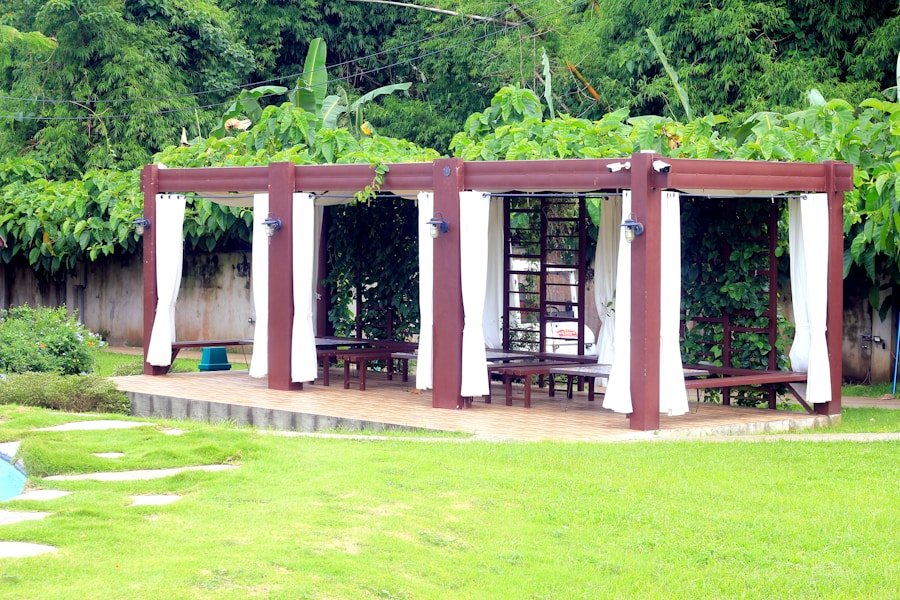
The hospitality sector in Dubai, known for its rapid development and opulent offerings, is increasingly incorporating sustainable practices. This shift, driven by evolving consumer expectations and environmental concerns, integrates eco-friendly principles into luxury hotel experiences.
The Evolving Landscape of Luxury Hospitality
Luxury hospitality in Dubai has historically prioritized extravagance. However, a re-evaluation of this paradigm is underway. Guests now seek not only comfort and service but also alignment with ethical and environmental values. This demand has spurred hotels to adopt practices that minimize their ecological footprint while maintaining high standards of quality.
From Opulence to Responsibility
The concept of luxury is broadening beyond material possessions to encompass experiences that are both indulgent and mindful. This means hotels are exploring ways to reduce waste, conserve resources, and support local communities. The goal is to create a symbiotic relationship between lavishness and ecological responsibility.
Demand for Conscientious Travel
Travelers, particularly those in the high-net-worth segment, are demonstrating a growing preference for sustainable options. Research indicates that a significant percentage of luxury consumers are willing to pay more for products and services from brands that demonstrate a commitment to sustainability. This economic incentive further encourages hotels to adopt greener practices.
Pillars of Eco-Friendly Hotel Operations
Sustainable luxury hotels in Dubai are implementing a range of initiatives across various operational aspects. These initiatives are not isolated efforts but rather integrated components of a comprehensive sustainability strategy.
Energy Efficiency and Renewable Sources
Reducing energy consumption is a fundamental aspect of sustainable hotel operations. This involves leveraging architectural design, advanced technology, and renewable energy to power facilities.
Smart Building Management Systems
Hotels are deploying sophisticated building management systems that optimize heating, ventilation, and air conditioning (HVAC) systems. These systems utilize sensors and algorithms to adjust energy usage based on occupancy, time of day, and external weather conditions. This precise control minimizes energy waste.
Solar Power Integration
The abundant sunlight in Dubai makes solar power a viable alternative to conventional electricity sources. Several hotels are installing photovoltaic panels on rooftops and other available spaces to generate their own electricity, thereby reducing reliance on the grid and lowering carbon emissions.
Efficient Lighting and Appliances
The transition to LED lighting throughout hotel properties significantly reduces energy consumption. Similarly, energy-star rated appliances and equipment are being selected for kitchens, laundry facilities, and guest rooms, contributing to overall energy savings.
Water Conservation Strategies
Water scarcity is a significant environmental concern in the UAE. Sustainable luxury hotels are implementing robust water management systems to minimize consumption and maximize reuse.
Greywater Recycling Systems
Advanced greywater recycling systems are being installed to treat wastewater from sinks and showers. This treated water is then repurposed for non-potable uses such as irrigation of landscaping, flushing toilets, and cooling towers, significantly reducing the demand for fresh water.
Low-Flow Fixtures
Installation of low-flow showerheads, faucets, and toilets in guest rooms and public areas is a straightforward yet effective measure for reducing water consumption without compromising guest experience. These fixtures deliver an adequate water pressure with a reduced volume of water.
Sustainable Landscaping
Hotels are adopting drought-resistant landscaping, utilizing native plant species that require less water. Additionally, efficient irrigation systems, such as drip irrigation, deliver water directly to plant roots, minimizing evaporation and waste.
Waste Management and Circular Economy Initiatives
The concept of a circular economy, where resources are kept in use for as long as possible, is gaining traction in the hospitality sector. Hotels are reimagining their waste management strategies to reduce landfill contributions and promote resource recovery.
Recycling and Composting Programs
Comprehensive recycling programs are being implemented for a wide range of materials, including plastics, glass, paper, and metal. Furthermore, food waste composting initiatives are transforming organic waste into nutrient-rich soil amendments for on-site gardens or local agricultural projects.
Reduced Single-Use Plastics
Efforts to eliminate single-use plastics are widespread. This includes replacing plastic water bottles with refillable alternatives, using bulk amenities in bathrooms, and opting for reusable containers for food and beverage services.
Upcycling and Repurposing
Some hotels are exploring creative ways to upcycle and repurpose materials. This could involve transforming discarded furniture into new design elements or collaborating with local artisans to convert waste into decorative items.
Sustainable Sourcing and Local Engagement
Beyond operational efficiency, sustainable hotels are meticulously examining their supply chains and actively engaging with local communities. This approach supports a broader understanding of sustainability that extends beyond the hotel’s boundaries.
Farm-to-Table Initiatives
Hotels are increasingly prioritizing locally sourced produce, meat, and seafood. This “farm-to-table” approach not only reduces the carbon footprint associated with transportation but also supports local farmers and economies. Guests benefit from fresh, seasonal ingredients.
Supporting Local Artisans
Collaboration with local artisans and businesses contributes to the economic well-being of the community. This can involve sourcing locally crafted decor, textiles, or amenities, providing guests with an authentic sense of place while supporting traditional crafts.
Ethical Supply Chains
Hotels are conducting due diligence to ensure their suppliers adhere to ethical labor practices and environmental standards. This includes scrutinizing the origins of materials and products, from linens to construction materials, to guarantee responsible sourcing.
Enhancing the Guest Experience Through Sustainability
Far from being a compromise, sustainability can elevate the guest experience in numerous ways. It offers a deeper connection to the destination, promotes well-being, and provides a sense of purposeful travel.
Wellness and Nature Integration
Sustainable hotels often incorporate elements of nature into their design and offerings. This can include expansive green spaces, natural light, and access to outdoor activities. These features contribute to a sense of calm and well-being for guests.
Biophilic Design Principles
Biophilic design, which integrates natural elements into the built environment, is increasingly employed. This includes using natural materials, incorporating living walls, and designing spaces that offer views of greenery or water, fostering a connection with nature.
Eco-Conscious Activities
Hotels are offering a range of eco-conscious activities such as guided nature walks, bike rentals, and workshops on local flora and fauna. These activities allow guests to engage with the natural environment in a responsible manner.
Education and Transparency
Sustainable luxury hotels actively communicate their environmental initiatives to guests. This transparency builds trust and allows guests to become part of the sustainability journey.
Digital Information and Signage
Rather than relying on paper, hotels are utilizing digital platforms, in-room tablets, and discreet signage to inform guests about their sustainability efforts, from energy conservation tips to details about local sourcing.
Guest Participation Opportunities
Some hotels invite guests to participate in their sustainability programs, such as opting out of daily linen changes or contributing to local conservation projects. This fosters a sense of shared responsibility and engagement.
Challenges and Future Outlook
| Hotel | Location | LEED Certification | Green Initiatives |
|---|---|---|---|
| Hotel A | Downtown Dubai | Gold | Solar panels, water conservation, recycling program |
| Hotel B | The Palm Jumeirah | Silver | Energy-efficient lighting, organic toiletries, sustainable food sourcing |
| Hotel C | Business Bay | Platinum | Green roof, electric car charging stations, waste reduction program |
While progress is evident, the path to fully sustainable luxury hospitality in Dubai presents challenges. Nevertheless, the trajectory indicates a continued expansion of eco-friendly practices.
Overcoming Initial Investment Costs
Implementing sustainable infrastructure can require significant upfront investment. However, the long-term operational savings and enhanced brand reputation often justify these expenditures. Financial incentives and government support can further accelerate adoption.
Balancing Luxury and Eco-Friendliness
The perception that sustainability might compromise luxury is being dispelled. Hoteliers are demonstrating that eco-friendly practices can be seamlessly integrated into a high-end experience, often enhancing it through the use of natural materials, thoughtful design, and a focus on wellness.
Advancements in Green Technology
The continuous evolution of green technology will further enable hotels to reduce their environmental impact. Innovations in areas such as energy storage, water purification, and waste conversion will provide new opportunities for sustainable operations. As a traveler to Dubai, you will undoubtedly observe that the city’s hotels are not merely structures of steel and glass, but increasingly, living organisms striving for harmony with their environment. Their journey, much like a meticulous desert garden, is one of careful cultivation, where every leaf and drop of water is valued, reflecting a commitment to a future where luxury and ecological stewardship coexist.