
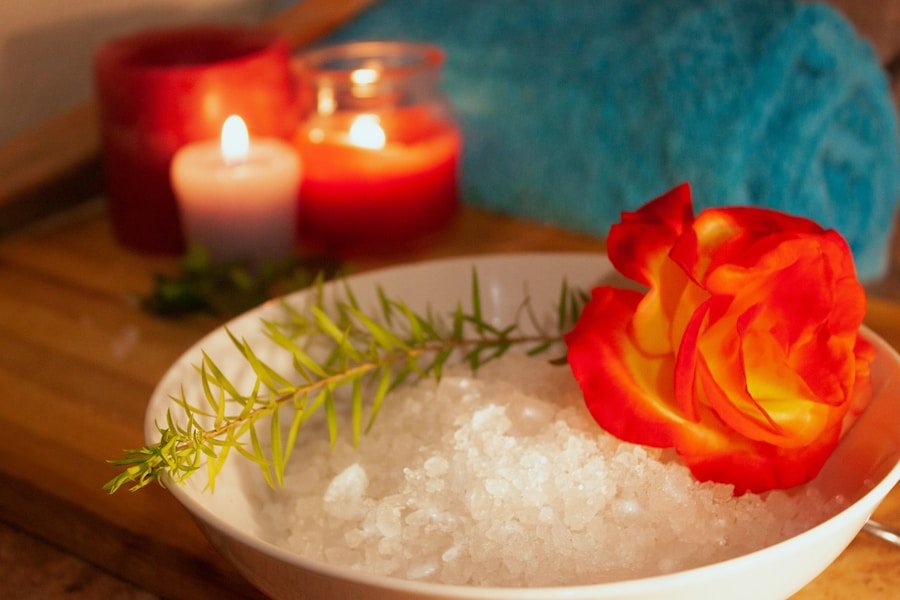
The following article details the evolution of spa culture in Dubai, focusing on the integration of circular wellness principles.
The Evolving Landscape of Dubai’s Spa Industry
Dubai’s hospitality sector, a cornerstone of its economic identity, has long recognized the importance of wellness as a premium offering. For years, the city’s spa culture was characterized by opulence, luxury, and a focus on external enhancements – think gold-infused facials and expansive, marble-clad relaxation zones. These offerings catered to a desire for indulgence and escape, providing sanctuaries of calm amidst the city’s rapid development. The traditional spa model often centered on individual treatments, a transactional approach focused on immediate results and a temporary respite. This approach, while popular and profitable, was akin to tending to a wilting flower by applying a temporary balm, without addressing the underlying soil conditions for sustained health. As global trends in wellness shifted, driven by growing awareness of environmental impact and a deeper understanding of holistic health, a need for a more sustainable and interconnected approach emerged. Dubai, a city adept at embracing innovation and at the forefront of lifestyle trends, began to see a ripple effect of these global movements within its own burgeoning spa industry. This shift was not merely a superficial rebranding but a fundamental re-evaluation of how wellness is perceived, delivered, and sustained.
The Traditional Spa Model: A Focus on Indulgence
The traditional Dubai spa, in its heyday, was a monument to sensory delight. Its architecture often mirrored the grandeur of its surroundings, featuring soaring ceilings, intricate mosaics, and an abundance of natural materials like marble and polished wood. The air was typically infused with carefully curated essential oils, designed to evoke relaxation and luxury. Treatment rooms were private cocoons, offering an escape from the external world. The emphasis was on pampering, with services like deep tissue massages, aromatherapy, and elaborate body wraps forming the core of the offering. The customer journey was often linear: a consultation, a treatment, and a post-treatment relaxation period. While providing genuine moments of rejuvenation, these experiences were largely self-contained, with little emphasis on the broader impact of the products used or the energy consumed.
Operational Pillars of Traditional Spas
- Emphasis on External Aesthetics: The focus was on superficial improvements, such as skin hydration, muscle relaxation, and stress reduction – akin to polishing the surface of a mirror without ensuring the clarity of the glass beneath.
- Product-Centric Treatments: The selection of products often prioritized brand prestige and immediate sensory appeal over ethical sourcing or environmental impact.
- Linear Customer Journey: The spa experience was typically viewed as a discrete event, with limited follow-up or integration into the guest’s ongoing wellness routine.
- Resource-Intensive Operations: Many traditional spas operated with a significant reliance on single-use items, extensive water and energy consumption, and a linear waste management system.
The Rise of Circular Wellness
The concept of circularity, borrowed from environmental economics, has begun to infuse various sectors, and wellness is no exception. Circular wellness, in essence, seeks to move beyond a linear “take-make-dispose” model to one that prioritizes regeneration, resource efficiency, and a holistic understanding of well-being. This approach views the spa not as an isolated entity but as an interconnected part of a larger ecosystem. It considers the entire lifecycle of products, from sourcing and production to use and end-of-life. For Dubai’s spa culture, this represents a significant pivot, a departure from the purely indulgent to the intentionally sustainable. It’s about nurturing the roots of well-being, not just tending to the visible bloom.
Redefining “Wellness” Through a Circular Lens
- Holistic Health and Sustainability: Circular wellness recognizes that personal well-being is intrinsically linked to the health of the planet. It moves beyond individual physical and mental states to encompass environmental and social well-being.
- Resourcefulness over Resource Depletion: Instead of viewing resources as finite, circular models emphasize their regeneration, reuse, and responsible management. This includes water conservation, energy efficiency, and waste reduction.
- Closed-Loop Systems in Spa Operations: This involves rethinking product sourcing, ingredient origination, packaging, and waste management to create minimal environmental impact and maximize resource utilization.
- Long-Term Well-being: The focus shifts from immediate gratification to fostering habits and environments that promote sustained health and vitality for individuals and the community.
Integrating Circular Principles into Dubai’s Spas
The adoption of circular wellness principles in Dubai has manifested in several tangible ways, transforming the operational and philosophical underpinnings of many spa establishments. This integration is not a monolithic change but a multifaceted evolution, impacting everything from the selection of ingredients to the design of facilities. It represents a conscious effort to align luxury with sustainability, demonstrating that true indulgence can coexist with environmental responsibility. Think of it as upgrading from a disposable luxury item to an heirloom – beautiful, valuable, and built to last.
Sustainable Sourcing and Ingredient Philosophy
A cornerstone of circular wellness is a commitment to ethically and sustainably sourced ingredients. This involves moving away from mass-produced, synthetic products to those that are organic, locally grown where possible, and produced with minimal environmental impact. Spas are increasingly scrutinizing their supply chains, seeking out suppliers who prioritize fair trade practices and regenerative agriculture. This deep dive into the origin of ingredients signifies a shift from simply applying a product to understanding its journey and its impact.
The Shift Towards Eco-Conscious Products
- Organic and Natural Ingredients: A growing preference for products free from synthetic chemicals, parabens, and sulfates, aligning with a desire for purer forms of wellness.
- Local and Seasonal Procurement: Supporting local farmers and artisans, reducing transportation emissions, and capitalizing on the freshest ingredients. This fosters a connection to the Arabian landscape and its bounty.
- Ethical Supply Chains: Ensuring fair labor practices and responsible sourcing methods throughout the entire production process, promoting social sustainability alongside environmental impact.
- Biodegradable and Recyclable Packaging: A conscious effort to minimize plastic waste, opting for materials that can be composted, recycled, or reused, thereby closing the loop on product lifecycle.
Water and Energy Conservation Strategies
Water and energy are critical resources for any spa, and traditional models have often been resource-intensive. Circular wellness mandates a proactive approach to conservation. This includes implementing advanced water recycling systems for non-potable uses, investing in energy-efficient technologies, and utilizing renewable energy sources where feasible. The aim is to minimize the spa’s ecological footprint, demonstrating that operational efficiency can enhance, rather than detract from, the guest experience. This is akin to optimizing water usage in an arid garden – every drop counts towards sustained vitality.
Innovations in Resource Management
- Water Recycling and Greywater Systems: Implementing technologies to treat and reuse water for irrigation and other non-potable purposes, significantly reducing fresh water consumption.
- Energy-Efficient Technologies: Investing in LED lighting, smart thermostats, and energy-efficient appliances to reduce overall energy demand.
- Renewable Energy Integration: Exploring the use of solar power for heating water or other operational needs, reducing reliance on fossil fuels.
- Water-Wise Landscaping: Utilizing native and drought-resistant plants in spa gardens and outdoor areas to minimize irrigation requirements.
Waste Reduction and Circular Economy Models
The concept of a circular economy, where waste is minimized and resources are kept in use for as long as possible, is central to circular wellness. Spas are adopting strategies to reduce waste at every level, from eliminating single-use amenities to implementing comprehensive recycling and composting programs. This includes repurposing materials, offering refillable product options, and partnering with organizations that can utilize spa waste as raw materials for new products. This approach transforms waste from a problem into a potential resource, completing the cycle.
Closing the Loop on Operational Waste
- Elimination of Single-Use Plastics: Replacing disposable items with reusable alternatives, such as ceramic cups, metal cutlery, and fabric towels.
- Bulk Amenity Dispensers: Moving away from individual miniature toiletries towards larger, refillable dispensers in guest rooms and treatment areas.
- Composting and Organic Waste Management: Implementing systems to compost food scraps and organic waste, which can then be used for landscaping or donated to local gardens.
- Partnerships for Material Upcycling: Collaborating with local businesses or artisans to repurpose materials such as linen scraps or used product containers into new items.
The Transformation of the Guest Experience
The integration of circular wellness principles profoundly reshapes the guest experience, moving beyond mere pampering to a more conscious and connected form of rejuvenation. Guests are increasingly seeking experiences that align with their values, and spas that embrace sustainability are finding they can offer a deeper, more meaningful connection. This is not about sacrificing luxury but about enhancing it with purpose. It’s like upgrading from a fast fashion item to a carefully crafted piece of art – the intrinsic value is multiplied.
Enhanced Well-being Through Conscious Choices
- Holistic Alignment with Personal Values: Guests can feel confident that their chosen spa experience contributes positively to the environment and community, fostering a sense of ethical satisfaction alongside physical relaxation.
- Mindful Consumption and Connection: The emphasis on natural ingredients and sustainable practices encourages a more mindful approach to consumption, deepening the connection to the self and the natural world.
- Educational Opportunities: Spas can act as educators, informing guests about sustainable practices and inspiring them to adopt similar habits in their daily lives. This extends the impact of the spa beyond the physical visit.
- Authenticity and Transparency: A transparent approach to sourcing and operations builds trust and authenticity, creating a more genuine and resonant experience for the guest.
Redefined Luxury: Value Beyond Opulence
The perception of luxury is evolving. While opulence still holds a place, the definition of premium is expanding to include ethical considerations, environmental stewardship, and a commitment to genuine well-being. Spas that successfully weave circular principles into their offerings are demonstrating that true luxury lies in responsible innovation and a mindful approach to resources. This redefines luxury not as conspicuous consumption but as conscious curation.
The New Pillars of Spa Luxury
- Uncompromising Quality with a Conscience: Offering high-quality treatments and products that are also ethically produced and environmentally sound.
- Meaningful Experiences Over Ephemeral Indulgences: Providing services that contribute to long-term well-being and foster a deeper connection to oneself and the planet.
- Transparency and Trustworthiness: Openly communicating sourcing practices, sustainability initiatives, and operational impacts builds a strong foundation of trust with guests.
- Contribution to a Better Future: The guest experience is elevated by the knowledge that their choice supports a more sustainable and responsible industry, contributing to a positive ripple effect.
Challenges and Opportunities in Adoption
The transition from a traditional, amenity-driven model to a circular wellness paradigm presents a unique set of challenges and opportunities for Dubai’s spa industry. While the benefits are clear, the implementation requires strategic planning, investment, and a commitment to continuous improvement. Navigating these complexities is crucial for long-term success and for solidifying Dubai’s position as a leader in the evolving global wellness landscape.
Overcoming Operational Hurdles
- Initial Investment Costs: The upfront cost of implementing sustainable technologies, sourcing eco-friendly products, and retraining staff can be a significant barrier for some establishments.
- Supply Chain Development: Establishing robust and reliable supply chains for sustainable and ethically sourced ingredients and materials may require significant effort and collaboration.
- Guest Education and Communication: Effectively communicating the value proposition of circular wellness to a discerning clientele, many of whom are accustomed to traditional luxury, requires careful messaging and transparent practices.
- Standardization and Certification: The lack of universally recognized standards and certifications for circular wellness can make it challenging for consumers to identify genuinely sustainable options.
Embracing the Future of Wellness
- Competitive Differentiation: Spas that embrace circularity can carve out a unique niche in the market, attracting a growing segment of environmentally conscious consumers.
- Brand Reputation Enhancement: A strong commitment to sustainability can significantly enhance a spa’s brand image and foster customer loyalty.
- Operational Efficiencies and Cost Savings: While initial investment may be high, long-term savings in resource consumption, waste management, and reduced reliance on disposable products can lead to improved profitability.
- Attracting and Retaining Talent: A commitment to ethical and sustainable practices can make a spa a more attractive employer for mission-driven individuals seeking purpose in their work.
The Future Outlook for Circular Wellness in Dubai
| Metrics | Data |
|---|---|
| Number of traditional spas in Dubai | 50 |
| Number of transformational spas in Dubai | 20 |
| Percentage increase in transformational spas over the last 5 years | 40% |
| Customer satisfaction rating for traditional spas | 3.5/5 |
| Customer satisfaction rating for transformational spas | 4.5/5 |
The trajectory of circular wellness in Dubai’s spa culture points towards a future where sustainability is not an optional add-on but an integral component of luxury and well-being. As awareness grows and technologies advance, the integration of these principles is poised to deepen, setting new benchmarks for the industry. The city’s inherent drive for innovation positions it as a natural incubator for these forward-thinking approaches. This evolution is not a passing trend but a fundamental recalibration of how we define and pursue well-being. It is about building a spa culture that nourishes both the individual and the planet, ensuring a legacy of health and vitality for generations to come.
Trends Shaping the Future Landscape
- Increased Consumer Demand for Transparency: Guests will increasingly seek verifiable information about a spa’s environmental and social impact, driving greater accountability.
- Technological Advancements in Sustainability: Innovations in areas like biodegradable materials, energy efficiency, and water purification will continue to lower the barriers to entry for circular practices.
- Integration with Local Communities: Spas are likely to forge deeper connections with local communities, supporting local economies and promoting sustainable tourism initiatives.
- Wellness as a Holistic Ecosystem: The concept of wellness will continue to expand, encompassing not just individual health but the well-being of the environment and society as a whole, with spas playing a central role in this broader vision.