
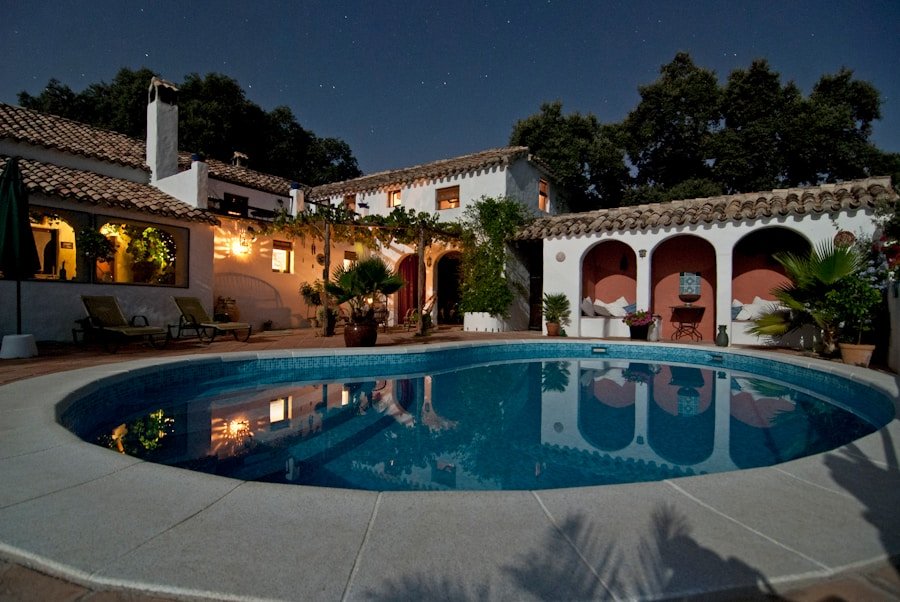
Dubai’s landscape, long defined by rapid development and opulent architecture, is witnessing the emergence of a new sector: eco-luxury real estate. This market segment combines high-end living with environmental responsibility, catering to an increasingly discerning investor base. For those seeking returns aligned with sustainable principles, Dubai presents a developing opportunity.
The Evolution of Dubai’s Real Estate Landscape
Dubai’s real estate trajectory has historically mirrored its broader economic diversification efforts, moving from an oil-dependent economy to a global hub for trade, tourism, and finance. Early development phases prioritized speed and scale, establishing the city’s iconic skyline. However, as global awareness of climate change and resource scarcity intensified, the emirate began to integrate sustainability into its long-term vision.
Shifting Regulatory Frameworks
The Dubai government has played a pivotal role in this transformation. Initiatives like the Dubai Clean Energy Strategy 2050 aim for 75% of the emirate’s total power output to come from clean energy sources by that year. This overarching strategy trickles down to the real estate sector through various regulations and incentives. The Dubai Green Building Regulations and Specifications, introduced in 2011 and updated subsequently, mandate minimum environmental performance standards for new constructions. These regulations cover aspects such as energy efficiency, water conservation, waste management, and the use of sustainable materials. Understanding these guidelines is crucial for investors, as they form the bedrock of sustainable development within the emirate. Compliance is not merely a formality but a foundational element of a project’s long-term viability and market appeal.
Growing Investor Awareness
Parallel to regulatory shifts, both institutional and individual investors are exhibiting a heightened awareness of ESG (Environmental, Social, and Governance) factors. This global trend, often referred to as “impact investing,” is no longer a niche pursuit but a mainstream consideration. Investors are increasingly evaluating real estate assets not just on financial returns but also on their environmental footprint and social impact. In Dubai, this translates into a demand for properties that offer more than just luxury; they must also demonstrate a commitment to sustainability. This growing consciousness acts as a powerful tailwind for the eco-luxury segment, creating a market receptive to sustainable alternatives.
Characteristics of Eco-Luxury Properties in Dubai
Defining eco-luxury in Dubai involves identifying properties that transcend standard green certifications, integrating sustainability as a core design and operational principle without compromising on opulence. These properties are not simply “greenwashed” developments but represent a thoughtful integration of environmental stewardship and high-end living.
Advanced Green Building Technologies
At the heart of eco-luxury properties are advanced green building technologies. This includes sophisticated building management systems (BMS) that optimize energy consumption for heating, ventilation, and air conditioning (HVAC) – a critical factor in Dubai’s climate. The use of high-performance glazing, reflective roofing materials, and advanced insulation significantly reduces the thermal load on buildings, decreasing electricity demand. Furthermore, many developments incorporate renewable energy sources, such as photovoltaic solar panels, either at the individual property level or as part of a community-wide microgrid. Water efficiency is another hallmark, with greywater recycling systems, low-flow fixtures, and drought-resistant landscaping minimizing water consumption, a precious resource in the region.
Sustainable Materials and Design Principles
The choice of building materials is a key differentiator. Eco-luxury properties prioritize materials with low embodied energy, sourced locally where possible, and often recycled or reclaimed. Examples include sustainable timber, recycled aggregates, and paints with low volatile organic compound (VOC) content. Design principles often emphasize passive cooling and natural light maximization, reducing reliance on artificial lighting and air conditioning. Architects and designers frequently incorporate biophilic design elements, such as vertical gardens, indoor plantscapes, and natural ventilation strategies, to integrate nature into the built environment and enhance occupant well-being. These elements contribute to a healthier indoor environment and a more aesthetically pleasing living space.
Integrated Smart Home and Community Features
Beyond the physical structure, eco-luxury developments often integrate smart home technologies and community-level sustainability initiatives. Smart home systems allow residents to monitor and control energy usage, optimize lighting, and manage climate control remotely. At the community level, features might include electric vehicle charging stations, shared green spaces, community gardens, waste segregation and recycling programs, and even localized water purification systems. These integrated features foster a sustainable lifestyle for residents, extending the environmental benefits beyond the individual dwelling. Such communal features contribute to a stronger sense of community and reinforce the sustainable ethos of the development.
Investment Potential and Market Dynamics
The eco-luxury real estate market in Dubai, while still maturing, presents specific dynamics that warrant investor attention. It’s a segment where long-term value appreciation can be driven by factors beyond conventional real estate metrics.
Premium Valuation and Resilience
Eco-luxury properties often command a price premium compared to their conventional counterparts. This premium is attributable to higher construction costs associated with sustainable materials and technologies, but also to the perceived long-term value and reduced operational expenses (e.g., lower utility bills) for residents. Furthermore, these properties tend to exhibit greater resilience during economic downturns, acting as a flight to quality for discerning buyers. Investors are increasingly viewing “green” credentials as a quality indicator, akin to brand recognition in other market sectors. This resilience can be understood as an anchor in a volatile sea, offering stability.
Strong Rental Yields and Occupancy Rates
For investors focused on rental income, eco-luxury properties can offer strong rental yields and high occupancy rates. Tenants, particularly expatriates and high-net-worth individuals, are increasingly willing to pay a premium for properties that align with their sustainable values and offer a healthier, more efficient living environment. The operational savings derived from reduced utility consumption are an attractive proposition for renters, further boosting demand. As the pool of environmentally conscious tenants expands, so too does the rental market for these specialized properties.
Future-Proofing Assets
Investing in eco-luxury real estate in Dubai can be seen as a strategy for future-proofing assets. As environmental regulations become stricter, energy costs rise, and consumer preferences shift further towards sustainability, conventionally built properties may face greater risks of obsolescence and depreciation. Eco-luxury properties, built to higher environmental standards, are less susceptible to these future challenges, potentially offering more stable long-term value. This forward-looking approach positions investors on the leading edge, rather than playing catch-up. It’s about building a ship that can withstand future storms, not just bask in today’s calm waters.
Navigating the Investment Landscape
For an investor contemplating entry into Dubai’s eco-luxury real estate market, a structured approach is essential. The pathway is not without its nuances, requiring diligence and strategic insight.
Due Diligence and Certification Verification
Thorough due diligence is paramount. This involves not only assessing the developer’s track record but also scrutinizing the specific green certifications employed. Reputable international certifications like LEED (Leadership in Energy and Environmental Design), BREEAM (Building Research Establishment Environmental Assessment Methodology), or Pearl Rating System (specific to the UAE) offer external validation of a property’s sustainability claims. Investors should verify the level of certification achieved and the specific criteria met. Additionally, reviewing energy audits and operational performance data, where available, can provide insights into a property’s actual environmental footprint. This process is akin to examining a diamond for its clarity and cut, ensuring its inherent value.
Understanding Green Financing Options
The financial landscape for sustainable investments is evolving. Investors should explore green financing options, which are increasingly offered by local and international banks. These financial products often come with more favorable terms, lower interest rates, or longer repayment periods, recognizing the reduced risk profile of sustainable assets. Governments and financial institutions are incentivizing green investments, making it worthwhile to research available grants, subsidies, or preferential loan schemes. These financial lifelines can significantly improve the overall return on investment.
Partnering with Specialized Real Estate Advisors
Given the specialized nature of eco-luxury real estate, partnering with advisors who possess expertise in this niche is highly beneficial. These professionals can provide invaluable insights into market trends, identify reputable developers, assess the true sustainability credentials of properties, and navigate the complex regulatory environment. An experienced advisor can act as a compass, guiding investors through uncharted waters and helping to avoid potential pitfalls. Their knowledge base can bridge the gap between general real estate acumen and the specific demands of sustainable property investment.
Challenges and Considerations
| Metrics | Data |
|---|---|
| Annual Growth Rate | 8% |
| Number of LEED Certified Buildings | 45 |
| Percentage of Renewable Energy Usage | 30% |
| Green Space per Capita | 5 square meters |
| Number of Eco-Luxury Developments | 12 |
While the promise of Dubai’s eco-luxury real estate market is significant, investors should also be cognizant of inherent challenges and considerations. No journey is entirely smooth, and understanding potential obstacles strengthens preparedness.
Higher Initial Investment Costs
One of the primary challenges is the higher initial capital outlay. Sustainable construction, particularly at the luxury end, often involves specialized materials, advanced technologies, and extensive design work, leading to higher upfront costs compared to conventional builds. Investors must balance this increased initial expenditure against the long-term operational savings, potential for premium pricing, and future-proofing benefits. This isn’t just a cost, but an upfront deposit on future gains.
Perception vs. Performance
The risk of “greenwashing” – where properties are marketed as sustainable without genuine environmental credentials – remains a concern. Investors must be diligent in verifying claims through independent certifications and performance data. A property’s marketing narrative should be rigorously cross-referenced with its actual environmental features and operational metrics. This is a quest for substance over illusion, discerning true green from merely green-tinted.
Evolving Regulatory Environment
Dubai’s regulatory framework for sustainability, while robust, is also dynamic. Continuous updates and new initiatives mean investors must stay abreast of changes that could impact their assets. While generally aiming to enhance sustainability, new regulations might require unforeseen upgrades or compliance measures. Engaging with local legal and real estate experts can help in navigating this evolving landscape and ensuring ongoing adherence. This means understanding that the rules of the game are not static, but constantly redefining the playing field.
In conclusion, Dubai’s eco-luxury real estate market represents a compelling, albeit evolving, opportunity for sustainable investors. It is an arena where financial returns converge with environmental responsibility, offering a path for capital to fuel a greener future. For those who meticulously navigate its nuances, the rewards – both financial and ethical – are poised to be significant.