
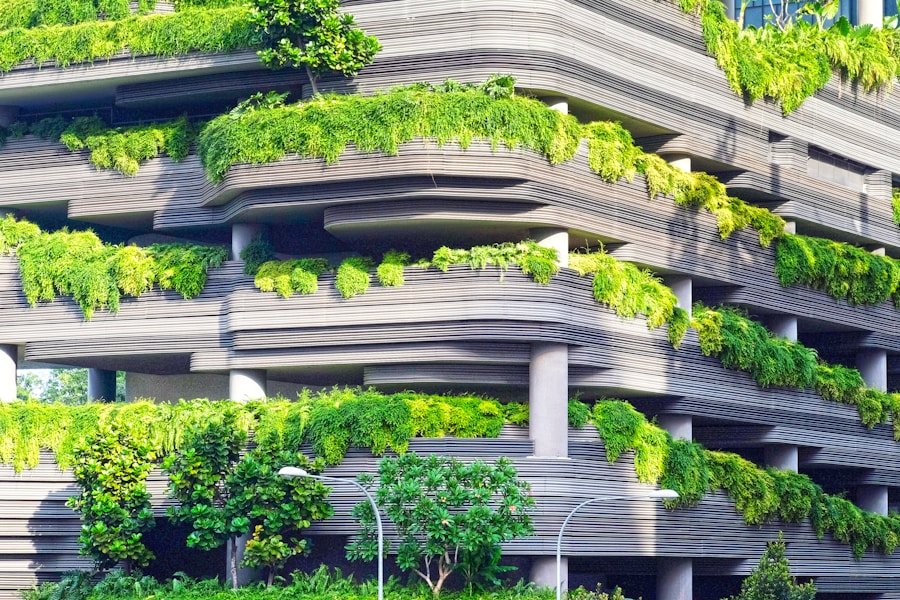
Dubai, historically a desert city, has undergone significant transformation, evolving into a global metropolis. The city’s lifestyle market, once characterized by conventional luxury, is now experiencing an integration of eco-conscious principles. This shift reflects a broader global trend towards sustainability, adapted to Dubai’s unique economic and environmental context. Eco-luxury brands are contributing to this evolution by offering products and services that align with both high-end consumer expectations and environmental responsibility.
The Genesis of Eco-Consciousness in Dubai
Dubai’s economic development has historically focused on sectors such as oil, trade, and tourism. The rapid expansion of infrastructure and population has, at times, overlooked environmental considerations. However, a growing awareness of climate change and resource depletion, both globally and locally, has prompted a reevaluation of established practices.
Government Initiatives and Policy Shifts
The Emirati government has played a role in fostering environmental awareness. Initiatives such as the Dubai Clean Energy Strategy 2052 aim to increase the share of clean energy in the total energy mix. Policies promoting sustainable building practices, waste reduction, and water conservation are also being implemented. These governmental directives create a framework within which eco-luxury businesses can operate, sometimes offering incentives for sustainable development.
Shifting Consumer Preferences
A segment of Dubai’s affluent consumer base is demonstrating a preference for luxury goods and services that carry an ethical or environmentally friendly imprimatur. This demographic, often comprising expatriates and younger, globally-aware Emirati citizens, is more attuned to the social and ecological impact of their consumption. Their choices, though still niche, are influencing the market.
Defining Eco-Luxury in the Dubai Context
Eco-luxury in Dubai extends beyond merely offering “green” products. It encompasses a holistic approach to responsible consumption, integrating environmental protection, social equity, and economic viability.
Sustainable Sourcing and Materials
A hallmark of eco-luxury brands is their commitment to sustainable sourcing. This involves utilizing materials that are recycled, upcycled, organically grown, or ethically harvested.
Examples in Fashion and Design
In the fashion sector, brands are incorporating organic cotton, linen, silk alternatives like peace silk, and recycled polyester. For interiors and architectural design, sustainable timber, bamboo, and low-VOC (volatile organic compound) paints are becoming more prevalent. The origin and processing of these materials are scrutinized to ensure minimal environmental impact.
Energy Efficiency and Renewable Energy Adoption
Reducing energy consumption and transitioning to renewable energy sources are central tenets of eco-luxury. This is particularly relevant in a city like Dubai, where air conditioning and desalination are energy-intensive processes.
Green Building Certifications
Developments adhering to eco-luxury principles often pursue green building certifications such as LEED (Leadership in Energy and Environmental Design) or Estidama. These certifications indicate adherence to rigorous standards for energy efficiency, water conservation, and indoor environmental quality. Some hotels and residences are actively integrating solar panels and other renewable energy technologies.
Pioneering Sectors in Dubai’s Eco-Luxury Market
Several sectors are at the forefront of this transformation, acting as bellwethers for wider adoption of sustainable practices.
Hospitality and Tourism
The hospitality sector in Dubai is experiencing a significant shift towards eco-luxury. Resorts and hotels are implementing measures to reduce their carbon footprint while maintaining high standards of service.
Eco-Resorts and Sustainable Hotels
Properties such as The Anantara World Islands Dubai Resort and The Ritz-Carlton, Dubai, are incorporating practices like water recycling, waste management programs, and energy-efficient systems. Some establishments are also sourcing local produce for their restaurants, reducing their food miles. The guest experience is subtly altered to reflect this, with options for linen reuse and digital check-ins.
Fashion and Retail
The fashion industry, globally known for its environmental impact, is undergoing a reorientation in Dubai. Consumers are seeking transparency in supply chains and ethical production.
Boutiques and Designer Offerings
Independent boutiques and established luxury brands are introducing collections made from sustainable materials. This includes clothing, accessories, and jewelry. The narrative often emphasizes craftsmanship, durability, and a departure from fast fashion trends. Some brands are also exploring circular economy models, offering repair services or take-back programs.
Residential Development and Architecture
Dubai’s real estate market, a significant contributor to its economy, is slowly integrating sustainable design principles into high-end residential projects.
Sustainable Community Developments
Projects like The Sustainable City exemplify this trend, offering villas and townhouses with solar panels, smart home technology for energy management, and community-wide waste recycling programs. These developments aim to create self-sufficient, eco-friendly living environments. While still a relatively small segment, their existence indicates a demand for such properties.
Challenges and Opportunities for Eco-Luxury in Dubai
The transition to a more sustainable luxury market in Dubai is not without its hurdles, but it also presents substantial opportunities for innovation and growth.
Overcoming Perceptual Barriers
A primary challenge is shifting the perception that luxury necessitates excess and resource-intensive practices. Educating consumers about the long-term value and ethical appeal of eco-luxury is crucial.
Marketing and Communication Strategies
Brands are employing sophisticated marketing strategies to highlight the sustainable aspects of their offerings without compromising the perception of exclusivity and quality. This often involves storytelling about the origins of materials, the craftsmanship involved, and the positive impact on the environment or local communities.
Supply Chain Complexities
Establishing truly sustainable supply chains in a globalized luxury market can be intricate. Ensuring ethical labor practices, responsible material sourcing, and reduced transportation emissions requires diligence.
Local Sourcing and Production
An opportunity lies in fostering local production and sourcing. This reduces the carbon footprint associated with transportation and supports local economies. While Dubai’s natural resources are limited, initiatives around vertical farming and local craft production are emerging.
Regulatory Support and Infrastructure
While government initiatives exist, further development of regulations and infrastructure to support sustainable practices could accelerate the eco-luxury trend.
Investment in Green Technology
Increased investment in green technologies, from renewable energy solutions to advanced waste management systems, would bolster the capabilities of eco-luxury brands and make sustainable practices more accessible and cost-effective.
The Future Trajectory: A Greener Horizon for Dubai
| Metrics | Data |
|---|---|
| Number of eco-luxury brands in Dubai | 15 |
| Percentage increase in eco-luxury market in the last 5 years | 30% |
| Number of sustainable hotels in Dubai | 8 |
| Percentage of tourists interested in eco-friendly accommodations | 45% |
The trajectory of eco-luxury in Dubai indicates a gradual but persistent shift. As global environmental concerns intensify and consumer awareness grows, the demand for sustainable luxury is likely to expand beyond its current niche.
Innovation and Technological Integration
The integration of advanced technologies, such as artificial intelligence for resource management, blockchain for supply chain transparency, and innovative materials science, will further refine the eco-luxury offerings. These technologies can optimize efficiency and enhance the ethical credentials of products and services. Dubai’s “smart city” ambitions align with this technological push.
Broader Market Adoption and Normalization
Initially, eco-luxury might be perceived as a premium tier within the luxury market. However, as sustainable practices become more normalized and scalable, the principles of eco-consciousness could permeate conventional luxury offerings, making responsible consumption less of an exception and more of an expectation.
Dubai’s Role as a Regional Hub
Dubai’s position as a regional economic and cultural hub offers it a unique opportunity to champion eco-luxury. By showcasing successful models and fostering innovation, it can influence sustainability practices across the Middle East and beyond. The city could serve as a living laboratory for integrating luxury and environmental stewardship.
The journey from a traditional luxury market to one increasingly informed by eco-conscious principles is a reflection of Dubai’s adaptive capacities. Like a desert flower, pushing through parched earth to bloom, eco-luxury in Dubai represents resilience and a commitment to a future where opulence and responsibility are not mutually exclusive but intertwined. The market is evolving, and these brands are not just selling products; they are selling a vision of a sustainable future, one high-end purchase at a time.