
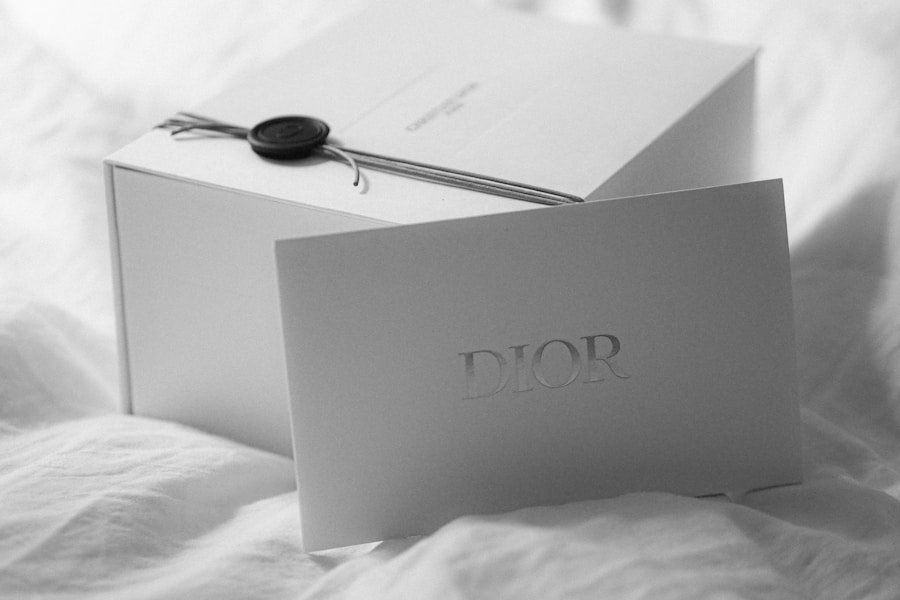
The integration of sustainability into luxury branding represents a significant shift in consumer expectations and corporate responsibility. In Dubai, a city synonymous with opulence and innovation, this evolution is being spearheaded by a new wave of circular packaging companies. These enterprises are not merely adopting eco-friendly practices; they are fundamentally re-imagining the very concept of luxury packaging, demonstrating that environmental consciousness and high-end aesthetics are not mutually exclusive. This article examines how Dubai’s circular packaging companies are redefining luxury brand packaging, exploring their innovative approaches and the impact they are having on the industry.
The Shifting Landscape of Luxury Consumerism
The Rise of the Conscious Connoisseur
The traditional consumer of luxury goods often prioritized exclusivity, craftsmanship, and brand prestige. However, a growing segment of this demographic, particularly younger generations, are increasingly factoring ethical and environmental considerations into their purchasing decisions. This ‘conscious connoisseur’ is educated, connected, and aware of the global challenges surrounding waste and resource depletion. They seek brands that align with their values, extending their discerning eye from the product itself to its entire lifecycle, including its packaging. This has placed brands under pressure to demonstrate a tangible commitment to sustainability, moving beyond superficial greenwashing. For luxury brands, whose appeal is deeply rooted in perception and aspiration, this presents a delicate balancing act: maintaining an aura of exclusivity while embracing responsible practices. The packaging, as the first physical interaction a consumer has with a luxury item, has become a critical touchpoint in communicating this newfound commitment. It is no longer just a vessel; it is a statement.
The Environmental Imperative for Premium Brands
The luxury goods sector, by its very nature, often involves the production of items with long lifecycles and significant embedded value. Historically, the packaging for these goods has reflected this opulence, often utilizing materials designed for visual impact and a sense of indulgence, which can sometimes translate into excessive or difficult-to-recycle components. However, the environmental consequences of such practices, from landfill burden to carbon emissions associated with raw material extraction and waste processing, are becoming increasingly undeniable. Regulatory pressures are also mounting globally, with many regions implementing stricter policies on packaging waste and single-use plastics. Furthermore, a brand’s reputation is intrinsically linked to its perceived social and environmental responsibility. A luxury brand that is seen to be contributing to environmental degradation risks alienating a significant portion of its target market and undermining its own brand equity. The adoption of circular packaging principles offers a pathway to mitigate these risks while simultaneously enhancing brand appeal.
Dubai’s Strategic Position in Sustainable Innovation
Dubai has positioned itself as a global hub for innovation and forward-thinking solutions. Its ambitious sustainability goals, outlined in initiatives such as the Dubai Clean Energy Strategy 2050, create a fertile ground for businesses focused on environmental responsibility. The city’s strategic location, its robust infrastructure, and its openness to international investment make it an ideal platform for companies aiming to disrupt traditional industries. For the luxury sector, which has a strong presence in Dubai, the development of sustainable packaging solutions is thus a natural progression. The city’s commitment to showcasing cutting-edge technologies and business models provides a supportive ecosystem for circular packaging companies to thrive, attracting both local and international luxury brands seeking to enhance their sustainability credentials. This confluence of luxury market demand and governmental support creates a unique environment for these specialized packaging firms to flourish.
The Pillars of Circular Packaging in Luxury
Redesigning for Resource Longevity
Central to the concept of circular packaging is the principle of keeping materials in use for as long as possible, extracting the maximum value from them. For luxury brands, this translates to a fundamental re-evaluation of packaging design. Instead of a linear “take-make-dispose” model, circular packaging aims for a “design-reuse-recycle-regenerate” loop. This involves meticulous material selection, prioritizing durability, reparability, and recyclability. Companies are exploring innovative materials derived from renewable or recycled sources, as well as designing packaging that can be easily disassembled for proper end-of-life management. The goal is to move away from single-use, disposable elements towards systems that encourage longevity and minimize waste generation. This requires a shift in mindset, where packaging is viewed not as a transient adornment but as a valuable resource with a potential afterlife.
Material Innovation: Beyond Virgin Plastics
The pursuit of elegance in luxury packaging has historically leaned on materials that convey opulence, often at the expense of environmental impact. Dubai’s circular packaging companies are challenging this paradigm by spearheading innovation in material science. They are moving beyond conventional virgin plastics and employing a range of sustainable alternatives.
Bio-based and Biodegradable Materials
A significant area of development involves the utilization of bio-based and biodegradable materials. These materials are derived from renewable resources such as plant starches, sugars, or agricultural byproducts. Unlike traditional plastics derived from fossil fuels, bio-based materials can be replenished naturally. Biodegradable materials, under specific conditions, are designed to break down into natural elements, reducing their persistence in the environment. Companies are exploring options like mycelium, a network of fungal threads that can be grown into intricate shapes, offering a unique texture and customizable form. Other innovations include molded pulp derived from recycled paper or bamboo, offering a premium feel and excellent protective qualities. The challenge lies in ensuring these materials meet the aesthetic and performance demands of luxury packaging, which often requires a high level of finish and resistance to moisture and abrasion. However, advancements in formulation and processing are steadily bridging this gap.
Recycled Content and Upcycled Elements
Prioritizing recycled content is another cornerstone of circular packaging. This involves incorporating post-consumer recycled (PCR) plastics and metals into new packaging, thereby diverting waste from landfills and reducing the need for virgin materials. For luxury brands, the challenge here is to ensure the aesthetic appeal of recycled materials. Companies are investing in advanced sorting and purification technologies to produce PCR materials that meet the high-quality standards expected in the luxury sector. This might involve achieving specific color consistency, surface finish, and structural integrity. Furthermore, upcycling, the process of transforming waste materials into products of higher perceived value, is gaining traction. This could involve repurposing discarded luxury textiles for protective pouches or utilizing unique, reclaimed wood for presentation boxes. These upcycled elements can add a narrative of craftsmanship and exclusivity, resonating deeply with luxury consumers.
Novel Biodegradable Foams and Composites
The quest for protective yet sustainable packaging has also led to the development of novel biodegradable foams and composites. Traditional foams used for product protection often consist of petroleum-based plastics that contribute to waste. New materials are being engineered from sources like corn starch or sugarcane, offering similar cushioning properties but with a significantly reduced environmental footprint. These materials can be molded into complex shapes, providing bespoke protection for delicate luxury items. Furthermore, composite materials that blend recycled fibers with biodegradable binders are emerging, offering strength, rigidity, and a tactile quality that can elevate the unboxing experience. The research and development in this area are crucial for luxury brands that require robust packaging to safeguard high-value items during transit and display.
Modular and Reusable Packaging Systems
Beyond material choices, circular packaging in luxury is increasingly about designing systems that facilitate reuse. This entails moving away from single-use primary packaging towards thoughtfully designed modular components that can be returned, refilled, or repurposed.
Designing for Disassembly
A key aspect of creating reusable or easily recyclable packaging is its design for disassembly. This means packaging is constructed in a way that allows its various components to be easily separated without damaging them. For instance, a luxury perfume bottle might have a cap made of recycled metal and a glass bottle. A design for disassembly would ensure these are easily separated for individual recycling, rather than being treated as a composite that might be harder to process. This principle extends to intricate boxes and inserts, where glues and adhesives are minimized or replaced with mechanical fastenings that allow for easy separation. This attention to detail in the design phase is fundamental to enabling efficient recycling streams.
Implementing Take-Back and Refill Programs
To truly embrace circularity, brands must establish systems that allow packaging to be returned and reintegrated into the value chain. This often involves implementing take-back programs where consumers can return empty packaging to designated points for collection. These returned items can then be either refilled with product, refurbished for reuse, or processed for material recycling. For luxury brands, the logistics of these programs need to be seamless and often integrated with existing retail channels or online platforms. Refillable packaging, such as elegant atomizers for fragrances or refillable cosmetic compacts, are becoming increasingly popular. These systems not only reduce waste but also offer a cost-saving and convenient option for loyal customers, fostering a deeper connection with the brand. The elegance of the refillable component itself can become a desirable attribute, further enhancing the luxury experience.
The Rise of Smart Packaging for Circularity
The integration of smart technologies within packaging offers new avenues for managing circularity. Features like QR codes or NFC tags embedded in packaging can provide consumers with information about the material composition, collection points for returns, or even instructions for disassembly. For brands, this data can be invaluable for tracking the lifecycle of packaging, managing inventory for refill programs, and understanding consumer return patterns. In the luxury sphere, smart packaging can also be used to authenticate products and enhance the customer experience with digital content, adding another layer of value to the packaging itself. This fusion of physical and digital elements can support a more efficient and transparent circular economy for luxury goods.
Enhancing the Unboxing Experience with Purpose
The unboxing experience is a highly anticipated moment for luxury consumers, a ritual that amplifies the perceived value of a product. Circular packaging companies are not compromising this experience; they are elevating it by infusing it with a narrative of sustainability and thoughtful design.
Minimalist Aesthetics with Maximum Impact
The pursuit of elegance in luxury packaging has often been associated with ornate designs and generous use of materials. Circular packaging, however, demonstrates that true elegance can be achieved through thoughtful minimalism. By reducing unnecessary components and focusing on high-quality, sustainable materials, brands can create packaging that feels both luxurious and responsible. The absence of excessive ornamentation can draw attention to the inherent beauty of the materials themselves, highlighting craftsmanship in its purest form. This approach aligns with a growing consumer appreciation for understated luxury, where substance and ethical considerations are paramount.
Tactile Appeal and Sensory Engagement
The tactile qualities of packaging play a crucial role in the sensory experience of unwrapping a luxury product. Circular packaging companies are exploring materials that offer a rich and engaging tactile feel, moving beyond smooth, processed surfaces. Unique textures derived from recycled paper, embossed patterns on biodegradable boards, or the subtle grain of sustainably sourced wood can all contribute to a sophisticated and memorable unboxing experience. The weight, finish, and even the subtle scent of natural materials can be leveraged to create a multi-sensory engagement that reinforces the perceived value and artisanal nature of the product within. The sustainability of the material, when communicated effectively, adds an ethical dimension to this sensory pleasure.
Storytelling Through Sustainable Materials
The materials used in luxury packaging can tell a powerful story. By opting for materials with a traceable and sustainable origin, brands can communicate their commitment to environmental stewardship and ethical sourcing. For instance, using paper made from responsibly managed forests or glass with a high percentage of recycled content can be a compelling narrative. Companies are exploring ways to subtly incorporate these stories into the packaging design, perhaps through embossed certifications, subtle footnotes, or accompanying information cards. This storytelling transforms the packaging from a mere container into a vehicle for brand values, deepening the connection between the consumer and the product. It allows the consumer to feel good about their purchase, knowing that their indulgence aligns with their principles.
Challenges and Opportunities in the Circular Luxury Market
Navigating Material Authenticity and Performance
One of the primary challenges for circular packaging companies lies in ensuring the authenticity and performance of sustainable materials. While innovation is rapid, certain materials may still face limitations in terms of durability, moisture resistance, or aesthetic consistency compared to their conventional counterparts. Luxury brands require packaging that not only looks premium but also effectively protects delicate products during transit and storage.
Ensuring Rigor in Certification and Traceability
For luxury brands seeking to build trust with their discerning clientele, the authenticity of their sustainability claims is paramount. This requires rigorous certification processes for materials and robust traceability throughout the supply chain. Consumers are increasingly savvy about greenwashing and demand verifiable evidence of environmental credentials.
Balancing Cost-Effectiveness with Premium Quality
The cost of sustainable materials and the new manufacturing processes required for circular packaging can sometimes be higher than traditional methods. For luxury brands, this presents a financial consideration. However, the long-term benefits of reduced waste disposal costs, enhanced brand reputation, and potential market differentiation can outweigh these initial investments.
Overcoming Logistical Hurdles for Circular Systems
Implementing truly circular packaging systems, particularly those involving take-back and refill programs, presents significant logistical complexities.
Building Infrastructure for Collection and Redistribution
Establishing efficient networks for collecting used packaging from consumers and redistributing cleaned or refilled components requires careful planning and investment in infrastructure.
Educating Consumers on Proper Disposal and Return
Consumer education is a vital component of successful circular packaging initiatives. Brands must clearly communicate how consumers can participate in return programs, dispose of packaging responsibly, and understand the benefits of these systems. Without consumer engagement, the circular loop can be broken.
The Future Landscape: Integration and Innovation
The growing demand for sustainable luxury packaging is not a fleeting trend; it is a fundamental shift in the industry. Dubai’s circular packaging companies are at the forefront of this transformation, demonstrating that environmental responsibility can be seamlessly integrated with high-end aesthetics and consumer desires.
The Role of Technology in Enabling Circularity
Technological advancements are playing a crucial role in overcoming the challenges associated with circular packaging. Innovations in material science, manufacturing processes, and digital tracking systems are constantly improving the viability and appeal of sustainable solutions.
Collaboration as a Catalyst for Change
The transition to a circular economy for luxury packaging requires collaboration among various stakeholders, including packaging manufacturers, luxury brands, retailers, and waste management companies. By working together, these entities can develop standardized systems, share best practices, and accelerate the adoption of circular principles across the industry. This collaborative spirit is essential to dismantle existing linear models and build a more resilient and sustainable future for luxury branding. The dialogue between these diverse groups can spark innovations that neither could achieve alone, much like a symphony composed by distinct instruments playing in harmony.
The evolution of luxury brand packaging in Dubai, driven by circular economy principles, signifies a maturation of the industry. It is a testament to the fact that desire for exquisite products can coexist with a profound respect for the planet. As these companies continue to innovate, they are not merely offering packaging solutions; they are crafting a new narrative for luxury – one that is elegant, responsible, and enduring. This is a journey from packaging as a fleeting indulgence to packaging as a valuable partner in a brand’s legacy, a tangible expression of its commitment to a future where beauty and sustainability are indivisible. The impact will extend beyond the immediate consumer, influencing broader industry practices and contributing to a more responsible global marketplace.