
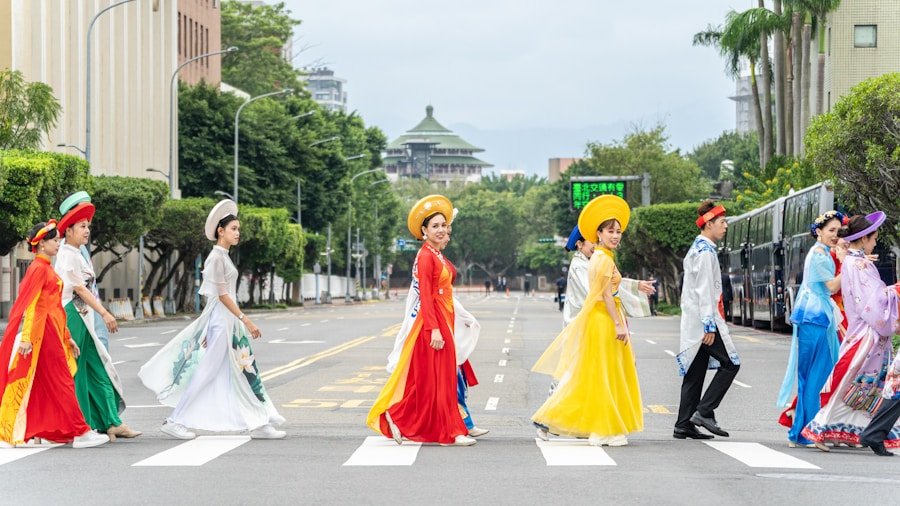
Within the sprawling, opulent canvas of Dubai, a transformation is underway in its luxury fashion sector. Once characterized by unapologetic consumption, the industry is increasingly navigating a path toward sustainability. This article explores the various facets of this shift, examining the motivations, strategies, and challenges faced by Dubai’s luxury fashion brands as they embrace more environmentally and ethically conscious practices.
Dubai’s Fashion Landscape: A Shift in Perception
Dubai, a city synonymous with grandeur and rapid development, has traditionally cultivated an image of boundless luxury. Its fashion landscape, a vibrant tapestry of international brands and emerging local talent, has often mirrored this ethos. However, global conversations surrounding climate change, resource depletion, and social equity are prompting a re-evaluation of established practices, even in the heart of opulence.
The Global Context of Sustainable Fashion
The broader fashion industry is a significant contributor to environmental degradation, including carbon emissions, water pollution, and waste generation. Reports from organizations like the United Nations Environment Programme (UNEP) consistently highlight the sector’s ecological footprint. This global awakening has permeated consumer consciousness, driving demand for more transparent and responsible production. In Dubai, a city with ambitious sustainability goals, this trend is becoming increasingly pertinent for its luxury sector. The expectation is no longer solely about aesthetic appeal; it now encompasses the ethical provenance of the garment.
Changing Consumer Demands in Dubai
The demographic landscape of Dubai is diverse, attracting individuals from various cultural backgrounds. This globalized consumer base, increasingly informed through digital platforms, is demonstrating a growing awareness of sustainability issues. While luxury consumers in Dubai still prioritize exclusivity and quality, there is an emerging segment that also values a brand’s commitment to ethical sourcing, fair labor practices, and ecological responsibility. This shift is not merely a passing trend but reflects a deeper societal evolution, where luxury is being redefined to include a conscience. Brands are recognizing that ignoring this evolving consumer sentiment risks alienating a crucial market segment.
Embracing Sustainable Practices: From Concept to Couture
The transition to sustainable practices in Dubai’s luxury fashion industry involves a multifaceted approach, touching upon every stage of the product lifecycle, from initial design to post-consumer care. This integration of sustainability is not a mere add-on but is being woven into the very fabric of brand identities.
Sustainable Sourcing and Materials
At the core of sustainable luxury fashion lies the responsible selection of materials. This involves a move away from conventional, resource-intensive fabrics towards more environmentally friendly alternatives. Brands are exploring a spectrum of options, each with its own advantages and challenges.
Organic and Recycled Textiles
Many luxury brands in Dubai are increasingly incorporating organic cotton, linen, and hemp, cultivated without synthetic pesticides or fertilizers, into their collections. These materials offer a reduced environmental impact compared to their conventional counterparts. Furthermore, the use of recycled materials, such as recycled polyester derived from plastic bottles or regenerated nylon from fishing nets, is gaining traction. This not only diverts waste from landfills but also reduces the demand for virgin resources. The challenge lies in ensuring the quality and luxurious feel expected by high-end consumers while maintaining the integrity of recycled content.
Innovative and Bio-Based Materials
Beyond traditional sustainable fabrics, Dubai’s luxury sector is exploring innovative materials. This includes bio-based leathers derived from mushrooms or pineapples, offering cruelty-free and biodegradable alternatives to animal leather. Similarly, advancements in lab-grown silk and other bio-engineered fibers are promising. These materials represent the frontier of sustainable innovation, offering performance and aesthetic appeal while significantly reducing environmental impact. Investment in research and development in this area is a key indicator of serious commitment to long-term sustainability.
Traceability and Supply Chain Transparency
A critical element of sustainable sourcing is understanding the entire supply chain. Luxury brands are investing in technologies and partnerships that allow for greater traceability of their materials, from raw fiber to finished garment. This includes collaborating with suppliers who demonstrate ethical labor practices and environmental safeguards. Blockchain technology, for example, is being explored as a tool to enhance transparency and verify the authenticity and sustainability claims of materials and products. For the discerning consumer, knowing the journey of their garment from “farm to fashion” becomes an integral part of its value.
Ethical Production and Labor Standards
Sustainable fashion extends beyond environmental concerns to encompass the social impact of production. Ensuring fair labor practices and safe working conditions resonates deeply with the ethical principles now central to luxury.
Fair Wages and Working Conditions
Brands are increasingly scrutinizing their manufacturing partners, both locally and internationally, to ensure adherence to fair wage policies, reasonable working hours, and safe environments. This involves regular audits and certifications from independent third-party organizations. The aim is to eliminate exploitation and ensure that the artisans and seamstresses who craft these luxury items are treated with dignity and respect. The human cost of fashion is no longer permissible to overlook.
Local Craftsmanship and Artisan Support
Dubai’s luxury sector is also recognizing the value of supporting local craftsmanship. By partnering with local artisans and preserving traditional skills, brands can create unique products while fostering economic development within their community. This not only reduces the carbon footprint associated with long-distance transportation but also imbues products with cultural significance and a story, which are highly valued in the luxury market. This approach transforms a transaction into an exchange of cultural heritage and skill.
Design for Longevity and Circularity
The traditional linear model of fashion – design, produce, consume, discard – is incompatible with sustainability. Dubai’s luxury brands are adopting principles of circularity, aiming to extend the lifespan of products and minimize waste.
Timeless Design and Quality
Luxury has always been associated with enduring quality. Sustainable luxury further emphasizes timeless design, encouraging consumers to invest in pieces that transcend fleeting trends. By focusing on classic aesthetics and superior craftsmanship, brands create garments and accessories that are designed to last for years, if not decades. This intrinsic durability reduces the need for frequent replacements, thereby lowering overall consumption. A well-crafted garment becomes an heirloom, not a disposable item.
Repair, Resale, and Rental Models
Beyond initial purchase, luxury brands are exploring ways to keep their products in circulation. This includes offering repair services, allowing consumers to mend and maintain their cherished items instead of discarding them. The rise of luxury resale platforms is also significant, with brands either partnering with existing platforms or launching their own initiatives to facilitate the re-commerce of pre-owned luxury goods. Furthermore, luxury rental services are emerging, offering access to high-end fashion for specific occasions, promoting shared consumption and reducing individual ownership. These models transform a one-time purchase into a continuous journey of value.
Waste Reduction in Production
Minimizing waste at various stages of production is another critical aspect. This includes implementing zero-waste cutting techniques, utilizing fabric scraps for smaller accessories or upcycling initiatives, and optimizing packaging to reduce material consumption. Digital prototyping and 3D design can also reduce the need for physical samples, thereby curtailing material waste. Every discarded remnant is an opportunity missed.
Communicating Sustainability: Transparency and Advocacy
For sustainable initiatives to be impactful, they must be communicated effectively and transparently to the consumer. Brands in Dubai are navigating the delicate balance of promoting their efforts without resorting to “greenwashing.”
Authentic Storytelling and Brand Narratives
Consumers are increasingly seeking authentic narratives behind the brands they support. Luxury labels are sharing the stories of their sustainable sourcing, ethical production practices, and the artisans involved. This involves using digital platforms, in-store experiences, and marketing campaigns to educate consumers about the journey of their products and the values underpinning the brand. The narrative moves beyond superficial glamour to highlight responsibility and craftsmanship.
Certifications and Third-Party Verification
To lend credibility to their sustainability claims, brands are increasingly seeking certifications from recognized third-party organizations. These certifications, such as GOTS (Global Organic Textile Standard) for organic textiles or Fair Trade certification for ethical labor, provide independent verification of a brand’s adherence to specific environmental and social standards. This helps build trust with consumers who may be skeptical of self-proclaimed sustainability. The endorsement of an independent authority acts as a seal of trust.
Industry Collaboration and Advocacy
Sustainable fashion is not a solitary endeavor. Brands in Dubai are engaging in industry collaborations, sharing best practices, and collectively advocating for policy changes that support a more sustainable fashion ecosystem. This includes participation in industry events, partnerships with NGOs, and contributions to sustainable fashion initiatives. The collective voice carries more weight than individual efforts, acting as a catalyst for systemic change.
Challenges and Future Outlook
| Year | Percentage of Sustainable Materials Used | Reduction in Carbon Emissions | Number of Sustainable Fashion Events |
|---|---|---|---|
| 2018 | 15% | 10% | 3 |
| 2019 | 25% | 20% | 5 |
| 2020 | 40% | 30% | 7 |
| 2021 | 50% | 40% | 9 |
While Dubai’s luxury fashion industry is making strides toward sustainability, significant challenges remain. The path toward a truly circular and responsible luxury sector is complex and requires continuous innovation and commitment.
Economic Viability and Cost of Sustainability
Implementing sustainable practices often involves higher upfront costs, from sourcing premium sustainable materials to investing in ethical manufacturing processes. For luxury brands, maintaining price points while absorbing these costs can be a delicate balancing act. Educating consumers about the true value and cost associated with sustainable production is crucial to justify premium pricing. The inherent value of ethical production needs to be articulated.
Regulatory Landscape and Infrastructure
While Dubai has ambitious sustainability goals as a city, specific regulations directly impacting sustainable fashion practices are still evolving. A clearer regulatory framework, coupled with improved infrastructure for recycling and waste management specific to textiles, would further incentivize and support brands in their sustainable journey. The broader ecosystem needs to evolve in parallel with individual brand efforts.
Consumer Education and Engagement
Despite growing awareness, a significant portion of consumers may still prioritize aesthetics and immediate gratification over sustainability. Continued education and engagement are vital to shift consumer behavior and foster a deeper appreciation for sustainable luxury. Brands have a role to play in empowering consumers to make informed choices and recognize the long-term value of their purchases. This requires a continuous dialogue, not just a marketing campaign.
The journey from runway to greenway in Dubai’s luxury fashion industry is an ongoing evolution. It is a testament to the fact that even in a realm traditionally associated with extravagance, the imperative for responsibility and environmental stewardship is taking root. As the world continues to grapple with environmental and social challenges, Dubai’s luxury fashion sector is positioning itself not just as a purveyor of beauty, but as a proponent of a more conscious and sustainable future. This transformation is not merely about changing the clothes we wear, but changing the very narrative of luxury itself.