
Dubai, a city often synonymous with extravagance and rapid development, is increasingly grappling with the environmental implications of its urban expansion. This article explores how luxury developers in the emirate are adopting sustainable practices, moving beyond superficial greenwashing to integrate ecological considerations into high-end residential and commercial projects. As a reader, understanding these shifts is crucial for discerning genuine efforts from marketing veneers.
The Imperative for Sustainable Development in Dubai
Dubai’s growth trajectory, while impressive, has historically entailed a substantial ecological footprint. The city’s reliance on energy-intensive infrastructure, extensive water desalination, and a car-centric culture presents significant environmental challenges. Addressing these challenges is no longer an optional add-on but a strategic necessity, driven by both global environmental concerns and local economic aspirations.
Resource Scarcity and Climate Change
The Arabian Gulf region faces acute water scarcity, making efficient water management a critical component of any sustainable development. Furthermore, extreme temperatures necessitate substantial energy consumption for cooling. Dubai’s climate vulnerability underscores the urgency of reducing greenhouse gas emissions. Climate change projections indicate increased heatwaves and potential sea-level rise, posing long-term risks to coastal developments.
Economic and Reputational Drivers
Beyond environmental ethics, there are tangible economic and reputational benefits to embracing sustainability. Green buildings often command higher property values and attract environmentally conscious investors. Furthermore, aligning with global sustainability goals enhances Dubai’s image as a forward-thinking city, attracting international talent and investment. The UAE’s commitment to net-zero emissions by 2050 provides a national framework for these localized initiatives.
Integrating Green Building Standards and Certifications
The pursuit of eco-chic living in Dubai is increasingly underpinned by adherence to internationally recognized green building standards. These benchmarks provide a structured framework for developers to incorporate sustainable practices throughout the design, construction, and operation phases of a project.
LEED and ESTIDAMA Frameworks
Two prominent certification systems guide sustainable construction in Dubai:
- Leadership in Energy and Environmental Design (LEED): A globally recognized standard, LEED addresses various aspects of sustainability, including energy efficiency, water conservation, material selection, and indoor environmental quality. Projects can achieve different certification levels (Certified, Silver, Gold, Platinum) based on their performance across these categories. For luxury developments, Platinum certification often serves as a badge of honor, signifying a strong commitment to environmental stewardship.
- ESTIDAMA: Meaning “sustainability” in Arabic, ESTIDAMA is a building design and operation framework developed by Abu Dhabi, with principles often adopted or adapted in Dubai. It utilizes a rating system called the Pearl Rating System, which assesses sustainable performance in categories such as integrated development process, natural systems, liveable streets, and materials. While distinct from LEED, ESTIDAMA shares many core objectives, focusing on regional appropriateness and cultural relevance in its approach to sustainability.
The Role of Regulatory Bodies
Dubai’s regulatory bodies, such as the Dubai Municipality and the Dubai Green Economy Department, play a pivotal role in promoting sustainable building practices. Building codes are evolving to incorporate stricter energy efficiency requirements, mandating certain green building features in new constructions. These regulations act as a foundational layer, ensuring a baseline level of sustainability even in projects not explicitly aiming for voluntary certifications.
Innovations in Energy and Water Management
The cornerstone of sustainable development in arid regions like Dubai lies in efficient energy and water management. Luxury developers are deploying advanced technological solutions to minimize consumption and maximize resource efficiency, transforming buildings from energy sinks into more self-sufficient entities.
Renewable Energy Integration
The abundant sunlight in Dubai makes solar power a natural fit for renewable energy integration. Developments are increasingly incorporating:
- Photovoltaic (PV) Panels: Rooftop solar installations are becoming common, generating electricity to offset grid consumption. Advanced PV technologies, including thin-film and bifacial panels, are being explored for increased efficiency and aesthetic integration.
- Solar Water Heating Systems: These systems harness solar energy to heat water, reducing reliance on conventional electric or gas heaters, which are significant energy consumers in residential settings.
- Building-Integrated Photovoltaics (BIPV): Beyond standalone panels, BIPV involves integrating solar cells directly into building materials such as facades, windows, and roofing. This approach allows for seamless aesthetic integration, turning the building envelope itself into an energy generator.
Advanced Water Conservation Strategies
Given the high cost and environmental impact of desalination, water conservation is paramount:
- Greywater Recycling Systems: These systems treat and reuse water from sinks, showers, and laundry for non-potable purposes such as irrigation and toilet flushing, significantly reducing demand for fresh water.
- Rainwater Harvesting: While Dubai receives limited rainfall, any precipitation can be collected and stored for irrigation or other non-potable uses, contributing to water independence.
- Efficient Irrigation Systems: Drip irrigation and smart irrigation systems, which use sensors to monitor soil moisture and weather conditions, minimize water waste in landscaping. Native and drought-tolerant plant species are also preferred to reduce water requirements.
- Low-Flow Fixtures and Appliances: All luxury residences now feature low-flow toilets, showerheads, and faucets, alongside energy-efficient appliances, contributing to substantial water and energy savings within individual units.
Sustainable Materials and Waste Management
The lifecycle impact of a building extends beyond its operational energy and water consumption. The materials used in construction and the waste generated throughout a project’s life cycle are critical considerations for luxury developers targeting true sustainability.
Sourcing and Specification of Eco-Friendly Materials
Developers are increasingly specifying materials with lower embodied energy and reduced environmental impact:
- Recycled Content Materials: Using steel, concrete, and other materials with high recycled content reduces the demand for virgin resources and minimizes waste going to landfills.
- Locally Sourced Materials: Prioritizing materials extracted and manufactured within the UAE or neighboring regions reduces transportation emissions and supports local economies.
- Renewable and Certified Wood: Wood from sustainably managed forests, often bearing certifications like the Forest Stewardship Council (FSC), ensures responsible forest management and prevents deforestation.
- Low Volatile Organic Compound (VOC) Products: Paints, adhesives, and sealants with low VOC content improve indoor air quality, contributing to occupant health and well-being. This is particularly important in luxury residences where interior environments are highly valued.
Comprehensive Waste Management Protocols
Effective waste management is a complex but essential aspect of sustainable development:
- Construction and Demolition Waste Diversion: Developers implement strategies to sort and recycle construction and demolition debris, diverting significant volumes of waste from landfills. This can include crushing concrete for aggregate, recycling metal, and reusing timber.
- Operational Waste Management: Sustainable developments incorporate robust recycling programs for residents, with designated recycling chutes or collection points for various waste streams. Composting organic waste is also being explored in larger communities.
- Circular Economy Principles: Moving beyond simple recycling, some developers are exploring circular economy principles, where materials are designed for disassembly and reuse, minimizing waste generated at the end of a building’s life cycle.
Designing for Biophilia and Community Well-being
| Development | Green Features | Energy Efficiency | Sustainability |
|---|---|---|---|
| Al Barari | Solar panels, green spaces | LEED certification | Recycling, water conservation |
| Dubai Sustainable City | Solar panels, green building materials | Net-zero energy buildings | Organic farming, waste management |
| Jumeirah Golf Estates | Energy-efficient lighting, smart home technology | Energy Star appliances | Native landscaping, water-efficient irrigation |
Eco-chic living extends beyond technological and material considerations to encompass the human experience. Developers are recognizing the importance of connecting residents to nature and fostering vibrant, healthy communities. This is where sustainability interweaves with well-being.
Biophilic Design Principles
Biophilic design integrates natural elements into the built environment to improve occupant health and comfort. In Dubai’s luxury developments, this manifests through:
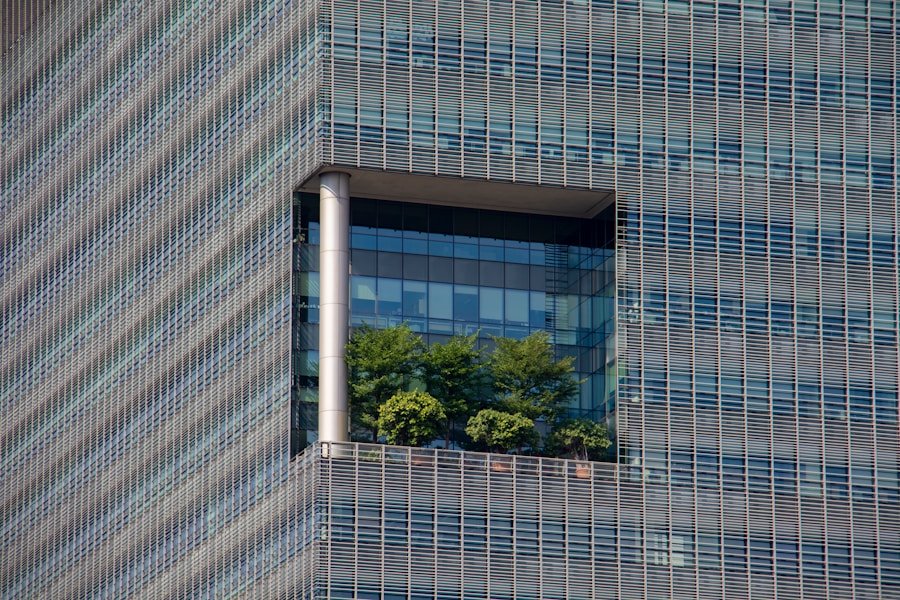
- Extensive Green Spaces: Rather than generic lawns, developments feature meticulously designed gardens, vertical gardens, and green roofs that provide insulation, improve air quality, and offer aesthetic appeal. Native and drought-tolerant planting is prioritized.
- Natural Light and Ventilation: Maximizing natural light reduces the need for artificial lighting, while strategic building orientation and operable windows promote natural ventilation, reducing energy consumption for cooling.
- Water Features: Carefully integrated water features – such as reflective pools, naturalistic streams, or calming fountains – can enhance the sensory experience and create a sense of tranquility, while also contributing to passive cooling.
- Views of Nature: Designing units and communal spaces to offer unobstructed views of green landscapes, water bodies, or the wider natural environment connects residents to the external world, reducing stress and improving mood.
Fostering Sustainable Communities
Luxury developments are becoming microcosms of sustainable living, encouraging residents to adopt eco-conscious lifestyles:
- Pedestrian and Cyclist-Friendly Infrastructure: Extensive shaded walkways, cycling paths, and dedicated bike storage encourage alternative modes of transport, reducing reliance on private vehicles.
- Public Transport Connectivity: Strategically locating developments near existing or planned public transport networks (metro, bus lines) enhances accessibility and reduces single-occupancy vehicle trips.
- Community Gardens and Urban Farming: Providing spaces for residents to cultivate their own produce fosters a sense of community, promotes healthy eating, and reduces the carbon footprint associated with food transportation.
- Electric Vehicle Charging Infrastructure: The provision of EV charging stations in residential and commercial parking areas supports the transition to electric mobility.
- Educational Programs: Developers sometimes initiate programs or provide resources to educate residents on sustainable living practices, from waste sorting to energy consumption tips, empowering them to contribute to the community’s overall environmental goals.
As a reader, it is essential to look beyond the marketing gloss and examine the underlying commitment to these principles. The convergence of luxury and sustainability in Dubai is not merely a trend, but a gradual yet significant evolution. It reflects a growing understanding that opulence and environmental responsibility can, and increasingly must, coexist. The developers pioneering these initiatives are not just building structures; they are constructing a template for a more resilient and conscientious urban future in a challenging environment.