
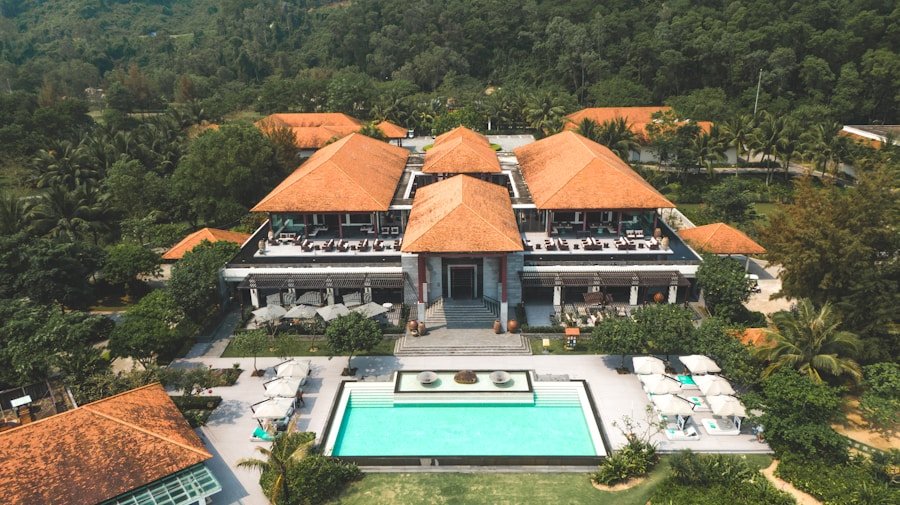
As an individual observing global urban development, particularly within dynamic markets, you may recognize Dubai’s commitment to innovation. This commitment now extends significantly into sustainable luxury real estate, a sector gaining prominence for its integration of environmental responsibility with high-end living. This article provides an overview of sustainable luxury projects in Dubai, examining their motivations, characteristics, and implications.
The Impetus for Sustainable Development in Dubai
Dubai’s rapid urbanization throughout the late 20th and early 21st centuries has been a subject of extensive academic and journalistic scrutiny. Driven by economic diversification away from hydrocarbon resources, the city has strategically positioned itself as a global hub for commerce, tourism, and innovation. This growth, however, has also presented challenges related to resource consumption and environmental impact.
Economic Diversification and Global Standing
The Dubai government, through various long-term strategies such as the Dubai Plan 2021 and the UAE Vision 2071, has emphasized sustainable development as a core pillar. This is not merely an environmental mandate but a strategic economic decision. As global investor sentiment increasingly favors environmentally responsible enterprises, sustainable luxury projects enhance Dubai’s attractiveness as a sophisticated and forward-thinking investment destination. This approach serves as a bulwark against potential future economic vulnerabilities by aligning with international best practices and investor expectations.
Environmental Stewardship and Resource Management
The geographical context of Dubai, characterized by an arid climate and limited natural freshwater resources, amplifies the necessity for sustainable practices. High energy consumption for cooling, water desalination, and infrastructure development necessitates innovative solutions. Sustainable luxury projects, therefore, are not merely aesthetic choices but practical responses to environmental constraints. They represent a proactive approach to resource management, aiming to mitigate the ecological footprint of urban expansion.
Social Well-being and Quality of Life
Beyond economic and environmental factors, sustainable luxury developments often incorporate design principles that promote resident well-being. Access to green spaces, improved air quality through reduced emissions, and the use of non-toxic materials contribute to a healthier living environment. For discerning buyers, these attributes are becoming as significant as traditional luxury amenities, reflecting a broader societal shift towards holistic living.
Defining Sustainable Luxury in Dubai
The concept of “sustainable luxury” in Dubai is not an oxymoron but a nuanced integration of high-end living standards with ecological responsibility. It departs from the conventional perception of luxury as sheer opulence, refocusing on value that endures environmentally and ethically.
Integration of Green Building Technologies
Sustainable luxury projects in Dubai are characterized by the comprehensive adoption of green building technologies. These technologies are not add-ons but foundational elements of design and construction, aiming for measurable reductions in resource consumption.
Energy Efficiency Innovations
Passive design strategies are frequently employed, utilizing the building’s orientation, shading devices, and high-performance glazing to minimize heat gain and reduce the demand for air conditioning. Active systems include photovoltaic (solar) panels for electricity generation, smart home systems for optimized energy use, and advanced HVAC (heating, ventilation, and air conditioning) systems designed for efficiency. The goal is often to approach net-zero energy consumption, a challenging yet increasingly achievable target in the region.
Water Conservation Strategies
Given the scarcity of water, these projects incorporate extensive water-saving measures. This includes low-flow fixtures, greywater recycling systems for irrigation and toilet flushing, and efficient irrigation techniques for landscaping, such as drip irrigation. Desalination plants, where applicable, are optimized for lower energy consumption. The aim is to create properties that act as hydrological sponges, absorbing and reusing what might otherwise be wasted.
Sustainable Materials Sourcing
Emphasis is placed on using materials with a low environmental impact. This involves sourcing local materials to reduce transportation emissions, utilizing recycled content, and selecting materials that are durable, non-toxic, and renewable. Certifications such as LEED (Leadership in Energy and Environmental Design) or Estidama (an Abu Dhabi-based sustainable building rating system) often guide material selection and overall project design.
Emphasis on Biophilic Design
Biophilic design, which integrates natural elements into the built environment, is a cornerstone of sustainable luxury. This approach seeks to connect residents with nature, enhancing psychological and physical well-being.
Green Spaces and Vertical Gardens
Extensive landscaping, including parks, gardens, and even vertical green walls, plays a crucial role. These features improve air quality, reduce the urban heat island effect, and provide aesthetic value. Green roofs are also becoming more common, offering insulation benefits and habitats for local flora and fauna.
Natural Light and Ventilation
Design principles prioritize maximizing natural light, reducing reliance on artificial illumination, and fostering a connection to the outdoors. Strategically placed windows and courtyards contribute to this. Natural ventilation, where feasible, also reduces energy demand and improves indoor air quality.
Key Sustainable Luxury Projects and Developers
Dubai has several ongoing and completed projects that exemplify this convergence of luxury and sustainability. These projects often serve as benchmarks for future developments.
District One (Mohammed Bin Rashid City)
While a large-scale master-planned community, sections of District One represent a commitment to sustainable principles within a luxury context. It features extensive green spaces, a crystalline lagoon utilizing clean technology, and residences designed to maximize energy efficiency. The emphasis here is on integrating sustainable elements into a high-end, family-oriented environment.
The Sustainable City
Often cited as a pioneering example, The Sustainable City is a fully integrated community focused on environmental, economic, and social sustainability. It incorporates individual villas, apartments, a school, an equestrian center, and commercial facilities. Its key features include solar panels on every home, biodomes for food production, greywater recycling, and electric buggy transport within the community. This project serves as a practical blueprint for self-sufficient, green urban living.
Dubai Creek Harbour (Developer: Emaar Properties)
This multi-billion-dollar development is designed with a strong focus on sustainability. It integrates smart city technology, extensive pedestrian pathways, and cycling tracks to reduce reliance on vehicles. A significant portion of the development is dedicated to green and open spaces, aiming to foster a healthier urban ecosystem. The developer, Emaar Properties, has articulated commitments to energy efficiency and water conservation across its projects.
Madinat Jumeirah Living (Developer: Dubai Holding)
Situated near the iconic Burj Al Arab, Madinat Jumeirah Living integrates traditional Arabian design with modern sustainability principles. The project emphasizes pedestrian-friendly zones, lush landscaping, and building designs that enhance natural cooling. While not as overtly “green” as The Sustainable City, it represents a luxury development making tangible efforts towards reducing its environmental impact within a premium urban setting.
Certification and Regulatory Frameworks
To lend credibility and ensure adherence to sustainable practices, various certification systems and regulatory frameworks are in place or are being adopted within Dubai. These provide a measurable standard against which projects can be evaluated.
LEED Certification
The Leadership in Energy and Environmental Design (LEED) rating system, developed by the U.S. Green Building Council, is widely recognized globally. Many luxury developments in Dubai aspire to or achieve LEED certification, which evaluates buildings based on factors such as energy savings, water efficiency, CO2 emissions reduction, and improved indoor environmental quality.
Estidama Pearl Rating System
Developed in Abu Dhabi, the Estidama Pearl Rating System is tailored to the unique climate and cultural context of the UAE. It assesses projects on categories including materials, water, energy, and liveability. While specific to Abu Dhabi, its principles often influence adjacent Emirates like Dubai, particularly for projects aiming for regional relevance in sustainability. The ‘Pearl’ ratings provide a clear indicator of a project’s environmental performance.
Government Initiatives and Building Codes
The Dubai Municipality continually updates building codes and regulations to incorporate higher standards of energy efficiency and environmental performance. These regulations act as a baseline, ensuring that all new constructions meet certain sustainability criteria, pushing the entire sector towards greener practices. Initiatives such as the “Green Economy for Sustainable Development” launched by the UAE government further underscore this commitment, providing a policy framework for green industries and investments.
The Future Trajectory of Sustainable Luxury Real Estate
| Project Name | Location | Sustainability Features | Luxury Amenities |
|---|---|---|---|
| Green Community | Dubai Investment Park | Solar panels, green spaces, energy-efficient design | Swimming pools, spa, fitness center |
| Dubai Sustainable City | Dubai Land | Renewable energy, waste management, organic farms | Golf course, equestrian center, luxury villas |
| The Heart of Europe | The World Islands | Water conservation, sustainable materials, eco-friendly transportation | Private beaches, underwater bedrooms, luxury hotels |
The trajectory of sustainable luxury real estate in Dubai suggests a continued evolution, driven by market demand, technological advancements, and evolving regulatory landscapes.
Expanding Beyond Residential Properties
While residential projects have been the primary focus, the principles of sustainable luxury are progressively being applied to commercial properties, hospitality ventures, and large-scale mixed-use developments. This holistic application is critical for developing truly sustainable urban environments. Consider the implications for hotel developments, which are significant consumers of energy and water; their shift towards sustainable models would have a substantial impact.
Integration of Smart City Technologies
The concept of smart cities, where technology is used to manage resources efficiently and enhance urban living, will increasingly intertwine with sustainable luxury. This includes integrated waste management systems, intelligent traffic management, smart grids for energy distribution, and IoT (Internet of Things) devices for environmental monitoring within developments. These technologies act as the nervous system of a sustainable city.
Addressing Embodied Carbon
A growing focus in sustainable development is on embodied carbon – the CO2 emissions associated with building material extraction, manufacture, transport, and construction. Future projects will likely place greater emphasis on reducing embodied carbon through circular economy principles, innovative material sciences, and efficient construction practices. Lifecycle assessments will become more commonplace, evaluating the environmental impact of a building from cradle to grave.
In conclusion, Dubai’s journey into sustainable luxury real estate is a testament to its adaptive capacity and strategic foresight. It represents a pivot from carbon-intensive development towards models that balance economic growth with environmental responsibility and social well-being. For those observing patterns in global urbanism, these developments offer a compelling case study of a city consciously reshaping its future in response to both environmental imperatives and discerning market demands. The buildings and communities emerging from this approach are not just structures of steel and glass, but intricate canvases reflecting a commitment to a more resilient future.