
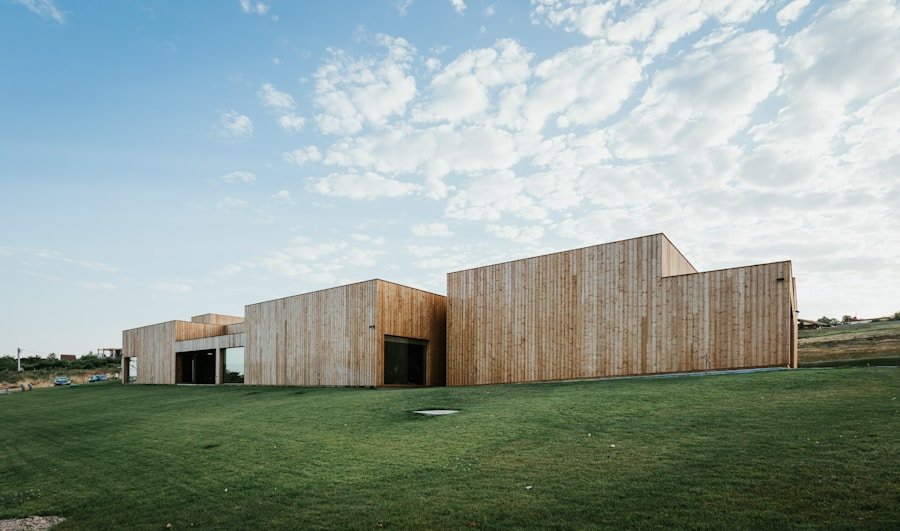
The United Arab Emirates, a nation known for its rapid development and opulent tourism offerings, has also begun to embrace sustainable practices. Dubai, in particular, has seen the emergence of several eco-resorts that blend luxury amenities with a commitment to environmental stewardship. These establishments demonstrate that high-end hospitality and ecological responsibility are not mutually exclusive. This article explores Dubai’s leading eco-resorts, examining their sustainable initiatives, design principles, and guest experiences.
The Paradigm Shift: Sustainability in Desert Luxury
Dubai’s pursuit of sustainable tourism represents a significant shift from its earlier growth models, which often prioritized rapid infrastructural development with less emphasis on environmental impact. The city’s current trajectory, influenced by national visions like UAE Vision 2021 and Dubai Plan 2021, increasingly incorporates environmental considerations into its urban and economic strategies. The development of eco-resorts reflects a commitment to attracting discerning travelers who value both comfort and conscience. These resorts are not mere greenwashing exercises; they are designed with integral sustainable principles. They function as living laboratories, demonstrating how advanced technologies and traditional wisdom can coexist to minimize ecological footprints in an arid environment.
Architectural Harmony with Nature
The design philosophy of Dubai’s eco-resorts often emphasizes integration with the natural landscape rather than imposing upon it. Architects and designers frequently draw inspiration from local vernacular architecture, incorporating elements found in traditional Emirati homes, such as wind towers (barjeel) for natural cooling and courtyards for shade. Materials are often locally sourced or recycled, reducing embodied energy—the total energy consumed in the production of a material.
- Bioclimatic Design: This approach leverages natural forces like sunlight and wind to regulate indoor temperatures, reducing the need for artificial heating and cooling.
- Use of Indigenous Materials: Resorts often utilize materials such as traditional stone, sand-colored renders, and timber, which blend seamlessly with the desert environment.
- Minimalist Footprint: Structures are often designed to have a reduced impact on the terrain, avoiding extensive excavation or disruption of natural ecosystems.
Energy Efficiency and Renewable Sources
Energy consumption is a critical consideration in any large establishment, particularly in a climate like Dubai’s, where air conditioning is essential. Eco-resorts in Dubai are at the forefront of implementing advanced energy-saving technologies and integrating renewable energy sources. This commitment moves beyond simple gestures, extending to fundamental changes in infrastructure.
- Solar Power Integration: Many resorts utilize photovoltaic panels to generate electricity, significantly reducing reliance on the grid. Solar water heaters are also common, minimizing energy expended for hot water.
- Smart Building Management Systems (BMS): These systems optimize energy use by controlling lighting, air conditioning, and other electrical loads based on occupancy and ambient conditions. Think of it as a resort with a keen awareness of its own metabolic rate, adjusting its energy needs in real-time.
- LED Lighting: The widespread adoption of energy-efficient LED lighting systems further reduces electricity consumption.
Water Conservation: A Lifeline in the Desert
Water is arguably the most precious resource in any arid region. Dubai’s eco-resorts have implemented comprehensive strategies to conserve water, recognizing its scarcity as a fundamental constraint. These efforts go beyond simple admonitions to guests and are embedded in the resorts’ operational DNA. They are essentially water stewards, carefully managing every drop.
Advanced Water Management Systems
From treating wastewater to optimizing irrigation, these resorts employ sophisticated technologies to minimize water consumption and maximize its reuse.
- Greywater Recycling: Water from sinks and showers is treated and reused for irrigation or flushing toilets, significantly reducing potable water demand. This is a circular economy in action, even at a micro-level.
- Wastewater Treatment Plants (WWTPs): On-site treatment facilities ensure that all wastewater is processed to a high standard before discharge or reuse.
- Drip Irrigation Systems: These systems deliver water directly to the roots of plants, minimizing evaporation and runoff, which are common with traditional sprinkler systems.
- Xeriscaping: The practice of landscaping with drought-resistant or native plants reduces the need for extensive irrigation, creating gardens that thrive in the desert climate without demanding exorbitant water resources.
Guest Engagement in Water Conservation
While technological solutions are vital, guest awareness and participation also play a role in overall water conservation efforts. Resorts often employ subtle but effective methods to encourage responsible water use.
- In-Room Reminders: Information about water-saving practices is often provided in guest rooms, encouraging shorter showers and responsible towel reuse.
- Water-Efficient Fixtures: Low-flow showerheads and toilets are standard in many eco-resorts, reducing water consumption without compromising the guest experience.
Waste Reduction and Circular Economy Principles
Waste management is another critical pillar of sustainability. Dubai’s eco-resorts are actively working to minimize waste generation, diverting as much as possible from landfills through extensive recycling programs and innovative waste-to-resource initiatives. They strive to close the loop, treating waste not as an endpoint but as a potential input for new processes.
Comprehensive Recycling Programs
From organic waste to plastics and glass, these resorts implement robust systems for sorting and recycling various materials.
- Source Separation: Guests and staff are encouraged to separate waste at the source, facilitating more effective recycling.
- Composting: Organic waste from kitchens and gardens is often composted on-site, producing nutrient-rich soil amendments for landscaping. This turns potential waste into a valuable asset, enriching the very soil it came from.
- Partnerships with Recycling Companies: Resorts collaborate with specialized recycling companies to ensure that all recyclable materials are processed appropriately.
Sustainable Procurement and Supply Chain Management
Reducing waste also involves upstream considerations, specifically how resources are procured. Eco-resorts prioritize suppliers who share their commitment to sustainability.
- Local Sourcing: Prioritizing local produce and goods reduces transportation emissions and supports local economies. This reduces the carbon footprint associated with bringing goods from afar.
- Reduced Packaging: Resorts actively seek suppliers who use minimal or recyclable packaging, curbing vast amounts of single-use plastics and other disposable materials.
- Bulk Purchasing: Buying in bulk reduces packaging waste and the frequency of deliveries, further lessening environmental impact.
Biodiversity Protection and Environmental Education
Dubai’s desert ecosystem, while seemingly stark, harbors a diverse array of flora and fauna. Eco-resorts often play a role in protecting this biodiversity and educating guests about the delicate balance of the desert environment. They act as guardians of the local ecosystem, ensuring that human presence does not diminish its inherent value.
Habitat Restoration and Protection
Efforts are made to preserve existing habitats and, in some cases, to restore degraded areas, encouraging the return of native species.
- Native Plant Nurseries: Some resorts maintain on-site nurseries to propagate native plants, which are then used in landscaping or for restoration projects.
- Wildlife Monitoring Programs: These programs help track local wildlife populations, providing valuable data for conservation efforts.
- Controlled Access: Limiting access to sensitive areas helps prevent disturbance to wildlife and fragile ecosystems.
Educating Guests and Staff
Raising awareness about environmental issues is a key component of sustainable tourism. Resorts often offer educational programs and interactive experiences for guests.
- Nature Walks and Safaris: Guided tours allow guests to learn about the desert ecosystem, its flora, and fauna from experienced naturalists.
- Workshops and Presentations: Resorts may host workshops on topics such as sustainable living, local wildlife, or traditional Emirati culture.
- Community Engagement: Some resorts partner with local conservation organizations, providing guests with opportunities to participate in conservation projects.
The Guest Experience: Luxury with a Conscience
| Resort Name | Location | Green Certification | Room Types | Renewable Energy Usage |
|---|---|---|---|---|
| Al Maha, a Luxury Collection Desert Resort & Spa | Desert Conservation Reserve | LEED Platinum | Bedouin Suite, Royal Suite, Emirates Suite | 100% solar energy |
| Jumeirah Al Naseem | Madinat Jumeirah | Green Globe Certified | Ocean Deluxe, Resort Superior, Ocean Suite | Utilizes wind and solar power |
| The Ritz-Carlton Ras Al Khaimah, Al Wadi Desert | Wadi Khadeja | EarthCheck Certified | Tented Pool Villa, Al Sahari Tented Pool Villa | Utilizes solar panels and wind turbines |
The ultimate goal of any luxury resort is to provide an exceptional guest experience. Dubai’s eco-resorts demonstrate that this can be achieved without compromising environmental values. The luxury here is not merely superficial; it is deeply intertwined with thoughtful design, responsible operations, and an underlying commitment to the planet. It’s a luxury that resonates with a deeper sense of purpose.
Thoughtful Amenities and Services
Every aspect of the guest experience, from cuisine to wellness, is imbued with a sustainable ethos.
- Farm-to-Table Dining: Restaurants often source ingredients from local farms or on-site organic gardens, offering fresh, seasonal produce and reducing food miles. This promotes a direct connection between the plate and the land.
- Sustainable Spa Practices: Spas typically use organic, ethically sourced products and employ energy-efficient equipment.
- Eco-Friendly Transportation: Resorts may offer electric vehicles or bicycles for guest transportation within the property, further reducing carbon emissions.
- Mindful Activities: Activities often focus on connecting guests with nature, such as stargazing, desert meditation, or birdwatching.
Integration of Local Culture
Many eco-resorts in Dubai are deeply integrated with the local Emirati culture, offering guests an authentic experience that goes beyond typical tourist attractions. This cultural immersion often reinforces themes of sustainability, given the historical wisdom of desert communities in living in harmony with nature.
- Cultural Experiences: Guests can participate in activities like falconry displays, traditional Bedouin camps, or Arabic calligraphy workshops.
- Support for Local Artisans: Resorts often feature locally crafted goods and artwork, supporting local communities and preserving traditional skills.
- Architectural Homage: As mentioned earlier, the use of traditional architectural elements connects guests to the heritage of the region, creating a sense of place.
In conclusion, Dubai’s eco-resorts are a testament to the city’s evolving vision, demonstrating that luxury and sustainability can indeed coexist. They serve as exemplars of environmentally responsible tourism, offering guests not just opulence, but also a conscience. These establishments are more than just places to stay; they are models for a future where economic prosperity and ecological integrity are mutually reinforcing. They lay a path forward, proving that even in a region synonymous with grandeur, a deeper, more responsible form of affluence can take root and flourish.