
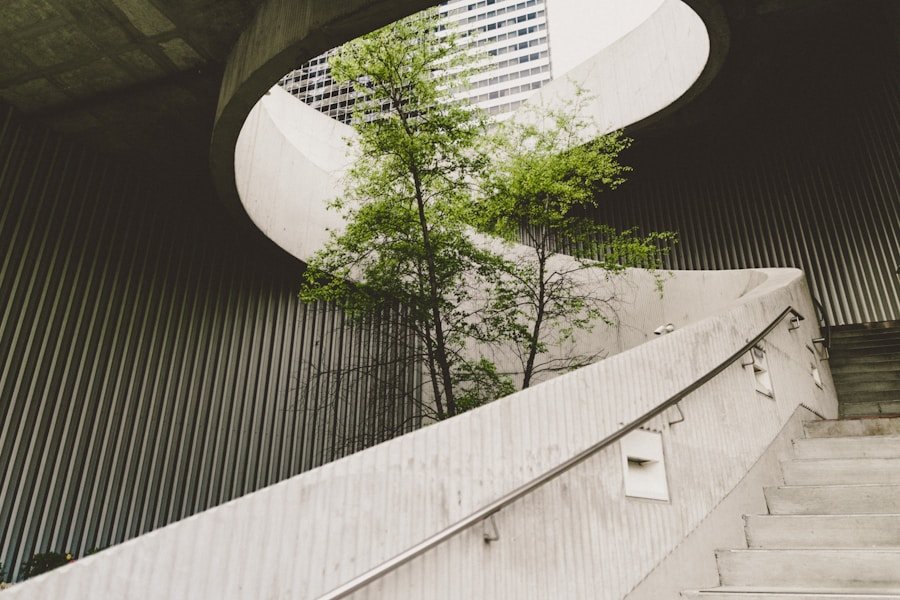
Dubai’s real estate landscape is undergoing a significant transformation, with a growing emphasis on sustainable development. This shift is particularly evident in the luxury villa market, where eco-friendly designs and practices are becoming increasingly prevalent. Developers are responding to a rising demand for properties that offer premium amenities while minimizing environmental impact. This article explores the various facets of this evolving trend, examining the architectural innovations, technological integrations, community planning, economic considerations, and regulatory frameworks that are shaping luxury sustainable living in Dubai.
Architectural Innovation and Design Principles
The construction of eco-friendly luxury villas in Dubai relies heavily on innovative architectural approaches. These designs move beyond superficial greenwashing, integrating sustainability from the initial concept phase. The aim is to create structures that are both aesthetically pleasing and inherently efficient.
Passive Design Strategies
Passive design is a cornerstone of sustainable architecture in Dubai. Given the region’s extreme climate, these strategies are crucial for reducing reliance on active cooling systems.
- Orientation: Villas are meticulously oriented to minimize direct solar gain on large window facades, particularly during peak sunlight hours. This often involves positioning living spaces to benefit from north-facing light, which is more diffuse and cooler.
- Shading: A variety of shading elements are incorporated, including deep overhangs, strategically placed pergolas, and vertical louvers. These features block direct sunlight while still allowing for natural light penetration.
- Thermal Mass: Materials with high thermal mass, such as concrete or local stone, are frequently used in walls and roofs. These materials absorb heat during the day and release it slowly at night, helping to regulate indoor temperatures and reduce cooling loads.
- Natural Ventilation: Designs often incorporate cross-ventilation principles and stack effect ventilation. Operable windows, strategically placed vents, and courtyards facilitate natural airflow, reducing the need for mechanical ventilation.
Material Selection and Sourcing
The choice of building materials plays a critical role in the environmental footprint of luxury villas. Developers are increasingly prioritizing materials that are both high-quality and sustainable.
- Low-Embodied Energy Materials: Preference is given to materials whose production requires less energy. Examples include recycled steel, reclaimed timber, and locally sourced aggregates, which also reduce transportation emissions.
- Sustainable Timber: When timber is used, it often originates from sustainably managed forests, certified by organizations like the Forest Stewardship Council (FSC). This ensures responsible harvesting practices and reforestation efforts.
- Recycled Content: Building components incorporating recycled materials, such as recycled glass for insulation or recycled plastic composites for decking, are seeing increased adoption.
- Non-Toxic Finishes: Interior finishes, paints, and adhesives are selected for their low volatile organic compound (VOC) content. This contributes to better indoor air quality for residents.
Technological Integration for Efficiency
Beyond passive design, sustainable luxury villas in Dubai extensively leverage advanced technologies to optimize energy and water consumption. These systems provide both environmental benefits and operational cost savings.
Renewable Energy Systems
The abundant sunlight in Dubai makes solar energy a natural fit for sustainable developments. Villas often integrate photovoltaic systems as a primary or supplementary power source.
- Rooftop Solar Panels: Photovoltaic (PV) panels are commonly installed on villa rooftops, generating electricity for household use. Excess energy can often be fed back into the grid, depending on local regulations.
- Solar Water Heaters: Thermal solar collectors are used to heat domestic hot water, significantly reducing the energy required compared to electric water heaters.
- Battery Storage: Some developments incorporate battery storage solutions. These systems store surplus solar energy generated during the day for use at night or during periods of low sunlight, enhancing energy independence.
Smart Home Automation
Integrated smart home systems are not just for convenience; they are pivotal tools for managing and optimizing resource usage.
- Energy Management Systems: These systems monitor and control lighting, air conditioning, and appliances. They can be programmed to adjust settings based on occupancy, time of day, and external weather conditions, minimizing energy waste.
- Occupancy Sensors: Lights and HVAC systems can be linked to occupancy sensors, automatically turning off in unoccupied rooms.
- Automated Shading: Motorized blinds and awnings can be integrated with environmental sensors to automatically adjust, providing shade when needed and allowing sunlight in during cooler periods, further optimizing thermal performance.
- Water Leak Detection: Smart sensors can detect water leaks early, preventing significant waste and potential property damage.
Water Conservation Technologies
Given Dubai’s arid climate, water conservation is a paramount concern for sustainable developments. Villas incorporate various technologies to reduce potable water consumption.
- Greywater Recycling: Systems that collect and treat water from sinks, showers, and laundry for non-potable uses, such as toilet flushing and irrigation, are becoming standard.
- Rainwater Harvesting: While rainfall is infrequent, systems are designed to capture and store rainwater from roofs for landscape irrigation.
- Efficient Irrigation Systems: Drip irrigation and smart irrigation controllers, which adjust watering schedules based on soil moisture and weather forecasts, significantly reduce water usage for landscaping.
- Low-Flow Fixtures: Toilets, showers, and faucets are specified with low-flow capabilities, minimizing water consumption without compromising user experience.
Sustainable Community Planning and Infrastructure
The impact of a sustainable luxury villa extends beyond its individual plot. The broader community planning and infrastructure play a crucial role in fostering a truly eco-friendly lifestyle.
Green Spaces and Biodiversity
Developers are integrating extensive green spaces into their master plans, recognizing their environmental and social benefits.
- Native Landscaping: Prioritizing native and drought-resistant plant species in landscaping minimizes irrigation needs and supports local biodiversity. These plants are often better adapted to the climate and generally require less maintenance.
- Parks and Gardens: Dedicated parks, open green areas, and communal gardens offer residents spaces for recreation and relaxation, enhancing community well-being and providing ecological benefits.
- Wildlife Habitats: Design considerations sometimes include features that provide habitats for local wildlife, such as bird boxes or specific planting to attract pollinators.
Integrated Waste Management
Effective waste management is a key component of sustainable communities, aiming to minimize landfill contributions.
- Segregated Waste Collection: Villas and communities are equipped with systems for segregating waste into recyclables, organic waste, and general waste, facilitating efficient processing.
- Composting Facilities: Some developments feature communal composting facilities for organic waste, which can then be used to enrich community gardens.
- Waste-to-Energy Initiatives: While less common at the individual development level, some larger, master-planned communities contribute to or benefit from broader waste-to-energy initiatives implemented by the emirate.
Walkability and Alternative Transportation
Reducing reliance on private vehicles is a goal in many sustainable communities, promoting healthier lifestyles and lowering carbon emissions.
- Pedestrian-Friendly Layouts: Communities are designed with extensive pedestrian pathways, cycle routes, and accessible sidewalks, encouraging walking and cycling.
- Proximity to Amenities: Often, sustainable luxury villa communities are strategically located near essential services, retail outlets, and public transport hubs, reducing the need for long car journeys.
- Electric Vehicle Charging: Common areas and sometimes individual villas are equipped with electric vehicle (EV) charging stations, supporting the transition to lower-emission transport.
Economic and Market Drivers
The rise of sustainable luxury villas in Dubai is not purely altruistic; it is also driven by sound economic and market forces. Developers and buyers are recognizing the tangible benefits of sustainable properties.
Property Value and Investment Return
Sustainable features are increasingly seen as value enhancers in the real estate market.
- Higher Resale Value: Properties with strong eco-credentials often command higher resale values compared to conventional homes. Buyers are willing to pay a premium for features that offer long-term financial benefits and a reduced environmental footprint.
- Attractive to Investors: Investors are increasingly looking to allocate capital to green assets. Sustainable villas represent a forward-thinking investment that aligns with global environmental, social, and governance (ESG) trends.
- Reduced Operating Costs: Energy and water efficiency lead to significantly lower utility bills over the long term. This financial saving is a major draw for discerning buyers, making the overall cost of ownership more attractive.
Regulatory Support and Incentives
The Dubai government has been instrumental in promoting sustainable development through various policies and incentives.
- Green Building Regulations: Dubai has implemented comprehensive green building regulations, such as Al Safat, which mandate specific sustainable practices in construction. These regulations set benchmarks for energy efficiency, water conservation, and material usage.
- Developer Incentives: While direct financial incentives vary, the regulatory framework often streamlines approval processes or offers other non-monetary benefits for projects that exceed minimum sustainability standards.
- International Accreditations: Developers often seek international certifications like LEED (Leadership in Energy and Environmental Design) or Estidama, which further enhance the marketability and credibility of their sustainable villas.
Buyer Demand and Lifestyle Trends
A significant driver for sustainable luxury villas is the evolving preferences of affluent buyers.
- Environmental Consciousness: A growing segment of luxury buyers is acutely aware of environmental issues and seeks to minimize their personal impact. Sustainable homes align with their values and offer a guilt-free luxury experience.
- Health and Wellness: Sustainable homes often offer superior indoor air quality, natural light, and access to green spaces, which are all components of a desirable healthy living environment. This focus on well-being is a key differentiator.
- Future-Proofing: Buyers recognize that properties built with sustainability in mind are more resilient to future regulatory changes, resource scarcity, and climate impacts, providing a sense of security and long-term value.
Challenges and Future Outlook
| Villa Name | Location | Size (sq ft) | Energy Efficiency Rating | Water Conservation Features |
|---|---|---|---|---|
| Green Oasis Villa | Dubai Hills Estate | 5,000 | LEED Platinum | Greywater recycling system |
| EcoLux Villa | Al Barari | 7,500 | LEED Gold | Rainwater harvesting system |
| Sustainable Haven Villa | Dubai Sustainable City | 6,200 | Estidama 5 Pearl | Solar panels for water heating |
While progress is evident, the path to fully sustainable luxury living in Dubai is not without its challenges. However, the trajectory suggests a strong commitment to overcoming these obstacles.
Cost vs. Value Perception
The initial investment for sustainable features can sometimes be higher than for conventional construction.
- Perceived Upfront Costs: Some developers and buyers may initially baulk at the higher upfront costs associated with premium sustainable materials and advanced technologies.
- Long-Term Savings Education: The challenge lies in effectively communicating the significant long-term operational savings and enhanced property value that offset these initial costs. This requires a robust educational effort for potential buyers.
- Supply Chain Development: Ensuring a consistent and cost-effective supply chain for advanced green building materials and technologies in the region is an ongoing effort.
Integration of Smart Grid and Infrastructure
Maximizing the benefits of individual sustainable villas requires a broader interconnected infrastructure.
- Grid Modernization: To fully integrate renewable energy sources from individual villas, Dubai’s power grid needs continuous modernization to handle distributed generation and bi-directional energy flow efficiently.
- District Cooling Optimization: While district cooling is efficient, optimizing its integration with individual villa smart systems to prevent redundant cooling or heating efforts is crucial for overall energy efficiency.
- Water Infrastructure Resilience: As water recycling and alternative sources become more prevalent, the supporting infrastructure for collection, treatment, and distribution needs to evolve accordingly.
Continuous Innovation and Standards Evolution
The field of sustainable building is dynamic, requiring continuous adaptation and improvement.
- Research and Development: Ongoing investment in R&D for new materials, energy-efficient systems, and construction techniques is vital to push the boundaries of sustainability.
- Evolving Standards: Green building certifications and regulations, like Al Safat, must continually evolve to incorporate the latest advancements and reflect best practices.
- Consumer Education: A persistent effort is needed to educate the market on the benefits of sustainable living, driving demand and fostering a greater understanding of the nuances involved.
In conclusion, the emergence of eco-friendly luxury villas in Dubai represents more than just a trend; it signifies a fundamental shift in the emirate’s real estate trajectory. These villas are not merely structures but rather living embodiments of a commitment to a more responsible and resilient future. They bridge the gap between opulence and environmental stewardship, demonstrating that luxury need not come at the expense of ecological balance. For residents, they offer a sanctuary where advanced technology orchestrates comfort and efficiency, and design seamlessly integrates with nature. For the market, they are a beacon, illuminating the economic viability and long-term benefits of sustainable practices. As Dubai continues its ambitious development, these green villas stand as tangible proof that a luxurious life and a lighter environmental footprint can, and indeed must, coexist.