
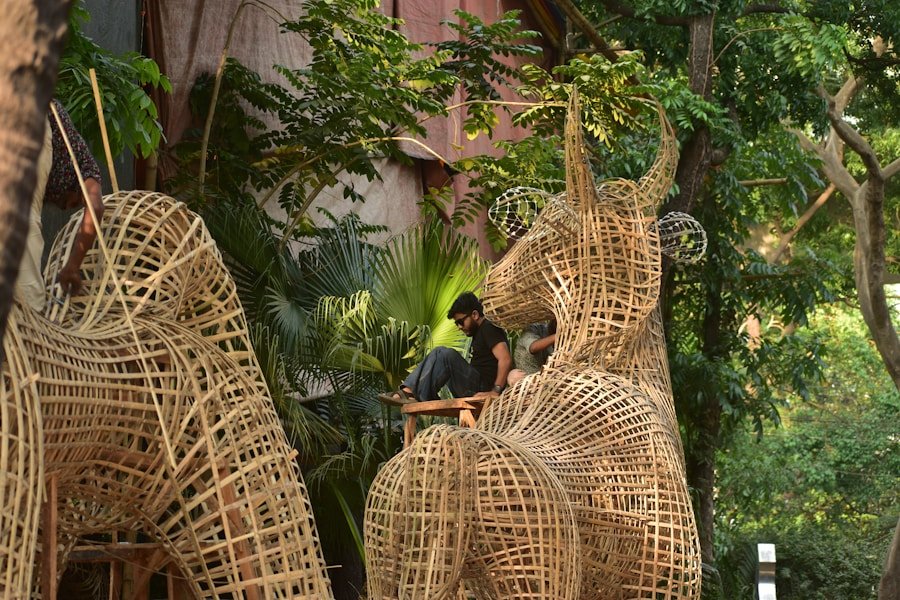
The art scene in Dubai is experiencing a shift, with galleries increasingly showcasing works that engage with environmental themes and utilize sustainable practices. This movement, though still in nascent stages, represents a growing awareness among artists and collectors about the ecological footprint of artistic creation and presentation. This article examines the emergence of eco-friendly art in Dubai’s galleries.
The Seeds of Sustainability: Early Influences and Emerging Trends
The initial forays into environmentally conscious art in Dubai were not always explicitly labeled as such. Rather, they were often born from artists’ personal connections to nature, their observations of urban development, or their engagement with global environmental dialogues. These early works, while perhaps not overtly “green” in their materials or production, laid the groundwork for a more formalized approach.
Nature as Subject Matter: From Desert Landscapes to Urban Ecology
Dubai’s unique environment, characterized by its arid desert landscape and ambitious urban expansion, has long been a source of inspiration for artists. Early artistic depictions often focused on the stark beauty of the desert, its resilience, and its inherent fragility. As the city transformed into a sprawling metropolis, artists began to incorporate the nuances of urban ecology into their work. This could manifest as observations of the limited green spaces, the impact of construction on natural habitats, or the coexistence of natural elements within an artificial environment. While these works were not always “eco-friendly” in their creation, by drawing attention to the environment, they served as a crucial precursor to the current wave of sustainable art.
Documenting Environmental Change
Some artists utilized their canvases and sculptures as a means to document the environmental changes occurring in and around Dubai. This could involve capturing the ephemeral beauty of sand dunes before they were leveled for development, or portraying the impact of industrialization on coastal areas. These artistic documentations, much like a scientist’s field notes, provided a visual record of environmental shifts, often eliciting a sense of nostalgia or concern from viewers.
The Human-Nature Interface
Another significant thread involved exploring the complex relationship between humans and nature in an urbanizing context. Artists examined how natural elements persisted or adapted within the city, or conversely, how human activities reshaped the natural world. These explorations often touched upon themes of man-made versus natural, artificiality versus authenticity, and the potential for harmony or conflict between the two.
Global Dialogue and Local Application
The growing international discourse around climate change and environmental degradation inevitably filtered into Dubai’s art circles. As artists globally began to adopt more sustainable practices, this awareness began to permeate the local scene. While direct emulation might not have been immediate, the principles of mindful material use and reduced environmental impact slowly gained traction.
The Influence of International Exhibitions
Major international art fairs and biennials held in or accessible to Dubai often feature artists whose work directly addresses environmental concerns. These exhibitions serve as conduits for new ideas and methodologies, exposing local artists and curators to global trends in sustainable art. While Dubai itself might not have had a long history of explicitly eco-friendly art exhibitions, the exposure to such global dialogues provided fertile ground for local adaptation and innovation.
Shifting Collector Perceptions
As environmental consciousness becomes more prevalent across various sectors, collectors’ perspectives also begin to shift. While aesthetic appeal and investment value remain paramount, a growing segment of collectors are demonstrating an interest in works that carry a message or reflect ethical considerations. This nascent demand can, in turn, encourage galleries to feature more environmentally conscious art.
Defining Eco-Friendly Art in the Dubai Context
The concept of “eco-friendly art” can encompass a broad spectrum of practices. In Dubai’s galleries, this definition is evolving and being shaped by local realities. It goes beyond simply depicting nature to actively considering the environmental impact of the artwork itself, from its creation to its exhibition.
Materiality and Sourcing: Beyond Traditional Pigments
The choice of materials is a cornerstone of eco-friendly art. This involves moving away from conventional, potentially harmful materials and embracing sustainable alternatives. For artists in Dubai, this can present unique challenges and opportunities given the local climate and availability of resources.
Recycled and Upcycled Materials
A prominent approach involves the creative reuse of discarded materials. This can range from industrial waste and pre-consumer scrap to everyday objects that have reached the end of their functional life. Artists might transform plastics into intricate sculptures, use discarded textiles for collages, or repurpose metal scraps into evocative forms. The act of giving new life to these materials inherently reduces waste and minimizes the need for virgin resources.
Biodegradable and Renewable Resources
Another avenue is the utilization of naturally occurring, biodegradable, or renewable materials. This could include plant-based fibers, natural dyes, ethically sourced wood, or even creations made from organic matter that will eventually decompose. The challenge here lies in ensuring the longevity and durability of such works within Dubai’s challenging climate, which can accelerate degradation.
Minimizing Toxic Components
A crucial aspect is the deliberate avoidance of materials known to be toxic or harmful to the environment and human health. This includes certain paints, solvents, glues, and preservation agents. Artists are increasingly researching and opting for water-based paints, eco-friendly varnishes, and natural adhesives, thereby creating safer exhibition spaces and a reduced ecological footprint for their creations.
Production Processes and Carbon Footprint
Beyond the materials themselves, the very process of creating art contributes to its environmental impact. Eco-friendly art seeks to minimize this impact.
Energy Efficiency in Studios
Artists are becoming more mindful of their energy consumption in their studios. This can involve utilizing natural light as much as possible, opting for energy-efficient equipment, and adopting studio practices that require less power. While individual studio practices might seem small, collectively they contribute to a larger reduction in the art world’s energy demands.
Localized Production and Transportation
The transportation of art materials and finished artworks contributes significantly to carbon emissions. Eco-friendly art often prioritizes localized sourcing of materials and, where feasible, local production, thereby reducing the distances involved. This also fosters a connection to local craftsmanship and resources, supporting the regional art ecosystem.
Water Conservation
In a region where water is a precious resource, artists are also exploring ways to conserve water in their creative processes. This could involve adopting water-saving techniques in the use of paints, for instance, or re-evaluating traditional techniques that require significant water usage.
Galleries as Catalysts: Fostering Eco-Conscious Practices
Dubai’s art galleries play a vital role in shaping the eco-friendly art movement, acting as platforms for showcasing these works and educating the public. Their decisions regarding exhibition selection, space utilization, and operational practices contribute to the broader sustainability agenda.
Exhibition Design and Curation
The way an exhibition is conceptualized and presented has a direct environmental impact. Galleries are beginning to integrate sustainability into their exhibition design.
Sustainable Display Materials
This includes the choice of materials used for display structures, signage, and even lighting. Opting for recycled cardboard, sustainable wood, or reusable display systems can significantly reduce waste. Similarly, considering the energy efficiency of lighting systems is becoming a standard practice.
Minimalist and Reusable Displays
A move towards minimalist exhibition designs that rely on fewer materials and are easily deconstructed and reused for future exhibitions also contributes to sustainability. This approach not only reduces waste but can also create a more focused and impactful viewing experience for the art.
Communicating Environmental Messages
Galleries have an opportunity to use their exhibitions as a platform for educating visitors about the environmental themes explored in the artworks. This can be done through accompanying texts, artist talks, or interactive displays that explain the sustainable practices employed by the artists.
Operational Sustainability within Galleries
The day-to-day operations of a gallery can also be made more environmentally friendly.
Waste Management and Recycling Programs
Implementing robust waste management and recycling programs within gallery spaces is a fundamental step. This includes proper segregation of waste, composting organic materials where possible, and reducing the use of single-use plastics for events and operations.
Energy and Water Efficiency in Facilities
Galleries are increasingly looking at ways to reduce their energy and water consumption. This can involve upgrading to LED lighting, installing water-efficient fixtures, and implementing smart energy management systems. In Dubai’s climate, energy efficiency, particularly for cooling, is a critical consideration.
Promoting Sustainable Art Events
When hosting events, galleries can make conscious choices to minimize their environmental impact. This might involve opting for caterers with sustainable practices, reducing printed materials, and encouraging public transport or carpooling among attendees.
Artist Support and Development
Galleries can actively foster the growth of eco-friendly art by supporting artists who adopt these practices.
Providing Resources and Information
This could involve offering artists access to information on sustainable materials and techniques, or even creating partnerships with organizations that supply eco-friendly art supplies.
Commissioning Eco-Conscious Works
Galleries can play a crucial role in commissioning new works that explicitly incorporate environmental themes or sustainable production methods. This provides artists with the financial and logistical support to explore these avenues more fully.
Mentorship and Networking Opportunities
Facilitating mentorship and networking opportunities among artists and professionals within the eco-friendly art sphere can help to build a stronger community and collective knowledge base.
Challenges and Opportunities in the Dubai Art Ecosystem
The journey towards a more sustainable art scene in Dubai is not without its hurdles, but these challenges also present significant opportunities for innovation and growth.
Climatic Considerations: The Arid Environment
Dubai’s arid climate poses unique challenges for the preservation and display of artworks, especially those made from organic or biodegradable materials. The intense heat and low humidity require careful climate control, which itself consumes energy.
Material Degradation and Longevity
Finding materials that can withstand the local climate while remaining environmentally friendly is a constant balancing act. Artists and conservators must be knowledgeable about the properties of various materials and develop innovative solutions to ensure the longevity of their eco-conscious creations.
Energy Demands for Climate Control
The high energy demand for air conditioning and humidity control in galleries and storage facilities presents a significant challenge for reducing the overall carbon footprint of the art sector. Exploring renewable energy sources and energy-efficient cooling technologies becomes paramount.
Sourcing Sustainable Materials Locally
While the global market for sustainable art supplies is growing, sourcing these materials locally in Dubai can be challenging. This often means relying on imported goods, which can negate some of the environmental benefits due to transportation emissions.
Developing Local Supply Chains
There is an opportunity to foster the development of local supply chains for eco-friendly art materials. This could involve supporting local artisans who work with natural dyes, encouraging the production of recycled materials within the UAE, or facilitating partnerships with businesses that prioritize sustainability.
Bridging the Gap with International Suppliers
Until robust local supply chains are established, galleries and artists will continue to rely on international suppliers. The focus then shifts to optimizing shipping logistics and exploring more sustainable transportation methods, such as sea freight over air freight.
Public Perception and Market Demand
The market for eco-friendly art is still developing in Dubai. Shifting public perception and building a consistent demand for these works are crucial for their continued proliferation.
Educating Collectors and the Public
Galleries and art institutions have a key role to play in educating collectors and the general public about the value and importance of eco-friendly art. This involves highlighting the environmental benefits and the artistic merit of these works, moving beyond simply viewing them as decorative objects.
The Role of Art Fairs and Biennials
Major art events in Dubai can serve as significant platforms for showcasing eco-friendly art to a wider audience. Strategic programming and curatorial choices within these events can elevate the profile of sustainable art and influence collector preferences.
Encouraging Investment in Green Art
As awareness grows, there is potential for increased investment in eco-friendly art. This could be spurred by a combination of aesthetic appeal, the artist’s message, and an understanding of the ethical and environmental considerations. Investment in sustainable art can be seen as an investment in a more responsible future.
The Future Landscape: Towards a Greener Artistic Horizon
| Art Galleries | Number of Eco-Friendly Artworks | Percentage of Eco-Friendly Artworks |
|---|---|---|
| Galerie Michaela Stock | 25 | 40% |
| The Third Line | 18 | 30% |
| Lawrie Shabibi | 12 | 20% |
| Carbon 12 | 10 | 16% |
The rise of eco-friendly art in Dubai is not merely a fleeting trend but a reflection of a deeper, evolving consciousness within the art world. As artists, galleries, and collectors increasingly prioritize environmental responsibility, the landscape of Dubai’s art scene is poised for a significant transformation.
Collaborative Initiatives and Partnerships
The future of eco-friendly art in Dubai will likely be shaped by increased collaboration. This could involve partnerships between galleries and environmental organizations, alliances between artists and researchers, or joint initiatives between the public and private sectors to promote sustainable art practices.
Cross-Sectoral Art-Science Collaborations
The synergy between art and science holds immense potential. Collaborations could explore how artistic interventions can help visualize complex environmental data, or how scientific research can inform the development of new sustainable art materials and techniques.
Community Engagement Programs
Developing community engagement programs centered around eco-friendly art can foster broader awareness and participation. This might include workshops on sustainable art-making for schools and families, or public art installations that highlight environmental issues.
Technological Innovations and Artistic Mediums
Advancements in technology will undoubtedly play a role in shaping the future of eco-friendly art. This opens up new avenues for artistic expression and sustainable practices.
Digital Art and Virtual Exhibitions
The rise of digital art and virtual exhibitions offers a compelling alternative to physical exhibitions, significantly reducing the environmental impact associated with material production, transportation, and venue energy consumption. This medium allows for boundless creative expression without a physical footprint.
Bioplastics and Biodegradable Technologies
Ongoing research and development in biomaterials, such as bioplastics and biodegradable composites, hold promise for the creation of more sustainable art mediums. Artists could potentially work with materials that are both novel and environmentally responsible, leaving a lighter mark on the planet.
Augmented Reality (AR) and Virtual Reality (VR)
AR and VR technologies can be utilized to create immersive and interactive art experiences that do not require the physical display of artworks. This presents innovative ways to engage audiences with art and its underlying messages, minimizing the need for physical resources.
A Role for Policy and Institutional Support
For eco-friendly art to truly flourish, supportive policies and institutional frameworks will be essential. This ensures that sustainability is not merely an artist’s initiative but an embedded aspect of the art ecosystem.
Government Incentives for Sustainable Practices
Governments and cultural authorities could implement incentives for galleries and artists who adopt sustainable practices. This could include grants for eco-friendly materials, tax breaks for energy-efficient studios, or funding for exhibitions that focus on environmental themes.
Incorporating Sustainability into Art Education
Integrating sustainability into art education curricula at all levels is crucial for nurturing future generations of environmentally conscious artists and art professionals. This education will imbue the next wave of creatives with a foundational understanding of their environmental responsibilities.
Establishing Standards and Certifications
The development of recognized standards or certification for eco-friendly art practices could help provide clarity and credibility. This would assist galleries, collectors, and the public in identifying and supporting artworks and practices that meet certain environmental criteria, acting as a compass for ethical artistic endeavors.
The journey of eco-friendly art in Dubai is a compelling narrative of adaptation, innovation, and growing responsibility. As the city continues its remarkable development, the integration of environmental consciousness into its vibrant art scene offers a beacon of hope, demonstrating that artistic expression and ecological stewardship can indeed flourish in synergy. This evolving landscape suggests a future where creativity not only enriches our visual culture but also contributes to a healthier planet, painting a more sustainable future with every stroke and form.