
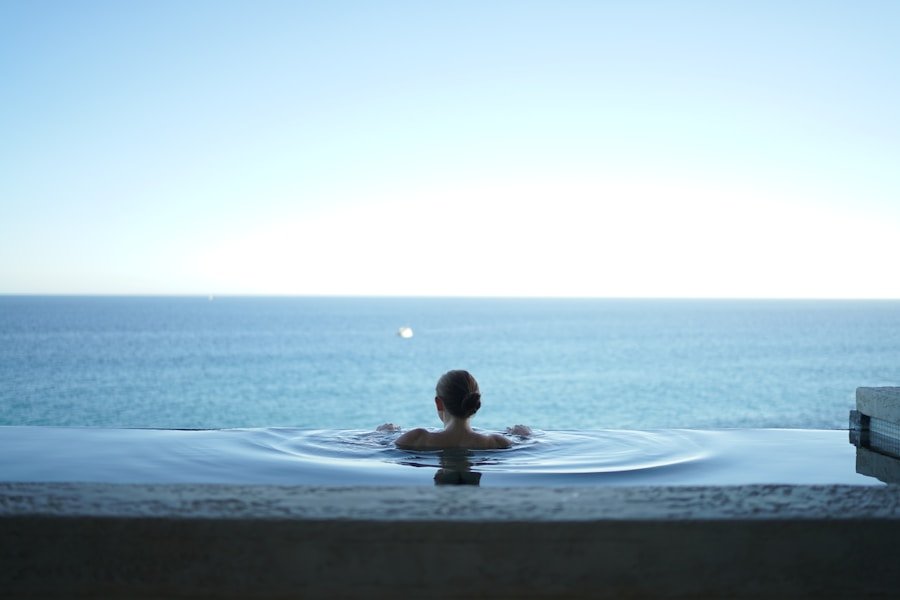
The landscape of luxury living in Dubai is undergoing a notable transformation, moving beyond opulence for its own sake to incorporate comprehensive well-being. This shift is evident in the emergence and increasing prominence of holistic wellness centers, which integrate various aspects of health into residential and hospitality offerings. These centers present a departure from traditional luxury, focusing on physical, mental, and spiritual harmony as foundational elements of a premium lifestyle.
The Evolution of Luxury in Dubai
Dubai’s reputation as a hub for luxury development is well-established. Historically, this has manifested in grand architecture, exclusive amenities, and superlative services. However, market trends indicate a growing demand for experiences that offer more than material comfort. Discerning consumers are increasingly seeking environments that actively contribute to their personal growth and long-term health. The concept of luxury is broadening, encompassing not just what one possesses, but how one feels and functions.
From Opulence to Well-being
The initial phase of luxury development in Dubai emphasized scale and grandeur. Think towering skyscrapers and sprawling resorts. While impressive, these offerings often prioritized external display over intrinsic benefit. The current evolution sees developers integrating wellness not as an afterthought, but as a core design principle. This means that instead of merely providing a gym, facilities are now designed to foster a complete wellness journey. The shift is from a superficial layer of luxury to a deeper, more integrated experience.
Market Drivers and Consumer Demand
Several factors are propelling this evolution. A global increase in health consciousness, exacerbated by recent public health concerns, has made personal well-being a top priority for many. Additionally, a segment of affluent consumers is actively seeking preventative health measures and alternative therapies. They are looking for environments that support a balanced lifestyle, stress reduction, and mental clarity. This demand is not confined to a specific demographic; it extends across age groups and nationalities within Dubai’s diverse populace. As such, the market is responding with tailored solutions that cater to these nuanced preferences.
Defining Holistic Wellness Centers
Holistic wellness centers in Dubai are distinguished by their integrated approach to health. Unlike conventional spas or fitness centers, they aim to address the interconnectedness of mind, body, and spirit. This multi-faceted perspective dictates the design, services, and overall ethos of these establishments. They are not merely collections of amenities but carefully curated ecosystems designed to foster comprehensive well-being.
Interdisciplinary Approaches to Health
At the core of these centers is an embrace of interdisciplinary practices. This means moving beyond a sole focus on physical fitness to incorporate elements of mental health, nutritional science, and spiritual practices. You will find offerings that span from advanced medical diagnostics to ancient healing traditions. For instance, a center might combine personalized fitness training with mindfulness meditation, nutritional counseling, and energy healing. This tapestry of offerings is designed to address an individual’s needs from multiple angles, acknowledging that a deficiency in one area can impact overall well-being.
Integration with Residential and Hospitality Projects
A key characteristic of Dubai’s holistic wellness centers is their integration into larger residential and hospitality developments. This is not simply about having a wellness facility on site. It involves weaving wellness principles into the very fabric of the living or visiting experience. For residents, this translates to homes designed with elements like optimized air quality, circadian rhythm lighting, and access to fresh, healthy produce. For hotel guests, it means personalized wellness itineraries, mindful dining options, and access to expert practitioners throughout their stay. This integration ensures that wellness is not an isolated activity but a pervasive element of one’s environment.
Key Components and Services
The specific offerings within holistic wellness centers are diverse, but certain core components are consistently present. These elements collectively contribute to the comprehensive well-being experience that defines these establishments.
Mind-Body Practices
Mind-body practices form a cornerstone of these centers. This category encompasses activities designed to enhance mental clarity, emotional balance, and physical flexibility. You can expect to find dedicated studios for various forms of yoga, including Vinyasa, Hatha, and restorative styles. Pilates, known for its focus on core strength and posture, is also a standard offering. Meditation rooms, often designed with specific ambient lighting and soundscapes, provide spaces for guided or self-directed practice. Some centers incorporate mindfulness workshops, breathwork sessions, and even specialized sound healing therapies, utilizing gongs, singing bowls, or tuning forks to induce relaxation. These practices serve as anchors, helping individuals to reconnect with their inner selves in a often fast-paced external environment.
Advanced Fitness and Movement Therapies
Beyond standard gym equipment, these centers feature state-of-the-art fitness facilities that often integrate technology with personalized coaching. Expect to see highly specialized personal training with certified experts, often incorporating functional fitness, strength and conditioning, and endurance training. Movement therapies, such as corrective exercise and injury rehabilitation programs, are also common. Facilities often include swimming pools designed for therapeutic use, as well as specialized studios for dance, martial arts, or other forms of expressive movement. The emphasis here is on intelligent movement, tailored to individual physiological needs and goals, rather than just physical exertion.
Nutritional Guidance and Culinary Offerings
Nutrition plays a pivotal role in holistic well-being. Centers offer personalized nutritional consultations, where dieticians and nutritionists provide bespoke meal plans and dietary advice. This often extends to addressing specific health conditions, food sensitivities, or performance goals. Integrated culinary experiences are also a hallmark. These might include farm-to-table restaurants emphasizing organic and locally sourced ingredients, cooking classes focused on healthy meal preparation, and juice bars offering nutrient-dense concoctions. The aim is to educate and empower individuals to make informed dietary choices that support their overall health and vitality. This goes beyond simply offering “healthy” options; it’s about a deep understanding of food as medicine.
Alternative and Complementary Therapies
Many holistic wellness centers incorporate a range of alternative and complementary therapies. These often draw from ancient traditions or less conventional medical practices. Examples include Ayurveda, a traditional Indian system of medicine focusing on balancing doshas, through diet, herbal remedies, and lifestyle practices. Traditional Chinese Medicine (TCM), which might include acupuncture, herbal medicine, and cupping, is also often available. Hydrotherapy, involving the use of water for therapeutic purposes in various forms like Watsu (water shiatsu) or thalassotherapy, is another common inclusion. Other offerings may range from chiropractic care and osteopathy to reiki and energy healing, all with the aim of promoting natural healing and restoring balance within the body.
Architectural and Environmental Design
The design of holistic wellness centers is not merely aesthetic; it is an integral part of the wellness experience. Architecture and environmental design are carefully considered to create spaces that promote calm, connection, and healing.
Biophilic Design Principles
Biophilic design is a prominent feature, seeking to connect inhabitants with nature within the built environment. This is achieved through the incorporation of natural light, ventilation, and materials such as wood and stone. Extensive planting, both indoor and outdoor, is used to soften spaces and improve air quality. Water features, like flowing streams or reflective ponds, are often integrated to evoke a sense of tranquility and provide soothing sounds. The goal is to mimic the restorative qualities of natural environments, creating a sense of peace and reducing stress. Imagine walking through a space where the boundaries between indoors and outdoors subtly blur.
Sustainable and Smart Technologies
Sustainability is often embedded in the design and operation of these centers. This includes the use of environmentally friendly building materials, energy-efficient HVAC systems, and water conservation technologies. Smart technologies are also employed to enhance the user experience and optimize well-being. Examples include personalized climate control, circadian lighting systems that adjust to natural light cycles to support sleep patterns, and air purification systems designed to remove allergens and pollutants. These technologies work in harmony with the natural environment to create a clean, comfortable, and supportive space for healing and growth.
The Future Landscape of Wellness Living in Dubai
| Wellness Center Features | Details |
|---|---|
| Spa Facilities | Luxurious spa with massage, sauna, and steam rooms |
| Fitness Center | State-of-the-art gym equipment and personal training services |
| Yoga and Meditation Rooms | Dedicated spaces for yoga and meditation classes |
| Nutrition Counseling | Professional nutritionists offering personalized advice |
| Wellness Programs | Customized wellness programs for residents |
The trajectory of holistic wellness centers in Dubai suggests continued growth and innovation. These developments are not a passing trend but represent a fundamental shift in how luxury is perceived and delivered in the region.
Expanding Beyond Hospitality
While initially prevalent in luxury hotels and resorts, the concept of holistic wellness is increasingly permeating residential developments. Imagine a residential community where every resident has access to an integrated wellness program, where their homes are designed to enhance their health, and where a team of wellness experts is readily available. This future sees wellness amenities becoming standard, moving beyond exclusive enclaves to become a fundamental aspect of high-end urban living.
Personalized and Data-Driven Wellness Journeys
The role of data and personalization will become even more significant. Advanced diagnostics, wearable technology, and AI-driven platforms will allow for highly individualized wellness programs. Instead of generic offerings, you can anticipate bespoke plans that adapt in real-time to your physiological responses, lifestyle changes, and wellness goals. This means a truly dynamic and responsive approach to personal health, where your wellness journey is as unique as your fingerprints. The future is about precision wellness, tailored to your specific genetic makeup and daily needs.
Community and Social Wellness
Beyond individual well-being, there is an increasing recognition of the importance of social connection. Future holistic wellness centers will likely emphasize community-building initiatives, fostering interaction and support among like-minded individuals. This could manifest in communal dining experiences, group workshops, social events centered around wellness themes, and shared green spaces designed for interaction. The understanding is that human connection is a vital component of holistic health, and these centers will increasingly facilitate opportunities for meaningful engagement, transforming them into veritable villages focused on collective flourishing.
In essence, Dubai’s holistic wellness centers are not just about lavish amenities; they represent a carefully considered approach to living that prioritizes comprehensive well-being. They act as sanctuaries in the urban landscape, offering a haven for individuals seeking balance, vitality, and a deeper connection to themselves and their environment. As Dubai continues to evolve, these centers will likely serve as beacons for a new definition of luxury, one that is intrinsically tied to health, harmony, and sustainable living.