
The maritime industry, a cornerstone of global commerce and leisure, is undergoing a significant transformation. As environmental consciousness expands, the luxury yacht sector, particularly in prominent hubs like Dubai, is increasingly integrating eco-friendly innovations into its designs and operations. This article explores the methods by which Dubai-based luxury yacht companies are navigating this shift, embracing sustainability without compromising on the quality and opulence synonymous with the industry.
The Imperative for Sustainable Yachting
The pursuit of luxury has historically carried an environmental footprint. For yachting, this has manifested in emissions, waste generation, and impacts on marine ecosystems. However, a growing awareness of climate change and biodiversity loss has spurred a re-evaluation of established practices.
Environmental Impact of Traditional Yachting
Traditional yacht propulsion systems, predominantly relying on fossil fuels, contribute to atmospheric carbon emissions and air pollution. Ancillary systems, such as generators for onboard amenities, exacerbate this issue. Furthermore, the discharge of wastewater, often containing harmful chemicals, and the improper disposal of solid waste can devastate delicate marine environments. The sheer scale and power of some luxury yachts can also disturb marine life through noise pollution and physical displacement.
Evolving Consumer Demand for Greener Options
The luxury consumer base is not immune to global environmental trends. A discernible shift in preferences is emerging, with clients increasingly seeking products and experiences that align with their values of sustainability and ethical consumption. This demand acts as a significant catalyst for yacht manufacturers to invest in and implement eco-friendly alternatives. Companies that fail to adapt risk alienating a growing segment of their clientele.
Green Propulsion Systems: Powering Progress
The engine room of a yacht represents one of the most critical areas for environmental remediation. Dubai’s luxury yacht builders are actively exploring and integrating advanced propulsion technologies to mitigate their vessels’ ecological impact.
Hybrid and Electric Propulsion
Hybrid systems, combining conventional internal combustion engines with electric motors, offer a flexible approach to reducing fuel consumption and emissions. These systems allow yachts to operate silently on electric power in sensitive areas or at lower speeds, reserving conventional power for longer transits. Fully electric yachts, though currently limited by battery technology and range, are emerging as the ultimate zero-emission solution for coastal cruising and shorter voyages. Advances in battery density and charging infrastructure are gradually broadening their applicability.
Hydrogen Fuel Cell Technology
Hydrogen fuel cells represent a promising frontier in marine propulsion. These systems generate electricity through a chemical reaction between hydrogen and oxygen, producing only water as a byproduct. While the infrastructure for hydrogen production, storage, and bunkering is still developing, several yacht companies are investing in research and development, viewing it as a long-term, genuinely clean energy solution. The challenges include the volume required for hydrogen storage and the energy needed for its production.
Optimization of Hull Design
Beyond the engine itself, the hydrodynamic efficiency of a yacht’s hull plays a pivotal role in reducing fuel consumption. Naval architects are employing sophisticated computational fluid dynamics (CFD) to design hulls that minimize drag and maximize efficiency across various speeds. This includes exploring slenderer forms, bulbous bows, and advanced appendage designs that slice through water with less resistance, thereby demanding less power from the propulsion system.
Sustainable Onboard Systems and Materials
The commitment to sustainability extends beyond the engine room, encompassing every aspect of a luxury yacht’s operation and construction.
Waste Management and Recycling
Modern luxury yachts are incorporating advanced waste management systems. This includes sophisticated compactors and incinerators for solid waste, reducing the volume of refuse that needs to be brought ashore. Greywater and blackwater treatment systems are becoming standard, ensuring that discharged water meets stringent environmental regulations, often exceeding them. Segregated waste collection points throughout the vessel encourage responsible disposal and facilitate recycling.
Renewable Energy Integration
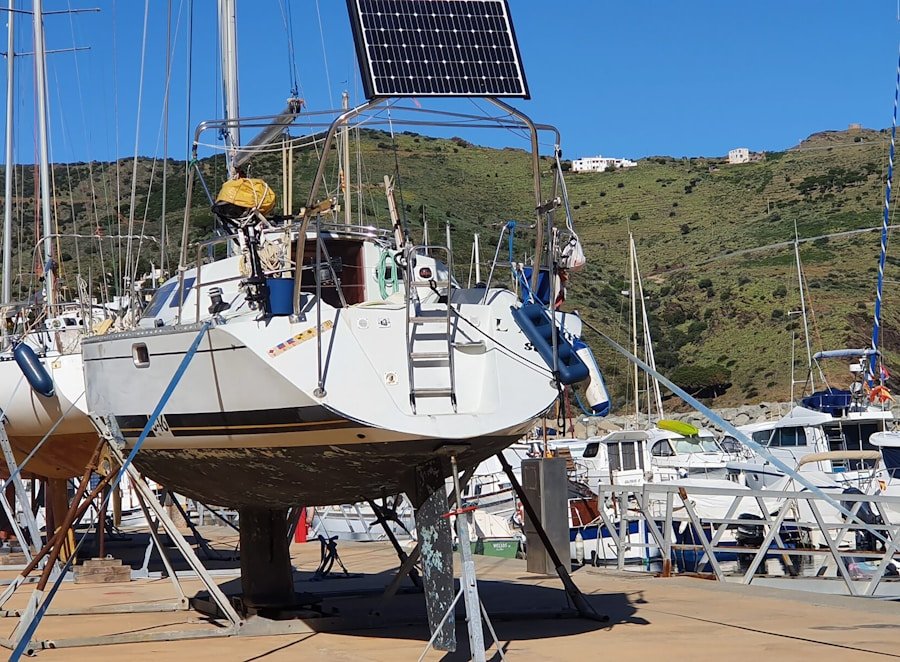
Harnessing natural resources on board is another key area of innovation. Solar panels seamlessly integrated into deck structures or awnings can provide auxiliary power for lighting, communication systems, and other low-power demands. Wind turbines, while less common on high-speed luxury yachts due to aesthetic considerations and efficiency at speed, are being explored for specific vessel types and stationary power generation. These renewable sources reduce reliance on diesel generators, further cutting emissions and noise pollution.
Eco-Friendly Materials and Finishes
The selection of materials during construction and outfitting also contributes significantly to a yacht’s overall sustainability. Companies are increasingly opting for responsibly sourced timber, certified by organizations like the Forest Stewardship Council (FSC). Recycled materials, such as plastics repurposed for decking or interior finishes, are gaining traction. Low-VOC (Volatile Organic Compound) paints, varnishes, and adhesives are utilized to improve indoor air quality and reduce chemical emissions. The entire lifecycle of materials, from production to disposal, is being considered.
Water Conservation and Management
Access to fresh water is a finite resource, and its consumption on board can be substantial. Sustainable yachting practices prioritize minimizing water usage and responsible waste management.
Advanced Water Purification Systems
Desalination technology, while energy-intensive, is crucial for extended voyages. Modern reverse osmosis systems are becoming more efficient, requiring less energy to produce fresh water from seawater. Integration with renewable energy sources further enhances their sustainability. The focus is also on improving filtration systems for potable water, ensuring purity without excessive chemical treatment.
Greywater Recycling
Greywater, sourced from sinks, showers, and laundries, can be treated and recycled for non-potable uses, such as flushing toilets or deck washing. This significantly reduces the demand on freshwater tanks and desalination units, extending the yacht’s self-sufficiency and reducing its environmental impact. The technology involves biological filtration and UV sterilization to ensure hygiene and safety.
Dubai’s Role in Fostering Green Yachting
| Company | Initiative | Impact |
|---|---|---|
| XYZ Yachts | Solar-powered yachts | Reduced carbon emissions |
| ABC Yachting | Recycling and waste management | Minimized environmental impact |
| 123 Yacht Co. | Electric propulsion systems | Decreased reliance on fossil fuels |
Dubai, with its burgeoning maritime industry and commitment to sustainable urban development, is uniquely positioned to lead the charge in green luxury yachting.
Supportive Regulatory Framework
The emirate’s government agencies are increasingly introducing regulations and incentives that encourage environmentally responsible practices across various sectors, including marine. This includes stricter effluent discharge standards, support for renewable energy projects, and a focus on sustainable tourism initiatives that indirectly benefit the eco-yachting movement. Dubai’s strategic location also makes it an ideal hub for developing and testing new technologies within a supportive environment.
Investment in Research and Development
Dubai’s luxury yacht manufacturers and associated maritime technology companies are investing heavily in research and development. This includes collaborations with universities and specialized firms to pioneer new materials, propulsion systems, and energy management solutions. The city’s ambition to be a global innovation hub extends to its maritime sector, attracting talent and resources dedicated to sustainable advancement. These investments are helping to push the boundaries of what is technologically feasible in green yacht design.
World-Class Infrastructure for Green Technologies
The development of sophisticated port infrastructure in Dubai, including plans for alternative fuel bunkering facilities and shoreside power connections, is vital for supporting green yachting. Shore power allows yachts to switch off their generators while docked, dramatically reducing emissions and noise pollution in port areas. As technologies like hydrogen and advanced battery storage mature, Dubai’s ports are preparing to accommodate their unique refueling and recharging requirements. This forward-thinking infrastructure is a critical enabler for the widespread adoption of eco-friendly solutions.
In conclusion, the landscape of luxury yachting in Dubai is undergoing a profound transformation. Companies are not merely responding to regulations but actively embracing eco-friendly innovations as a core business principle. From silent electric propulsion and advanced hydrogen fuel cells to sustainable materials and sophisticated waste management, the industry is charting a course towards a greener future. This journey is a testament to the fact that luxury and sustainability can, and indeed must, coexist. As you, the discerning client or observer of this evolving industry, witness these advancements, be assured that the pursuit of excellence is now inextricably linked with environmental stewardship. The waves of change are propelling the industry forward, ensuring that the beauty and allure of yachting can be enjoyed responsibly for generations to come.