
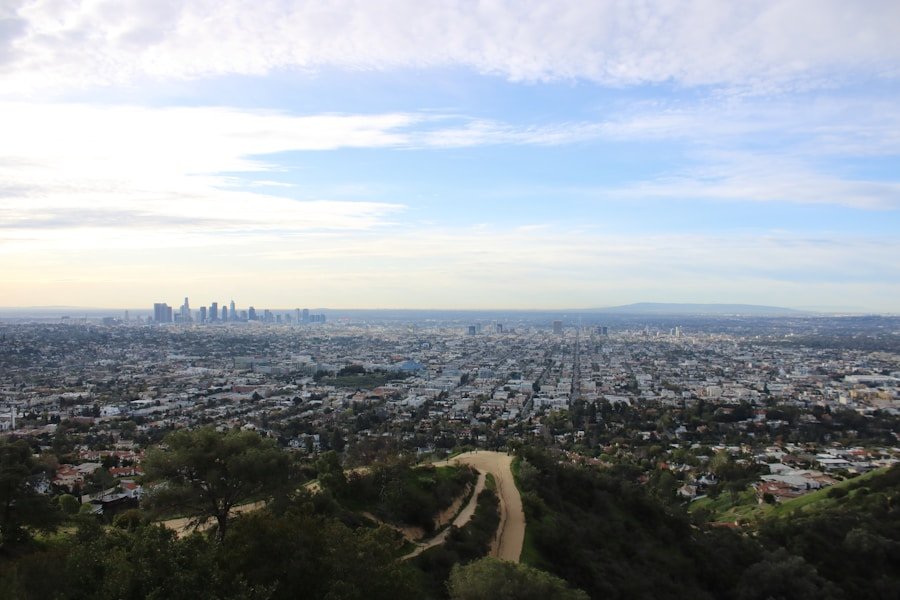
Introduction: The Imperative of Circularity in Urban Development
As global urbanization accelerates, cities like Karachi and Buenos Aires face significant challenges related to resource consumption, waste generation, and environmental degradation. Traditional linear economic models, characterized by “take-make-dispose” approaches, are proving unsustainable in dense urban environments. This article explores how “circular real estate projects” are emerging as a transformative force in these two megacities, moving beyond conventional development paradigms to embrace principles of resource efficiency, waste reduction, and regenerative design. We will examine the practical implementation of these projects, their impact on urban landscapes, and the socio-economic implications of their adoption.
Defining Circular Real Estate
Circular real estate deviates from linear models by integrating circular economy principles into every stage of a building’s lifecycle, from design and construction to operation and deconstruction. This involves practices such as material reuse, recycling, energy efficiency, water conservation, and the creation of closed-loop systems. The goal is to minimize waste, retain material value, and regenerate natural systems, turning waste streams into valuable resources – a true “waste to wealth” transformation.
Global Context for Urban Resilience
The urgency for circular real estate is amplified by climate change and resource scarcity. Cities, as major consumers of resources and producers of waste, are at the forefront of this challenge. The examples of Karachi and Buenos Aires, with their distinct geographical, economic, and social contexts, offer valuable insights into adaptable and scalable solutions for urban resilience in diverse settings. Both cities grapple with informal economies, housing shortages, and the pressures of rapid population growth, making them compelling case studies for innovative urban strategies.
Karachi: Navigating Resource Constraints Through Circularity
Karachi, Pakistan’s largest city and economic hub, is a metropolis of contrasts. Its rapid growth has strained existing infrastructure and resources, creating an urgent need for sustainable development. Circular real estate projects in Karachi are often driven by pragmatic approaches to resource scarcity and the repurposing of available materials.
Upcycling and Material Innovation in Construction
In Karachi, a significant amount of construction and demolition waste often ends up in landfills, contributing to environmental pollution and lost resource value. Circular real estate initiatives are actively working to intercept these waste streams.
Repurposing Construction and Demolition Waste
Developers and community-led projects are increasingly exploring ways to incorporate recycled aggregates from construction and demolition (C&D) waste into new building materials. This practice reduces the demand for virgin materials and diverts substantial volumes of waste from informal dumpsites. For instance, crushed concrete can be used as a base for roads or as an aggregate in new concrete mixtures, reducing the carbon footprint associated with cement production. There are also efforts to sort and reuse bricks, steel, and timber from demolished structures, extending their lifespan and reducing embodied energy.
Innovative Material Development from Local Waste Streams
Beyond traditional C&D waste, some projects are delving into more unconventional waste streams. For example, the use of agricultural waste, such as rice husks or sugarcane bagasse, as insulation or building panels, is being explored. This not only provides a solution for agricultural waste disposal but also offers cost-effective and locally sourced building materials. The challenge lies in standardizing these materials and ensuring their structural integrity and adherence to building codes.
Green Infrastructure and Water Management
Karachi faces chronic water scarcity and recurrent flooding, making integrated water management a critical component of sustainable urban development. Circular real estate projects are addressing these issues through innovative green infrastructure solutions.
Rainwater Harvesting and Greywater Recycling Systems
New developments and retrofitted buildings are incorporating rainwater harvesting systems to capture and store precipitation for non-potable uses, such as irrigation and toilet flushing. This reduces reliance on the already strained municipal water supply. Similarly, greywater recycling systems, which treat wastewater from sinks, showers, and washing machines, are being implemented to provide water for landscaping and other applications, significantly cutting down on freshwater consumption. These systems not only conserve water but also alleviate pressure on the city’s overwhelmed sewage infrastructure.
Bioswales and Permeable Surfaces
To mitigate urban flooding and replenish groundwater, circular projects are integrating bioswales, rain gardens, and permeable pavements into their designs. These features allow rainwater to infiltrate the ground naturally, reducing stormwater runoff and filtering pollutants. The creation of green spaces within developments also contributes to urban cooling and biodiversity, transforming impermeable concrete landscapes into more resilient ecosystems.
Buenos Aires: Integrating Heritage and Modern Circular Principles
Buenos Aires, a city known for its European architectural heritage, is embracing circular economy principles to modernize its urban fabric while preserving its historical character. The focus here often involves sensitive renovation, adaptive reuse, and the integration of sustainable technologies within existing structures.
Adaptive Reuse and Heritage Preservation
The rich architectural history of Buenos Aires presents both opportunities and challenges for circular real estate. Adaptive reuse, which involves repurposing existing buildings for new functions, is a key strategy for reducing embodied carbon and preserving the city’s cultural identity.
Transforming Disused Buildings into Vibrant Spaces
Many underutilized or derelict buildings in central Buenos Aires are being redeveloped into mixed-use facilities, combining residential units, commercial spaces, and cultural institutions. This approach avoids the environmental impact of new construction and breathes new life into neglected urban areas. For example, old industrial warehouses are being converted into loft apartments or co-working spaces, retaining the character of the original structure while updating it for contemporary needs. This process often involves meticulous material salvage and restoration, contributing to a circular flow of resources.
Preserving Architectural Elements Through Restoration
Circular principles also extend to the careful restoration of architectural details. Instead of demolishing and rebuilding, heritage projects focus on repairing and reusing original building components, such as ornate facades, wooden beams, or wrought-iron railings. This not only preserves the aesthetic and historical value of the buildings but also reduces the consumption of new materials and the generation of waste. Skilled artisans play a crucial role in this process, ensuring that traditional techniques and materials are employed.
Energy Efficiency and Renewable Integration
Buenos Aires, like many global cities, is striving to reduce its carbon footprint. Circular real estate projects are at the forefront of integrating energy-efficient designs and renewable energy sources.
Building Performance Optimization
New developments and major renovations are incorporating passive design strategies to minimize energy consumption for heating and cooling. This includes optimizing building orientation, maximizing natural light and ventilation, and utilizing high-performance insulation. The goal is to reduce the reliance on mechanical systems, thereby decreasing operational energy demands. Building management systems are also becoming more sophisticated, allowing for precise control and monitoring of energy use.
On-site Renewable Energy Generation
The adoption of solar panels, both photovoltaic (for electricity) and thermal (for water heating), is increasing in residential and commercial buildings across Buenos Aires. These systems reduce dependence on grid electricity, often generated from fossil fuels, and contribute to a more decentralized energy infrastructure. In some larger developments, small-scale wind turbines or geothermal systems are also being explored, further diversifying the energy mix and embedding renewable energy directly into the urban fabric.
Socio-Economic Impact and Community Engagement
The transformation from waste to wealth in real estate is not solely an environmental endeavor; it also has profound socio-economic implications, particularly in creating local economies and fostering community resilience.
Job Creation and Skill Development
Circular real estate projects generate new employment opportunities across various skill sets. From material sorting and processing to skilled restoration and the installation of green technologies, these projects create a demand for new trades and expertise.
Localized Supply Chains and Green Jobs
The emphasis on local sourcing of recycled materials and the need for specialized labor in deconstruction, refurbishment, and ecological engineering create opportunities for local businesses and workers. This fosters a localized circular economy, reducing transportation costs and emissions while supporting community livelihoods. Training programs are often implemented to equip individuals with the skills required for these emerging “green jobs.”
Empowerment of Informal Sectors
In cities like Karachi, the informal waste collection sector plays a critical role in material recovery. Circular real estate initiatives have the potential to integrate and formalize these often marginalized workers, providing safer working conditions, fair wages, and recognition for their contribution to the circular economy. This transforms their informal economic activity into a dignified and valuable service.
Affordability and Accessibility
Circular real estate can contribute to more affordable housing and infrastructure development, particularly by reducing material costs and optimizing resource use.
Cost Reduction Through Material Reuse
By utilizing recycled and upcycled materials, development costs can be significantly reduced compared to projects relying solely on new, virgin materials. This cost saving can, in turn, be passed on to consumers, making housing and commercial spaces more accessible and affordable. The longevity of circular buildings, designed for adaptability and future reuse, also reduces long-term maintenance and replacement costs.
Community-Led Development and Inclusive Design
Many circular real estate projects, particularly in informal settlements, are community-driven, empowering residents to participate in the design and construction of their own environments. This leads to culturally appropriate and context-specific solutions that address local needs directly. The inclusion of shared green spaces, public amenities, and adaptable building components fosters stronger social cohesion and a sense of ownership among residents.
Policy Frameworks and Future Outlook
| City | Number of Circular Real Estate Projects | Amount of Waste Recycled | Green Space Created |
|---|---|---|---|
| Karachi | 10 | 500 tons | 5 acres |
| Buenos Aires | 8 | 400 tons | 3 acres |
The sustained growth of circular real estate in Karachi and Buenos Aires, and indeed globally, hinges on supportive policy frameworks and a concerted effort from all stakeholders.
Government Initiatives and Regulatory Support
Governments play a pivotal role in creating an enabling environment for circular real estate. This includes developing clear regulations, providing financial incentives, and promoting research and development.
Incentives for Sustainable Development
Tax breaks, subsidies for green building certifications, and preferential lending rates for circular projects can encourage developers to adopt sustainable practices. Governments can also lead by example through circular procurement policies for public infrastructure projects, stimulating demand for recycled materials and circular services. For instance, mandating the use of a certain percentage of recycled content in public construction tenders can drive market transformation.
Waste Management Infrastructure Development
Effective waste management infrastructure, including robust sorting facilities, material recovery centers, and recycling plants, is fundamental to a thriving circular economy. Investments in this infrastructure by municipal authorities are crucial for ensuring that waste streams are effectively diverted and processed into valuable resources, bridging the gap between waste generation and material reuse.
The Road Ahead: Scalability and Replication
While progress is evident, scaling circular real estate projects beyond individual initiatives requires overcoming systemic barriers, such as market resistance, lack of standardized practices, and initial capital investment.
Education and Capacity Building
Raising awareness among consumers, developers, architects, and policymakers about the benefits and feasibility of circular real estate is essential. Educational programs and training initiatives can equip professionals with the necessary knowledge and skills to design, build, and operate circular buildings. This includes fostering interdisciplinary collaboration between designers, engineers, material scientists, and urban planners.
Collaborative Ecosystems
The future of circular real estate lies in fostering collaborative ecosystems involving government bodies, private sector developers, academic institutions, non-governmental organizations, and local communities. Knowledge sharing, joint ventures, and public-private partnerships can accelerate the adoption of circular practices and ensure their broader impact. These collaborations are vital for overcoming the complexities of urban development and for truly transitioning from waste to wealth in a meaningful and sustainable way.