
The evolution of the shopping mall is a fascinating arc, moving from a purely commercial hub to a multifaceted destination that reflects changing societal needs and desires. What began as a practical solution for consumer convenience has transformed into a complex ecosystem, adapting to technological shifts, economic pressures, and a growing emphasis on personal well-being. This article examines this transition, tracing the journey from the era of “retail therapy” to the emergence of the “wellness retreat” within the physical confines of the modern mall.
The Genesis of the Enclosed Marketplace
The concept of gathering goods and services in a central location is ancient, with historical precedents found in agoras, bazaars, and marketplaces. However, the modern shopping mall, as we understand it, is a distinctly 20th-century invention, born out of a post-war boom and the burgeoning automobile culture.
Post-War Suburbanization and the Rise of the Mall
The economic prosperity following World War II led to significant suburban growth. As populations dispersed from urban centers, the need for convenient shopping destinations closer to home became apparent. Developers saw an opportunity to create enclosed environments that offered a controlled climate and a concentrated retail experience, shielded from the vagaries of weather and urban sprawl.
The Anchor Store Strategy
A key innovation in early mall development was the inclusion of large department stores, known as anchor stores. These anchors provided a consistent draw of customers, creating a gravitational pull that attracted smaller specialty shops and a broader range of retailers. The success of these early malls, often open-air initially, paved the way for the fully enclosed, climate-controlled models that would become ubiquitous.
Early Examples and Their Impact
Malls like the Southdale Center in Edina, Minnesota, opened in 1956, are often cited as pioneers. Designed by architect Victor Gruen, Southdale was conceived not just as a shopping center, but as a communal gathering place, featuring amenities and a park-like setting. These early developments established a blueprint for future mall construction, emphasizing accessibility, convenience, and a curated selection of goods. The mall became a symbol of American consumerism and suburban aspiration.
The Golden Age of Retail Therapy
For several decades, the shopping mall stood as a temple of consumerism. It was a place where individuals could not only acquire goods but also engage in a form of emotional sustenance, a practice often labeled “retail therapy.” The mall offered a predictable and often stimulating environment, a welcome escape from the routines of daily life.
The Mall as a Social Hub
Beyond mere commerce, malls evolved into significant social spaces. For teenagers, they became a de facto hangout, a place to meet friends, socialize, and explore nascent trends. Families found them to be convenient destinations for outings, offering a wide array of entertainment options alongside shopping.
Food Courts as Communal Gathering Points
The food court, a staple of the modern mall, emerged as a crucial element in this social evolution. It provided a casual and affordable dining option, transforming the mall from a place to simply purchase items into a destination where one could spend an entire afternoon. This communal eating space fostered interaction and extended dwell time.
Entertainment and Experiences
As the mall’s role expanded, so did its non-retail offerings. Movie theaters, arcades, and even ice-skating rinks became integrated features, further solidifying the mall’s position as an entertainment venue. The mall was no longer just about buying things; it was about experiencing them.
The Culture of Consumption
During its peak, the mall embodied a particular cultural moment. It was a landscape where consumer desire was cultivated and fulfilled. Advertising, window displays, and store layouts were meticulously designed to stimulate impulse purchases and reinforce the idea that happiness could be found through acquisition. The mall was a living, breathing advertisement for a particular lifestyle.
The Psychology of Shopping Centers
The layout and design of malls were, and continue to be, informed by psychological principles aimed at maximizing shopper engagement. Circadian rhythm lighting, strategically placed seating, and carefully curated store adjacencies all contributed to creating an environment that encouraged exploration and spending.
The Inroads of Digital Disruption
The late 20th and early 21st centuries brought about a fundamental shift in consumer behavior with the advent of the internet and the subsequent rise of e-commerce. This technological revolution presented a significant challenge to the traditional brick-and-mortar mall model.
The E-commerce Tidal Wave
Online shopping offered unparalleled convenience, a vast selection, and often competitive pricing. Consumers could now browse and purchase virtually anything from the comfort of their homes, rendering many of the mall’s core advantages obsolete for a significant portion of the population. The mall, once the undisputed king of retail, found itself facing a formidable new rival.
Shifting Consumer Habits
As online shopping gained traction, foot traffic in many malls began to decline. The ability to compare prices instantly, read customer reviews, and have items delivered directly to one’s doorstep redefined what consumers expected from their shopping experience. The days of leisurely browsing without a specific purchase in mind started to wane for many.
The Impact of “Showrooming”
A phenomenon known as “showrooming” emerged, where consumers would visit physical stores to examine products but then purchase them online at a lower price. This practice further eroded the profitability of physical retail spaces and highlighted the need for malls to offer something more than just a place to see and touch goods.
The Evolution of Retail Strategies
In response to these challenges, retailers and mall developers began to rethink their strategies. The focus shifted from simply providing a space to sell goods to creating an experiential destination that e-commerce could not easily replicate. This marked the beginning of a significant adaptation phase for the shopping mall.
Omnichannel Retail and Its Demands
The rise of omnichannel retail, which integrates online and offline shopping experiences, presented both a threat and an opportunity. Malls needed to become physical touchpoints within a broader customer journey, facilitating services like click-and-collect, returns, and in-store customer support.
The Mall Adapts: From Sales Floors to Experience Zones
The declining fortunes of many traditional malls prompted a period of reinvention. The emphasis began to shift from purely transactional spaces to destinations offering a richer tapestry of experiences, aiming to draw visitors back through avenues beyond mere product acquisition.
The Rise of Experiential Retail
Experiential retail became the buzzword, signifying a move away from passive consumption towards active engagement. Malls started to incorporate attractions designed to entertain, educate, and immerse visitors. This was a conscious effort to reclaim the mall’s role as a “destination.”
Entertainment and Leisure Clusters
Movie theaters, bowling alleys, trampoline parks, and interactive museums began to appear in malls, creating hubs that catered to a variety of interests and age groups. These attractions encouraged longer stays and provided a compelling reason to visit beyond the desire for specific products.
Pop-Up Shops and Event Spaces
The flexibility of mall spaces was increasingly utilized for pop-up shops, showcasing emerging brands or seasonal offerings, and for hosting events like concerts, art exhibitions, and community gatherings. This injected dynamism and novelty into the mall environment.
Food and Beverage as a Draw
The food court evolved into a more sophisticated offering, with many malls now featuring curated selections of restaurants, cafes, and artisanal food vendors. This elevated dining experience became a significant draw, attracting patrons who sought quality culinary experiences as much as shopping.
Curated Dining Destinations
Malls began to segment their food offerings, moving beyond generic fast food to include more diverse and upscale dining options. This strategy aimed to attract a broader demographic and encourage longer visits centered around meals.
The Dawn of the Wellness Retreat Mall
| Year | Number of Shopping Malls | Number of Stores | Number of Visitors |
|---|---|---|---|
| 1990 | 1,500 | 100,000 | 2 million |
| 2000 | 1,800 | 150,000 | 3.5 million |
| 2010 | 2,000 | 200,000 | 4.5 million |
| 2020 | 2,300 | 250,000 | 5 million |
In the most recent phase of its evolution, the shopping mall is increasingly being reimagined as a space that prioritizes health, well-being, and personal enrichment. This shift reflects a broader societal trend towards holistic wellness and a desire to integrate self-care into daily routines. The mall is shedding its purely consumerist skin and embracing a more nurturing identity.
Integrating Health and Fitness Facilities
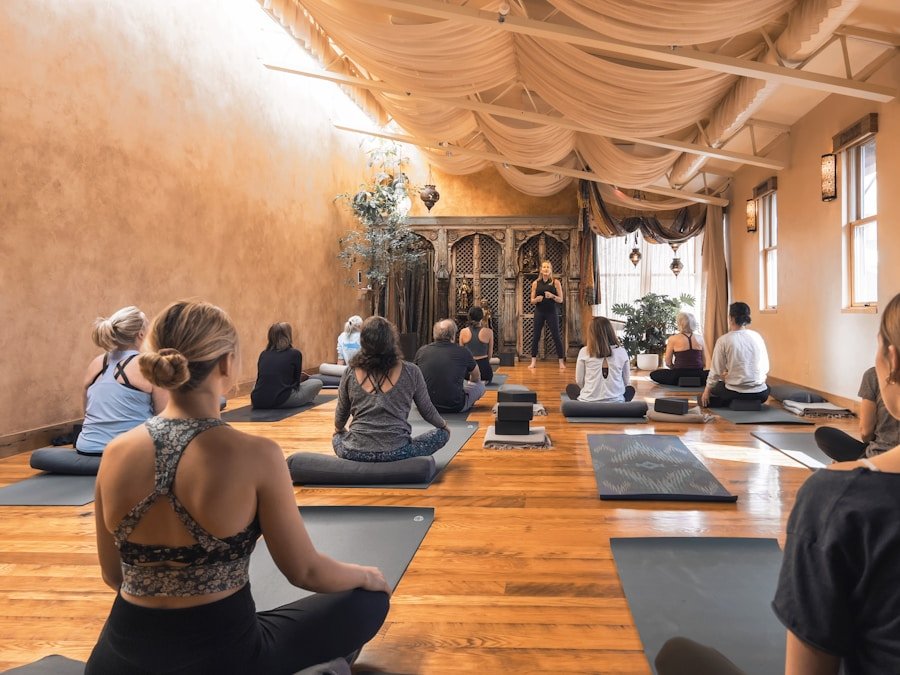
Many malls are now incorporating fitness centers, yoga studios, and meditation spaces. These facilities offer a convenient and accessible way for individuals to prioritize their physical and mental health within a familiar and often accessible location. The mall becomes a one-stop shop for both material needs and personal rejuvenation.
The Rise of Boutique Fitness Studios
The proliferation of boutique fitness studios within malls caters to specific wellness trends, offering everything from high-intensity interval training to mindfulness-focused yoga. These studios often foster a strong sense of community, further enhancing the mall’s appeal as a social and well-being hub.
On-Site Health Services
Some forward-thinking malls are even beginning to house health clinics, pharmacies, and wellness practitioners, creating a holistic ecosystem where visitors can attend to their physical and mental health needs without having to travel to separate locations.
The “Retailtainment” of Self-Care
The concept of “retailtainment” – the fusion of retail with entertainment and experiences – is now extending to the realm of wellness. This means offering spas, beauty services, healthy eating options, and even educational workshops on topics like nutrition and stress management. The mall is becoming a destination where one can indulge in self-improvement and treat oneself to experiences that nurture the mind and body.
The Blurring of Lines: Shopping for Well-being
Consumers are increasingly seeking products and services that contribute to their well-being, from organic foods and sustainable fashion to aromatherapy and mindfulness tools. Malls that curate these offerings tap into a growing market of conscious consumers. The very act of shopping can, in this context, become a form of self-care.
Future Trajectories: The Mall as a Community Nexus
Looking ahead, the shopping mall’s role as a community nexus is likely to intensify. Developers are experimenting with mixed-use models that integrate residential spaces, co-working areas, and even educational institutions alongside retail and wellness facilities. The mall, in its most advanced form, could become a micro-city, a self-contained environment that caters to a wide spectrum of human needs and aspirations.
The Sustainable and Socially Conscious Mall
Future iterations of the mall will likely place a greater emphasis on sustainability, incorporating green building practices, offering electric vehicle charging stations, and supporting local businesses and artisans. The mall will need to prove its value not just economically, but also socially and environmentally.
The Digital Integration of the Physical Space
While the mall is evolving to offer tangible experiences, the integration with digital platforms will remain crucial. Augmented reality shopping, personalized digital concierge services, and seamless online-to-offline customer journeys will be key to maintaining relevance and providing a cohesive experience for the modern consumer. The mall of the future will be a carefully orchestrated symphony of physical and digital touchpoints.