
Sustainable Real Estate Principles
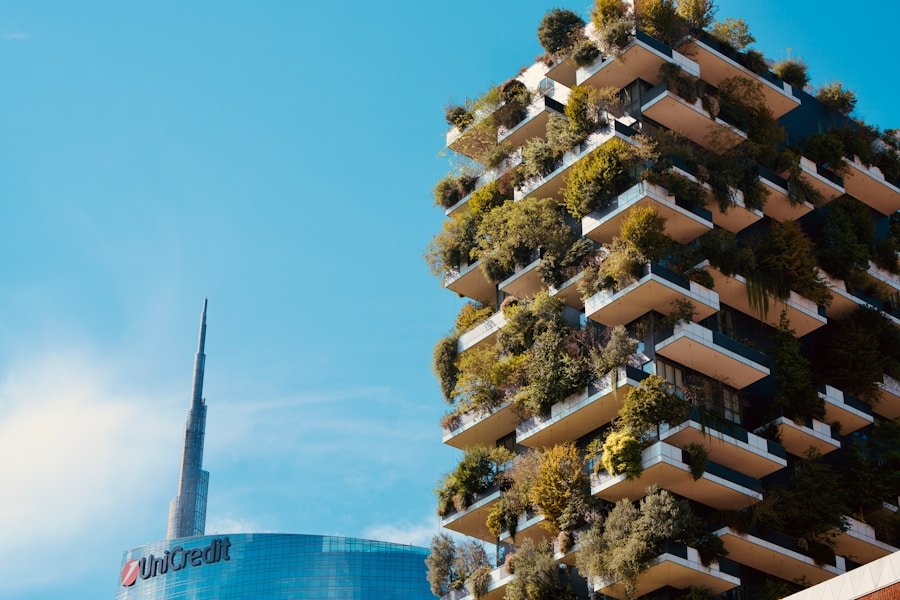
The concept of sustainable real estate integrates environmental, social, and economic considerations into property development and management. This approach aims to minimize the negative impacts of buildings on the environment and human health while maximizing their positive contributions to communities. For clarity, consider sustainable real estate as a multi-faceted endeavor, much like a carefully constructed framework where each beam supports the integrity of the whole.
Environmental Stewardship
Environmental stewardship in sustainable real estate focuses on reducing a building’s ecological footprint. This involves several key areas.
Energy Efficiency
Energy efficiency is paramount. It entails designing buildings that consume less energy for heating, cooling, lighting, and other operations. Strategies include high-performance insulation, double or triple glazing, energy-efficient HVAC systems, and the integration of renewable energy sources such as solar panels or geothermal systems. The objective is to create structures that are less reliant on external power grids and contribute fewer greenhouse gas emissions.
Water Conservation
Water conservation involves implementing technologies and practices that reduce water consumption. This includes low-flow fixtures, rainwater harvesting systems for irrigation or non-potable uses, and greywater recycling systems. The aim is to mitigate strain on local water resources, a particularly critical concern in regions facing water scarcity.
Material Selection
The choice of building materials significantly impacts sustainability. Sustainable material selection prioritizes recycled content, rapidly renewable resources (e.g., bamboo), locally sourced materials to reduce transportation emissions, and non-toxic materials to improve indoor air quality. Avoidance of materials with high embodied energy or those derived from unsustainable extraction practices is also a consideration.
Waste Management
Sustainable waste management in construction and operation minimizes landfill contributions. This involves comprehensive recycling programs for construction debris, composting organic waste, and designing buildings for deconstruction to facilitate the reuse and recycling of components at the end of their lifecycle.
Social Equity and Well-being
Beyond environmental considerations, sustainable real estate addresses the social dimension of development, fostering healthy and inclusive communities. Consider this the nurturing soil in which the sustainable building takes root.
Indoor Environmental Quality
Indoor environmental quality (IEQ) contributes directly to occupant health and productivity. This includes maintaining optimal thermal comfort, providing adequate ventilation to dilute pollutants, maximizing natural daylighting to reduce eye strain and energy use, and controlling sources of indoor air contaminants.
Community Integration
Sustainable projects often prioritize integration with existing communities. This can involve designing public spaces, ensuring accessibility for all individuals, and supporting local businesses and employment opportunities. The goal is to create developments that enhance, rather than disrupt, the social fabric.
Health and Safety
Project design and construction must prioritize the health and safety of both workers and occupants. This encompasses adherence to stringent building codes, use of non-toxic materials, and the provision of safe access and egress.
Economic Viability
Sustainable real estate projects are also financially sound. This is the strong foundation upon which the entire structure rests.
Reduced Operating Costs
The initial investment in sustainable features often leads to significant reductions in long-term operating costs, particularly for energy and water. This financial benefit makes sustainable buildings attractive to owners and tenants.
Increased Asset Value
Sustainable buildings often command higher property values and rental rates. This is due to their reduced operating costs, improved occupant comfort, and positive public image. Certifications such as LEED or BREEAM can further enhance marketability.
Risk Mitigation
Sustainable practices can mitigate various risks. For example, designing for climate resilience can protect assets from extreme weather events, while using non-toxic materials can reduce liability related to occupant health.
Lanzhou: Addressing Arid Challenges
Lanzhou, a city situated in a semi-arid region of northwest China, faces particular challenges related to water scarcity and air pollution. Sustainable real estate projects here demonstrably address these regional specifics.
Lanzhou Ecological Garden City
The Lanzhou Ecological Garden City project is a large-scale urban development aiming to integrate sustainable principles into a rapidly expanding urban landscape.
Water Management Strategies
Recognizing the city’s arid climate, the project incorporates advanced water management systems. These include extensive rainwater harvesting infrastructure, designed to capture and store precipitation for landscape irrigation and other non-potable uses. Additionally, greywater recycling systems are being implemented within individual buildings to treat and reuse water from sinks and showers.
Green Space Integration
To combat air pollution and mitigate the urban heat island effect, a significant portion of the development is dedicated to green spaces. These include parks, urban forests, and green roofs, which also contribute to stormwater management and biodiversity.
Renewable Energy Infrastructure
The project emphasizes the integration of renewable energy. Solar photovoltaic panels are widely deployed on building rooftops, supplementing grid electricity. Geothermal heating and cooling systems are also being considered for larger commercial and residential complexes to reduce reliance on conventional fossil fuels.
Lanzhou University Green Building Campus
Lanzhou University has undertaken initiatives to transform its campus into a model of sustainable development.
Energy Performance Upgrades
Several campus buildings have undergone comprehensive energy performance upgrades. This includes retrofitting existing structures with improved insulation, high-performance windows, and energy-efficient lighting. These measures have demonstrably reduced the campus’s overall energy consumption.
Waste Diversion Programs
The university has implemented extensive waste diversion programs, including dedicated recycling facilities for paper, plastics, and glass. Composting initiatives are also being explored for organic waste generated from dining halls and campus cafeterias.
Paris: Urban Density and Heritage
Paris, a densely populated historic city, presents a different set of challenges and opportunities for sustainable real estate. Here, sustainability often involves retrofitting existing structures and developing new projects that respect architectural heritage.
Clichy-Batignolles Eco-district
The Clichy-Batignolles eco-district is a prominent example of sustainable urban development in Paris, converting former railway lands into a vibrant, environmentally friendly neighborhood.
Biodiversity Enhancement
A key feature of the eco-district is its commitment to biodiversity. The Parc Martin Luther King, a large urban park, forms the green heart of the district, incorporating diverse planting to support local flora and fauna. Green roofs and walls on buildings further extend this ecological network.
District Heating and Cooling
The district utilizes an innovative energy system centered around district heating and cooling. This system leverages geothermal energy and the valorization of waste heat, significantly reducing the carbon footprint associated with temperature control for buildings within the eco-district.
Sustainable Mobility
Emphasis is placed on sustainable mobility. The district is well-served by public transport, and features extensive pedestrian and cycling networks. Electric vehicle charging stations are integrated, and car-sharing schemes are promoted to reduce private car ownership.
Rehabilitation of Historic Buildings
Given Paris’s rich architectural heritage, a significant portion of sustainable efforts focuses on renovating and retrofitting existing historic buildings. Consider this a delicate surgical procedure, preserving the old while introducing new lifeblood.
Energy Retrofitting with Preservation
The challenge lies in improving energy performance while respecting the aesthetic and structural integrity of historic facades. This involves internal insulation solutions, discreet solar panel integration, and the use of historically appropriate yet energy-efficient window technologies.
Adaptive Reuse
Adaptive reuse, transforming historic buildings for new purposes, is a core sustainable practice. This prevents demolition waste and preserves the embodied energy of the original structure. Examples include converting former industrial buildings into residential lofts or cultural spaces.
Certification Schemes and Standards
To provide a benchmark for sustainability, various certification schemes and standards have emerged globally. These act as guiding stars, offering measurable criteria for sustainable development.
LEED (Leadership in Energy and Environmental Design)
LEED, developed by the U.S. Green Building Council, is one of the most widely recognized green building certification programs globally. It assesses buildings across several categories, including sustainable sites, water efficiency, energy and atmosphere, materials and resources, and indoor environmental quality. Projects earn points based on their adherence to these criteria, achieving different certification levels (Certified, Silver, Gold, Platinum).
BREEAM (Building Research Establishment Environmental Assessment Method)
BREEAM, originating in the UK, is Europe’s leading sustainability assessment method for masterplanning projects, infrastructure, and buildings. It evaluates environmental performance across categories such as management, health and well-being, energy, water, waste, pollution, and transport. Like LEED, it confers various ratings based on documented achievements.
Local Green Building Codes
In addition to international and regional schemes, many jurisdictions have developed their own local green building codes and regulations. These often set minimum sustainability requirements for new construction and major renovations, reflecting specific regional environmental goals and challenges. Compliance with these codes is often mandatory.
Challenges and Future Outlook
| Project | Location | Green Certification | Energy Efficiency Rating |
|---|---|---|---|
| Lanzhou Green Tower | Lanzhou | LEED Platinum | Energy Star 95 |
| Paris Eco-Residence | Paris | BREEAM Excellent | Energy Star 90 |
While progress in sustainable real estate is evident, challenges persist. Think of these as headwinds requiring persistent navigational adjustments.
Cost Perceptions
A common impediment is the perception of higher upfront costs for sustainable features. While lifecycle cost analyses often demonstrate long-term savings, initial investment can deter some developers and investors. Incentives and policy support are crucial to bridge this gap.
Regulatory Hurdles
Navigating complex and sometimes fragmented regulatory landscapes can be challenging. Harmonization of green building standards and streamlined permitting processes would facilitate wider adoption.
Skill Gaps
A shortage of skilled professionals in sustainable design, construction, and building management can hinder project implementation. Investment in education and training programs is essential to develop the necessary workforce.
Looking forward, the trajectory of sustainable real estate is likely to be characterized by several trends. Expect further technological advancements in renewable energy, smart building systems, and advanced materials. The integration of artificial intelligence and machine learning for optimizing building performance will become more prevalent. Furthermore, the focus will broaden to include the circular economy principles, aiming for buildings that generate minimal waste and are designed for disassembly and material reuse. The push for net-zero and even net-positive energy buildings will intensify, as will a greater emphasis on climate resilience in design. As awareness of climate change and environmental degradation grows, demand for truly sustainable spaces will exert a stronger gravitational pull on development practices.