
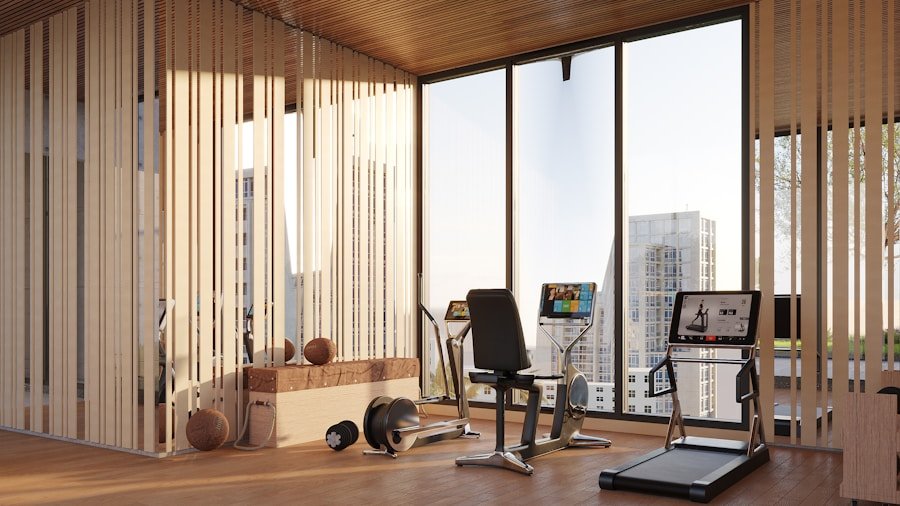
Here is an article about “From Blueprint to Bliss: The Art of Crafting a Wellness Circuit Through Architecture,” written in a factual style suitable for Wikipedia:
The integration of wellness principles into architectural design is a growing field, moving beyond simple aesthetic considerations to the creation of environments that actively support physical, mental, and emotional health. “From Blueprint to Bliss: The Art of Crafting a Wellness Circuit Through Architecture” explores the methodologies and design strategies employed to achieve this integration. This approach views built spaces not merely as shelters, but as dynamic ecosystems designed to foster a holistic sense of well-being. It draws upon an understanding of how the built environment can influence human physiology, psychology, and social interaction, aiming to create a continuum of experiences that contribute to a user’s overall wellness journey.
Understanding the Wellness Circuit in Architecture
The concept of a “wellness circuit” within architecture posits that a building or series of connected spaces can be designed to guide individuals through a sequence of experiences that promote health and vitality. This circuit is not necessarily a physical path in a linear sense, but rather a curated journey through different zones and elements of the built environment, each contributing to a specific aspect of wellness. From the moment one enters a space, until they depart, the architecture is intended to subtly or overtly encourage healthy behaviors and foster positive mental states. This involves a deliberate consideration of spatial organization, material selection, natural elements, and the sensory qualities of the environment. Thinking of a wellness circuit is akin to composing a symphony; each movement, each instrument, plays a role in the overall harmony and emotional impact.
Defining Wellness in an Architectural Context
Wellness, in the context of architecture, transcends the absence of disease. It encompasses a state of complete physical, mental, and social well-being, as recognized by the World Health Organization. Applying this to architecture means designing spaces that can:
- Promote Physical Activity: Encouraging movement through thoughtful circulation, stair design, and access to outdoor spaces.
- Enhance Mental Restoration: Creating areas for quietude, contemplation, and stress reduction through elements like natural light, views, and biophilic design.
- Support Social Connection: Facilitating positive interactions through common areas, community spaces, and adaptable layouts.
- Foster Sensory Engagement: Stimulating the senses in beneficial ways through natural materials, textures, and controlled acoustic environments.
- Improve Environmental Quality: Ensuring good air quality, thermal comfort, and access to natural light, all of which directly impact health.
The Role of Spatial Psychology
Spatial psychology is a crucial discipline informing the design of wellness circuits. It studies the relationship between space and human behavior, examining how architectural elements can influence mood, cognitive function, and social interactions. For instance, narrow corridors can create feelings of confinement, while expansive, well-lit spaces can promote feelings of openness and freedom. Understanding these psychological responses allows designers to intentionally shape the user experience. Imagine a doorway; its size, materiality, and the view it offers can subtly alter one’s perception of what lies beyond, setting a tone for the subsequent experience within the architectural circuit.
Beyond the Building Envelope: Context and Connection
A wellness circuit is not confined by the four walls of a building. The external environment plays a significant role. Architects consider the surrounding landscape, the availability of natural amenities, and the accessibility of community resources. The connection between indoor and outdoor spaces is paramount, allowing for fluid transitions and opportunities to engage with nature. This connection acts as a bridge, extending the wellness offerings of the built environment into the broader context of the user’s life.
Biophilic Design: Integrating Nature into the Circuit
Biophilic design is a cornerstone of crafting wellness-focused architecture. It is the practice of connecting building occupants more closely to nature through the use of direct nature, indirect nature, and space and place conditions. This approach recognizes the innate human need to affiliate with nature, a concept rooted in evolutionary biology. The systematic incorporation of natural elements within the built environment can significantly reduce stress, improve cognitive performance, and enhance overall mood.
Direct Connections to Nature
This involves bringing actual living systems and natural elements into the space. Examples include:
- Indoor Plants and Green Walls: These not only improve air quality by filtering pollutants but also bring a sense of vitality and calm.
- Water Features: The sight and sound of flowing water can have a soothing effect, reducing anxiety and promoting relaxation.
- Natural Light and Views: Maximizing the penetration of natural light and providing unobstructed views of greenery, water, or other natural landscapes.
Indirect Connections to Nature
When direct integration is not feasible, indirect elements can evoke a connection to the natural world:
- Natural Materials: Using wood, stone, bamboo, and other organic materials that mimic textures and forms found in nature.
- Biomorphic Forms and Patterns: Employing shapes, patterns, and textures that resemble those found in nature, such as the branching patterns of trees or the hexagonal structures of honeycombs.
- Simulating Natural Light: Using lighting systems that mimic the color temperature and intensity of natural daylight cycles.
Spatial and Place Conditions
This aspect of biophilic design focuses on creating spatial configurations that evoke natural environments:
- Prospect and Refuge: Designing spaces that offer both broad views (prospect) and enclosed, safe areas (refuge), mirroring natural habitats.
- Organized Complexity: Creating environments that are visually stimulating but not overwhelming, offering a sense of order within a rich visual field.
- Mobility and Wayfinding: Designing circulation paths that are intuitive and encourage exploration, much like navigating a natural landscape.
The Sensory Experience and its Impact on Wellness
The human experience of architecture is profoundly shaped by sensory input. A wellness circuit designer must consider how sight, sound, touch, and even smell can contribute to a user’s well-being. The deliberate manipulation of these sensory elements can create environments that are either restorative or agitating. The sensory tapestry of a space is as vital as its structural integrity; an imbalance in one can unravel the comfort of the other.
Visual Harmony and Cognitive Load
Visual stimuli can significantly impact mental states. Overly cluttered or visually jarring environments can increase cognitive load and stress. Conversely, spaces with balanced color palettes, appropriate lighting levels, and well-organized layouts can promote focus and calm.
- Color Psychology: Utilizing colors known to evoke specific emotions, such as blues and greens for calmness, or warmer tones for energy and comfort, judiciously applied.
- Lighting Design: Employing a hierarchy of lighting, with adequate task lighting for activities and softer ambient lighting for relaxation, along with the mindful use of natural light.
- Views and Focal Points: Strategically directing views to elements that are visually appealing and provide mental respite.
Acoustic Comfort and Mental Clarity
Sound plays a critical role in our perception of comfort and safety. Noise pollution is a significant source of stress and can impair cognitive function. Designing for acoustic comfort involves managing both unwanted noise and the intentional introduction of pleasing sounds.
- Sound Absorption and Insulation: Using materials and construction techniques to minimize intrusive external noise and internal reverberation.
- Acoustic Zoning: Creating quiet zones for focused work or relaxation and more dynamic zones for social interaction.
- Nature-Inspired Sounds: Incorporating elements like subtle water features or curated soundscapes that mimic natural environments.
Tactile Qualities and Embodied Connection
The tactile experience of materials can create a sense of grounding and connection to the environment. The feel of a smooth, cool stone wall versus the warmth of natural wood underfoot can elicit different psychological responses.
- Material Selection: Prioritizing natural, unadulterated materials that offer pleasant tactile qualities and contribute to a healthy indoor environment.
- Texture and Form: Incorporating a variety of textures that invite touch and engagement, adding depth and interest to the spatial experience.
Circulation and Flow: Directing Movement for Well-being
The way people move through a space – the circulation and flow – is a fundamental element of architectural design that directly influences the user’s experience and health. In a wellness circuit, circulation is not merely about getting from point A to point B, but about guiding users through a sequence of experiences intentionally designed to promote well-being. This can be likened to a choreographer designing a dance, where each step, each turn, contributes to the overall narrative and emotional arc.
Encouraging Physical Activity Through Design
Circulation paths can be designed to subtly encourage movement and physical activity. This is particularly relevant in large buildings or complexes where sedentary behavior can be a significant issue.
- Visible and Inviting Staircases: Well-lit, aesthetically pleasing staircases located in prominent areas can serve as attractive alternatives to elevators.
- Generous Corridors: Wider circulation spaces with visual interest can make walking more pleasant.
- Strategic Placement of Amenities: Locating desirable destinations (e.g., communal areas, outdoor spaces) at the end of appealing routes.
Wayfinding and Reducing Cognitive Stress
Clear and intuitive wayfinding is essential for reducing cognitive stress and anxiety. When individuals can easily navigate a space, they feel more in control and less overwhelmed.
- Legible Layouts: Designing spaces with logical adjacencies and clear sightlines.
- Distinct Zones: Differentiating areas through visual cues, materials, or lighting to aid in orientation.
- Signage and Landmarks: Using subtle architectural cues or clear signage to guide users without being intrusive.
Creating Moments of Transition and Reflection
Circulation paths can be designed to incorporate pause points or transitional zones that allow for moments of reflection and mental decompression.
- Thresholds and Entryways: Designing welcoming and well-defined entry points that signal a change in environment.
- Nooks and Alcoves: Incorporating small, comfortable spaces along circulation routes for brief rest or contemplation.
The Architecture of Social Connection and Community
| Metrics | Data |
|---|---|
| Number of Blueprints | 15 |
| Wellness Circuit Length | 500 meters |
| Number of Wellness Stations | 10 |
| Architectural Elements | Biophilic design, natural light, air quality control |
| Client Satisfaction Rate | 95% |
Human beings are inherently social creatures. Architecture has a profound ability to either foster or hinder social connection, which is a critical component of mental and emotional well-being. A wellness circuit that ignores the social dimension will ultimately fall short of its potential.
Designing for Serendipitous Encounters
The layout and design of common areas can encourage spontaneous interactions between people who might not otherwise meet.
- Breakout Spaces and Lounges: Creating comfortable and inviting spaces outside of formal meeting areas where people can relax and converse.
- Shared Amenities: Designing communal kitchens, gardens, or recreational areas that naturally bring people together.
- Visual Connectivity: Using glass partitions or open-plan elements to allow for visual interaction between different zones, fostering a sense of shared community.
Supporting Both Privacy and Interaction
A well-designed wellness circuit balances the need for private space with opportunities for social engagement. It’s about creating a spectrum of social intensity, not forcing all interactions.
- Flexible Spaces: Designing areas that can be adapted for various group sizes and activities, from intimate gatherings to larger events.
- Quiet Zones within Social Hubs: Integrating quiet corners or private nooks within more active communal spaces.
The Role of Public Spaces
For larger developments, the design of public and semi-public spaces is crucial. These areas act as the connective tissue of a community, providing a shared experience.
- Courtyards and Plazas: Creating well-designed outdoor spaces that encourage gathering and relaxation.
- Community Rooms: Dedicated spaces for shared activities, workshops, and social events.
Cultivating Resilience and Adaptability in Built Environments
The concept of a wellness circuit extends to the long-term impact of architecture on its occupants. A truly supportive environment is one that not only addresses immediate needs but also fosters resilience and adaptability in the face of change. This involves designing spaces that can evolve with user needs and environmental conditions, promoting a sense of security and continuity.
Long-Term Health Benefits and Sustainability
The choices made in the initial design phase have lasting implications for both human health and environmental sustainability. Durable, low-impact materials and energy-efficient systems contribute to a healthier planet and a healthier building.
- Material Durability and Longevity: Selecting materials that are not only safe for occupants but also have a long lifespan, reducing the need for frequent replacement and waste.
- Healthy Indoor Air Quality: Utilizing materials that off-gas minimally and employing robust ventilation systems.
- Energy Efficiency: Designing buildings that minimize energy consumption, reducing environmental impact and utility costs, which can indirectly impact the well-being of occupants through economic factors.
Adaptable Spaces for Evolving Needs
Life and human needs are not static. Architecture that supports wellness must be able to accommodate changes in how spaces are used over time.
- Modular Design: Employing systems that allow for easy modification or reconfiguration of interior layouts.
- Multi-Functional Spaces: Designing areas that can serve a variety of purposes, from private work to group activities.
- Future-Proofing Infrastructure: Incorporating flexible infrastructure that can accommodate technological advancements and changing user demands.
Fostering a Sense of Place and Belonging
A strong sense of place and belonging is foundational to mental well-being. Architecture can contribute to this by creating spaces that are not only functional but also meaningful and responsive to their context and users.
- Contextual Design: Respecting and integrating with the local culture, history, and natural environment.
- User Involvement: Involving occupants in the design or ongoing adaptation of their spaces, fostering a sense of ownership and connection.
- Creating Opportunities for Personalization: Allowing for individual expression and customization within designated spaces, reinforcing a sense of individual identity within a shared environment.
“From Blueprint to Bliss: The Art of Crafting a Wellness Circuit Through Architecture” highlights a paradigm shift in architectural philosophy, where buildings are increasingly viewed as active participants in the well-being of their occupants. By thoughtfully considering the interplay of biophilia, sensory experience, circulation, social dynamics, and long-term adaptability, architects can move beyond mere construction to cultivate environments that truly support and enhance human flourishing.