
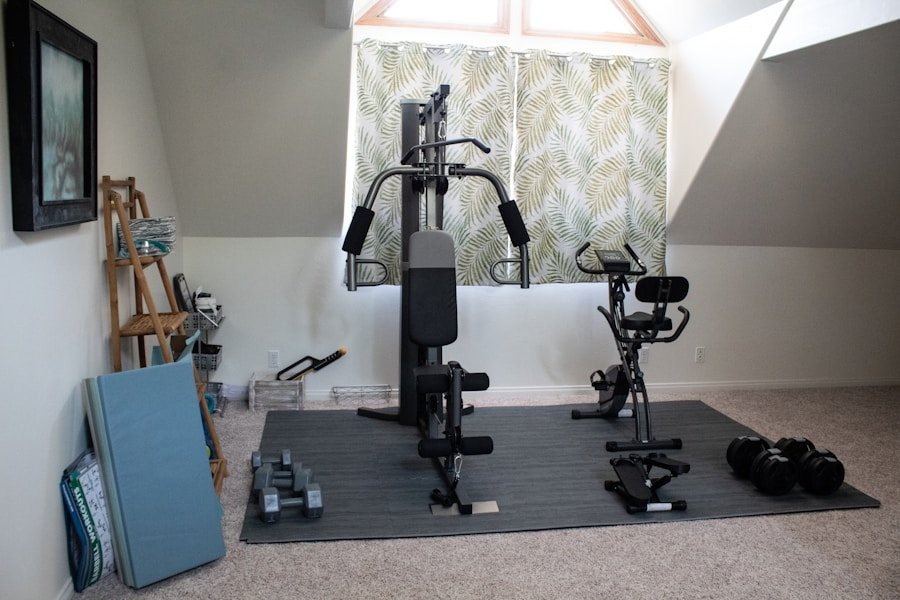
The integration of athletic recovery centers into hotel offerings marks a significant shift in the hospitality industry. These facilities, once the exclusive domain of professional sports teams and elite athletes, are increasingly finding a place in hotels catering to a broader clientele. This article explores the benefits of these centers, examining how they enhance the guest experience and create new value propositions for hotels.
Evolution of Hotel Amenities and the Rise of Wellness
From Basic Comfort to Experiential Offerings
Historically, hotel amenities focused on fundamental comfort: a clean bed, a private bathroom, and perhaps a television. Over time, this expanded to include conveniences like Wi-Fi, minibar services, and business centers. The early 2000s saw a nascent trend towards incorporating elements of lifestyle and personal well-being, with the introduction of fitness rooms, swimming pools, and spas. These were generally viewed as optional add-ons, catering to a segment of travelers seeking to maintain their routines or indulge in relaxation.
The Wellness Revolution in Travel
The concept of “wellness tourism” has gained considerable traction, moving beyond mere pampering. Travelers are increasingly seeking experiences that contribute to their overall health and vitality. This shift is driven by a greater awareness of the impact of stress, diet, and physical activity on long-term health. Consequently, hotels have been compelled to re-evaluate their amenity profiles, seeking to provide more comprehensive wellness solutions. Athletic recovery centers represent a natural progression in this evolution, addressing a specific and growing need within the travel market.
Defining Athletic Recovery Centers in a Hospitality Context
Unlike traditional hotel gyms, which primarily focus on cardiovascular exercise or strength training, athletic recovery centers are designed for post-activity recuperation and injury prevention. They incorporate a range of specialized equipment and services aimed at aiding muscle repair, reducing inflammation, and promoting overall physical readiness. The core principle is to help guests recover from physical exertion, whether that exertion stems from recreational activities, business travel strain, or pre-existing fitness regimens.
The Multifaceted Benefits for Hotel Guests
Enhanced Physical Well-being and Performance
Guests utilizing athletic recovery centers often report improved physical sensations. The reduction of muscle soreness and fatigue can lead to a more comfortable and enjoyable stay, allowing them to engage more fully in their travel plans. For those who prioritize physical fitness, these centers provide the tools to maintain training intensity and accelerate recovery, preventing setbacks and enabling consistent performance. This can be particularly valuable for business travelers who might use their downtime for exercise or for guests attending conferences or sporting events.
Immediate Relief from Muscle Soreness
- Cryotherapy: Exposure to extremely cold temperatures, typically in a cryochamber, can constrict blood vessels, reducing inflammation and numbing pain receptors. This process is thought to aid in the removal of metabolic waste products from muscle tissue.
- Floats/Sensory Deprivation Tanks: Immersion in a solution of Epsom salts in highly concentrated saline water within a dark, quiet environment can alleviate muscular tension and promote deep relaxation. The buoyancy minimizes pressure on joints and muscles, fostering a sense of weightlessness.
- Percussion Therapy Devices: These handheld devices deliver rapid, targeted pulses to muscle tissue, helping to break up adhesions, improve blood flow, and relieve muscle knots.
Facilitating Deeper Relaxation and Stress Reduction
- Saunas and Steam Rooms: The heat generated in these environments can increase blood circulation, loosen tight muscles, and promote detoxification through sweating. This contributes to a general sense of well-being and stress relief.
- Hydrotherapy Pools: Pools with adjustable temperature settings and massage jets offer a therapeutic approach to muscle relaxation. The buoyancy of water reduces stress on the body, while targeted water pressure can ease tension.
- Meditation and Mindfulness Spaces: While not strictly “athletic,” dedicated quiet areas for meditation can complement physical recovery by addressing the mental aspect of stress and exertion.
Improved Sleep Quality
Physical exertion, when managed with proper recovery, often leads to more profound and restorative sleep. The physiological processes stimulated by recovery modalities, such as reduced inflammation and muscle relaxation, can create a conducive environment for sleep. Guests who experience better sleep are more likely to feel refreshed and energized, positively impacting their overall trip experience.
The Science Behind Sleep and Recovery Link
- Hormonal Regulation: Exercise and recovery can influence the production of hormones like cortisol (stress hormone) and melatonin (sleep hormone). Optimized recovery can help regulate these cycles, promoting better sleep.
- Nervous System Regulation: Recovery techniques can help shift the nervous system from a state of sympathetic activation (fight or flight) to parasympathetic dominance (rest and digest), which is essential for relaxation and sleep initiation.
- Reduced Physical Discomfort: Pain and discomfort are significant disruptors of sleep. By alleviating these issues, recovery centers directly contribute to uninterrupted sleep.
Enhanced Travel Experience and Guest Loyalty
The inclusion of athletic recovery centers elevates a hotel from a mere lodging provider to a destination that actively supports a guest’s holistic well-being. This differentiation can be a powerful marketing tool and a significant factor in guest decision-making. Guests who find value in these specialized amenities are more likely to return and to recommend the hotel to others. This builds a loyal customer base and generates positive word-of-mouth referrals, acting as a strong beacon in a competitive market.
Creating a Unique Selling Proposition
- Targeting Specific Traveler Segments: Hotels can attract athletes, fitness enthusiasts, and individuals focused on health and wellness, carving out a niche in the market.
- Differentiating from Competitors: In markets saturated with similar offerings, a comprehensive athletic recovery center can be a deciding factor for discerning travelers.
- Building Brand Reputation: Hotels known for investing in guest well-being tend to cultivate stronger brand loyalty and a more positive public image.
Fostering Repeat Business
- Meeting Evolving Consumer Demands: By staying ahead of wellness trends, hotels demonstrate an understanding of current traveler needs and preferences.
- Providing Tangible Value Beyond Accommodation: Guests perceive these amenities as an investment in their personal health and comfort, justifying repeat stays.
- Encouraging Positive Reviews and Testimonials: Satisfied guests are more likely to share their positive experiences online, attracting new customers.
Operational Considerations and Implementation Strategies
Space Allocation and Design
Establishing an athletic recovery center requires careful consideration of available space within the hotel. This can range from repurposing underutilized areas to integrating new facilities during renovations or new construction. The design should prioritize functionality, creating distinct zones for different recovery modalities while ensuring adequate space for movement and comfort. Lighting, acoustics, and interior finishes play a crucial role in creating a calming and therapeutic atmosphere.
Zoning and Flow
- Individual Treatment Areas: Dedicated spaces for cryotherapy chambers, float tanks, and massage therapy should offer privacy and a controlled environment.
- Group Recovery Zones: Areas for stretching, foam rolling, and light therapeutic movement can be more open, encouraging shared experiences.
- Hydration and Refreshment Stations: Easily accessible points for water and healthy beverages are essential for recovery protocols.
Ambiance and Ergonomics
- Calming Color Palettes: Soft, neutral colors can promote relaxation and reduce visual stimulation.
- Acoustic Management: Soundproofing and thoughtful layout can minimize noise disruptions and enhance a sense of tranquility.
- Ergonomic Equipment Placement: Ensuring equipment is easily accessible and positioned for optimal use contributes to a seamless guest experience.
Equipment Selection and Maintenance
The choice of equipment is paramount. Hotels must invest in high-quality, reliable, and safe recovery technologies. This involves thorough research, consulting with specialists, and assessing the needs of the target clientele. A robust maintenance schedule is critical to ensure the longevity of the equipment, the safety of guests, and the uninterrupted operation of the center. Neglecting maintenance can lead to costly repairs, guest dissatisfaction, and potential liabilities.
Sourcing and Procurement
- Vendor Research: Identifying reputable manufacturers with strong customer support and warranty programs.
- Needs Assessment: Selecting equipment that aligns with the hotel’s target demographic and available space.
- Budgetary Planning: Allocating sufficient funds for initial investment and ongoing operational costs.
Upkeep and Compliance
- Regular Servicing: Implementing a schedule for professional maintenance and calibration of specialized equipment.
- Hygiene Protocols: Establishing strict cleaning and sanitization procedures for all equipment and facilities.
- Safety Inspections: Conducting regular checks to ensure compliance with health and safety regulations.
Staffing and Service Delivery
The effective operation of an athletic recovery center often necessitates specialized staffing. This might include certified athletic trainers, massage therapists, or wellness practitioners who can guide guests through the use of equipment, provide personalized recommendations, and offer therapeutic services. Alternatively, hotels can invest in intuitive, user-friendly equipment that requires minimal direct supervision, coupled with comprehensive guest education materials. The service delivery model should align with the hotel’s overall service philosophy.
Training and Expertise
- In-House Specialists: Employing qualified professionals to provide hands-on guidance and treatments.
- External Partnerships: Collaborating with local wellness centers or independent practitioners for specialized services.
- Guest Education Programs: Developing informative materials and staff training to empower guests to utilize the facilities effectively on their own.
Service Models
- Complimentary Access: Offering the recovery center as a value-added amenity included in the room rate.
- Tiered Access or À La Carte Services: Charging for specific treatments or premium recovery sessions.
- Package Inclusion: Integrating recovery center access into wellness-focused hotel packages.
The Business Case for Athletic Recovery Centers
Attracting a Premium Market Segment
The presence of a sophisticated athletic recovery center can position a hotel as a desirable destination for discerning travelers. This includes not only professional athletes and fitness enthusiasts but also business travelers who prioritize their physical well-being and individuals seeking a holistic approach to their travel experiences. These segments often have higher disposable incomes and are willing to pay a premium for amenities that align with their lifestyle and health goals. This can translate to higher occupancy rates and increased revenue per available room (RevPAR).
Identifying and Engaging the Target Audience
- Marketing to Fitness Communities: Partnering with sports clubs, gyms, and fitness influencers.
- Corporate Wellness Programs: Offering packages or discounts to companies with employee wellness initiatives.
- Highlighting Health Benefits: Emphasizing the recovery and performance advantages in marketing materials.
Driving Revenue Streams
- Premium Room Rates: Justifying higher pricing for rooms in hotels with advanced wellness facilities.
- Ancillary Services: Generating revenue from specialized treatments, personal training sessions, or retail sales of recovery-related products.
- Event Hosting: Attracting sports teams, athletic associations, or wellness retreats for events and training camps.
Enhancing Brand Value and Competitive Advantage
In a crowded hospitality market, differentiation is key. An athletic recovery center provides a tangible and unique selling proposition that sets a hotel apart from its competitors. This is not merely about offering another amenity; it is about investing in a vision of hospitality that prioritizes guest well-being. Hotels that embrace this forward-thinking approach can cultivate a reputation as innovators and leaders in the wellness tourism sector. This reputation can become a powerful engine for growth, attracting both guests and strategic partners.
Building a Differentiated Brand Identity
- Focus on Holistic Well-being: Positioning the hotel as a sanctuary for both physical and mental rejuvenation.
- Demonstrating Commitment to Health: Showcasing an investment in facilities that actively contribute to guest health and performance.
- Creating a Story: Developing narratives around the benefits of recovery and how the hotel supports guests in achieving their wellness goals.
Achieving Sustainable Growth
- Attracting and Retaining Guests: Fostering loyalty through exceptional and unique service offerings.
- Adapting to Market Trends: Staying ahead of the curve in the evolving wellness landscape.
- Securing Partnerships: Collaborating with health and fitness brands for cross-promotional opportunities.
Potential for New Revenue Streams
Beyond the direct benefits to guest satisfaction and loyalty, athletic recovery centers can open up new avenues for revenue generation. This can include charging for specialized recovery treatments, offering personal training sessions with a focus on recovery, or selling curated retail products related to athletic performance and well-being. Furthermore, hotels can leverage these facilities to host specialized events such as sports team training camps, athletic workshops, or corporate wellness retreats, creating additional income streams.
Diversifying Income
- Specialized Treatments: Offering services like deep tissue massage, sports massage, or manual lymphatic drainage.
- Personalized Recovery Plans: Developing tailored programs for individual guests, including equipment usage guidance and exercise recommendations.
- Retail and Merchandise: Selling high-quality recovery tools, supplements, athletic apparel, and wellness products.
Expanding Event and Partnership Opportunities
- Sports Team Accommodation: Becoming a preferred choice for professional and amateur sports teams seeking optimized recovery support.
- Wellness Retreats and Workshops: Hosting dedicated events focused on fitness, recovery, and overall health.
- Brand Collaborations: Partnering with athletic wear companies, supplement brands, or fitness technology providers for co-branded events or promotions.
Case Studies and Emerging Trends
| Benefits of Athletic Recovery Centers | Metrics |
|---|---|
| Reduced Muscle Soreness | Decrease in reported muscle soreness by 30% |
| Improved Athletic Performance | 10% increase in average performance metrics |
| Enhanced Injury Recovery | 50% decrease in recovery time for common sports injuries |
| Stress Reduction | 20% decrease in reported stress levels |
Hotels Leading the Way
Numerous hotels globally have already recognized the value of athletic recovery centers and have successfully integrated them into their offerings. These establishments often cater to a discerning clientele and are at the forefront of the wellness tourism movement. Examining their approaches provides valuable insights into effective implementation and guest reception. Hotels that offer dedicated spaces for cryotherapy, infrared saunas, hyperbaric chambers, or advanced massage and stretching equipment are often highlighted as pioneers in this space.
Examples of Successful Integrations
- The BodyHoliday, Saint Lucia: This resort has long been a leader in wellness, integrating recovery services as a core part of its all-inclusive wellness experience, offering a vast array of treatments and specialized facilities.
- Several Luxury Chains (e.g., Four Seasons, Mandarin Oriental): These brands have increasingly incorporated sophisticated fitness and recovery facilities, often partnering with high-end wellness brands or offering bespoke services. They typically provide access to advanced equipment and highly trained staff.
- Boutique Hotels Focusing on Active Lifestyles: Smaller, independent hotels located near outdoor recreational areas or ski resorts are often integrating recovery offerings to cater to adventurers and athletes.
The Future of Hotel Recovery Amenities
The trend towards holistic well-being in hospitality is likely to continue its upward trajectory. Future developments in athletic recovery centers within hotels may see increased personalization through AI-driven recovery plans, a greater emphasis on mental recovery alongside physical, and advanced diagnostic tools to assess an individual’s recovery needs. The integration of wearable technology to track recovery progress and adapt recommendations will also become more common.
Technological Advancements
- AI-Powered Recovery Platforms: Utilizing artificial intelligence to create personalized recovery protocols based on guest data and biometric feedback.
- Biofeedback and Wearable Integration: Seamlessly connecting hotel recovery services with guest fitness trackers and smartwatches to monitor progress and optimize treatments.
- Virtual Reality (VR) for Relaxation and Rehabilitation: Employing VR to create immersive environments for relaxation, guided meditation, or therapeutic exercises.
Evolving Guest Expectations
- Holistic Health Approach: An increased demand for services that address both physical and mental well-being, recognizing their interconnectedness.
- Preventative Health Focus: Guests seeking hotels that aid in injury prevention and proactively support their long-term health.
- Seamless Integration of Wellness: Expecting wellness amenities to be as effortless to access and utilize as other hotel services.
Conclusion
The integration of athletic recovery centers represents a strategic evolution in the hospitality industry, moving beyond traditional amenities to embrace a more comprehensive approach to guest well-being. These facilities offer tangible benefits to travelers, ranging from immediate physical relief and improved sleep to enhanced overall travel experiences and a greater sense of rejuvenation. For hotels, investing in athletic recovery centers presents a compelling business case, driving guest loyalty, establishing a distinct competitive advantage, and opening new revenue streams. As the wellness revolution continues to shape consumer expectations, athletic recovery centers are poised to become an indispensable component of the modern hotel offering, catering to a growing segment of travelers who prioritize health, performance, and holistic well-being during their journeys. These centers are not just about luxury; they are about providing functional, valuable, and transformative experiences that resonate deeply with today’s traveler.