
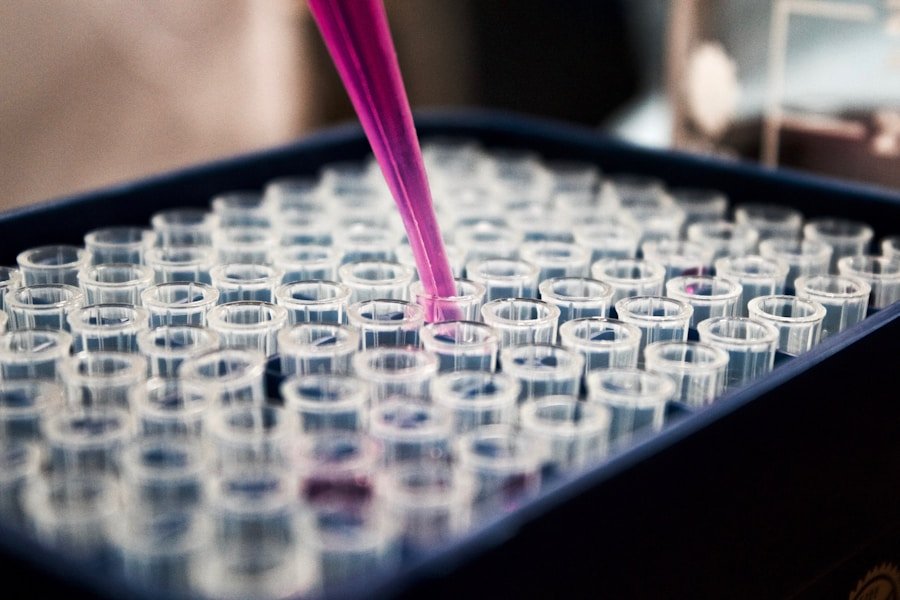
Performance labs represent a growing sector within the broader wellness industry, focusing on the application of scientific principles and data-driven methods to optimize human physical and cognitive capabilities. These facilities, which can range from dedicated research centers to integrated services within existing health and fitness establishments, aim to provide individuals with personalized strategies and interventions to enhance performance, recover more effectively, and improve overall well-being. This article explores the foundational concepts, key areas of focus, technological advancements, and the evolving landscape of performance labs.
Understanding the Core Principles of Performance Labs
At their heart, performance labs are crucibles where scientific inquiry meets practical application in the pursuit of human potential. They are not simply gyms or spas; they are environments designed for precise measurement, analysis, and targeted intervention. The underlying philosophy is to move beyond generalized recommendations and cultivate a deeply individualized approach to health and performance enhancement. This is akin to tailoring a suit versus buying one off the rack – the former offers a perfect fit, addressing unique contours and needs.
The Scientific Underpinning
The methodologies employed in performance labs are grounded in established scientific disciplines. These include exercise physiology, sports science, nutrition science, biomechanics, and neuroscience. Researchers and practitioners within these labs utilize validated assessment tools and protocols to gather objective data about an individual’s physiological responses, biochemical markers, and movement patterns. This evidence-based approach is crucial for ensuring the efficacy and safety of the strategies developed.
Data-Driven Personalization
One of the defining characteristics of performance labs is their commitment to data. Whether it’s through genetic profiling, advanced blood work, metabolic testing, or biomechanical analysis, the information gathered serves as the blueprint for personalized plans. This data allows for a granular understanding of an individual’s strengths, weaknesses, predispositions, and responses to various stimuli. Without this data, interventions can be akin to navigating without a map, relying on guesswork rather than informed direction.
Holistic View of Performance
While the name might suggest a narrow focus on athletic achievement, performance labs typically adopt a holistic perspective. This means considering not only physical prowess but also mental acuity, emotional resilience, and overall physiological balance. The interconnectedness of these elements is recognized as paramount; a sharp mind can fuel a strong body, and proper recovery allows for sustained effort. Ignoring one aspect is like building a house with a weak foundation – eventually, cracks will appear.
Key Areas of Focus within Performance Labs
The scope of services offered by performance labs is broad, reflecting the multifaceted nature of human performance. These areas often overlap, underscoring the integrated approach taken by these facilities.
Physiological Assessment and Optimization
This forms the bedrock of many performance lab offerings. It involves a battery of tests designed to understand an individual’s current physiological state.
Cardiovascular Assessment
- VO2 Max Testing: This measures the maximum rate at which an individual’s body can utilize oxygen during strenuous exercise. It is a key indicator of aerobic fitness and endurance capacity.
- Lactate Threshold Testing: This determines the exercise intensity at which lactate begins to accumulate in the blood faster than it can be cleared. Understanding this threshold is crucial for designing effective endurance training programs and pacing strategies.
- Heart Rate Variability (HRV) Analysis: HRV measures the variations in time between heartbeats. It provides insights into the balance between the sympathetic and parasympathetic nervous systems, reflecting stress levels, recovery status, and overall autonomic regulation.
Metabolic and Nutritional Analysis
- Resting Metabolic Rate (RMR) Testing: This determines the number of calories an individual burns at rest. Accurate RMR measurements are essential for developing effective weight management and fueling strategies.
- Breath Analysis for Macronutrient Utilization: Some labs use advanced breath analyzers to assess how an individual metabolizes carbohydrates and fats during exercise. This can inform personalized fueling plans to optimize energy availability and performance.
- Advanced Blood Biomarker Analysis: Beyond standard blood tests, performance labs often analyze a wider panel of biomarkers, including those related to inflammation, hormones, micronutrient deficiencies, and oxidative stress. This provides a deeper understanding of the body’s internal environment.
- Gut Microbiome Analysis: Emerging research highlights the critical role of the gut microbiome in overall health, immunity, and even mental well-being. Some performance labs offer microbiome testing to identify imbalances and recommend targeted dietary and probiotic interventions.
Biomechanical Analysis and Movement Optimization
How a person moves is as important as their physiological capacity. Biomechanical analysis focuses on the efficiency, fluidity, and injury risk associated with movement patterns.
Gait Analysis
- 3D Motion Capture: Using cameras and markers, this technology captures detailed movement data during walking, running, or other specific activities. It identifies subtle asymmetries and inefficiencies in stride.
- Force Plate Analysis: Force plates measure the ground reaction forces generated during movement. This data can reveal issues with weight distribution, propulsion, and impact absorption.
Functional Movement Screening (FMS)
- Standardized Movement Patterns: FMS involves a series of seven fundamental movement patterns designed to identify limitations in mobility, stability, and symmetry. It helps pinpoint areas prone to injury and can guide corrective exercises.
Strength and Power Assessment
- Isokinetic Testing: This measures strength, power, and endurance at a constant speed of movement across a joint’s range of motion. It is valuable for assessing muscle imbalances and rehabilitation progress.
- Jump and Sprint Analysis: Using specialized timing gates or motion capture, these assessments quantify explosive power and speed, providing metrics for performance gains in athletes.
Sports Psychology and Cognitive Enhancement
Performance is not solely a physical endeavor. The mental game plays a significant role, and performance labs are increasingly incorporating psychological and cognitive strategies.
Stress Management and Resilience Training
- Mindfulness and Meditation Programs: Training in these practices aims to improve focus, reduce anxiety, and enhance emotional regulation.
- Biofeedback and Neurofeedback: These techniques use physiological signals (e.g., heart rate, brainwave activity) to teach individuals to self-regulate their bodily responses to stress.
Cognitive Performance Enhancement
- Attention and Focus Training: Programs designed to improve sustained attention, selective attention, and the ability to divide attention among multiple tasks.
- Memory and Executive Function Exercises: Targeted training to enhance working memory, planning, and problem-solving abilities.
Sleep Science and Optimization
Sleep is a fundamental pillar of recovery and performance. Performance labs often offer comprehensive sleep analysis and intervention strategies.
- Sleep Monitoring and Analysis: This can involve wearable devices that track sleep stages, duration, and quality, as well as in-lab polysomnography for more detailed assessment.
- Sleep Hygiene Education and Coaching: Providing individuals with strategies to improve their sleep habits, environment, and overall sleep quality.
- Circadian Rhythm Alignment: Understanding and optimizing an individual’s natural sleep-wake cycle to improve energy levels and cognitive function.
Technological Advancements Driving Performance Labs
The evolution of performance labs is intrinsically linked to advancements in technology. These innovations enable more precise measurements, sophisticated analysis, and personalized interventions.
Wearable Technology and Biosensors
The proliferation of sophisticated wearable devices has brought physiological monitoring out of the lab and into daily life.
- Continuous Glucose Monitors (CGMs): These devices provide real-time data on blood glucose levels, allowing for a deeper understanding of an individual’s metabolic response to food and exercise. This is particularly valuable for athletes managing energy availability and for individuals with metabolic concerns.
- Advanced Heart Rate Monitors and ECG Devices: Beyond basic heart rate tracking, newer devices can capture electrocardiogram (ECG) data, providing more detailed insights into cardiac rhythm and function.
- Sleep Trackers and Environmental Sensors: These devices gather data on sleep patterns, movement during sleep, and even environmental factors like room temperature and light exposure, all of which impact sleep quality.
Artificial Intelligence and Machine Learning
AI and ML are transforming how data from performance labs is analyzed and interpreted.
- Predictive Analytics: AI algorithms can analyze vast datasets to predict an individual’s risk of injury, their optimal training load, or their response to specific interventions.
- Personalized Program Generation: Machine learning can create highly customized training, nutrition, and recovery plans based on an individual’s unique data profile and progress.
- Pattern Recognition: AI can identify subtle patterns in physiological data that might be missed by human analysis, leading to earlier detection of potential issues or opportunities for optimization.
Advanced Imaging and Biomechanical Tools
The precision of biomechanical analysis has been significantly enhanced by technological innovation.
- High-Speed Cameras and Motion Capture Systems: These systems provide incredibly detailed 3D representations of movement, allowing for the identification of micro-errors in technique.
- IMU (Inertial Measurement Units) Sensors: These small, wireless sensors can be attached to the body to track movement in real-time, providing objective data on joint angles, velocity, and acceleration without the need for extensive camera setups.
- Virtual Reality (VR) and Augmented Reality (AR) in Training: These technologies are being used to create immersive training environments that can improve motor learning, enhance spatial awareness, and provide novel ways to practice complex skills.
The Evolving Landscape and Future Trajectories
The performance lab industry is dynamic, constantly adapting to new research and technological breakthroughs. Several trends point to its future direction.
Integration with Healthcare
There is an increasing convergence between performance labs and traditional healthcare settings.
- Preventative Health and Longevity: Performance labs are moving beyond purely athletic optimization to focus on strategies that promote healthy aging, prevent chronic disease, and enhance overall longevity. This involves identifying and mitigating risk factors through robust data analysis.
- Rehabilitation and Injury Prevention: Partnering with physical therapists and sports medicine physicians, performance labs can provide objective data to guide rehabilitation protocols and develop proactive strategies to prevent future injuries.
- Personalized Medicine and Gene-Omics: As our understanding of genetics evolves, performance labs will increasingly integrate genetic information into their assessment and planning processes, offering truly personalized insights into an individual’s predispositions and optimal response to training and nutrition.
Accessibility and Democratization of Performance Optimization
While historically exclusive, performance lab services are becoming more accessible.
- Remote Monitoring and Coaching: The advancements in wearable technology and cloud-based platforms are enabling performance coaches and scientists to monitor clients and provide guidance remotely, reducing the need for frequent in-person visits.
- Tiered Service Models: Many performance labs are developing different service packages to cater to a wider range of budgets and needs, from comprehensive elite packages to more introductory assessments.
- Corporate Wellness Programs: Businesses are recognizing the benefits of investing in employee well-being and performance, leading to the integration of performance lab services into corporate wellness initiatives.
The Rise of Niche Specializations
As the field matures, specialization within performance labs is becoming more pronounced.
- Cognitive Performance Labs: Dedicated facilities focusing solely on enhancing mental acuity, focus, memory, and stress resilience through neuroscience-based interventions.
- Recovery-Focused Labs: Centers prioritizing advanced recovery modalities such as cryotherapy, infrared saunas, and specialized massage techniques, often integrated with physiological monitoring.
- Pediatric and Adolescent Performance: A growing area focused on optimizing the physical and cognitive development of young individuals, ensuring healthy growth and skill acquisition.
The future of performance labs is characterized by increasing sophistication, broader applications, and a continued commitment to leveraging scientific evidence for the betterment of human potential. As the tools and understanding expand, these facilities will play an ever more vital role in helping individuals unlock their peak performance and lead healthier, more fulfilling lives.