
Hotel amenities can significantly impact the training experience of athletes who travel frequently. Rather than being mere conveniences, these features can function as strategic tools, supporting recovery, performance, and overall well-being. This article examines key hotel amenities that cater to the specific needs of athletes on the go.
Essential Recovery Facilities
Effective recovery is as vital to athletic performance as training itself. Hotels offering robust recovery amenities can provide athletes with the means to address muscle fatigue, reduce inflammation, and prepare their bodies for subsequent training sessions.
In-Room Hydrotherapy Options
The availability of in-room whirlpool tubs or jacuzzis can offer athletes a private and accessible means of hydrotherapy. Soaking in warm water can aid in muscle relaxation and the flushing of metabolic waste products. For athletes prone to minor aches and stiffness, this amenity provides an immediate solution for discomfort without requiring them to leave their room.
Benefits of Warm Water Immersion
Warm water immersion increases blood flow to the muscles, which can accelerate the removal of lactic acid, a byproduct of intense exercise. This process assists in reducing muscle soreness and stiffness. Furthermore, the buoyancy of water can alleviate pressure on joints, offering a gentle form of passive recovery.
Cold Water Therapy Potential
While less common in standard hotel rooms, the presence of a bathtub capable of holding ice or receiving cold water can be invaluable for athletes employing cryotherapy. Cold water immersion, or icing, is known to reduce inflammation and numb pain, particularly after strenuous workouts. This amenity allows athletes to implement this practice without specialized equipment or external facilities.
Access to On-Site Fitness Centers
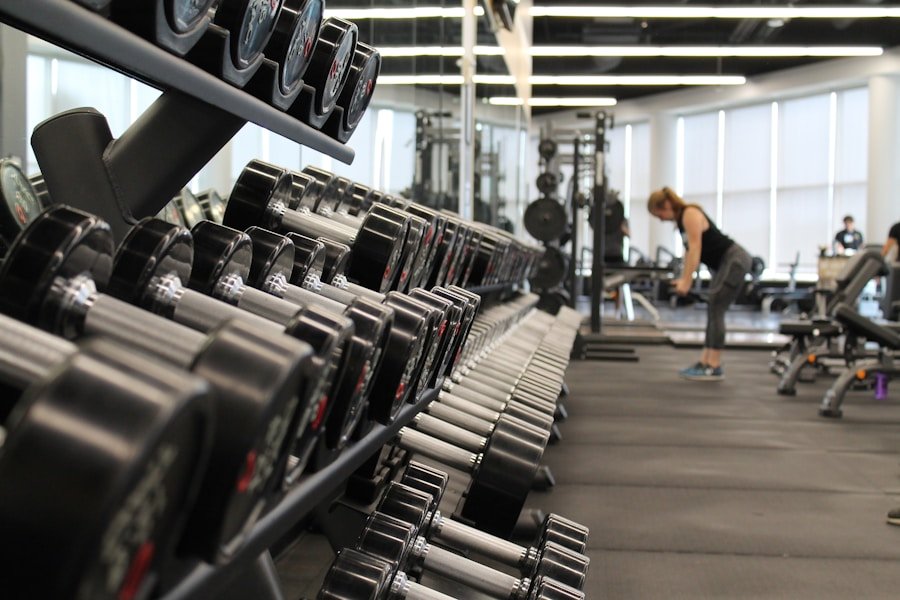
A well-equipped fitness center is a cornerstone for athletes. The ability to maintain their training regimen or incorporate supplementary exercises while traveling is crucial. The quality and variety of equipment within these centers are important considerations.
Diverse Cardiovascular Equipment
A range of cardiovascular machines, such as treadmills, ellipticals, stationary bikes, and rowing machines, caters to different training preferences and needs. This variety ensures athletes can perform their preferred cardio workouts, whether for endurance, interval training, or active recovery. The presence of machines with adjustable resistance and incline options allows for progressive overload and tailored intensity.
Strength Training Equipment Availability
Beyond cardio, comprehensive strength training options are essential. This includes free weights (dumbbells, barbells, weight plates) and a selection of resistance machines. A functional training area with kettlebells, medicine balls, and resistance bands further enhances the utility of the fitness center, allowing for a full-body workout and sport-specific conditioning.
Dedicated Recovery Zones
Some hotels are moving beyond basic fitness centers to offer dedicated recovery zones. These areas often incorporate specialized equipment and a more tranquil environment designed for post-exercise rejuvenation.
Foam Rolling and Stretching Areas
Dedicated spaces for foam rolling and static stretching are invaluable. These areas should ideally be equipped with a variety of foam rollers (different densities and textures), massage balls, and stretching mats. This allows athletes to systematically address muscle tightness and improve flexibility, crucial components of injury prevention and performance enhancement.
Massage and Therapy Services
The availability of in-house massage therapists or partnerships with local sports massage providers can be a significant advantage. Regularly scheduled massages can target specific muscle groups, address imbalances, and accelerate recovery. For athletes experiencing minor injuries, access to on-site or arranged therapeutic services can be a critical component of their travel plan.
Nutrition and Hydration Support
Proper nutrition and hydration are the fuel for athletic performance. Hotels that provide athletes with convenient and appropriate sustenance options can significantly contribute to their training success.
In-Room Refrigeration and Preparation Facilities
The presence of a mini-fridge, or ideally a full-sized refrigerator, in the room is a basic but essential amenity. This allows athletes to store perishable food items, such as pre-made meals, fruits, vegetables, and dairy products. The ability to pack and keep their own food reduces reliance on less healthy hotel dining options.
Microwave or Kitchenette Availability
A microwave or a small kitchenette further enhances an athlete’s ability to manage their nutrition. This allows for reheating pre-prepared meals, preparing simple snacks, or even cooking basic dishes. This level of facility provides greater control over ingredients and portion sizes.
Healthy Dining Options
The hotel’s on-site dining facilities should offer a range of healthy choices that align with an athlete’s dietary requirements. This means more than just a salad bar.
Balanced Menus with Customizable Options
Look for menus that highlight lean protein sources (grilled chicken, fish), complex carbohydrates (whole grains, sweet potatoes), and plenty of fresh vegetables. The ability to customize dishes, such as requesting sauces on the side or avoiding specific ingredients, is also critical for athletes with particular dietary needs or preferences.
Availability of Nutritional Information
Hotels that provide clear nutritional information for their menu items empower athletes to make informed choices. Knowing the macronutrient breakdown (protein, carbohydrates, fats) and calorie content of meals is essential for athletes tracking their intake.
Hydration Stations and Options
Maintaining adequate hydration is paramount. Hotels can support this through readily available water sources.
Filtered Water Access
Convenient access to filtered water stations throughout the hotel, and particularly in fitness areas, allows athletes to refill their reusable water bottles easily. This is not only beneficial for hydration but also promotes sustainability.
Sports Drink Availability
While not always standard, the availability of sports drinks, either for purchase or provided in fitness centers, can be a welcome amenity for athletes who require electrolyte replenishment during or after intense training sessions.
Sleep and Rest Optimization
Sleep is a critical period for muscle repair, hormone regulation, and cognitive function – all vital for athletic performance. Hotels that prioritize sleep quality for their guests can provide a significant advantage.
Room Darkness and Soundproofing
Minimizing light and noise disruption is fundamental for effective sleep.
Blackout Curtains
Effective blackout curtains are essential for blocking out external light, which can interfere with melatonin production and disrupt sleep cycles. Athletes often train at different times and may need to sleep during daylight hours.
Sound Insulation
Good soundproofing in rooms and corridors prevents external noise from disturbing sleep. This includes traffic noise, hallway conversations, and other guest activities. A quiet environment is a prerequisite for deep, restorative sleep.
Bedding and Pillow Options
The quality and comfort of the bedding can directly impact sleep.
High-Quality Mattress and Linens
A supportive and comfortable mattress is crucial for spinal alignment and pressure point relief. High-thread-count, breathable linens contribute to a more comfortable sleeping temperature.
Pillow Selection
The availability of a variety of pillow types (firm, soft, down, hypoallergenic) allows athletes to choose options that best suit their sleeping position and personal comfort preferences.
In-Room Amenities Promoting Relaxation
Certain in-room features can create an environment conducive to winding down before sleep.
Controlled Climate and Air Quality
The ability to precisely control the room temperature and fan speed is important for individual comfort. Furthermore, hotels with good air filtration systems can contribute to better respiratory health and sleep quality.
Quiet and Comfortable Room Design
The overall design of the room should promote a sense of calm. This includes uncluttered spaces, soft lighting options, and a generally serene atmosphere.
Training and Performance Support
Beyond recovery and nutrition, hotels can offer amenities that directly support an athlete’s training regimen and performance goals.
Proximity to Training Venues and Facilities
The geographical location of a hotel can be a significant factor for athletes.
Easy Access to Practice Fields and Gyms
Being located close to stadiums, arenas, or specialized training facilities reduces travel time and stress, allowing athletes to dedicate more energy to preparation and recovery. This proximity can be a deciding factor when booking accommodation for competitions or training camps.
Access to Outdoor Training Areas
For athletes who rely on outdoor training, such as runners or cyclists, proximity to parks, trails, or safe cycling routes is a valuable amenity.
Business Centers and Connectivity
While seemingly unrelated to athletic performance, robust business facilities can be crucial for managing logistical aspects of travel.
Reliable Wi-Fi and Charging Ports
Consistent and high-speed Wi-Fi is essential for communication, accessing training data, and managing travel arrangements. Ample, easily accessible charging ports for devices are a practical necessity.
Meeting Rooms or Quiet Workspaces
The availability of quiet spaces for reviewing strategy, planning, or even conducting virtual team meetings can be beneficial for athletes who are also managing external commitments or team coordination.
Amenities Focused on Injury Prevention and Rehabilitation
| Hotel Amenity | Description |
|---|---|
| On-site Gym | A fully equipped gym with cardio machines, free weights, and fitness classes. |
| Swimming Pool | An indoor or outdoor pool for low-impact workouts and recovery. |
| Sports Massage Services | Professional massage therapists to help athletes with muscle recovery and relaxation. |
| Nutritious Dining Options | Healthy and balanced meals to support athletes’ dietary needs. |
| Recovery Facilities | Hot tubs, saunas, and cold plunge pools for post-workout recovery. |
For athletes, staying healthy and managing minor issues is paramount. Hotels that offer features supporting injury prevention and rehabilitation provide an invaluable service.
On-Site Laundry Facilities
The ability to wash workout clothes promptly is not just about hygiene; it’s about preparedness.
Timely Turnaround for Training Gear
Having access to on-site laundry facilities, whether coin-operated or a hotel service, ensures athletes can clean their performance wear between training sessions. This is particularly important for prolonged stays or when packing limitations exist.
Drying Options
Adequate drying options, such as dryers or well-ventilated drying racks, are also essential for making training gear readily available.
Medical Support Availability
While hotels are not medical facilities, some offer services or connections that can be helpful in managing minor injuries.
Partnerships with Local Medical Providers
Proactive hotels may have established relationships with local physiotherapists, sports clinics, or athletic trainers. Knowing who to contact and having a point person can expedite access to necessary care.
Basic First-Aid Kits in Rooms
The presence of a basic first-aid kit in the room, containing items like bandages, antiseptic wipes, and pain relievers, can address minor scrapes and sprains before professional medical attention is sought.
Wellness Spaces
Beyond the gym, dedicated wellness spaces can contribute to an athlete’s overall physical and mental well-being.
Saunas and Steam Rooms
Saunas and steam rooms can aid in muscle relaxation, detoxification through sweating, and improving circulation. These facilities offer a different form of recovery compared to cold therapy, targeting heat-based benefits.
Quiet Sitting Areas or Gardens
Access to tranquil environments allows athletes to de-stress and mentally prepare. Quiet seating areas or on-site gardens can provide a space for mindfulness, meditation, or simply a moment of calm away from the demands of training and travel.
By considering these amenities, athletes can make more informed decisions when selecting accommodation, transforming a hotel stay from a mere necessity into an active component of their training and performance strategy. Such thoughtful provisions can act as a bedrock, supporting the athlete’s journey as they strive to reach their peak.