
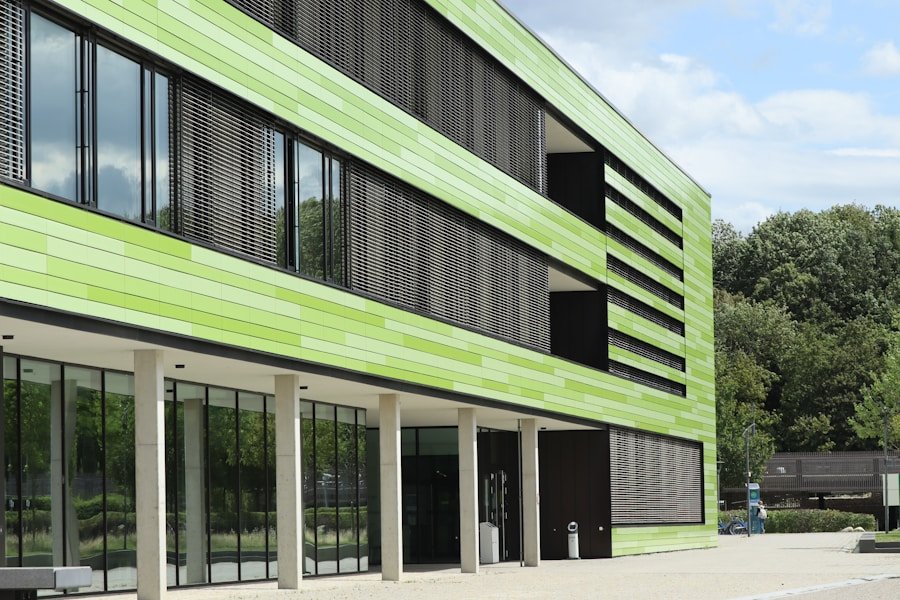
Sustainable building certifications can serve as a foundational tool for companies seeking to expand their operations internationally. These certifications, acting as a universal language for environmental responsibility and building performance, can smooth the path for market entry and foster trust with stakeholders in new geographies. This article examines how these certifications break down barriers and pave the way for global growth.
Understanding the Landscape of Sustainable Building Certifications
Sustainable building certifications provide a framework for evaluating and recognizing buildings that demonstrate enhanced environmental performance. They apply a set of predefined criteria covering aspects such as energy efficiency, water conservation, material sourcing, indoor environmental quality, and site sustainability. These systems are not merely decorative accolades; they are robust evaluation tools that translate complex sustainability principles into measurable outcomes.
Key International Certification Systems
Several prominent certification systems have gained global recognition, each with its own strengths and methodologies.
Leadership in Energy and Environmental Design (LEED)
LEED, developed by the U.S. Green Building Council (USGBC), is one of the most widely adopted green building certification programs globally. It offers different rating systems for various building types, including new construction, existing buildings, and neighborhood developments. LEED’s point-based system allows projects to achieve different levels of certification: Certified, Silver, Gold, and Platinum. The program emphasizes a holistic approach, rewarding projects for implementing practical strategies and solutions that can reduce environmental impact. Its widespread adoption in North America has naturally led to its international influence, with many countries either adopting LEED directly or using it as a benchmark for developing their own systems.
Building Research Establishment Environmental Assessment Method (BREEAM)
BREEAM, originating in the United Kingdom, is another established international standard for assessing the environmental performance of buildings. It covers a broad range of sustainability issues, including energy, water, waste, land use, pollution, health, and well-being. BREEAM uses a credit-based system and assigns a rating from ‘Pass’ to ‘Outstanding’. It is particularly prevalent in Europe and has seen increasing adoption in other regions. BREEAM’s comprehensive nature and its focus on specific regional environmental concerns make it a valuable tool for diverse international projects.
Green Star
Green Star is Australia’s leading voluntary sustainability rating system for buildings and communities. It evaluates environmental performance across key areas such as management, indoor environment quality, energy, transport, water, materials, land use, ecology, and pollution. Similar to LEED and BREEAM, Green Star offers various levels of certification. Its development was driven by the unique environmental challenges and regulatory landscape of Australia, but it has also found application in some international contexts, particularly in the Asia-Pacific region.
Emerging and Region-Specific Certifications
Beyond these major systems, a growing number of region-specific and specialized certifications are emerging, catering to unique market needs and regulatory environments. These can include certifications focused on specific aspects like healthy materials, climate resilience, or net-zero energy performance. For companies planning international expansion, understanding this evolving landscape is crucial for selecting the most relevant and impactful certifications.
Bridging the Gap: Certifications as an Entry Visa to New Markets
Sustainable building certifications can act as a vital entry visa into new international markets, signaling a commitment to standards that transcend national borders. They provide a common language and a framework for demonstrating value, thereby reducing perceived risk for local stakeholders.
Enhancing Market Credibility and Trust
In unfamiliar markets, a recognized sustainable building certification provides immediate credibility. It assures potential clients, investors, and regulatory bodies that a project has met stringent, independently verified performance benchmarks. This is particularly important where local building codes or environmental regulations may be less developed or less stringent. The certification acts as an independent endorsement, a signal that the building is not just structurally sound but also environmentally responsible.
Building Rapport with Local Stakeholders
For multinational corporations, integrating with local communities and governmental bodies is paramount. A commitment to internationally recognized sustainability standards, as evidenced by certifications, can foster goodwill and mutual respect. It demonstrates an understanding of and a willingness to adhere to global best practices, rather than imposing a foreign standard without consideration. This can open doors for smoother negotiations, facilitate permitting processes, and build a more positive public image.
Facilitating Access to Finance and Investment
The financial sector is increasingly incorporating environmental, social, and governance (ESG) criteria into investment decisions. Buildings with high sustainability certification ratings are often perceived as lower risk and higher value investments, leading to more favourable financing terms.
Attracting Green Financing and Investment Funds
A growing pool of capital is dedicated to sustainable projects. Certifications like LEED, BREEAM, and Green Star are well-understood by these investors and can make a project more attractive for green bonds, impact investments, and specialized ESG funds. This can be a significant advantage for companies seeking the substantial capital required for international expansion.
Reducing Operational and Future Investment Risks
Certified sustainable buildings often exhibit lower operational costs due to enhanced energy and water efficiency. This predictable financial performance can be highly attractive to investors. Furthermore, by proactively addressing environmental concerns, such buildings may be better insulated from future regulatory changes or the increasing costs associated with environmental externalities.
Navigating Regulatory Environments
While certifications are voluntary, they can profoundly influence navigating complex and varied international regulatory landscapes. They provide a structured approach to compliance and often anticipate future regulatory trends.
Streamlining Permitting and Approvals
In some jurisdictions, a pre-certified sustainable building design may expedite the permitting and approval process. Local authorities may view certified projects as meeting or exceeding their environmental requirements, thus reducing the need for extensive scrutiny. This can save valuable time and resources during the critical early stages of international development.
Setting a Benchmark for Future Projects
By successfully implementing and certifying buildings in a new market, a company establishes a precedent and a benchmark for its subsequent projects in that region. This builds internal expertise and a track record, making future expansions smoother and more efficient. It’s like planting a flag; subsequent endeavors in that territory become easier once the initial ground is broken and claimed.
Leveraging Certifications for Operational Efficiency and Market Differentiation
Beyond market entry, sustainable building certifications contribute to operational excellence and provide a distinct competitive advantage in international markets.
Driving Innovation in Design and Construction
The rigorous requirements of sustainability certifications often push design and construction teams to explore innovative solutions. This can lead to the adoption of new materials, technologies, and construction methods that are more efficient and environmentally responsible.
Encouraging the Use of Sustainable Materials and Technologies
Certifications incentivize the selection of materials with lower embodied energy, recycled content, and responsible sourcing. They also promote the integration of advanced energy-saving technologies, water recycling systems, and smart building management systems. This often results in buildings that are not only greener but also more technologically advanced and resilient.
Fostering Collaboration and Knowledge Transfer
The pursuit of high-level certifications often necessitates close collaboration between architects, engineers, contractors, and building owners. This collaborative process can lead to significant knowledge transfer and the development of best practices that can be applied across multiple projects and geographies. It creates a ripple effect of learned expertise.
Enhancing Building Performance and Occupant Well-being
The focus on indoor environmental quality, energy efficiency, and water conservation inherent in these certifications translates directly into tangible benefits for building occupants and operators.
Improving Indoor Air Quality and Occupant Health
Certifications often award points for strategies that improve indoor air quality, such as enhanced ventilation, the use of low-VOC (volatile organic compound) materials, and acoustic comfort. This contributes to a healthier and more productive environment for occupants, a selling point in any market.
Reducing Energy and Water Consumption
The core of many certifications is the drive to reduce energy and water consumption. This leads to lower utility bills for building owners and tenants, offering a clear financial incentive for adopting sustainable practices. This focus on resource efficiency is increasingly valuable in a world facing resource scarcity and rising energy costs.
Cultivating a Sustainable Brand Identity
In a globalized marketplace, consumers and businesses are increasingly attuned to the environmental and social impact of the companies they engage with. Sustainable building certifications can become a powerful tool for shaping and reinforcing a positive brand identity.
Demonstrating Corporate Social Responsibility (CSR)
Achieving sustainable building certifications is a concrete and visible demonstration of a company’s commitment to CSR. This can enhance a company’s reputation and make it a preferred partner or supplier for other organizations that prioritize sustainability.
Attracting and Retaining Talent
A commitment to sustainability can resonate with employees, particularly younger generations who are often more environmentally conscious. Companies with a strong sustainable profile may find it easier to attract and retain top talent, both domestically and internationally. This aligns with the idea that a company’s values can be a powerful recruiting tool.
Overcoming Challenges in International Certification Application
While the benefits are significant, navigating the process of obtaining international sustainable building certifications is not without its challenges. Understanding these hurdles is key to developing effective strategies for overcoming them.
Understanding Diverse Local Contexts and Regulations
Each country and region has its own unique environmental challenges, regulatory frameworks, and cultural nuances. A certification system designed for one context may require adaptation or careful interpretation to be effective in another.
Adapting Global Standards to Local Realities
Global certifications often have flexibility to account for local conditions. For example, LEED and BREEAM offer regional variations or credits that can be tailored to specific climates, available resources, or local environmental priorities. Identifying these adaptation opportunities is crucial.
Engaging with Local Experts and Authorities
Collaborating with local consultants, engineers, and regulatory officials is essential for understanding and navigating the specific requirements and expectations of a new market. Their expertise can help bridge potential gaps in understanding and facilitate a smoother certification process.
Managing Costs and Resource Allocation
The certification process itself can involve costs related to consulting fees, documentation, third-party reviews, and potential design modifications. For international expansion, these costs must be carefully budgeted.
Conducting Thorough Pre-Incentive Analysis
Before embarking on a certification journey in a new market, conduct a thorough analysis of the costs versus the potential benefits. This includes evaluating the market demand for certified buildings, potential cost savings, and the impact on brand reputation.
Prioritizing Certification Goals
Companies may not need to pursue the highest level of certification for every project. Understanding the core sustainability goals and market expectations can help in prioritizing which aspects of the certification are most critical, potentially reducing the overall cost and effort. It’s about choosing the right tool for the job, not necessarily the most complex.
Ensuring Quality Control and Consistency
Maintaining the integrity of sustainable building practices across multiple international projects requires robust quality control mechanisms. This ensures that the intended environmental performance is actually delivered.
Implementing Internal Training and Education Programs
Investing in training programs for design and construction teams on sustainable building principles and the specific requirements of chosen certifications is vital. This builds capacity and ensures a consistent approach.
Utilizing Digital Tools for Project Management and Documentation
Leveraging digital platforms for project management, documentation, and performance tracking can significantly improve efficiency and ensure that all required information is accurately gathered and submitted for certification. This provides a digital thread to follow the project’s sustainability journey.
The Future of Sustainable Building Certifications in Global Expansion
| Metrics | Data |
|---|---|
| Number of sustainable building certifications | 500 |
| Percentage of international companies with sustainable building certifications | 75% |
| Cost savings from sustainable building certifications | 20% |
| Reduction in carbon emissions from sustainable building certifications | 30% |
The role of sustainable building certifications in facilitating international expansion is poised to grow. As global awareness of climate change and resource depletion intensifies, so too will the demand for demonstrably sustainable built environments.
Evolving Certification Standards and Innovations
Certification bodies are continuously updating their standards to reflect new research, technological advancements, and emerging environmental concerns. This includes a greater focus on life-cycle assessment, resilience to climate change, and circular economy principles.
Incorporating Life-Cycle Assessment (LCA) and Embodied Carbon
Future certifications are likely to place a stronger emphasis on the environmental impact of materials throughout their entire life cycle, from extraction to disposal. This means increased attention to embodied carbon, the emissions associated with materials manufacturing and construction.
Addressing Climate Resilience and Adaptation
As extreme weather events become more frequent, certifications are increasingly incorporating requirements related to building resilience, such as flood resistance, heatwave preparedness, and the ability to withstand other climate-related shocks.
The Growing Importance of ESG Reporting
The demand for transparent and standardized ESG reporting is a significant driver for sustainable building certifications. Companies seeking to attract investors and meet regulatory requirements will increasingly rely on these certifications to validate their sustainability claims.
Aligning Certifications with ESG Frameworks
The data and metrics generated by sustainable building certifications are highly valuable for ESG reporting. Many certifications are actively working to align their frameworks with major ESG reporting standards, making it easier for companies to integrate this information into their broader corporate disclosures.
The Certification as a Proof Point for Sustainability Investments
For investors, a certified sustainable building serves as a tangible proof point for their investment in environmental performance. This reduces the perceived risk and increases confidence in the sustainability of the asset.
The Certification as a Catalyst for a Greener Global Built Environment
Ultimately, sustainable building certifications act as powerful catalysts, driving innovation, influencing market demand, and raising the bar for environmental performance across the global construction industry. For companies looking to expand internationally, these certifications are not just compliance tools but strategic assets, building bridges to new opportunities and a more sustainable future. They represent a handshake across borders, a commitment to shared values, and a blueprint for responsible global development.