
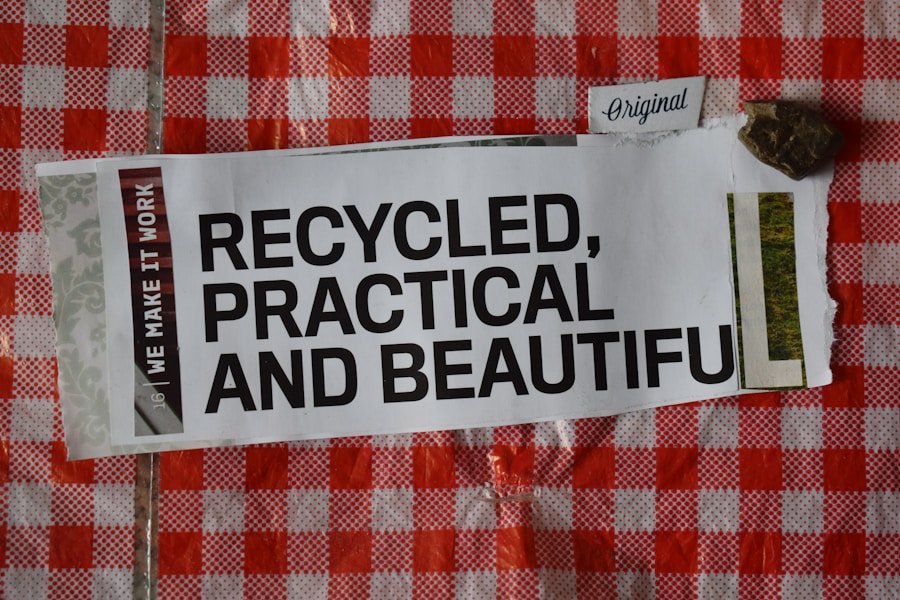
The year 2021 witnessed a significant acceleration in the development and adoption of sustainable packaging solutions. Driven by increasing consumer awareness, regulatory pressures, and corporate sustainability goals, innovators across various industries focused on addressing the environmental impact of traditional packaging materials. This article explores some of the notable strides made in sustainable packaging during this period, highlighting key trends and specific examples.
Redefining Material Science: Beyond Petrochemicals
The core of sustainable packaging innovation lies in moving away from petroleum-based plastics and exploring alternatives that are renewable, biodegradable, or recyclable at scale. Material scientists are actively engaged in creating new generations of packaging that offer comparable performance to conventional materials while minimizing environmental footprints.
Bioplastics Advance Towards Commercial Viability
Bioplastics, derived from biomass such as corn starch, sugarcane, and cellulose, continued to gain traction in 2021. While challenges related to scalability, cost-effectiveness, and end-of-life infrastructure persist, significant progress was made.
- PHA (Polyhydroxyalkanoates): This naturally occurring polyester gained particular attention due to its biodegradability in various environments, including marine and soil. Companies like Danimer Scientific expanded production capacity for their Nodax PHA, leading to collaborations with major brands for food service ware and flexible packaging. The appeal of PHA lies in its diverse degradation pathways, offering a more robust solution than some other bioplastics.
- PLA (Polylactic Acid) Innovations: While not new, PLA saw improvements in its performance characteristics. Researchers focused on creating higher-performance PLA blends and composites to enhance heat resistance, barrier properties, and mechanical strength, making it suitable for a wider range of applications, including durable goods packaging. The goal was to bridge the gap between PLA’s inherent biodegradability and its functional limitations in demanding scenarios.
- Cellulose-Based Packaging: Harnessing the abundance of cellulose, companies explored its direct use in packaging. Innovations included transparent cellulose films offering barrier properties similar to plastics, and molded cellulose pulp replacing expanded polystyrene (EPS) for protective packaging. These developments represent a direct utilization of forestry byproducts or agricultural waste, closing the loop on material sourcing.
Paper and Cardboard: Optimized for Performance
Paper and cardboard, long-standing sustainable choices, underwent a renaissance in 2021, with advancements focusing on enhanced functionality and barrier properties. The aim was to extend their utility into markets traditionally dominated by plastics.
- Grease and Moisture Barriers: New coatings and treatments enabled paper and cardboard to better resist grease, water, and oxygen penetration. These innovations often involved plant-based waxes, biodegradable polymers, or mineral-based coatings, moving away from perfluorinated compounds (PFCs) which have environmental concerns. This allowed paper to enter markets like confectionery, frozen foods, and cosmetics.
- High-Strength Corrugated Solutions: Engineering advancements in corrugated cardboard led to lighter yet stronger designs, reducing material usage and transport emissions. These solutions employed innovative flute profiles and lamination techniques, offering comparable protection with less raw material. This mirrors the principle of structural efficiency, maximizing performance with minimal input.
- Fiber-Based Bottles and Containers: The aspiration to create fully fiber-based alternatives to plastic bottles gained momentum. Companies like Paboco (The Paper Bottle Company) showcased prototypes and pilot projects for beverage containers made primarily from wood fibers, lined with a thin, recyclable or biodegradable barrier. This represented a fundamental shift from rigid plastic to a renewable, widely recyclable material for liquid packaging.
Circular Economy in Action: Reuse and Refill Models
Beyond material innovation, 2021 saw a significant push towards circular economy principles, with a growing emphasis on reuse and refill systems. These models aim to decouple consumption from single-use packaging.
Scaling Up Refill Infrastructure
The expansion of refill programs, both in-store and through home delivery, became a central theme. This involved developing standardized, durable packaging and the logistics to support collection, cleaning, and redistribution.
- In-Store Refill Stations: Supermarkets and specialty stores increasingly installed refill stations for dry goods (pasta, grains, nuts), liquids (detergents, oils), and even personal care products. This required robust dispensing technology and clear labeling to ensure product integrity and consumer convenience. The challenge here is shifting ingrained consumer habits towards bringing their own containers or utilizing standardized reusable ones.
- Loop by TerraCycle Expansion: The Loop platform, which partners with major brands to offer products in durable, reusable packaging, expanded its geographical reach and product offerings. Consumers receive products in specialized totes, return empty containers, and receive deposits back. This “milkman model” for modern consumption addressed the logistical complexities of return and reuse.
- Standardized Reusable Packaging: The development of universally recognizable and returnable packaging, often made from high-grade recycled plastic or glass, started to gain traction. The aim is to create a closed-loop system where packaging remains in circulation for many uses, reducing the need for new material production. This required collaboration across brands and industries to agree on common design standards.
Smart Packaging for Return Systems
Technology played a crucial role in enabling efficient reuse and refill systems.
- QR Codes and RFID for Tracking: Smart labeling (QR codes, RFID tags) on reusable packaging allowed for efficient tracking of individual containers throughout their lifecycle. This data helped manage inventory, monitor cleaning cycles, and provide consumers with incentives for returns. This digital backbone is crucial for the operational efficiency of large-scale reuse systems.
- Automated Reverse Vending Machines: Innovations in reverse vending machines (RVMs) streamlined the return process for consumers. These machines could identify various reusable packaging types, dispense refunds or credits, and sort containers for efficient logistics. These machines act as an interface for consumers and a collection hub for reusable assets.
Enhanced Recyclability and Composting Solutions
Despite the focus on new materials and reuse, improving the recyclability and compostability of existing materials remained a critical area of innovation. The goal was to make it easier for consumers to properly dispose of packaging and for waste management systems to process it effectively.
Mono-Material Revolution
A significant trend involved simplifying packaging structures to consist of a single type of plastic (mono-material) rather than multi-layered composites that are difficult or impossible to recycle.
- Recyclable Pouches and Films: Brands collaborated with packaging manufacturers to develop mono-material polypropylene (PP) or polyethylene (PE) pouches and films that could be recycled within existing plastic recycling streams. This addressed the long-standing challenge of flexible packaging, which often ends up in landfills due to its complex composition. This move is about designing for end-of-life from the very beginning.
- Replacing Multi-Layered Trays: For food packaging, the shift from multi-layered plastic trays (e.g., PET/PE) to single-material PET or PP trays was prominent. This simplification made these trays compatible with common rigid plastic recycling infrastructure. This is a pragmatic step towards making current recycling systems more efficient.
Industrial and Home Composting Certification
Focus expanded on ensuring that compostable packaging truly decomposes within specified timeframes and conditions, with a greater emphasis on certification.
- TÜV AUSTRIA and BPI Certifications: Third-party certification bodies like TÜV AUSTRIA (OK Compost Industrial/Home) and the Biodegradable Products Institute (BPI) played an increasingly vital role. Strict testing and certification standards ensured that packaging marketed as compostable met performance criteria for industrial composting facilities or even home composting environments. This combats “greenwashing” by providing verifiable claims.
- Compostable Films and Coatings: Innovations in compostable films for food wrappers and coatings for paper cups and containers aimed to replace conventional plastic liners. These new materials were designed to degrade entirely into natural components, leaving no harmful residues.
Digitalization and Transparency in Supply Chains
Technology was a powerful enabler of sustainable packaging, offering unprecedented levels of transparency and efficiency in material sourcing, production, and end-of-life management.
Blockchain for Traceability
Blockchain technology emerged as a tool to verify the sustainable origins of packaging materials and track their journey through the supply chain.
- Verifying Recycled Content: Brands explored using blockchain to trace the provenance of post-consumer recycled (PCR) content, providing consumers with assurance that their packaging genuinely contains recycled materials. This builds trust and combats claims of misleading percentages of PCR. Imagine a digital ledger following every flake of recycled plastic.
- Sustainable Sourcing of Bio-Based Materials: For bio-based packaging, blockchain could be used to verify that raw materials like wood pulp or sugarcane were sourced from sustainably managed forests or ethical agricultural operations, preventing deforestation or exploitative labor practices.
AI and Data Analytics for Optimization
Artificial intelligence (AI) and data analytics were leveraged to optimize packaging design, reduce material waste, and improve logistics.
- Packaging Design Optimization: AI algorithms analyzed product specifications, shipping conditions, and material properties to recommend optimal packaging designs that minimize material usage while ensuring product protection. This ‘smart design’ approach reduces both material waste and transport volume, diminishing the overall carbon footprint.
- Waste Stream Analysis: Data analytics helped identify bottlenecks in recycling and composting systems, pin-pointing where packaging was failing to be processed effectively. This information allowed for targeted improvements in infrastructure and consumer education. It provided insights into the reality on the ground, rather than relying on assumptions.
Legislative and Regulatory Driving Forces
| Company | Innovation | Material | Impact |
|---|---|---|---|
| Loop | Reusable packaging platform | Durable materials | Reduces single-use packaging waste |
| Notpla | Edible water bubbles | Seaweed-based | Eliminates plastic water bottles |
| Ecologic Brands | Paper bottle with a plastic liner | Paper and plastic | Reduces plastic use in packaging |
| AirCarbon | Carbon-negative packaging | Renewable bioplastics | Removes more carbon from the atmosphere than it emits |
Policy and legislation played a crucial role in accelerating sustainable packaging trends in 2021, providing frameworks and incentives for businesses to adopt more environmentally friendly practices.
Extended Producer Responsibility (EPR) Schemes
EPR schemes, which hold producers responsible for the entire lifecycle of their products and packaging, expanded and matured in many regions.
- Mandatory EPR Implementation: More countries and regions implemented or strengthened mandatory EPR schemes, forcing brands to contribute financially to the collection, sorting, and recycling of their packaging. This created a direct incentive for companies to design packaging that is easier and cheaper to recycle. It internalizes the environmental cost of packaging.
- EPR Fees as an Innovation Driver: The structure of EPR fees often included modulated rates, meaning that packaging designed for recyclability or made from recycled content incurred lower fees. This financial incentive directly encouraged sustainable packaging innovation and material choices. It is a powerful economic lever for change.
Single-Use Plastic Bans and Restrictions
The continued global trend of banning or restricting certain single-use plastic items directly spurred the development of alternative packaging solutions.
- EU Single-Use Plastics Directive: The implementation of the EU’s Single-Use Plastics Directive continued to drive innovation in alternatives for items like plastic straws, cutlery, plates, and expanded polystyrene food containers. This legislation acted as a powerful market signal, creating demand for non-plastic alternatives. Imagine a direct challenge to convenience culture.
- National and Local Bans: Beyond regional directives, numerous national and local governments enacted their own bans on specific plastic items, further diversifying the market for sustainable alternatives across different jurisdictions. This fragmented legislative landscape nonetheless pushed for a common goal of plastic reduction.
In conclusion, 2021 was a pivotal year for sustainable packaging. The confluence of material science breakthroughs, the embrace of circular economy models, technological advancements, and supportive legislation created a dynamic environment for innovation. While challenges remain, particularly in scaling solutions and ensuring proper end-of-life infrastructure, the trajectory set in 2021 points towards a future where packaging plays a less detrimental and more constructive role in our environmental footprint. The industry continued its journey to shed its skin, evolving into a more conscious and responsible entity.