
Introduction to Commercial Hyperbaric Chambers
Commercial hyperbaric chambers represent a significant investment for businesses aiming to offer hyperbaric oxygen therapy (HBOT) to clients. These specialized enclosures deliver oxygen at pressures greater than atmospheric pressure, facilitating a range of potential therapeutic benefits. This guide provides an overview of key considerations for business owners contemplating the acquisition of such equipment. Understanding the nuances of chamber types, regulatory requirements, operational logistics, and financial implications is crucial for a successful integration of HBOT services.
Understanding Hyperbaric Chamber Types
The market for commercial hyperbaric chambers offers a variety of designs, each suited to different operational needs and patient considerations. Selecting the appropriate type requires careful evaluation of intended use, spatial constraints, and client demographics.
Monoplace Chambers
Monoplace chambers are designed to accommodate a single individual. These units are typically cylindrical, often transparent, and enclose the patient completely.
Advantages of Monoplace Chambers
- Cost-effectiveness: Generally less expensive to purchase and operate compared to multiplace chambers.
- Space efficiency: Require less floor space, suitable for smaller clinics or offices.
- Individualized treatment: Allows for precise control of pressure and oxygen concentration for a single patient, minimizing cross-contamination risks.
- Patient comfort: Many modern monoplace chambers offer features like entertainment systems or comfortable bedding.
Disadvantages of Monoplace Chambers
- Isolation: Patients may experience claustrophobia due to the enclosed nature.
- Limited interventions: Medical staff cannot directly access the patient during treatment, limiting emergency interventions.
- Slower throughput: One patient at a time restricts the number of treatments performed hourly.
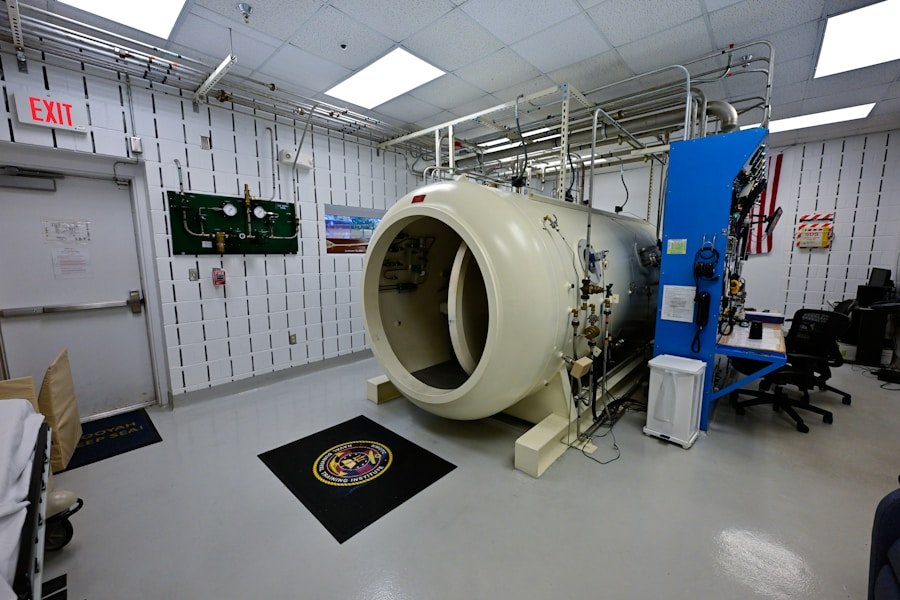
Multiplace Chambers
Multiplace chambers are larger, allowing multiple individuals to be treated simultaneously. These chambers often resemble small rooms, equipped with seating and communication systems. They are typically operated by a hyperbaric technician or nurse inside the chamber with the patients, or via external controls with comprehensive monitoring.
Advantages of Multiplace Chambers
- Higher patient throughput: Can treat multiple patients concurrently, improving operational efficiency.
- Direct medical supervision: Medical personnel can be present inside the chamber, enabling immediate intervention in case of emergencies.
- Reduced claustrophobia: The larger space and presence of others can alleviate feelings of confinement for some patients.
- Flexibility for specific conditions: Suitable for treating patients requiring more intensive monitoring or nursing care during therapy.
Disadvantages of Multiplace Chambers
- Higher acquisition and operational costs: Significantly more expensive to purchase, install, and maintain.
- Increased space requirements: Demand substantial floor space and specialized infrastructure.
- Complex operation: Requires a trained hyperbaric team (technicians, nurses, potentially physicians) for operation and safety.
- Ventilation and gas management: More complex systems for air circulation, CO2 scrubbing, and gas delivery.
Regulatory and Safety Compliance
Operating a commercial hyperbaric chamber involves navigating a complex landscape of regulatory requirements and safety standards. Non-compliance can lead to severe penalties, patient harm, and reputational damage. It is paramount to approach this aspect with meticulous attention to detail.
Licensing and Accreditation
Depending on the jurisdiction, operating a hyperbaric facility may require specific licenses from local, state, or national health authorities. Accreditation bodies, while often voluntary, can enhance credibility and demonstrate adherence to high standards of care.
Relevant Governing Bodies
- Medical boards: Oversee the practice of medicine and physician supervision.
- Health departments: Enforce facility standards and operational permits.
- Accreditation organizations: Examples include the Undersea and Hyperbaric Medical Society (UHMS) or Det Norske Veritas (DNVGL), which provide guidelines for best practices and patient safety.
Safety Standards and Protocols
Hyperbaric chambers present inherent risks due to the use of high-pressure oxygen. Strict adherence to safety protocols is non-negotiable.
Fire Safety
- Oxygen-enriched environment: Increased risk of combustion.
- Material selection: Chamber interiors must be constructed from fire-retardant materials.
- Electrical safety: All electrical components inside and around the chamber must be intrinsically safe or specifically rated for hyperbaric environments.
- Emergency procedures: Clear protocols for fire evacuation, fire suppression systems (e.g., deluge systems for multiplace chambers), and emergency oxygen shutdown.
Pressure Vessel Safety
- ASME PVHO-1 certification: Chambers must meet the safety standard for pressure vessels for human occupancy, ensuring structural integrity.
- Regular inspections: Periodic inspections by qualified engineers are essential to verify the chamber’s structural soundness and detect potential flaws.
- Maintenance logs: Detailed records of all maintenance, repairs, and calibration must be meticulously kept.
Operational Logistics and Infrastructure
Beyond the chamber itself, the successful integration of HBOT services requires careful planning of operational logistics and the establishment of adequate infrastructure. This encompasses everything from facility design to the supply chain for vital resources.
Facility Design and Construction
The physical space housing the hyperbaric chamber must be purpose-built or appropriately modified to meet safety and operational requirements.
Spatial Requirements
- Chamber footprint: Account for the chamber’s dimensions, including access for maintenance and patient entry/exit.
- Control room: Dedicated space for monitoring equipment, control panels, and operator.
- Patient waiting areas: Comfortable and accessible space for clients before and after treatment.
- Oxygen storage: Secure and ventilated area for oxygen tanks or oxygen generation equipment, compliant with local fire codes.
- Emergency exits: Clear and unobstructed paths for emergency evacuation.
Environmental Controls
- Temperature and humidity: Maintain comfortable conditions within the chamber and surrounding facility.
- Ventilation: Adequate airflow to prevent accumulation of contaminants, especially in oxygen storage areas.
- Noise reduction: Sound insulation to create a therapeutic environment.
Staffing and Training
Operating a commercial hyperbaric chamber demands a trained and competent team. Investment in staff education is a core component of patient safety and operational efficacy.
Key Personnel
- Hyperbaric physicians: Medical doctor with specialized training in hyperbaric medicine, responsible for prescribing treatments and overseeing patient care.
- Hyperbaric technicians/nurses: Trained professionals responsible for operating the chamber, monitoring patients, and providing direct patient care during treatments.
- Support staff: Administrative personnel for scheduling, billing, and patient intake.
Training and Certification
- Accredited courses: Staff should complete courses approved by organizations like the UHMS or National Board of Diving and Hyperbaric Medical Technology (NBDHMT).
- Ongoing education: Regular continuing education and skill refreshers are essential to maintain competence and stay abreast of evolving best practices.
- Emergency drills: Frequent drills involving simulated emergencies (e.g., fire, pressure loss, medical emergencies) to ensure staff proficiency.
Oxygen Supply and Compression Systems
| Feature | Description |
|---|---|
| Chamber Size | Available sizes: single, double, multiplace |
| Pressure Range | Typically 1.3 to 3.0 ATA |
| Construction Material | Options: acrylic, steel, aluminum |
| Control System | Manual or automatic control options |
| Accessories | Available add-ons: gurneys, medical air compressors, oxygen concentrators |
The very essence of hyperbaric oxygen therapy lies in the controlled delivery of oxygen under pressure. The choice of oxygen supply and compression system significantly impacts operational costs, safety, and logistical complexity.
Oxygen Sources
Two primary methods exist for supplying oxygen to commercial hyperbaric chambers.
Liquid Oxygen (LOX)
- Bulk storage: LOX is stored in large cryogenic tanks on the facility’s premises.
- High purity: Typically offers very high purity oxygen.
- Cost-effective for high volume: Economical if the facility has a high patient turnover, reducing per-unit cost.
- Safety considerations: Requires specialized handling, storage, and adherence to cryogenic safety protocols.
- Supply chain reliability: Dependency on supplier deliveries.
Oxygen Concentrators
- On-site generation: Concentrators extract oxygen from ambient air, separating it from nitrogen and other gases.
- Reduced logistical complexity: Eliminates the need for frequent oxygen deliveries and bulk storage.
- Lower upfront cost (potentially): Can be more affordable for smaller operations or those with lower oxygen demands.
- Purity variability: The purity level can vary, and it may not always meet the stringent requirements for medical-grade oxygen in all jurisdictions. Verification of medical device status and purity specifications is crucial.
- Maintenance: Requires regular filter changes and maintenance.
Compression Systems
The compression system is responsible for increasing the pressure inside the hyperbaric chamber.
Air Compressors
- Filtered air: Supply clean, dry, and oil-free air to the chamber.
- Redundancy: Often, multiple compressors or redundant systems are installed to ensure continuous operation in case of a component failure.
- Noise and heat: Compressors can be noisy and generate heat, necessitating sound insulation and ventilation.
Boosters
- For pure oxygen: Dedicated oxygen boosters may be used to further increase the pressure of pure oxygen before it enters the chamber or breathing circuits.
- Safety: Must be specifically designed and rated for oxygen service to prevent ignition risks.
Financial Considerations and Return on Investment
Acquiring and operating a commercial hyperbaric chamber involves substantial financial commitments. A thorough financial analysis is essential to project profitability and ensure sustainability.
Capital Expenditure
The initial investment for a hyperbaric chamber is a significant hurdle.
Chamber Purchase Price
- Monoplace: Typically ranges from $70,000 to $200,000+.
- Multiplace: Can range from $500,000 to several million dollars, depending on size, features, and manufacturer.
- Ancillary equipment: Oxygen supply systems, air compressors, communications systems, fire suppression (for multiplace), patient monitoring equipment, etc.
Installation and Facility Upgrades
- Construction costs: Modifications to the building structure, electrical systems, plumbing, and ventilation.
- Permitting: Fees associated with obtaining necessary construction and operational permits.
- Shipping and rigging: Costs for transporting and positioning the chamber.
Operating Expenses
Ongoing costs are a continuous stream that must be factored into the business model.
Staffing Costs
- Salaries and benefits: For physicians, technicians, nurses, and administrative staff.
- Training and certification: Ongoing education and maintenance of credentials.
Consumables and Utilities
- Oxygen: Cost of liquid oxygen deliveries or electricity for oxygen concentrators.
- Electricity: For the chamber, compressors, climate control, and facility operations.
- Maintenance and repairs: Scheduled maintenance, unexpected repairs, replacement parts.
- Medical supplies: Patient gowns, masks, disposables.
Insurance and Regulatory Fees
- Liability insurance: Essential to protect against potential patient injury claims.
- Property insurance: To cover the chamber and facility.
- Licensing and accreditation fees: Recurring costs for maintaining compliance.
Revenue Generation and Reimbursement
Understanding the potential revenue streams is critical for projecting ROI.
Treatment Fees
- Cash pay: Direct billing to clients.
- Insurance reimbursement: Navigating the complex world of medical insurance coding (CPT codes) and reimbursement rates. Many HBOT treatments for conditions like diabetic foot ulcers or radiation necrosis are covered by insurance, but others may not be.
- Package deals: Offering discounted rates for blocks of treatments.
Projected ROI Calculation
- Break-even analysis: Determine the number of treatments required to cover operational costs.
- Profit margins: Estimate the profitability of each treatment based on costs and revenue.
- Timeline: Project the time frame for recouping the initial capital investment.
Commercial hyperbaric chambers are not merely pieces of equipment; they are sophisticated medical devices requiring significant financial, operational, and regulatory commitment. Approaching this investment with thorough due diligence, a clear understanding of the market, and an unwavering commitment to safety and quality will pave the way for a successful and impactful HBOT service. This guide serves as a foundational blueprint, but individual requirements will necessitate deeper investigation and expert consultation.