
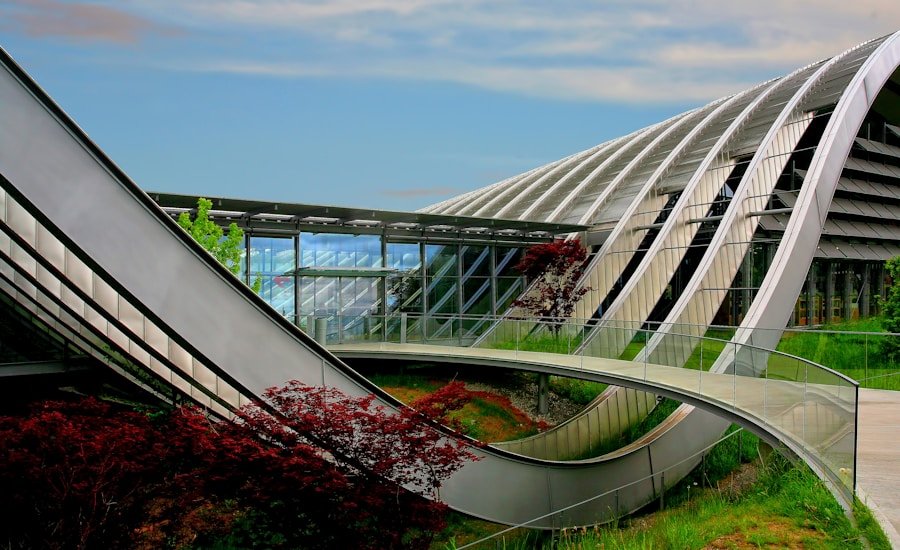
Dubai’s property development landscape has historically been characterized by large-scale, often extravagant, projects. In recent years, a discernible shift towards sustainability has begun to influence this sector, giving rise to “eco-chic” developments. This article explores the emergence of eco-friendly luxury villas within Dubai’s prestigious property scene, examining the motivations behind this trend, the technologies and design philosophies employed, and their integration into the wider urban fabric.
The Sustainability Imperative in Dubai
Dubai, a city built in an arid climate, faces unique challenges regarding resource management. Its rapid growth and high energy consumption have prompted a re-evaluation of development practices. The government’s strategic visions, such as the Dubai Clean Energy Strategy 2050 and the UAE Vision 2021, underscore a commitment to sustainable development. This commitment is translating into tangible action within the property sector, where developers are increasingly incorporating environmental considerations into their designs and construction processes.
Government Initiatives and Green Building Codes
The Dubai Municipality has implemented various green building regulations, mandating specific standards for new constructions. These regulations cover aspects such as energy efficiency, water conservation, material selection, and waste management. While initially focused on commercial and public buildings, their influence is extending to luxury residential developments. Adherence to these codes is becoming a prerequisite for obtaining development permits, prompting a systemic shift in construction practices.
Market Demand and Evolving Consumer Preferences
Beyond regulatory pressures, a growing segment of affluent buyers in Dubai is demonstrating a preference for properties that align with environmental values. This demographic, often globally aware and technologically sophisticated, seeks residences that offer both luxury and a reduced ecological footprint. The perceived value of sustainable living, encompassing lower operating costs, improved indoor air quality, and a sense of ethical consumption, is driving this demand. Developers are responding to this by marketing environmental features as premium amenities, rather than mere compliance.
Defining Eco-Chic: Principles and Practices
“Eco-chic” in the context of Dubai’s luxury villas refers to the harmonious integration of sustainable design principles with high-end aesthetics and amenities. It is a departure from the notion that eco-friendly construction must be rudimentary or aesthetically compromised. Instead, it demonstrates that luxury and environmental responsibility can coexist and even enhance each other.
Bioclimatic Design and Passive Strategies
A cornerstone of eco-chic design is the application of bioclimatic principles. This involves orienting buildings to maximize natural light and ventilation while minimizing solar heat gain. Overhangs, shading devices, and thoughtful landscaping work in concert to reduce the reliance on mechanical cooling systems, which are significant energy consumers in Dubai.
- Solar Orientation: Villas are strategically positioned to minimize direct sun exposure on large glass facades, particularly during the hottest parts of the day.
- Natural Ventilation: Designs often incorporate cross-ventilation pathways and strategically placed openings to facilitate airflow, reducing the need for air conditioning during milder periods.
- Shading Elements: Deep eaves, louvers, and perforated screens are integrated into the architectural design to provide shade, acting as a buffer against intense sunlight.
Advanced Technologies for Resource Efficiency
Beyond passive design, eco-chic villas leverage state-of-the-art technologies to optimize resource consumption. These innovations transform a conventional luxury home into a smart, resource-efficient sanctuary.
- Solar Photovoltaic Systems: Rooftop solar panels are becoming a common feature, generating clean electricity and often feeding surplus energy back into the grid. This reduces reliance on fossil fuel-generated power and lowers utility bills.
- High-Efficiency HVAC Systems: Advanced heating, ventilation, and air conditioning (HVAC) systems with high Seasonal Energy Efficiency Ratios (SEER) are employed. These systems often incorporate smart controls that learn occupant preferences and optimize energy usage.
- Water Recycling and Conservation: Greywater recycling systems, which treat wastewater from sinks and showers for irrigation, are increasingly deployed. Low-flow fixtures, drip irrigation systems for landscaping, and native, drought-resistant plant choices significantly reduce water consumption.
- Smart Home Automation: Integrated systems control lighting, temperature, and appliance usage, often with remote access. This allows residents to monitor and manage their energy footprint effectively, transforming awareness into action.
Architectural Expressions and Material Selection
The aesthetic language of eco-chic villas is diverse, yet often shares common threads: a connection to nature, an emphasis on natural materials, and a sophisticated approach to integrating sustainable features seamlessly.
Blending with the Environment
Many eco-chic developments emphasize a harmonious relationship with their surroundings. This can manifest through expansive glass facades that blur the lines between indoor and outdoor spaces, or through the deliberate integration of natural elements such as water features and indigenous planting. The aim is to create living environments that feel both luxurious and rooted in their ecological context.
Sustainable Material Sourcing
The selection of building materials plays a crucial role in reducing the environmental impact of these luxury villas. Developers are increasingly opting for materials that are:
- Locally Sourced: Reducing transportation emissions and supporting local economies.
- Recycled/Recyclable Content: Incorporating materials with a high percentage of recycled content, such as recycled steel or glass.
- Low Volatile Organic Compound (VOC) Materials: Minimizing the release of harmful chemicals into the indoor environment, contributing to better air quality.
- Responsibly Harvested Wood: Ensuring timber comes from sustainably managed forests, often accredited by organizations like the Forest Stewardship Council (FSC).
Examples include sustainable timber for decking, recycled aggregates for concrete, and natural stone or engineered wood with low environmental impact for interior finishes.
Case Studies: Pioneers in Dubai’s Eco-Chic Landscape
Several developments are demonstrating the potential of eco-chic luxury in Dubai. These projects, often master-planned communities, serve as blueprints for future sustainable living.
Dubai Sustainable City
A prominent example, Dubai Sustainable City, is designed as a fully integrated residential community that prioritizes environmental performance. While not exclusively villas, it features numerous luxury residences that embody eco-chic principles. The city operates on a “net-zero” energy concept, generating its power through extensive solar panels. It also incorporates widespread water recycling, organic farming, and a car-free zone to promote walking and cycling. Residents benefit from reduced utility costs and a healthier, greener living
environment. The villas within this development showcase many of the principles discussed, including passive design, solar energy integration, and smart home technology.
Al Barari
Known for its extensive green spaces and focus on wellness, Al Barari offers luxury villas set within a lush, landscaped environment. While its initial phases predated the explicit “eco-chic” branding, its design ethos aligns with many sustainable principles. The development prioritizes natural landscaping, water features that contribute to microclimate cooling, and a general emphasis on integrating residences with nature. Later phases have incorporated more explicit sustainability features, responding to evolving market demands. The low-density nature of Al Barari and its dedication to significant green corridors exemplify a responsible approach to land use in an urbanizing environment.
The Future Trajectory of Eco-Chic in Dubai
| Villa Name | Location | Size (sq ft) | Energy Efficiency Rating |
|---|---|---|---|
| Green Oasis | Palm Jumeirah | 10,000 | 5 stars |
| Eco Haven | Emirates Hills | 15,000 | 4 stars |
| Nature’s Retreat | Arabian Ranches | 8,000 | 5 stars |
The trajectory for eco-chic luxury villas in Dubai appears to be one of continued growth and refinement. Several factors are likely to shape this evolution.
Integration with Smart City Initiatives
Dubai’s broader smart city initiatives will undoubtedly intersect with eco-chic developments. Data-driven insights into energy consumption, waste generation, and water usage can inform advanced management systems for individual villas and entire communities. This integration promises optimized resource allocation and real-time environmental monitoring, making sustainable living more efficient and responsive. The digital twin concept, prevalent in smart city planning, could effectively model and optimize the environmental performance of these properties before construction and throughout their lifecycle.
Expanding Beyond Residential to Mixed-Use Developments
Currently, the eco-chic concept is largely focused on residential properties. However, its principles are likely to extend to mixed-use developments, where luxury retail, hospitality, and office spaces will also integrate sustainable design and technologies. This holistic approach will create truly sustainable urban ecosystems, where environmental responsibility is woven into the very fabric of daily life. Imagine luxury boutiques within an eco-certified complex, powered by renewable energy and supplied by sustainable logistics. This signifies a broader cultural shift, not just a niche market.
Certifications and Benchmarking
As the market matures, the demand for standardized certifications will likely increase. International green building certifications like LEED (Leadership in Energy and Environmental Design) or local equivalents will become more prevalent indicators of a property’s true environmental performance. These certifications provide a transparent framework for evaluating sustainability claims, offering
buyers assurance and driving developers to meet rigorous standards. This will move beyond greenwashing towards demonstrable, verifiable environmental performance.
Challenges and Opportunities
The primary challenge remains the initial investment cost associated with advanced sustainable technologies and materials. While long-term operational savings often offset these upfront expenses, the perception of higher entry costs can be a barrier. However, as technologies mature and economies of scale are achieved, these costs are expected to decrease.
The opportunity lies in positioning Dubai as a global leader in sustainable luxury development. By continuing to innovate and showcase cutting-edge eco-chic projects, Dubai can attract a discerning clientele while simultaneously advancing its environmental agenda. The city can become a living laboratory for sustainable urban development, offering blueprints for other arid environments facing similar challenges. The journey of transforming the built environment is a marathon, not a sprint, and Dubai’s eco-chic movement represents a significant stride in that race. It is a testament to the idea that luxury and responsibility can, and ultimately must, coalesce.