
Eco Design vs. Traditional Design: Which is Better for the Environment?
The built environment, from the smallest dwelling to the largest skyscraper, has a profound and lasting impact on the planet. Understanding the principles and outcomes of different design philosophies is crucial in navigating towards a more sustainable future. This article explores the fundamental differences between eco design and traditional design, examining their environmental implications and ultimately addressing which approach offers a more beneficial path for the planet. It is not about declaring one approach inherently superior in all contexts, but rather about understanding the trade-offs and the specific benefits each can bring.
Core Principles and Methodologies
The divergence between eco design and traditional design stems from their foundational philosophies and the methodologies they employ. Traditional design, for centuries, has focused on meeting immediate functional and aesthetic needs, often without a comprehensive consideration of long-term ecological consequences. Eco design, on the other hand, is explicitly rooted in the principles of sustainability, seeking to minimize negative environmental impacts throughout the entire lifecycle of a project.
Traditional Design: A Historical Perspective
Traditional design prioritizes established building practices, material choices, and construction techniques that have been developed and refined over generations. The focus is primarily on structural integrity, cost-effectiveness in the short term, and adherence to localized building codes and cultural aesthetics. Innovation within traditional design often occurs in response to technological advancements or new material availability, rather than as a direct response to environmental imperatives. This approach can be seen as a well-trodden path, familiar and predictable in its outcomes for those engaged in the process.
Material Selection in Traditional Design
Materials commonly employed in traditional design often include concrete, steel, brick, and timber sourced through conventional forestry practices. While these materials can be durable and readily available, their extraction, manufacturing, and disposal processes can be resource-intensive and contribute to pollution. The embodied energy, a measure of the energy consumed in production, transportation, and installation, is often significant.
Energy Consumption and Performance
Traditional buildings are often designed with little emphasis on passive heating and cooling strategies. Reliance on mechanical systems like air conditioning and heating is the norm, leading to substantial energy consumption and associated greenhouse gas emissions throughout the building’s operational life. Insulation standards, while improving over time, may not always reach the levels required for optimal energy efficiency by contemporary eco design standards.
Eco Design: A Paradigm Shift
Eco design, also known as sustainable design or green design, represents a fundamental shift in how buildings and products are conceived and developed. It is a holistic approach that integrates environmental considerations at every stage, from initial concept to end-of-life. The goal is to create spaces and items that are not only functional and aesthetically pleasing but also environmentally responsible. This approach seeks to work in harmony with natural systems, rather than against them.
Integrating Environmental Impact Assessment
A cornerstone of eco design is the proactive assessment of environmental impacts. This involves analyzing the full lifecycle of materials and products, considering factors such as resource depletion, pollution, and waste generation. Tools like Life Cycle Assessment (LCA) are often employed to quantify these impacts, allowing designers to make informed choices that minimize the ecological footprint.
Biomimicry and Nature-Inspired Solutions
Eco design frequently draws inspiration from nature’s own highly efficient and sustainable systems – a concept known as biomimicry. Just as a leaf efficiently captures sunlight, or a termite mound regulates temperature, eco design seeks to translate these natural principles into building solutions. This can lead to innovative designs that reduce energy demand, manage water effectively, and create healthier indoor environments.
Circular Economy Principles
A key tenet of eco design is the embrace of circular economy principles. This means designing for disassembly, repair, and reuse, moving away from the linear “take-make-dispose” model. The aim is to keep materials in use for as long as possible, minimizing waste and the need for virgin resources. This turns the end of a product’s life into a new beginning.
Environmental Impact of Materials
The choice of materials is a significant determinant of a building’s or product’s environmental performance. both eco design and traditional design utilize a range of materials, but their selection criteria and the consideration of their impacts differ considerably.
Embodied Energy and Carbon Footprint
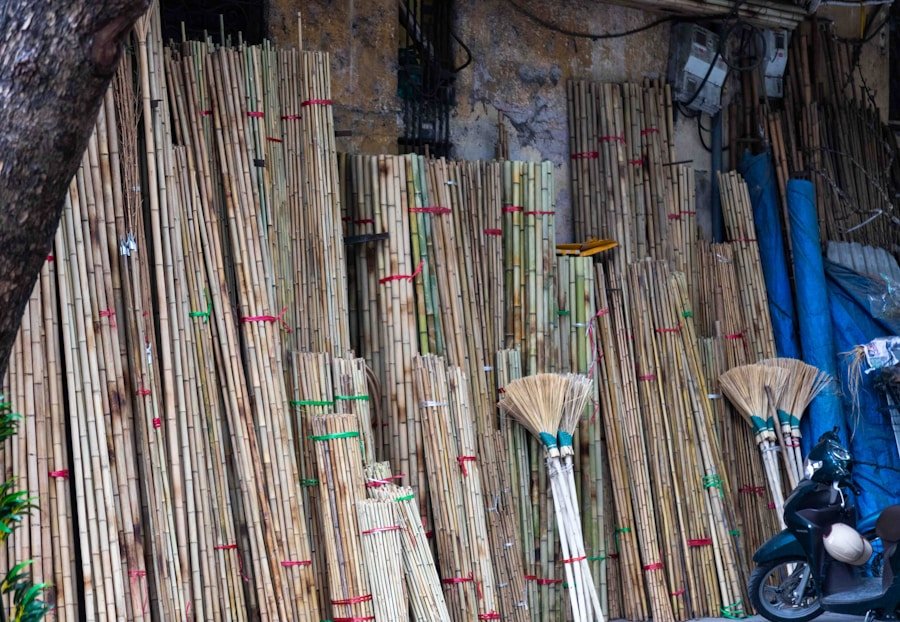
The embodied energy of materials is a critical factor in assessing their environmental toll. Conventional materials like concrete and steel, while essential for many structures, carry a substantial embodied energy debt due to energy-intensive manufacturing processes. Traditional design often overlooks this, prioritizing immediate material costs and availability. Eco design, conversely, actively seeks materials with lower embodied energy, such as sustainably harvested timber, bamboo, or recycled materials. The embodied carbon, the greenhouse gas emissions associated with extraction, manufacturing, and transport, is a direct consequence of embodied energy.
Resource Depletion and Extraction Impacts
The extraction of raw materials for traditional building often leads to significant environmental degradation, including habitat destruction, soil erosion, and water pollution. Mining for aggregates, quarrying for stone, and logging of forests all have profound and often irreversible impacts on ecosystems. Eco design aims to mitigate these issues by favoring materials that are rapidly renewable, recycled, or sourced from sustainably managed operations.
Toxicity and Indoor Air Quality
Many materials used in traditional construction can off-gas volatile organic compounds (VOCs) and other harmful substances, negatively impacting indoor air quality and human health. This is a concern that traditional design may not always address with the same rigor as eco design. Eco design emphasizes the use of low-VOC or VOC-free materials, natural finishes, and robust ventilation strategies to create healthier living and working environments.
Energy Efficiency and Operational Performance
The way a building or product consumes energy during its use phase is a major contributor to its overall environmental impact. This is an area where eco design generally excels.
Passive Design Strategies
Passive design principles, fundamental to eco design, harness natural forces to regulate temperature and light. This includes optimizing building orientation to take advantage of solar gain in winter and minimize it in summer, strategic window placement for natural ventilation and daylighting, and the use of shading devices. Traditional design, while not entirely devoid of passive elements, often relies more heavily on active mechanical systems.
Active Energy Systems and Renewables
When active energy systems are necessary, eco design prioritizes highly efficient technologies and the integration of renewable energy sources. This can include solar panels, wind turbines, geothermal systems, and energy-efficient HVAC (heating, ventilation, and air conditioning) units. The goal is to significantly reduce or even eliminate reliance on fossil fuels for operational energy. Traditional design may incorporate some energy-efficient features, but the wholesale integration of renewables is less common.
Thermal Performance and Insulation
The thermal envelope of a building – its walls, roof, and foundation – is critical for energy efficiency. Eco design emphasizes high-performance insulation, airtight construction, and thermal bridging mitigation to minimize heat loss in winter and heat gain in summer. Traditional approaches, while evolving, may not always meet the stringent performance standards of eco design, leading to higher energy demands.
Water Management and Conservation
Water is a precious resource, and its responsible management is a key aspect of sustainable design. Both design philosophies interact with water, but with different levels of intention and impact.
Water Footprint of Materials
Beyond their energy consumption, the production of many traditional materials also has a significant water footprint. The manufacturing of concrete, for example, requires vast quantities of water. Eco design seeks to use materials with lower water requirements during their production and to explore alternative water sources.
Water Harvesting and Reuse
Eco design often incorporates systems for rainwater harvesting and greywater recycling. Rainwater can be collected from rooftops and used for irrigation, flushing toilets, or other non-potable uses. Greywater, from sinks and showers, can be treated and reused. These strategies significantly reduce reliance on municipal water supplies. Traditional design generally does not integrate these systems as standard practice.
Permeable Surfaces and Stormwater Management
In the context of landscapes and urban planning, eco design promotes the use of permeable paving and green infrastructure to manage stormwater runoff. These approaches allow rainwater to infiltrate into the ground, reducing the strain on drainage systems and mitigating the risk of flooding and water pollution. Traditional development often relies on impervious surfaces that contribute to urban runoff.
Waste Reduction and Lifecycle Management
| Metrics | Eco Design | Traditional Design |
|---|---|---|
| Resource Usage | Focuses on using sustainable and renewable resources | May rely on non-renewable resources |
| Energy Efficiency | Emphasizes energy-efficient materials and processes | May not prioritize energy efficiency |
| Waste Generation | Strives to minimize waste generation and promote recycling | May generate more waste during production |
| Lifecycle Analysis | Considers environmental impact throughout the product’s lifecycle | May not fully assess environmental impact beyond production |
| Carbon Footprint | Works to reduce carbon footprint through design and production | May have a larger carbon footprint due to production processes |
The end-of-life scenario for buildings and products is a critical consideration in the environmental debate. Eco design’s focus on lifecycle management offers a distinct advantage.
Designing for Deconstruction
A key principle of eco design is “designing for deconstruction.” This means planning how a building or product can be taken apart at the end of its useful life, allowing materials to be easily salvaged, reused, or recycled. This contrasts with traditional construction, where buildings are often demolished, resulting in significant landfill waste. This foresight is like planning for a building’s retirement, ready for its next chapter.
Material Salvage and Recycling
Eco design prioritizes the use of materials that are easily recyclable or have a high potential for salvage. This includes specifying modular components, using reversible connections, and avoiding composite materials that are difficult to separate. The aim is to create a closed-loop system where materials can be continuously re-entered into the economy.
Reducing Construction and Demolition Waste
The construction and demolition (C&D) sector is a major contributor to landfill waste. Eco design seeks to minimize this by optimizing material use, planning for material efficiency from the outset, and implementing robust waste management protocols on site. This proactive approach can divert a significant amount of material from landfills.
Conclusion: A Path Forward
When considering which approach is “better” for the environment, the evidence strongly favors eco design. Its principles are inherently geared towards minimizing negative ecological impacts across the entire lifecycle of a project. While traditional design has served humanity for millennia and continues to evolve, its historical trajectory has often been at the expense of ecological well-being.
Eco design is not about abandoning all established practices but about integrating environmental consciousness into them. It requires a shift in mindset, a greater appreciation for the interconnectedness of our built environment and the natural world. It’s about making informed choices, understanding the long-term consequences of our actions, and striving for systems that are regenerative rather than extractive.
However, it is important to acknowledge that the transition to widespread eco design faces challenges. These include initial cost perceptions, the need for specialized knowledge and skills, and the availability of certain materials and technologies in all regions. The ideal scenario often lies in a judicious blend of the best practices from both. Traditional design can offer structural robustness and time-tested aesthetics, while eco design provides the crucial environmental intelligence. The future likely holds a synthesis, where the enduring strengths of traditional approaches are infused with the critical ecological imperatives of eco design. Ultimately, the pursuit of a truly sustainable built environment necessitates a conscious and committed embrace of eco design principles.