
Dubai, a city recognized for its rapid development and opulent architecture, is increasingly integrating sustainability into its urban fabric. This integration is particularly evident in its high-end real estate sector, where green energy companies are playing a pivotal role in powering luxurious developments. This article explores the nexus between high-end construction and renewable energy in Dubai, examining the motivations, technologies, and implications of this trend.
The Economic and Environmental Imperative
Dubai’s commitment to sustainable development is driven by a confluence of economic and environmental factors. The emirate, while a major oil producer, recognizes the finite nature of fossil fuels and the global shift towards a greener economy. This foresight has led to strategic investments in renewable energy infrastructure and policy frameworks that encourage eco-friendly construction practices.
Diversification Beyond Hydrocarbons
The Dubai Clean Energy Strategy 2050 outlines an ambitious plan to meet 75% of its energy needs from clean sources by mid-century. This target is not merely an environmental aspiration but a cornerstone of economic diversification. By reducing reliance on carbon-intensive energy, Dubai aims to enhance its energy security and foster new industries, positioning itself as a global hub for green technology and innovation. High-end developments, with their significant energy demands, serve as visible testaments to this strategic shift. Their integration of renewable energy solutions showcases Dubai’s capacity to merge luxury with sustainability, attracting environmentally conscious investors and residents.
Mitigating Climate Change Impacts
The United Arab Emirates, situated in a region vulnerable to the effects of climate change, including rising temperatures and water scarcity, has a vested interest in promoting sustainable practices. The integration of green energy in high-end developments contributes to the reduction of carbon emissions, directly addressing part of the climate change challenge. Furthermore, the adoption of energy-efficient designs and technologies in these structures sets a precedent for broader urban development, encouraging a ripple effect across the construction sector. This demonstrates a commitment not just to luxury, but to planetary stewardship.
Key Green Energy Technologies in High-End Developments
The application of various green energy technologies is fundamental to achieving sustainability goals within Dubai’s high-end residential and commercial projects. These technologies are often integrated discreetly, maintaining aesthetic appeal while delivering significant environmental benefits.
Solar Photovoltaic Systems
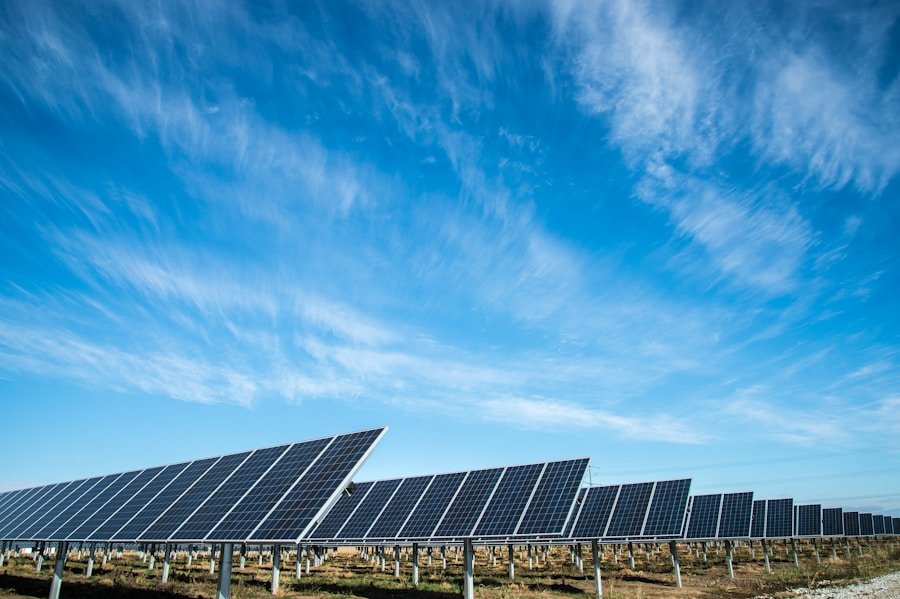
Solar power is a cornerstone of Dubai’s clean energy strategy, given the city’s abundant sunshine. High-end developments are increasingly incorporating solar photovoltaic (PV) panels, which convert sunlight directly into electricity. These systems are found in various configurations:
- Rooftop Installations: Many luxury villas and apartment buildings employ rooftop PV arrays to offset their energy consumption. The architectural integration of these panels has advanced, allowing for aesthetically pleasing designs that complement the building’s overall appearance.
- Building-Integrated Photovoltaics (BIPV): In some high-profile projects, PV technology is seamlessly integrated into building materials, such as facade elements or skylights. BIPV not only generates electricity but also provides shading and insulation, contributing to the building’s passive energy efficiency. This approach turns the building’s skin into an energy generator.
- Solar Farms and Distributed Generation: For larger developments or entire communities, energy may be sourced from dedicated solar farms. Examples include the Mohammed bin Rashid Al Maktoum Solar Park, which serves significant portions of Dubai’s energy grid, including high-end developments connected to it. This acts as a centralized power source, feeding the luxury landscape.
Geothermal Cooling and Heating Systems
While less ubiquitous than solar, geothermal technology is gaining traction, particularly for its efficiency in cooling. Dubai’s climate necessitates substantial air conditioning, making efficient cooling systems critical.
- Ground Source Heat Pumps (GSHP): These systems utilize the stable temperature of the earth to provide efficient heating and cooling. During the hot months, heat is extracted from the building and dissipated into the ground. In cooler periods, heat can be drawn from the ground and transferred indoors. Though initial installation costs can be higher, the long-term operational savings and reduced environmental impact are substantial. This technology taps into the earth’s natural thermal stability.
Advanced Building Management Systems (BMS)
Beyond energy generation, intelligent management systems are crucial for optimizing energy consumption within luxurious premises.
- Smart Grid Integration: High-end developments often feature advanced BMS that integrate with smart grids. These systems enable real-time monitoring and control of energy usage, allowing for optimization based on demand, occupancy, and energy tariffs. This ensures that energy, particularly expensive or carbon-intensive energy, is used judiciously.
- Automated Climate Control: BMS can automate lighting, ventilation, and air conditioning based on occupancy sensors, daylight availability, and pre-set schedules, significantly reducing energy waste. The ability to precisely control environmental conditions enhances comfort while minimizing the energy footprint.
Major Players: Green Energy Companies and Developers
The collaboration between green energy companies and high-end developers is foundational to this sustainable transition. This symbiotic relationship fosters innovation and accelerates the adoption of eco-friendly practices.
Leading Green Energy Providers
Several entities are at the forefront of supplying renewable energy solutions to Dubai’s luxury sector.
- Dubai Electricity and Water Authority (DEWA): As the primary utility provider, DEWA is instrumental in developing large-scale solar projects, including the Mohammed bin Rashid Al Maktoum Solar Park. Their initiatives create the foundational clean energy grid that high-end developments can tap into. DEWA also promotes distributed generation through programs like ‘Shams Dubai,’ which encourages individuals and organizations to install solar panels on their rooftops.
- International Renewable Energy Companies: Various international firms specializing in solar, wind, and geothermal technologies operate in Dubai, providing expertise and equipment for bespoke projects. These companies often partner with local developers to implement cutting-edge solutions tailored to specific architectural and energy requirements. They bring global best practices to the local context.
Prominent Developers Embracing Green Initiatives
A growing number of developers are actively incorporating green energy into their premium projects.
- Emaar Properties: A major developer in Dubai, Emaar has undertaken projects that feature energy-efficient designs and renewable energy components, particularly in their master-planned communities which often include integrated solar solutions and smart home technologies. Their approach is to create holistic sustainable environments.
- Nakheel: Another significant developer, Nakheel, is also exploring and implementing green building standards in its vast portfolio of residential and commercial properties. While the scale of their projects presents unique challenges, the commitment to sustainability is evident in their long-term development strategies.
- Damac Properties: With a focus on ultra-luxury, Damac is increasingly incorporating sustainable design principles and renewable energy solutions into its high-rise residential towers and expansive villa communities. This demonstrates that environmental consciousness can coexist with and even enhance luxury.
Regulatory Framework and Incentives
The Dubai government has established a robust regulatory framework and a suite of incentives to encourage the adoption of green energy solutions. These policies act as a guiding hand, ensuring sustainable practices are not just an aspiration but a regulated expectation.
Green Building Regulations
The Dubai Green Building Regulations and Specifications mandate certain environmental standards for new constructions and major renovations. These regulations cover various aspects, including energy efficiency, water conservation, material selection, and waste management.
- Minimum Energy Performance Standards: Buildings must meet specific energy performance benchmarks, often necessitating the incorporation of energy-efficient HVAC systems, lighting, and insulation. The regulations create a baseline for sustainability, pushing developers beyond mere compliance.
- Renewable Energy Integration Requirements: While not yet universally mandated for all building types, there is a clear push towards integrating renewable energy sources, particularly in larger developments or those seeking higher sustainability certifications. This reflects a progressive move towards a greener built environment.
Financial and Non-Financial Incentives
To accelerate the transition, the government and utility providers offer various incentives.
- ‘Shams Dubai’ Program: This initiative by DEWA allows customers to install solar PV panels on their rooftops and connect them to DEWA’s grid. Excess electricity generated can be exported to the grid, and customers receive credits on their utility bills. This acts as a direct financial incentive, turning buildings into prosumers.
- Green Mortgages and Loans: Some financial institutions are beginning to offer ‘green mortgages’ or preferential loan terms for properties that meet certain environmental standards or incorporate renewable energy technologies. This makes sustainable investments more attractive financially.
- Reputation and Branding: For high-end developers, adopting green energy offers significant non-financial advantages. It enhances their brand reputation, attracts environmentally conscious buyers, and positions them as leaders in sustainable luxury. This intangible benefit can translate into substantial market advantage.
Challenges and Future Outlook
| Company Name | Renewable Energy Source | Energy Output (MW) |
|---|---|---|
| SolarTech Solutions | Solar | 150 |
| WindPower Inc. | Wind | 200 |
| HydroGen Energy | Hydroelectric | 100 |
While Dubai has made significant strides, challenges remain in the widespread adoption of green energy for luxury developments. However, the future outlook appears promising, driven by technological advancements and continued policy support.
Overcoming Initial Investment Hurdles
One of the primary challenges is the higher upfront capital cost associated with installing renewable energy systems, such as solar panels or geothermal heat pumps, compared to conventional solutions. While operational savings accrue over time, the initial investment can be a deterrent for some developers.
- Economies of Scale: As the adoption of green technologies becomes more widespread, economies of scale are expected to reduce manufacturing and installation costs.
- Innovative Financing Models: The development of more accessible financing options, such as green bonds, power purchase agreements (PPAs), and syndicated loans, will help mitigate the initial cost barrier for developers.
Integration with Existing Infrastructure
Integrating new renewable energy systems into Dubai’s established grid infrastructure and ensuring their optimal performance can be complex. Considerations include grid stability, transmission capacity, and smart grid interoperability.
- Smart Grid Enhancements: Continued investment in smart grid technology will be crucial for seamlessly integrating variable renewable energy sources and enhancing grid resilience.
- Technological Advancements: Ongoing research and development in energy storage solutions, such as advanced battery technologies, will improve the reliability and dispatchability of renewable energy, reducing dependence on the grid when renewable generation is low.
The Path Forward
Dubai’s trajectory towards combining luxury with sustainability is firmly established. The current momentum, fueled by government vision, technological innovation, and market demand, suggests a future where eco-friendly opulence is not an oxymoron but a standard expectation in high-end developments. As you observe the evolving skyline of Dubai, you are witnessing a new chapter in urban development, where the pursuit of grandeur is increasingly intertwined with the responsibility of environmental stewardship. This convergence is not merely a trend but a foundational shift, redefining what it means to live luxuriously in a future-proof city.