
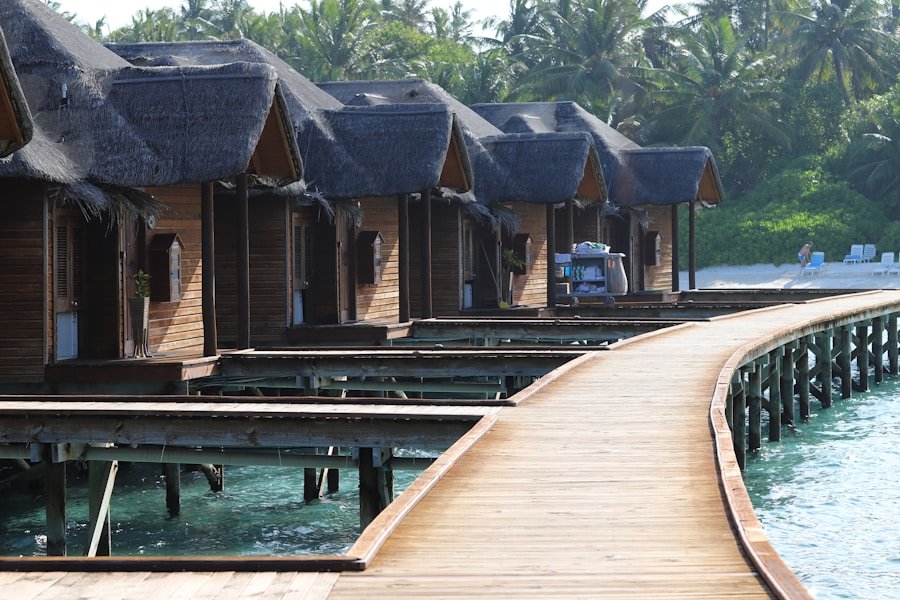
Dubai, a city often associated with opulence and rapid development, has in recent years begun to pivot towards sustainable tourism practices. This article explores Dubai’s initiatives in eco-luxury travel, examining the motivations behind this shift, the strategies employed, and specific examples that illustrate the integration of environmental responsibility with high-end experiences.
The Context of Sustainable Tourism in Dubai
Dubai’s growth trajectory has historically been characterized by large-scale infrastructure projects and a focus on attracting high-net-worth individuals. This development model, while generating significant economic prosperity, has also raised questions regarding its long-term environmental impact. The push for sustainable tourism in Dubai is not merely a philanthropic endeavor, but a strategic imperative driven by several factors. As a reader, you might consider this shift a recalibration, a movement from a singular focus on expansion to a more holistic approach that acknowledges ecological limits.
Economic Diversification and Resilience
Reducing reliance on hydrocarbon revenues has been a cornerstone of Dubai’s economic planning. Tourism, therefore, is a vital sector. However, a tourism industry built solely on resource-intensive luxury can be vulnerable to global shifts in environmental consciousness and resource availability. Sustainable tourism offers a pathway to long-term resilience by attracting a growing demographic of environmentally conscious travelers and future-proofing the industry against potential regulatory changes or consumer preferences.
International Image and Reputation
Global awareness of climate change and environmental degradation has fostered a demand for more responsible corporate and governmental practices. For a city like Dubai, which actively seeks to be a global hub, aligning with international best practices in sustainability enhances its image and reputation on the world stage. This is not just about eco-friendliness; it’s about competitive positioning in a globalized economy.
Resource Scarcity and Local Impact
Despite its wealth, Dubai operates within a resource-constrained environment, particularly concerning water and arable land. Unchecked tourism development could exacerbate these pressures. Sustainable tourism initiatives aim to mitigate these impacts, ensuring the city’s long-term viability and the well-being of its residents. It’s a pragmatic recognition that the well that provides must also be replenished.
Policy Frameworks and Strategic Initiatives
Dubai’s commitment to sustainable tourism is underpinned by various policy frameworks and strategic initiatives. These governmental directives act as the scaffolding upon which eco-luxury experiences are constructed.
Dubai’s Sustainable Tourism Initiative
The Dubai Sustainable Tourism (DST) initiative, launched by Dubai’s Department of Economy and Tourism (DET), serves as a foundational program. It aims to transform Dubai into a leading sustainable destination by addressing energy efficiency, water conservation, waste management, and sustainable sourcing across the tourism value chain. The initiative provides guidelines, tools, and training for hotels, tour operators, and other tourism-related businesses.
The Dubai Green Tourism Standard
A core component of the DST is the Dubai Green Tourism Standard. This framework provides specific criteria and an auditing process for hotels, ranging from small boutique establishments to large resorts, to measure and improve their environmental performance. The standard covers areas such as energy consumption, water usage, waste diversion from landfills, and responsible sourcing of materials and food. Hotels are assessed against these benchmarks, with higher ratings indicating greater adherence to sustainable practices.
Vision 2021 and 2040 Urban Master Plan
The broader context for sustainable tourism in Dubai is set by long-term strategic plans such as Dubai Vision 2021 (which has largely transitioned to Vision 2030 and an overarching 2040 Urban Master Plan). These plans integrate environmental sustainability as a core pillar of urban development, aiming for a greener, cleaner, and more livable city. Specific targets related to renewable energy adoption, increased green spaces, and reduced carbon emissions indirectly support and enhance sustainable tourism offerings.
Eco-Luxury Accommodations and Hospitality
The nexus of “eco-luxury” is perhaps most evident in Dubai’s hospitality sector. Here, the pursuit of lavish guest experiences is increasingly intertwined with environmental stewardship. These establishments demonstrate that comfort and conservation are not mutually exclusive but can, in fact, enhance each other.
Sustainable Design and Construction
New luxury hotels and resorts in Dubai often incorporate sustainable design principles from their inception. This includes passive cooling techniques, optimized natural lighting, and the use of locally sourced or recycled building materials. For instance, some developments utilize high-performance glazing to reduce solar heat gain, significantly lowering air conditioning loads and energy consumption. The building itself becomes a silent partner in sustainability.
Renewable Energy Integration
The adoption of renewable energy sources, particularly solar power, is becoming more prevalent in Dubai’s luxury hotels. Photovoltaic panels, integrated into architecture or situated on rooftops, contribute to the energy demands of these properties, reducing their carbon footprint. While not always fully off-grid, this partial reliance on renewables signifies a tangible shift.
Water Conservation and Management
Given Dubai’s arid climate, water conservation is a critical area. Eco-luxury hotels employ advanced water-saving technologies such as low-flow fixtures, greywater recycling systems for irrigation, and smart irrigation controlled by weather data. Desalinated seawater remains a primary source, but efforts are made to minimize consumption and manage it efficiently.
Waste Reduction and Recycling Programs
Comprehensive waste management strategies are now standard in many high-end establishments. This involves extensive recycling programs for various materials, composting of organic waste, and efforts to reduce single-use plastics. Some hotels partner with local initiatives to redirect food waste from landfills.
Sustainable Attractions and Experiences
Beyond accommodation, Dubai offers a growing array of sustainable attractions and experiences designed to immerse visitors in the natural environment while minimizing impact. This is where the concept of luxury extends beyond opulence to encompass the richness of unique, responsible engagements.
Desert Conservation Reserve Tours
The Dubai Desert Conservation Reserve (DDCR) is an exemplar of eco-tourism. This protected area, spanning over 225 square kilometers, offers visitors the opportunity to experience the pristine desert ecosystem responsibly. Luxury safari operators, operating within the DDCR, adhere to strict environmental guidelines, including limitations on vehicle numbers, designated routes, and non-invasive activities. Experiences often include wildlife spotting (oryx, gazelles), falconry demonstrations, and culturally sensitive Bedouin camps constructed with minimal environmental footprint. You might see this as a living museum, where conservation is both the exhibit and the curator.
Ecotourism in Mangrove Forests
The Al Marmoom Desert Conservation Reserve also encompasses an area dedicated to mangrove conservation. These vital ecosystems act as natural carbon sinks and support diverse marine life. Birdwatching tours and guided walks through boardwalks are designed to educate visitors about the importance of these habitats without disturbing them.
Green Spaces and Urban Parks
Dubai’s commitment to increasing green public spaces contributes to a more sustainable urban environment and offers residents and tourists recreational opportunities. Places like Safa Park and Creek Park provide respite from the urban fabric, while the ambitious “Dubai Parks and Resorts” integrates themed gardens and landscaping that prioritize water-efficient planting.
Sustainable Culinary Experiences
A growing trend in Dubai’s luxury dining scene involves sustainable sourcing and farm-to-table concepts. Restaurants partner with local farms to procure fresh, seasonal produce, reducing food miles and supporting local agriculture. Some establishments also emphasize nose-to-tail dining and minimize food waste, reflecting a comprehensive approach to culinary sustainability.
Challenges and Future Outlook
“`html
| Initiative | Description |
|---|---|
| Green Hotels | Percentage of hotels with sustainable practices |
| Renewable Energy | Percentage of energy from renewable sources |
| Water Conservation | Amount of water saved through conservation efforts |
| Waste Management | Percentage of waste recycled or repurposed |
| Transportation | Percentage of eco-friendly transportation options |
“`
While Dubai has made strides in sustainable tourism, challenges remain. The path towards a fully sustainable tourism economy is a continuous journey, not a destination.
Addressing the Carbon Footprint of Air Travel
One of the most substantial challenges is the carbon footprint associated with international air travel, which is intrinsic to Dubai’s tourism model. While the city can work on on-ground sustainability, the emissions from global transportation remain largely outside its direct control. Innovations in sustainable aviation fuels and carbon offsetting programs are areas for collaborative development, but remain complex.
Water and Energy Demands
Despite efficiency measures, the inherent demands for water (especially desalinated) and energy in a rapidly growing city in an arid region are significant. Continued investment in renewable energy infrastructure and advanced water management technologies will be crucial. The relationship between growth and resource consumption is a constant balancing act.
Behavioral Change and Awareness
While policies and infrastructure are vital, encouraging sustainable behaviors among both tourists and residents is equally important. Educational campaigns, clear signage, and incentives can play a role in promoting responsible practices. The “eco-luxury” guest, though generally more aware, still benefits from subtle nudges towards conscious choices.
Long-Term Monitoring and Reporting
Robust monitoring and transparent reporting of sustainability metrics are essential to track progress, identify areas for improvement, and maintain accountability. Regular evaluation of initiatives and the adaptation of strategies based on data will be central to Dubai’s ongoing success in eco-luxury tourism.
In conclusion, Dubai’s journey towards eco-luxury travel is a testament to its adaptive capacity. It represents a strategic evolution from a pure growth model to one that integrates environmental considerations with high-end experiences. As a reader, you can observe that the city is not just building new structures, but also new frameworks for how growth and environmental responsibility can coexist. This ongoing endeavor positions Dubai not only as a luxury destination but also increasingly as a thoughtful and forward-looking player in the global sustainable tourism landscape.