
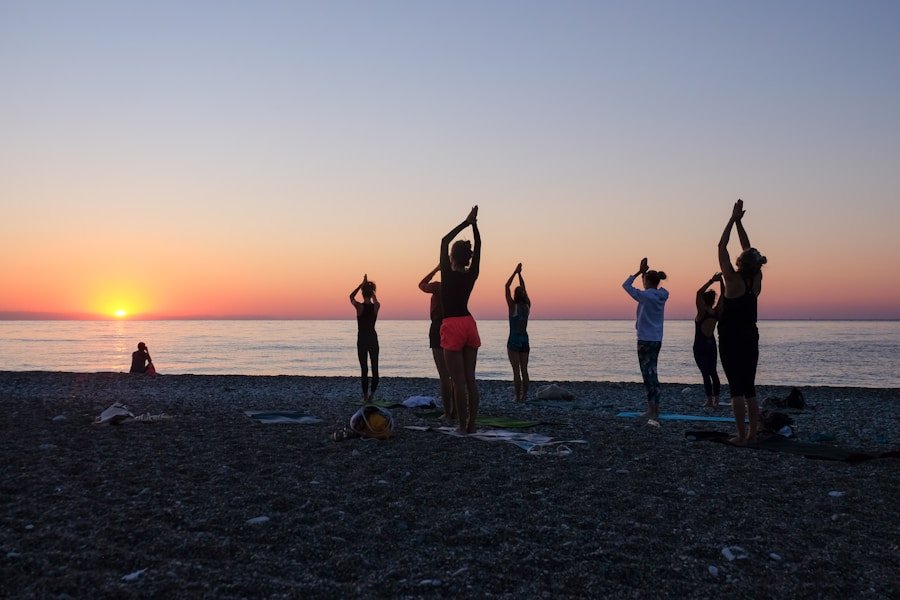
Health and wellness retreats in the vicinity of Dubai offer individuals an escape from the urban environment, focusing on sustainable practices and holistic well-being. These establishments aim to provide a space for rejuvenation, stress reduction, and personal growth, often integrating natural elements and eco-conscious operational procedures. As the concept of wellness tourism gains traction, retreats near Dubai are increasingly highlighting their commitment to environmental responsibility alongside their therapeutic offerings.
The Rise of Eco-Conscious Retreats
The global wellness industry is experiencing a significant shift towards sustainability. Travelers are demonstrating a growing preference for experiences that align with their values, seeking out accommodations and activities that minimize their ecological footprint. This movement extends to the health and wellness retreat sector. Retreat centers in the areas surrounding Dubai are responding to this demand by adopting a range of eco-friendly practices.
Integrating Nature into the Wellness Journey
A core aspect of these eco-certified retreats is their deliberate integration of the natural environment into the guest experience. This is not merely about scenic views; it involves a philosophical approach to healing that recognizes the restorative power of nature.
Biophilic Design Principles
Many retreats employ biophilic design, a concept that seeks to connect building occupants more closely to nature. This can manifest in features such as abundant natural light, the use of natural materials like wood and stone in construction, and the incorporation of indoor plants and living walls. The aim is to create spaces that feel organic and harmonious, promoting a sense of calm and well-being. The presence of natural elements acts as a balm to the senses, offering a counterpoint to the often artificial environments of city life.
Outdoor Activity Integration
Beyond passive observation, these retreats actively encourage guests to engage with the surrounding natural landscapes. This can include guided nature walks, mindfulness exercises in outdoor settings, or yoga sessions conducted under the open sky. These activities are designed to foster a deeper connection with the environment and leverage its inherent therapeutic qualities. The desert landscape, often a unique feature of the regions near Dubai, provides a distinct backdrop for such experiences, offering a sense of vastness and tranquility.
What Constitutes Eco-Certification?
Eco-certification for retreats signifies a commitment to environmental stewardship, often validated by third-party organizations. These certifications provide a framework for sustainable operations and offer a degree of assurance to guests.
Key Certification Standards
Various international and regional certification bodies establish standards for eco-friendly tourism and hospitality. These typically cover areas such as water and energy conservation, waste management, responsible sourcing of materials, and the protection of local biodiversity. While specific criteria may vary, a common thread is the emphasis on reducing environmental impact. Examples might include the Global Sustainable Tourism Council (GSTC) criteria or country-specific eco-labels that have met international benchmarks.
Operational Sustainability Practices
Beyond obtaining certifications, retreats often implement a suite of operational practices to maintain their eco-conscious ethos. This can involve:
- Water Management: Implementing water-saving fixtures, greywater recycling systems, and drought-tolerant landscaping.
- Energy Efficiency: Utilizing renewable energy sources like solar power, employing energy-efficient lighting and appliances, and optimizing building insulation.
- Waste Reduction and Recycling: Comprehensive recycling programs, composting organic waste, and minimizing single-use plastics.
- Sustainable Sourcing: Prioritizing locally sourced food, using eco-friendly cleaning products, and choosing sustainable building and furnishing materials.
- Biodiversity Preservation: Protecting and enhancing local flora and fauna, and educating guests on the importance of the natural ecosystem.
Therapeutic Modalities Offered
These retreats offer a spectrum of wellness programs designed to address diverse needs, from stress alleviation to deeper personal exploration. The focus remains on holistic well-being, encompassing physical, mental, and emotional health.
Holistic Wellness Programs
Holistic wellness programs at these retreats typically go beyond single-therapy approaches, aiming to address the individual as a whole. This often involves a personalized approach, with wellness plans tailored to each guest’s specific goals and needs.
Mindfulness and Meditation
Mindfulness and meditation practices are central to many of these retreats. These techniques are employed to cultivate present-moment awareness, reduce rumination, and promote emotional regulation. Guests are often guided through various meditation styles, including Vipassanā, transcendental meditation, and guided visualization. The quietude of the retreat setting provides an ideal environment for developing these practices, allowing participants to begin building a foundation for sustained inner peace. These practices are like tending a garden within oneself, slowly clearing weeds of worry and planting seeds of calmness.
Yoga and Movement Therapies
Yoga, in its various forms, is a common offering, focusing on the mind-body connection. Practices range from restorative yoga, emphasizing deep relaxation, to more dynamic Vinyasa flows designed to build strength and flexibility. Other movement therapies may include Tai Chi or Qigong, which promote balance, energy flow, and stress reduction. The emphasis is on mindful movement, fostering body awareness and releasing physical tension.
Specialized Retreat Experiences
In addition to general wellness programs, retreats often provide specialized experiences catering to specific interests or challenges.
Detoxification and Cleansing Programs
Detoxification and cleansing programs are designed to support the body’s natural elimination processes and improve overall vitality. These programs often involve dietary adjustments, guided fasting periods, and therapeutic treatments aimed at removing toxins. The focus is on gentle, gradual detoxification rather than extreme measures, ensuring a safe and effective experience. A clean body is a clearer vessel, better able to receive the benefits of the retreat’s teachings.
Stress Management and Burnout Recovery
For individuals experiencing high levels of stress or burnout, specific programs are available to equip them with coping mechanisms and strategies for recovery. These may include workshops on stress-reduction techniques, cognitive behavioral therapy (CBT) elements, and activities designed to promote relaxation and emotional resilience. The retreat environment provides a sanctuary from the pressures that lead to burnout, allowing for focused healing.
Location and Accessibility
The strategic positioning of these eco-certified health and wellness retreats near Dubai provides a balance between accessibility and the desired sense of escape. Proximity to a major international hub like Dubai facilitates travel for both domestic and international guests.
Proximity to Dubai International Airport
Many of these retreats are located within a reasonable driving distance of Dubai International Airport (DXB), one of the world’s busiest airports. This accessibility is crucial for attracting a global clientele who may have limited time. Transfer services are often arranged by the retreat centers, streamlining the transition from the airport to the tranquil setting. The journey itself can serve as a liminal space, a transition point from the demands of external life to the introspective focus of the retreat.
Natural Landscapes Surrounding the Retreats
The surrounding natural landscapes play a significant role in defining the retreat experience. Depending on the specific location, guests may find themselves immersed in:
Desert Environments
The iconic desert landscapes of the Arabian Peninsula offer a unique setting for wellness. The vastness, silence, and stark beauty of the desert can be profoundly contemplative. Activities like stargazing, camel treks, and silent desert walks are often incorporated to leverage the spiritual and calming qualities of this environment. The desert, with its seemingly barren expanse, holds a deep wellspring of life and resilience, mirroring the personal growth experienced during a retreat.
Coastal and Mountainous Regions
While desert landscapes are prevalent, some retreats may also be situated in more diverse terrains, such as the foothills of the Hajar Mountains or along the coast. These locations offer different natural elements to engage with, such as hiking trails, access to marine activities, and varied flora and fauna. The contrast between these environments and the urban sprawl of Dubai underscores the retreat’s purpose as an escape.
Environmental Responsibility in Practice
Eco-certified retreats near Dubai demonstrate their commitment to sustainability through tangible operational practices. This commitment extends to the infrastructure, operations, and guest education.
Resource Management and Conservation
Effective resource management is a cornerstone of eco-certification. This includes conscious efforts to minimize consumption and maximize efficiency.
Water Conservation Initiatives
Given the arid climate of the region, water conservation is paramount. Retreats implement strategies such as low-flow fixtures in bathrooms and kitchens, rainwater harvesting systems where feasible, and water-wise irrigation for landscaping. The careful stewardship of this precious resource is a fundamental aspect of their environmental ethos.
Energy Efficiency and Renewable Sources
Maximizing energy efficiency and integrating renewable energy sources are key to reducing a retreat’s carbon footprint. This often involves the installation of solar panels to generate electricity, the use of LED lighting, and the implementation of smart building management systems to optimize heating, ventilation, and air conditioning (HVAC). The goal is to power the retreat’s services with cleaner, more sustainable energy.
Waste Management and Reduction Strategies
Comprehensive waste management systems are crucial for minimizing the environmental impact of any hospitality establishment, and eco-certified retreats are no exception.
Waste Minimization and Recycling Programs
These retreats typically have robust recycling programs in place, separating various materials for reuse and recycling. Beyond recycling, a strong emphasis is placed on waste minimization at the source, such as by reducing reliance on single-use plastics, encouraging digital rather than paper communications where possible, and opting for reusable amenities.
Composting and Organic Waste Management
Organic waste, such as food scraps from the kitchen, is often processed through composting. This compost can then be used to enrich the soil in the retreat’s gardens or landscaping, creating a closed-loop system that reduces landfill waste and provides natural fertilization.
The Future of Sustainable Wellness near Dubai
| Retreat Name | Location | Accommodation | Activities | Facilities |
|---|---|---|---|---|
| Serenity Eco Retreat | Al Maha Desert, Dubai | Luxury Tents | Yoga, Meditation, Hiking | Spa, Pool, Organic Restaurant |
| Greenheart Farm Retreat | Ras Al Khaimah, Dubai | Farm Cottages | Farm Tours, Cooking Classes | Farm-to-Table Dining, Wellness Workshops |
| Desert Palm Retreat | Desert Palm, Dubai | Luxury Villas | Horse Riding, Polo, Spa | Private Pools, Organic Gardens |
The trend towards eco-certified health and wellness retreats is set to continue its growth trajectory. As environmental awareness increases and travelers seek more meaningful experiences, these retreats offer a compelling proposition.
Evolving Guest Expectations
Future guests are likely to have even higher expectations regarding sustainability. They will not only look for certifications but will also scrutinize the authenticity and depth of a retreat’s environmental commitments. This will drive further innovation and investment in eco-friendly technologies and practices within the sector.
Innovation in Sustainable Practices
The pursuit of sustainability is an ongoing journey. Retreats will continue to explore and implement new technologies and approaches, such as advanced water recycling systems, more efficient renewable energy solutions, and innovative biodegradable materials. Educational components for guests on sustainable living will also likely become more prominent. The evolution of these retreats is a mirror reflecting the growing human consciousness for our planet.
The Role of Certification in Building Trust
While operational practices are the bedrock of sustainability, third-party eco-certifications will remain vital for building trust and credibility with consumers. These certifications provide an independent verification that the retreat is adhering to established environmental standards, assuring guests that their experience aligns with their values. This creates a marketplace where genuine sustainability is recognized and rewarded.