
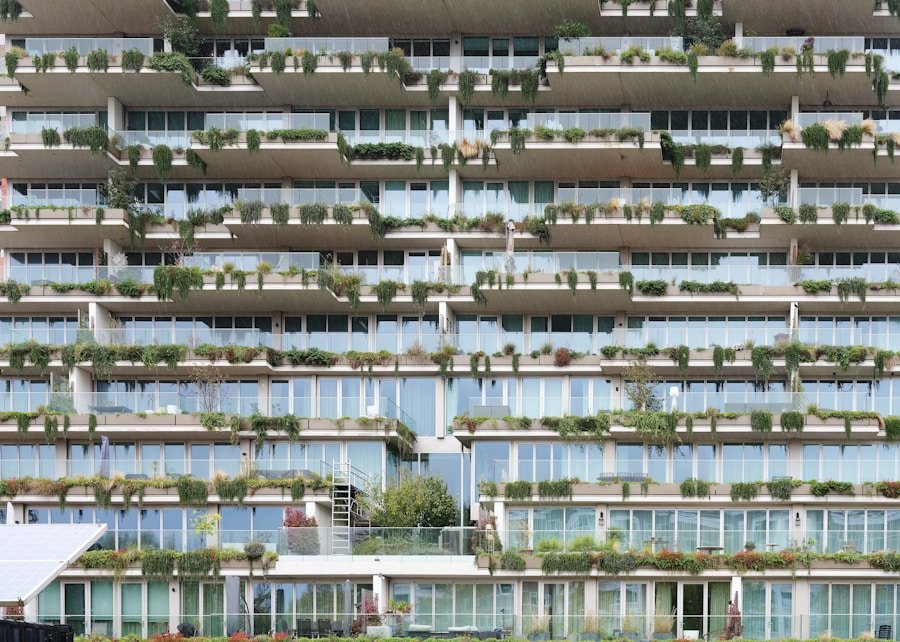
One of the primary objectives of this article is to provide a factual overview of the developing landscape of luxury eco-resorts in Dubai, aiming to inform readers about their existence, operational principles, and the experiences they offer. The goal is not to persuade but to present a clear picture of these establishments, allowing individuals to form their own conclusions.
Redefining Desert Opulence: The Rise of Dubai’s Eco-Resorts
Dubai, a city synonymous with ambitious architectural feats and extravagant hospitality, is increasingly becoming a platform for a new wave of tourism: the eco-resort. While the image of the city might evoke sprawling desert landscapes and towering skyscrapers, a growing number of establishments are demonstrating that luxury and environmental responsibility can coexist, even in a region that faces significant ecological challenges. These resorts are not merely adopting superficial greenwashing tactics; they are embedding sustainability into their core operations, from design and construction to daily guest services. This shift reflects a global trend towards conscious travel, where visitors seek authentic experiences that minimize their environmental footprint without compromising on comfort or exclusivity. The development of these eco-resorts in Dubai serves as a testament to the city’s evolving identity, showcasing its capacity to innovate and adapt to changing global priorities.
The Genesis of Sustainable Hospitality in the Emirates
Historically, Dubai’s rapid development was fueled by ambition, often prioritizing rapid growth over environmental considerations. However, as the global community grapples with the impacts of climate change and resource depletion, a conscious re-evaluation has taken place. The establishment of eco-resorts represents a deliberate pivot, a recognition that long-term prosperity is intrinsically linked to environmental stewardship. This evolution is not an isolated phenomenon but rather a part of a broader national agenda, such as the UAE’s commitment to the United Nations Sustainable Development Goals. These resorts can be seen as living laboratories, testing grounds for innovative sustainable practices within a demanding luxury market. Their presence signals an understanding that the future of hospitality lies in creating experiences that are not only memorable but also restorative, both for the guests and the planet.
From Vision to Viridian: Early Adopters and Their Impact
The initial steps towards integrating sustainability into Dubai’s hospitality sector were often driven by pioneering individuals and organizations who recognized the long-term value of environmental responsibility. These early adopters faced skepticism and operational hurdles, navigating the complexities of implementing green initiatives in a market accustomed to a different standard of indulgence. Their efforts laid the groundwork, demonstrating that it was possible to offer high-end experiences while adhering to principles of reduced waste, energy efficiency, and the preservation of natural resources. The success of these initial ventures provided a blueprint and a catalyst for further development, encouraging a more widespread acceptance of sustainable tourism within the emirate.
The Core Pillars of Eco-Conscious Design and Operation
The defining characteristic of Dubai’s eco-resorts lies in their integrated approach to sustainability. This is not a patchwork of eco-friendly amenities but a holistic philosophy that permeates every aspect of the resort’s existence. From the initial architectural blueprints to the daily housekeeping routines, environmental considerations are paramount. The objective is to create an environment that is harmonious with its surroundings, minimizing negative impacts and, where possible, contributing positively to the local ecosystem. This approach requires a deep understanding of the unique challenges presented by the desert environment and a commitment to innovative solutions that address them effectively.
Architectural Adaptations for Arid Climates
The design and construction of these resorts are a critical starting point for their sustainability mission. Architects and designers are tasked with creating structures that blend seamlessly into the desert landscape, minimizing their visual and environmental impact. This often involves utilizing local, sustainable building materials that reduce transportation emissions and have a lower embodied energy. Techniques like passive cooling, which harness natural ventilation and shade, are employed to reduce reliance on energy-intensive air conditioning systems. These adaptations are not merely aesthetic choices but functional necessities, aimed at creating comfortable living spaces within the extreme temperatures of the region. The buildings themselves become an extension of the desert, responding to its rhythms rather than imposing upon it.
Harnessing Solar Energy: A Desert Necessity
Given the abundant sunshine in Dubai, solar energy presents a clear and potent opportunity for eco-resorts. Photovoltaic panels are integrated into the design, often discreetly placed on rooftops or within architectural features, to generate clean electricity. This significantly reduces the resort’s reliance on fossil fuel-based power grids, lowering its carbon footprint and contributing to energy independence. Some resorts are also exploring solar thermal systems for water heating, further enhancing their energy efficiency. The sun, a defining characteristic of the desert environment, is thus transformed from a potential challenge into a vital energy resource, fueling the luxurious experience offered to guests.
Water Conservation: Precious Drops in the Sands
Water scarcity is a fundamental challenge in desert environments, and eco-resorts are at the forefront of implementing innovative water conservation strategies. This begins with the selection of drought-resistant native landscaping that requires minimal irrigation. Advanced wastewater treatment and recycling systems are employed, allowing treated water to be reused for irrigation or other non-potable purposes. Low-flow fixtures in guest rooms and public areas further reduce water consumption. The resorts educate guests about their water-saving initiatives, fostering a shared sense of responsibility. This meticulous management of water resources ensures that the resorts operate in a manner that respects the delicate balance of the local hydrology.
Sustainable Operations: From Kitchen to Guest Experience
Beyond the physical infrastructure, the operational practices of eco-resorts are meticulously crafted to align with their sustainability goals. This encompasses a wide range of activities, demonstrating a commitment to responsible resource management at every touchpoint of the guest journey. The aim is to create an experience that is not only enjoyable but also ethically sound, allowing guests to indulge with peace of mind.
Local Sourcing and Organic Provisions
A key aspect of sustainable operations is the emphasis on local sourcing, particularly for food and beverages. Resorts prioritize partnerships with local farms and suppliers, reducing transportation distances and supporting the regional economy. This often translates into menus that feature fresh, seasonal produce, contributing to a more authentic culinary experience. Furthermore, many resorts are actively expanding their own organic gardens, providing an on-site source of fresh ingredients while also offering guests an educational glimpse into sustainable agriculture. The dining experience becomes a narrative of the region, connecting guests to its bounty.
Waste Reduction and Responsible Disposal
Waste management is a critical area where eco-resorts distinguish themselves. Comprehensive recycling programs are in place, separating materials like plastic, glass, paper, and organic waste. Composting initiatives are often implemented for food scraps, which can then be used to enrich the resort’s gardens. Strategies to minimize single-use plastics are employed, from offering refillable water bottles to utilizing biodegradable amenities. By proactively reducing waste generation and responsibly managing what remains, these resorts aim to leave a minimal ecological footprint.
Eco-Friendly Amenities and Housekeeping
Even the smallest details are considered in the pursuit of sustainability. Guest amenities, such as toiletries, are often made from natural, biodegradable ingredients and are provided in refillable dispensers to reduce packaging waste. Housekeeping practices are geared towards minimizing water and energy consumption, with options for guests to participate in linen and towel reuse programs. The comfort and well-being of guests are maintained, while simultaneously adhering to rigorous environmental standards.
Unique Eco-Experiences: Connecting with Nature and Culture
Dubai’s eco-resorts offer more than just sustainable lodging; they provide opportunities for guests to connect with the natural environment and the local culture in a meaningful way. These experiences are designed to be immersive and educational, fostering a deeper appreciation for the desert ecosystem and the efforts being made to preserve it.
Desert Conservation and Wildlife Encounters
These resorts often play an active role in desert conservation initiatives. Guests may have the opportunity to participate in or learn about oryx reintroduction programs, falconry demonstrations, or guided nature walks that highlight the unique flora and fauna of the Arabian desert. Some resorts are situated within or adjacent to protected areas, offering unparalleled access to the natural landscape and opportunities for responsible wildlife viewing. These experiences aim to educate guests about the delicate balance of the desert ecosystem and the importance of its preservation.
Guided Safaris with an Ecological Focus
Traditional desert safaris are re-envisioned with an ecological conscience. Guided excursions are led by knowledgeable naturalists who provide insights into the desert’s geology, hydrology, and biodiversity. The focus shifts from mere adventure to ecological education, observing animals in their natural habitat without disruption. The aim is to foster a sense of wonder and respect for the desert’s resilience, rather than exploit its appeal.
Stargazing in the Undisturbed Desert Sky
The remote locations of many eco-resorts offer a distinct advantage: unobstructed views of the night sky, far removed from the light pollution of the city. Guests can experience the wonder of stargazing, with guided sessions that explain constellations and celestial phenomena. This offers a tranquil and awe-inspiring counterpoint to the bustling cityscape, allowing guests to reconnect with the vastness of the universe.
Cultural Immersion and Local Community Engagement
Beyond the natural environment, eco-resorts often seek to foster connections with the local culture and communities. This is achieved through various initiatives that offer guests an authentic glimpse into Emirati traditions and the Bedouin way of life. These engagements are conducted in a respectful and mutually beneficial manner, ensuring that the local heritage is preserved and celebrated.
Heritage Village Visits and Traditional Crafts
Some resorts facilitate visits to carefully curated heritage villages or offer demonstrations of traditional Emirati crafts. Guests can learn about palm weaving, pottery making, or the art of sadu weaving, gaining an appreciation for the skills and cultural significance of these practices. These experiences often involve direct interaction with local artisans, providing a tangible connection to the region’s history and cultural identity.
Culinary Workshops Featuring Local Flavors
In line with their commitment to local sourcing, many resorts offer culinary workshops that focus on traditional Emirati cuisine. Guests can learn to prepare dishes using local ingredients and time-honored techniques, gaining hands-on experience with the flavors and aromas of the region. This not only provides an enjoyable activity but also deepens their understanding of the cultural significance of food in Emirati society.
Challenges and the Path Forward
Despite the growing success of luxury eco-resorts in Dubai, the path forward is not without its challenges. Integrating sustainable practices into a high-end hospitality sector requires ongoing innovation, investment, and a commitment to continuous improvement. The unique environmental context of Dubai, with its arid climate and reliance on imported resources, presents persistent hurdles that necessitate creative solutions.
Balancing Luxury Expectations with Environmental Constraints
One of the core challenges is to meet the often-elevated expectations of luxury travelers while adhering to stringent environmental protocols. Guests, accustomed to certain levels of convenience and indulgence, may need to be educated about the rationale behind certain sustainability measures. Resorts must find ways to offer unparalleled comfort and service without compromising their eco-credentials. This might involve investing in advanced technologies that maintain luxury standards with minimal environmental impact, or creatively adapting guest experiences to align with natural cycles.
Overcoming Resource Scarcity in an Arid Environment
The fundamental scarcity of water and the energy-intensive nature of climate control in a desert environment are ongoing challenges. While solar energy and advanced water management systems are crucial, continuous research and development are needed to further optimize these solutions and explore new avenues. The dependence on imported goods, from food to building materials, also presents a logistical and environmental challenge that requires careful consideration and strategic sourcing.
The Role of Green Certifications and Transparency
Ensuring the authenticity of “eco-resort” claims is crucial for building trust with travelers. Independent green certification programs, such as LEED (Leadership in Energy and Environmental Design) or Green Globe, provide a framework for evaluating and verifying a resort’s sustainability performance. Resorts that embrace these certifications gain credibility and offer guests a tangible assurance of their commitment. Transparency in reporting, sharing data on energy consumption, water usage, and waste diversion rates, further strengthens this trust and allows guests to make informed choices.
The Future Landscape: Innovation and Expansion
The future of luxury eco-resorts in Dubai appears promising, with continued innovation and a growing demand for sustainable travel options. As technology advances and awareness increases, these establishments are likely to become even more sophisticated in their approach to environmental responsibility. The integration of smart technologies for energy management, advancements in water desalination and recycling, and the development of more sustainable building materials will undoubtedly shape the next generation of eco-resorts. The success of these pioneering establishments serves as a beacon, illuminating a path where opulence and ecological integrity can not only coexist but mutually enrich one another, offering a blueprint for sustainable luxury in a world increasingly conscious of its environmental footprint.