
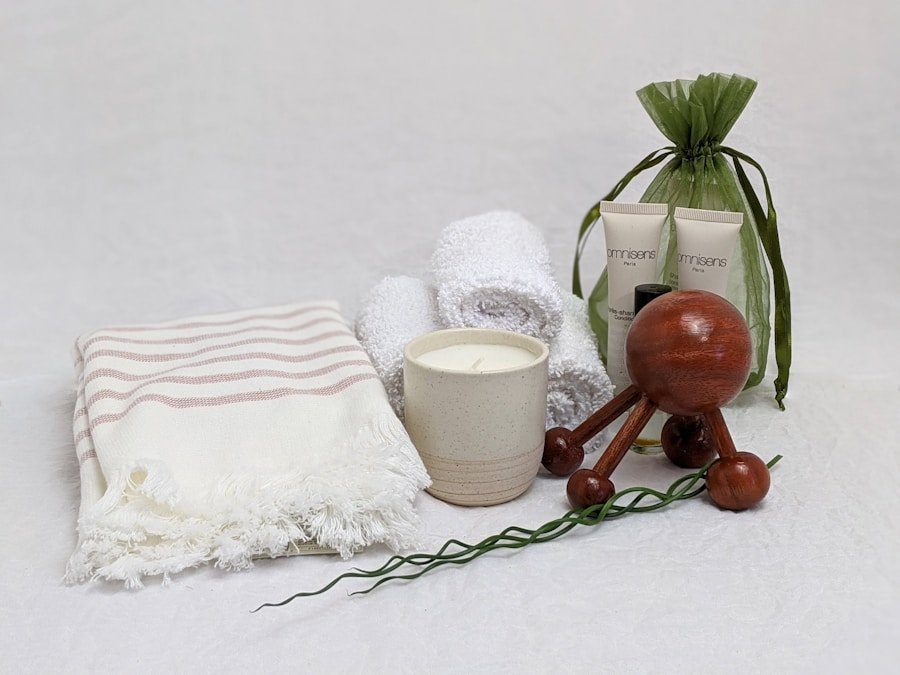
Aromatherapy, a practice that utilizes aromatic plant extracts for therapeutic purposes, has gained traction in wellness circles. Tanger, a locale known for its burgeoning wellness industry, hosts several brands that offer aromatherapy products. These products are often derived from essential oils, which are concentrated hydrophobic liquids containing volatile chemical compounds from plants. The purported benefits range from stress reduction to sleep improvement, though it is important to note that scientific evidence for many specific claims varies.
Understanding Aromatherapy and Essential Oils
Aromatherapy operates on the principle that specific scents can trigger physiological and psychological responses in the human body. This interaction is believed to occur through the olfactory system, the sensory apparatus responsible for smell. When aromatic molecules from essential oils are inhaled, they are detected by olfactory receptors in the nasal cavity. These receptors then send signals to the limbic system, a complex set of brain structures that includes the amygdala and hippocampus, which are involved in emotions, memory, and mood regulation.
The Science Behind Olfactory Reception
The olfactory bulb, a neural structure that receives olfactory information, directly connects to the limbic system. This proximity is thought to be a key factor in the immediate emotional and physiological effects often associated with aromatherapy. For instance, the scent of lavender is frequently associated with relaxation, and this association may be linked to the impact of its volatile compounds on neurotransmitter activity, such as an increase in gamma-aminobutyric acid (GABA) levels, which can inhibit nerve impulses. Similarly, citrus scents like tangerine or bergamot are often linked to uplifting effects, potentially due to their stimulating impact on the central nervous system.
Extraction Methods for Essential Oils
The purity and efficacy of essential oils are largely dependent on their extraction methods. Several techniques are employed, each suited to different plant materials:
- Steam Distillation: This is the most common method for extracting essential oils from plants like lavender, peppermint, and eucalyptus. Plant material is placed in a still, and steam is passed through it. The steam vaporizes the volatile oils, which are then cooled and condensed. The oil and water separate, allowing for the collection of the essential oil.
- Expression (Cold Pressing): Primarily used for citrus fruits like oranges, lemons, and tangerines, this method involves mechanically pressing the rinds to release the essential oil. This technique avoids heat, preserving the delicate aromatic compounds.
- Solvent Extraction: For delicate flowers like jasmine or rose, which might be damaged by steam distillation, solvents are used. Solvents like hexane or ethanol extract the aromatic compounds. The solvent is then evaporated, leaving behind a concrete or absolute, which is a more concentrated form of the fragrance.
- CO2 Extraction: This modern method uses supercritical carbon dioxide (CO2) as a solvent. CO2 under high pressure and moderate temperature acts as a solvent, extracting a wide range of aromatic compounds. This method is known for its efficiency and ability to preserve the full spectrum of the plant’s constituents, often resulting in oils that closely mimic the natural aroma.
The choice of extraction method influences the final product, impacting its aroma profile and potential therapeutic properties.
Tanger’s Prominent Wellness Brands
Tanger boasts a selection of businesses dedicated to the provision of aromatherapy products and related wellness services. These brands often emphasize natural ingredients and consider the consumer’s desire for holistic well-being.
Brand A: Focus on Organic Sourcing
Brand A distinguishes itself through its stringent commitment to organic sourcing of essential oils. This means that all raw plant materials used in their formulations are cultivated without synthetic pesticides, herbicides, or genetically modified organisms. Their product line includes single-origin essential oils, pre-blended rollerballs for topical application, and diffusers designed to disperse these oils into the air. The company often highlights its partnerships with organic farms, ensuring a transparent supply chain.
Product Range and Applications
The company offers a diverse catalog, featuring oils such as lavender for relaxation, frankincense for grounding, and peppermint for invigoration. They also produce unique blends formulated for specific purposes, such as sleep support, focus enhancement, and mood elevation. These blends often represent a careful orchestration of different essential oils, intended to create a synergistic effect. For example, a sleep blend might combine lavender with chamomile and ylang-ylang.
Ingredient Transparency and Certifications
A key aspect of Brand A’s approach is its emphasis on ingredient transparency. Each product typically lists the botanical name of the plant source, the origin, and the extraction method. Furthermore, the brand often obtains certifications from reputable organic labeling organizations, providing objective validation of their sourcing practices. This commitment aims to build trust with consumers who prioritize natural and ethically produced goods.
Brand B: Innovative Diffusion Technologies
Brand B has carved a niche by focusing on the development of advanced diffusion technologies. While emphasizing high-quality essential oils, their primary innovation lies in the devices used to disperse the aromas. They champion diffusers that are designed to enhance the therapeutic benefits by releasing oils in a fine mist without heating them, thereby preserving the integrity of the volatile compounds.
Diffuser Design and Functionality
The diffusers offered by Brand B often feature minimalist aesthetics, designed to complement modern home décor. Many models incorporate features such as adjustable mist intensity, timer settings, and ambient lighting options. The underlying technology typically involves ultrasonic vibrations, which break down the essential oil and water mixture into micro-droplets, creating a cool mist. This method is preferred over heat diffusers, which can alter the chemical composition of the oils.
Supporting Product Formats
In addition to their diffusers, Brand B offers a curated selection of essential oil blends. These blends are specifically formulated to work optimally with their diffusion systems. The brand also provides educational resources on how to effectively use their products to achieve desired wellness outcomes, positioning themselves not just as product suppliers but as facilitators of a holistic aromatherapy experience.
Brand C: Artisanal Blends and Customization
Brand C distinguishes itself through its emphasis on artisanal crafting and personalized aromatherapy experiences. This brand takes a more hands-on approach, often creating small-batch essential oil blends that cater to individual needs and preferences. Their philosophy centers on the idea that aromatherapy is a personal journey, and their products are designed to support this individuality.
Bespoke Blending Services
A signature offering of Brand C is its bespoke blending service. Consumers can consult with an aromatherapist associated with the brand to discuss their specific wellness goals, such as managing stress, improving focus, or promoting emotional balance. Based on this consultation, a unique essential oil blend is created. This personalized approach allows for a deeply tailored aromatherapy experience.
Limited Edition Collections
Beyond custom blends, Brand C also releases limited edition collections throughout the year. These collections are often inspired by seasonal changes, specific wellness themes, or unique botanical discoveries. The small production runs mean these blends are often highly sought after by enthusiasts of the brand, who appreciate the exclusivity and the artisanal quality of the offerings.
The Benefits and Considerations of Aromatherapy
The adoption of aromatherapy in wellness routines is often driven by the perceived benefits associated with the use of essential oils. These benefits are typically categorized into physical and psychological effects.
Potential Physiological Effects
Research suggests that certain essential oils may have demonstrable effects on the human body. For instance, studies have explored the analgesic properties of some oils, with topical application potentially offering localized pain relief. Additionally, some oils are believed to possess antimicrobial properties, though their efficacy in therapeutic applications requires careful consideration and validation. The impact on the respiratory system, particularly with oils like eucalyptus and peppermint, is also noted, with inhalation potentially contributing to a feeling of clearer airways.
Stress and Anxiety Reduction
One of the most frequently cited benefits of aromatherapy is its potential to reduce stress and anxiety. Inhalation of certain scents, such as lavender or bergamot, is thought to influence the autonomic nervous system, promoting a state of relaxation and reducing the physiological markers of stress, such as heart rate and blood pressure. The limbic system’s direct connection to scent perception plays a crucial role in these effects, as olfactory stimuli can rapidly alter mood and emotional states.
Sleep Quality Enhancement
Aromatherapy is also utilized by individuals seeking to improve their sleep quality. Scents like lavender, chamomile, and valerian are commonly used in sleep blends. The proposed mechanism involves calming the nervous system and preparing the body for rest. By reducing mental chatter and promoting a sense of tranquility, these aromas can potentially facilitate faster sleep onset and more restful sleep.
Psychological and Emotional Well-being
Beyond physiological impacts, aromatherapy is widely used to support psychological and emotional well-being. The connection between scent and memory is particularly strong, and specific aromas can evoke positive emotions or memories, contributing to an improved mood.
Mood Elevation and Emotional Balance
Certain essential oils are associated with mood-boosting properties. Citrus oils, like lemon and grapefruit, are often perceived as uplifting and energizing. Other oils, such as rose or clary sage, are thought to promote feelings of comfort and emotional balance. The ability of scents to influence neurotransmitter activity, such as serotonin and dopamine, is an area of ongoing scientific investigation.
Cognitive Function and Focus
Some aromatherapy practitioners suggest that certain essential oils can enhance cognitive function, including focus and concentration. Oils like rosemary and peppermint are frequently employed for this purpose. The stimulating effect of these oils is thought to improve blood flow to the brain, thereby enhancing alertness and mental clarity.
Safety and Responsible Usage
While aromatherapy is generally considered safe when used as directed, it is crucial to approach its use with awareness and responsibility. Essential oils are potent substances, and improper handling or excessive use can lead to adverse reactions.
Dilution and Topical Application
One of the most important safety guidelines for essential oils is proper dilution before topical application. Undiluted essential oils can cause skin irritation, sensitization, or phototoxicity, especially citrus oils when exposed to sunlight. Carrier oils, such as jojoba, almond, or coconut oil, are used to dilute essential oils, reducing their concentration to a safe level for skin contact. The recommended dilution ratio varies depending on the specific essential oil, the intended application, and the age of the user. For instance, a 1-2% dilution is generally considered safe for adults for regular use, while children require much lower concentrations.
Patch Testing and Sensitization
Before applying a diluted essential oil blend to a larger area of skin, it is advisable to perform a patch test. This involves applying a small amount of the diluted oil to an inconspicuous area, such as the inner forearm, and waiting 24-48 hours to check for any signs of redness, itching, or irritation. This simple step can help identify potential sensitivities or allergic reactions to a particular oil or blend.
Inhalation Safety and Ventilation
When using aromatherapy diffusers, adequate ventilation is essential. Running a diffuser in a small, unventilated room for extended periods can lead to an overwhelming concentration of essential oils in the air, which might cause headaches, dizziness, or respiratory discomfort for some individuals. It is recommended to diffuse in well-ventilated spaces and to use diffusers intermittently rather than continuously.
Specific Populations and Precautions
Certain populations, including pregnant women, nursing mothers, infants, young children, and individuals with pre-existing health conditions (such as asthma, epilepsy, or high blood pressure), should exercise caution when using aromatherapy. Some essential oils are contraindicated for these groups or require specific guidance from a qualified healthcare professional or certified aromatherapist. For example, certain oils should be avoided during pregnancy due to their emmenagogue effects (stimulating blood flow in the pelvic region), and others may interact with medications.
Conclusion: Integrating Aromatherapy into a Wellness Regimen
| Brand | Product | Benefits |
|---|---|---|
| Young Living | Essential Oils | Promotes relaxation and emotional well-being |
| doTERRA | Aromatherapy Diffusers | Helps purify and freshen the air |
| Aura Cacia | Massage Oils | Relieves stress and tension |
The brands in Tanger offer a gateway to exploring the potential benefits of aromatherapy. Whether seeking organic purity, innovative delivery systems, or personalized experiences, consumers can find products that align with their wellness goals. Aromatherapy, when approached with knowledge and a mindful understanding of its capabilities and limitations, can serve as a complementary practice within a broader wellness strategy. The key lies in selecting reputable brands, understanding the properties of individual essential oils, and practicing safe usage to harness their aromatic power effectively.