
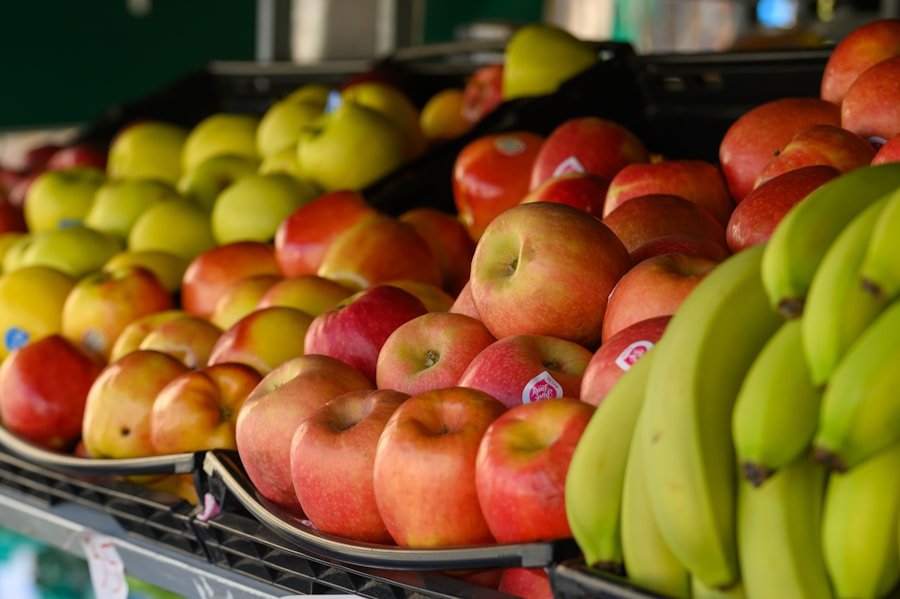
Farm-to-table dining, a movement emphasizing fresh, locally sourced ingredients, has a growing presence in Dubai’s culinary landscape. This approach prioritizes producers and seasonality, aiming to connect diners with the origin of their food. The concept is not new, but its adoption in an urban environment like Dubai presents unique challenges and opportunities. This article explores the restaurants in Dubai that are cultivating a farm-to-table ethos, scrutinizing their practices and their impact on both the local food system and the dining experience.
The Growing Significance of Farm-to-Table in Dubai
For many years, Dubai’s culinary scene was characterized by imported ingredients and a globalized menu. However, a shift is underway. Consumer awareness regarding health, sustainability, and the provenance of food is increasing, mirroring a global trend. This evolving mindset has created fertile ground for farm-to-table restaurants to take root. The aspiration is to move beyond mere novelty and establish a robust ecosystem where local farms and urban kitchens are intrinsically linked. The allure of “knowing where your food comes from” is a powerful driver, and restaurants are responding by highlighting their partnerships with nearby producers. This isn’t just about marketing; it’s about a fundamental change in how food is perceived and consumed.
Consumer Demand as a Catalyst
The demand for transparency in the food chain is a significant factor contributing to the rise of farm-to-table. Diners are increasingly questioning the journey of their food from farm to fork. This includes concerns about pesticides, animal welfare, and the environmental impact of food transportation. Restaurants that can credibly demonstrate a commitment to local sourcing and organic practices are thus positioned to attract a conscientious consumer base. The desire for healthier food options, free from artificial additives and long-chain transportation, further fuels this demand. This growing segment of the market is not easily swayed by superficial claims, demanding genuine commitment and verifiable practices.
Supporting Local Agriculture
The emphasis on local sourcing directly supports the development and sustainability of agriculture within the UAE. While Dubai itself is not an agricultural powerhouse, the broader region has existing and developing farming initiatives. By creating a consistent demand for their produce, restaurants can provide a vital economic lifeline for these local farms, enabling them to invest in infrastructure, expand operations, and adopt more sustainable farming methods. This symbiotic relationship can foster innovation in agricultural techniques suited to the local climate. The success of farm-to-table ventures can act as a beacon, encouraging further investment and growth in the local agricultural sector.
Environmental Considerations
Farm-to-table dining inherently carries environmental benefits. Reducing food miles – the distance food travels from its point of production to the consumer – leads to a significant decrease in carbon emissions associated with transportation. Furthermore, many local farms adhere to or are transitioning towards organic farming practices, which reduce reliance on synthetic pesticides and fertilizers, promoting soil health and biodiversity. This aligns with Dubai’s broader sustainability goals and its commitment to reducing its ecological footprint. The reduction in packaging waste is another often-overlooked environmental advantage.
Defining ‘Locally Sourced’ and ‘Organic’ in the Dubai Context
The terms “locally sourced” and “organic” can be subject to interpretation, and in the context of Dubai, understanding these definitions is crucial for evaluating restaurant claims. The geographical boundaries of “local” can vary, and the certification of “organic” requires adherence to specific standards, which may differ by region.
Geographical Scope of “Local”
In Dubai, “locally sourced” typically refers to ingredients produced within the UAE. However, some establishments may extend this definition to include produce from neighboring Gulf Cooperation Council (GCC) countries, especially when specific items are not readily available domestically. It is important for consumers to ascertain the specific definition employed by each restaurant. The challenges of growing diverse produce in the arid climate mean that a strict interpretation of “local” might limit menu diversity. Therefore, a pragmatic approach often involves a regional perspective.
Organic Certification Standards
The term “organic” generally implies that food is produced without synthetic pesticides, herbicides, genetically modified organisms (GMOs), or artificial fertilizers. However, the specific certification bodies and their standards can vary. Restaurants in Dubai may source from farms certified by international bodies that operate within the UAE, or from local initiatives that follow similar principles but may not yet have formal international accreditation. Understanding the certification process and the governing body provides a more robust basis for evaluating a restaurant’s organic claims. The absence of formal certification does not necessarily negate organic practices, but it does make verification more challenging.
Traceability and Transparency
A hallmark of genuine farm-to-table restaurants is their commitment to traceability and transparency. This means being able to identify the specific farm or producer for each ingredient. Restaurants that openly share this information, perhaps through menu descriptions or direct communication from staff, offer a higher degree of confidence in their sourcing practices. This transparency builds trust with the consumer. The supply chain, from the seed in the ground to the plate in front of the diner, should be a clear and understandable narrative.
Key Dubai Restaurants Championing Farm-to-Table
Several restaurants in Dubai have made a conscious effort to integrate farm-to-table principles into their operations. These establishments often differentiate themselves through their menu design, ingredient sourcing, and educational outreach.
Em Sherif Café
Em Sherif Café, while not exclusively a farm-to-table establishment, integrates a strong emphasis on fresh, high-quality ingredients, many of which are sourced from local suppliers and through international partnerships that prioritize ethical and sustainable practices. The café’s approach to its menu emphasizes seasonal ingredients, allowing for a dynamic culinary experience that reflects the availability of produce. The Mediterranean-inspired dishes are prepared with a focus on natural flavors, minimizing the need for artificial enhancements. This philosophy translates into a dining experience where the quality of the core ingredients is paramount.
Menu Philosophy and Seasonal Offerings
The menu at Em Sherif Café is designed to celebrate the inherent flavors of its ingredients. Rather than relying on complex sauces or heavy preparations, the culinary team focuses on complementary pairings that highlight the freshness of the produce. Seasonal vegetables feature prominently, with dishes adapting to what is at its peak quality and flavor. For example, a summer salad might showcase ripe tomatoes and cucumbers, while a winter dish could feature heartier root vegetables. This commitment to seasonality ensures that the dishes are not only delicious but also reflect a respect for natural growing cycles.
Sourcing Practices and Producer Partnerships
While Em Sherif Café operates on a broader international sourcing model to maintain its diverse culinary offerings, it actively seeks out local partners when feasible. This includes collaborations with smaller-scale producers within the UAE for specific herbs, fruits, and vegetables where quality and availability align with the café’s standards. For ingredients not readily available locally and sustainably, the café prioritizes suppliers who adhere to rigorous ethical and quality control measures. Building these relationships is an ongoing process, aiming to cultivate a network of trusted producers.
The Farm, Al Barari
The Farm, located in the lush Al Barari development, is perhaps one of Dubai’s most dedicated proponents of the farm-to-table concept. As its name suggests, it operates with its own hydroponic and organic gardens on-site, allowing for an unparalleled level of direct sourcing. This integration means that many of the herbs, leafy greens, and some vegetables served on a diner’s plate were grown just steps away from the kitchen.
On-Site Hydroponic and Organic Gardens
The cornerstone of The Farm’s operation is its extensive hydroponic and organic gardens. These meticulously maintained facilities are responsible for a significant portion of the restaurant’s produce. Utilizing water-efficient hydroponic systems, the gardens grow a variety of herbs, lettuces, tomatoes, and other vegetables year-round. The organic sections further adhere to strict no-chemical principles. This direct cultivation provides a constant supply of extremely fresh ingredients, delivered directly to the kitchen.
Menu Integration and Garden-to-Plate Experience
The menu at The Farm is a direct reflection of its gardens. Dishes are intentionally designed to showcase the freshness and vibrancy of the on-site produce. Diners can expect salads bursting with just-picked greens, appetizers featuring fragrant herbs, and main courses elevated by seasonal vegetables. The “garden-to-plate” experience is palpable, with staff often able to detail the origin of specific ingredients right from the garden. This proximity cultivates a unique connection between the food and the diner.
Educational Initiatives and Sustainability Focus
Beyond its culinary offerings, The Farm often engages in educational initiatives to foster greater understanding of sustainable agriculture and healthy eating. Workshops, garden tours, and discussions about food production are sometimes offered, aiming to empower consumers with knowledge. The restaurant’s operational model is inherently focused on sustainability, from water conservation in its hydroponic systems to minimizing food waste through direct sourcing. This holistic approach underscores its commitment to environmental responsibility.
Boca
Boca, a Mediterranean-inspired restaurant, has positioned itself as a champion of sustainable dining and actively promotes sourcing from local farms and producers. While their menu is not exclusively dictated by what is grown on-site, they have established strong relationships with UAE-based farmers, prioritizing seasonal and organic ingredients whenever possible.
Commitment to Local Produce and Producer Relationships
Boca’s culinary team actively seeks out and collaborates with local farmers and suppliers across the UAE. This involves regular communication to understand what produce is in season and available, and making conscious decisions to incorporate these ingredients into their menu. The restaurant highlights these partnerships, often crediting the farms on its menu or through its marketing materials. This dedicated approach helps to build a more robust and resilient local food ecosystem. The restaurant’s philosophy is to build long-term partnerships, not just transactional relationships, with those who share their commitment.
Seasonal Menu Adaptations and Ingredient Spotlight
The menu at Boca undergoes regular adaptations to reflect the seasonality of local produce. This means that certain dishes may disappear or reappear throughout the year, driven by the availability of the freshest ingredients. The restaurant often spotlights specific seasonal ingredients, creating special dishes that celebrate their peak flavor. For instance, a particularly good harvest of local tomatoes might inspire a series of tomato-centric dishes for a limited time. This dynamic approach to the menu keeps the dining experience fresh and engaging.
Wild & The Moon
Wild & The Moon, a plant-based eatery, has a strong emphasis on organic, ethically sourced, and locally produced ingredients where possible. Their commitment extends beyond just the food; it encompasses a holistic approach to wellness and sustainability. While operating multiple locations, the core philosophy remains the same: to provide nutrient-dense, delicious food with a minimal environmental impact.
Organic and Ethically Sourced Plant-Based Ingredients
Wild & The Moon’s menu is built entirely on plant-based ingredients, with a significant focus on organic sourcing. This means avoiding pesticides and herbicides in their ingredients, ensuring a cleaner and healthier product. The “ethically sourced” aspect encompasses fair labor practices and sustainable farming methods from their suppliers. The ingredient list for their smoothies, juices, salads, and bowls is carefully curated to prioritize nutritional value and environmental consciousness.
Regional Sourcing and Commitment to UAE Producers
While the availability of certain specialty ingredients for a plant-based diet may necessitate some international sourcing, Wild & The Moon actively prioritizes local and regional producers within the UAE for fruits, vegetables, and herbs. Their aim is to support the growing agricultural sector within the region and reduce the carbon footprint associated with long-distance transportation. This commitment is a core tenet of their operational strategy, ensuring that wherever possible, their ingredients are grown in the vicinity.
Health and Sustainability as Core Pillars
Health and sustainability are not separate entities at Wild & The Moon; they are intertwined. The focus on organic, plant-based ingredients directly addresses the health aspects of their consumers, while their sourcing practices and waste reduction efforts speak to their commitment to environmental sustainability. Their operations are designed to minimize waste, from composting initiatives to using reusable or compostable packaging. This dual focus is a significant aspect of their brand identity.
Challenges and Opportunities in Dubai’s Farm-to-Table Scene
Establishing and maintaining a successful farm-to-table model in Dubai is not without its hurdles, yet it also presents unique advantages and avenues for growth. The interplay of environmental factors, consumer expectations, and logistical considerations shapes this evolving culinary trend.
Climate and Agricultural Limitations
The arid climate of the UAE presents a significant challenge to large-scale, conventional agriculture. Many staple crops require substantial water resources, and the extreme temperatures can impact yields and the types of produce that can be grown year-round. This necessitates a reliance on innovative farming techniques like hydroponics and vertical farming, which are gaining traction but still represent a fraction of the overall food supply. The limited arable land also contributes to this constraint.
Bridging the Gap: Logistics and Supply Chain
Ensuring a consistent supply of fresh, locally sourced ingredients requires efficient logistics and a robust supply chain. Restaurants need to establish reliable pickup and delivery systems with farms, often dealing with smaller producers who may have limited transportation capabilities. The geographical spread of farms within the UAE can also add complexity to delivery routes. Maintaining the freshness of produce requires prompt handling and appropriate storage throughout the journey from farm to restaurant.
Consumer Education and Perceptions
While awareness is growing, some consumers may still be unfamiliar with the nuances of farm-to-table dining or the benefits of organic produce. Educating diners about seasonality, the quality of local ingredients, and the environmental advantages of reduced food miles is crucial for building a broader appreciation for this model. Countering perceptions that local or organic necessarily means higher prices or compromised taste can be an ongoing effort.
The Rise of Urban Farming and Technological Innovation
Dubai is actively embracing technological innovation in agriculture. The growth of indoor vertical farms and advanced hydroponic systems offers a promising solution to overcome some of the climate-related challenges. These technologies allow for controlled environments that optimize growth, reduce water usage, and enable year-round production of a wider variety of produce within urban settings. This urban farming movement has the potential to significantly shorten food miles and increase the availability of fresh, local ingredients.
Opportunities for Collaboration and Community Building
The farm-to-table movement fosters a sense of community among restaurateurs, farmers, and consumers. Opportunities exist for greater collaboration, such as joint marketing initiatives, shared purchasing agreements, and educational events that bring these stakeholders together. Building a strong network can amplify the impact of individual efforts and contribute to a more sustainable and resilient local food system in Dubai. Events like farmers’ markets and food festivals can serve as crucial hubs for this community.
Evaluating Farm-to-Table Restaurants: What to Look For
| Restaurant Name | Location | Organic Produce Percentage | Menu Highlights |
|---|---|---|---|
| Zuma | DIFC | 80% | Organic sushi, sashimi, and robata grill dishes |
| Tom&Serg | Al Quoz | 70% | Organic breakfast options and locally sourced coffee |
| Baker & Spice | Dubai Marina | 90% | Organic salads, sandwiches, and baked goods |
When seeking out restaurants committed to the farm-to-table ethos, consumers can look for several key indicators. These elements provide a more comprehensive understanding of a restaurant’s genuine commitment to sustainable and responsible sourcing.
Menu Transparency and Ingredient Information
A strong indicator of a farm-to-table restaurant is the level of transparency regarding its ingredients. Menus that describe the origin of key produce, name specific farms or suppliers, and highlight seasonal availability are generally more indicative of a true commitment. This information allows diners to make informed choices and understand the restaurant’s sourcing practices. The ability of staff to answer questions about ingredient provenance is also telling.
Emphasis on Seasonality and Freshness
Observe how the menu changes throughout the year. Restaurants that truly embrace seasonality will regularly update their offerings to reflect what is currently available from local producers. This means that certain dishes will be available only for limited periods, a direct reflection of natural growing cycles. The visual and gustatory evidence of freshness – vibrant colors, crisp textures, and bright flavors – is also a testament to well-sourced ingredients.
Producer Partnerships and Certifications
Inquire about the restaurant’s relationships with local farmers and producers. Do they have established partnerships? Do they actively promote these collaborations? For products that are certified organic, ask about the specific certification body and standards followed. While not all small-scale producers may have formal international organic certification, their adherence to organic principles can often be verified through direct dialogue and observation of their practices.
Waste Reduction and Sustainability Practices
Beyond sourcing, consider a restaurant’s broader sustainability commitments. This can include initiatives such as composting food waste, minimizing single-use plastics, water conservation efforts, and utilizing energy-efficient equipment. These practices, when integrated into the overall operational philosophy, demonstrate a holistic approach to environmental responsibility that aligns with the farm-to-table movement.
The Future of Farm-to-Table in Dubai
The trajectory of farm-to-table dining in Dubai suggests a continued and likely expanding presence. Several factors point towards this sustained growth. The increasing environmental consciousness among consumers, coupled with supportive government initiatives aimed at promoting sustainability and localizing food production, creates a fertile environment for this movement.
Continued Growth and Diversification
As more consumers seek out healthier and more ethically produced food, the demand for farm-to-table options is expected to rise. This will likely lead to a greater diversification of restaurants embracing these principles, moving beyond niche establishments to a more mainstream offering. New culinary concepts and innovative approaches to sourcing and menu design will emerge, catering to a wider range of palates and preferences.
Technological Advancements in Local Agriculture
The integration of technology, particularly in urban farming and controlled environment agriculture (CEA), will play a pivotal role in the future of farm-to-table in Dubai. Advancements in hydroponics, aeroponics, and vertical farming will increase the feasibility and scalability of local food production, thereby expanding the range of ingredients available to restaurants. This technological leap forward can help to mitigate some of the inherent challenges of arid climate agriculture.
Evolving Consumer Palates and Expectations
As diners become more accustomed to and educated about seasonal and locally sourced ingredients, their palates and expectations will evolve. There will be a greater appreciation for the subtle nuances of flavor that come from freshly harvested produce. This can foster a deeper connection with food and a more discerning approach to dining, driving further innovation and quality within the farm-to-table sector.
Policy and Industry Support
Government policies that support local agriculture, offer incentives for sustainable practices, and facilitate the development of food infrastructure can significantly bolster the farm-to-table movement. Industry associations and culinary networks can also play a role in connecting farmers with restaurateurs, sharing best practices, and advocating for policies that promote local food systems. This collaborative effort from both public and private sectors will be instrumental in solidifying the farm-to-table movement in Dubai. The long-term vision is to create a culinary landscape where local sourcing is not an exception, but an integral part of the city’s gastronomic identity.