
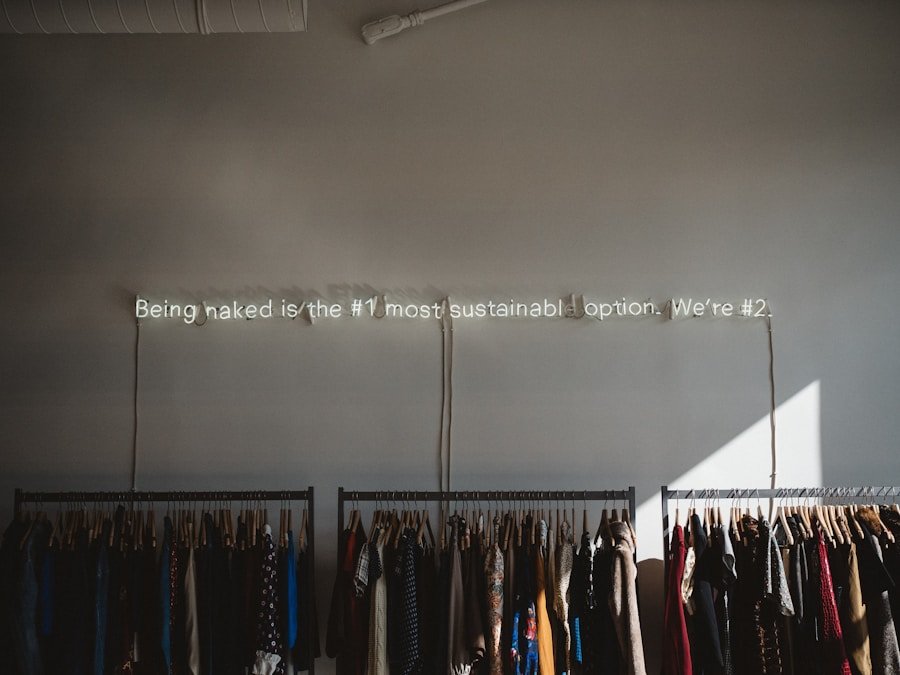
This article examines the landscape of circular fashion brands operating in Singapore and Paris, two cities with distinct but increasingly aligned approaches to sustainable clothing. It explores the foundational principles of circularity within the fashion industry and highlights specific brands from each location that embody these principles. The aim is to provide an informative overview for individuals interested in the growing movement towards a more sustainable and responsible fashion ecosystem.
Understanding the Circular Fashion Model
Circular fashion represents a departure from the traditional linear “take-make-dispose” model. Instead, it operates on the principles of a closed-loop system, where resources are kept in use for as long as possible, extracting maximum value from them before recovering and regenerating products and materials at the end of each service life.
Key Principles of Circularity in Fashion
The core tenets of circular fashion are designed to minimize waste and environmental impact. These principles are not merely aspirational but increasingly translate into tangible business practices and consumer engagement strategies.
Design for Longevity and Durability
A fundamental element of circular fashion is the creation of garments that are built to last. This involves selecting high-quality materials, employing robust construction techniques, and emphasizing timeless design aesthetics over fleeting trends. Brands committing to this principle understand that a garment’s lifespan is a critical factor in its overall environmental footprint. Investing in pieces designed for durability inherently reduces the frequency of replacement, thus conserving resources and mitigating waste generation. This is akin to building a sturdy ship, designed to weather many storms, rather than a disposable raft.
Material Innovation and Sourcing
The choice of materials is paramount in circular fashion. This encompasses the use of recycled fibers, biodegradable textiles, and innovative materials derived from waste streams or bio-based sources. The focus is on materials that can be effectively reintegrated into the production cycle or safely returned to the environment. This involves a conscious effort to move away from virgin fossil-fuel-based synthetics and towards materials with a lower environmental impact throughout their lifecycle.
Production Processes and Resource Efficiency
Circular fashion brands prioritize production methods that minimize water usage, energy consumption, and chemical waste. This can include implementing closed-loop water systems, utilizing renewable energy sources, and adopting dyeing and finishing techniques that reduce chemical runoff. The goal is to optimize every step of the manufacturing process, ensuring that resources are used judiciously and waste is minimized. Efficiency here is not just about cost-saving, but about acting as responsible stewards of finite resources.
End-of-Life Solutions: Repair, Resale, and Recycling
A robust circular model incorporates effective strategies for managing garments at the end of their initial use. This can include offering repair services to extend product life, facilitating resale platforms to encourage a secondary market, and developing advanced recycling technologies to break down garments into fibers for new production. These initiatives are crucial for keeping materials in circulation and preventing them from ending up in landfills. This phase is the crucial turning of the wheel, ensuring that what was once the end of one journey becomes the beginning of another.
Consumer Role in the Circular Fashion Ecosystem
While brands play a vital role in creating circular products, consumer engagement is equally critical. Educated consumers who understand the value of longevity, repairability, and responsible disposal contribute significantly to the success of circular fashion initiatives.
Informed Purchasing Decisions
Consumers are increasingly empowered by information regarding a brand’s sustainability practices. Making conscious choices to support brands committed to circularity sends a clear signal to the market and drives further innovation.
Embracing Secondhand and Rental Markets
The growth of resale and rental platforms offers consumers accessible and affordable ways to engage with fashion sustainably. These options challenge the notion of ownership as the sole mode of fashion consumption.
Care and Maintenance for Extended Lifespan
Proper care and maintenance of garments, from washing techniques to timely repairs, are essential for extending their functional lifespan. This simple act of stewardship directly contributes to the principles of circularity.
Circular Fashion in Singapore: A Pioneering Urban Hub
Singapore, a dense urban center with a strong commitment to sustainability, has seen a burgeoning of circular fashion initiatives. The city-state’s forward-thinking approach, coupled with its strategic location, positions it as a significant player in the global circular fashion movement.
Emerging Singaporean Circular Fashion Brands
Several Singaporean brands are actively contributing to the circular fashion landscape, each with their unique approach to integrating sustainability into their business models.
The Little Wardrobe
The Little Wardrobe is a prominent example of a brand that champions a rental and resale model for children’s clothing. Recognizing the rapid growth and subsequent obsolescence of children’s wear, the brand offers a curated selection of high-quality, ethically produced garments available for rent. This model not only promotes affordability for parents but also significantly reduces textile waste by extending the usable life of garments. Their platform operates a strict quality control system, ensuring that returned items are cleaned, repaired if necessary, and then made available for subsequent rentals or sold as secondhand items. This creates a closed loop for each garment, maximizing its utility. The brand’s educational aspect also plays a role, subtly informing consumers about the environmental impact of fast fashion for children.
Reclaim
Reclaim focuses on upcycling pre-loved denim and other textile waste into new, fashionable garments. Their design process involves creatively deconstructing existing garments and reassembling them into unique pieces, often with a distinct artisanal flair. This approach not only diverts waste from landfills but also breathes new life into materials that might otherwise be discarded. Reclaim’s brand ethos emphasizes the inherent beauty and history within salvaged textiles, transforming them into covetable items with a story to tell. Their workshop often showcases the transformation process, engaging customers with the hands-on nature of upcycling. This is akin to a skilled alchemist transforming base metals into gold, but in this case, the “gold” is sustainable fashion.
Nude
Nude is a contemporary Singaporean brand that prioritizes creating timeless, versatile pieces from sustainable and deadstock fabrics. Their commitment extends beyond material sourcing to ethical manufacturing practices. Nude’s collections are designed with longevity and adaptability in mind, encouraging a “buy less, buy better” philosophy. They also champion transparency in their supply chain, allowing consumers to trace the origin and production journey of their garments. The brand’s aesthetic leans towards minimalist and functional designs that can be easily integrated into existing wardrobes, further promoting a less consumerist approach to fashion. This thoughtful design philosophy aims to equip consumers with pieces that transcend seasonal trends and become enduring staples.
Singapore’s Policy and Infrastructure Support
The Singaporean government and various organizations actively support the growth of sustainable businesses, including those in the fashion sector. Initiatives promoting green infrastructure, waste management innovation, and research into sustainable materials provide a fertile ground for circular fashion brands to thrive.
Government Sustainability Frameworks
Singapore’s Green Plan 2030 and other national strategies outline ambitious targets for waste reduction and resource conservation, creating a conducive policy environment for circular economy models in fashion.
Innovation and Research in Textile Recycling
Investment in research and development for advanced textile recycling technologies, often supported by government grants and partnerships with academic institutions, is crucial for closing the material loop in Singapore’s fashion industry.
Parisian Fashion: A Heritage Reimagined Through Circularity
Paris, a global epicenter of fashion, is experiencing a significant shift towards circularity. While historically associated with luxury and rapid trend cycles, the city is increasingly embracing sustainable practices, with many established and emerging designers integrating circular principles into their work.
Leading Parisian Circular Fashion Brands
Parisian brands are approaching circularity with a blend of avant-garde creativity and a deep respect for craftsmanship, adapting their heritage to meet contemporary sustainability demands.
Éthel
Éthel is a fine jewelry brand based in Paris that exemplifies circularity through its commitment to using recycled precious metals and ethically sourced gemstones. They specialize in creating bespoke pieces and also offer a service to reimagine and transform existing heirloom jewelry into contemporary designs. This ensures that valuable materials are kept in use, avoiding the environmental impact of mining new resources. Their approach celebrates the intrinsic value of materials and the emotional resonance of jewelry, encouraging a long-term perspective on ownership and design. The brand’s ethos is a testament to how luxury and sustainability can not only coexist but enhance each other, turning sentimental heirlooms into future treasures.
Marine Serre
Marine Serre is arguably one of the most globally recognized designers championing a circular approach within haute couture. Her collections are renowned for their innovative use of upcycled materials, including deadstock fabrics, scarves, and even sportswear, which are ingeniously integrated into her signature crescent moon motifs and futuristic silhouettes. Serre’s work challenges conventional notions of waste, transforming discarded items into high-fashion statements and demonstrating that luxury can be derived from ingenuity and resourcefulness. Her collections are a powerful visual manifesto for the future of fashion, where creativity thrives on reimagining what others discard. This is not just fashion; it’s a bold declaration of intent for the industry.
La Seine
La Seine is a Parisian multi-brand boutique and online platform dedicated to showcasing and selling ethically made and sustainable fashion. While not a brand itself, it plays a pivotal role in curating and promoting circular fashion by stocking designers who adhere to strict sustainability criteria. This includes brands that use organic or recycled materials, employ fair labor practices, and offer repair services or take-back programs. La Seine acts as a crucial gateway for consumers seeking to discover and support circular fashion in Paris, simplifying the search for conscious consumption. They vet brands carefully, acting as a trusted filter for discerning shoppers aiming to make responsible choices. Their curated selection is a lighthouse guiding consumers through the often-complex waters of sustainable fashion.
Parisian Influence on Global Circular Fashion Trends
Paris’s influential position in the fashion world means its embrace of circularity has a ripple effect, inspiring designers, brands, and consumers globally to reconsider their practices.
Luxury Brands Integrating Circularity
Many established Parisian luxury houses are increasingly incorporating circular principles, such as offering repair services, exploring resale, and investing in more sustainable material sourcing.
The Rise of Conscious Consumerism in Paris
A growing segment of Parisian consumers, particularly younger generations, actively seeks out sustainable and ethically produced fashion, driving demand for circular brands and practices.
Challenges and Opportunities in the Circular Fashion Landscape
While the momentum towards circular fashion is undeniable, several challenges persist, alongside significant opportunities for growth and innovation. Navigating these complexities is key to the widespread adoption of circular models.
Overcoming Barriers to Scalability
Mass adoption of circular fashion faces hurdles related to infrastructure, consumer education, and the economic viability of certain circular processes at scale.
Infrastructure for Collection and Processing
The development of efficient systems for collecting, sorting, and processing post-consumer textiles is crucial for closing the loop, requiring significant investment in logistics and technology.
Consumer Education and Behavioral Change
Shifting consumer mindsets away from disposability towards a preference for longevity, repair, and resale requires ongoing education and consistent positive reinforcement.
Economic Viability of Circular Models
Ensuring that circular business models are financially sustainable and competitive with traditional fast fashion requires innovation in production, marketing, and pricing.
Embracing Innovation and Collaboration for a Circular Future
The future of circular fashion hinges on technological advancements, cross-sector collaboration, and a shared commitment to a more sustainable industry.
Technological Advancements in Recycling
Innovations in chemical and mechanical recycling are essential for breaking down complex textile blends and recovering high-quality fibers for reuse, enabling true closed-loop systems.
Cross-Industry Partnerships
Collaboration between fashion brands, material scientists, technology providers, governments, and NGOs is vital for developing comprehensive solutions and driving systemic change.
Policy and Regulatory Support
Government policies that incentivize circular practices, such as extended producer responsibility schemes and tax breaks for sustainable materials, can accelerate the transition.
The Future of Fashion: A Circular Horizon
| Brand Name | Location | Product Range | Sustainability Initiatives |
|---|---|---|---|
| Reformation | Paris | Women’s clothing | Uses sustainable materials and eco-friendly practices |
| Veja | Paris | Footwear | Uses organic materials and fair trade sourcing |
| Matter Prints | Singapore | Unisex clothing | Supports traditional textile crafts and ethical production |
| Esse | Singapore | Women’s clothing | Focuses on sustainable and timeless designs |
The journey towards a fully circular fashion industry is ongoing, but the progress made by brands in cities like Singapore and Paris offers a compelling glimpse into its potential. By embracing innovation, fostering collaboration, and engaging consumers, the fashion world can move towards a future where style and sustainability are inextricably linked. The continued evolution of these urban centers as hubs for circular fashion innovation promises a more responsible and resilient industry for generations to come.