
Tanger’s Most Impactful Sustainable Mobility Projects: Adapting to a Changing Climate
Tanger, Morocco, has embarked on a significant transformation of its urban transportation landscape, driven by the need to address environmental concerns and improve the quality of life for its residents. This transition, moving from traditional, less sustainable modes of transport towards cleaner, more efficient alternatives, represents a critical step in ensuring the city’s long-term viability. As a port city experiencing substantial growth and facing the increasing realities of climate change, Tanger’s strategic investments in sustainable mobility are not merely about convenience; they are about future-proofing the urban environment. This document outlines the key initiatives that have marked Tanger’s journey towards a more sustainable future, detailing their scope, objectives, and their demonstrable impact.
The Foundation: Enhancing Cycling Infrastructure
The initial phase of Tanger’s sustainable mobility strategy focused on revitalizing and expanding its cycling infrastructure. Recognizing the bicycle as a fundamental element of sustainable urban transport, the city prioritized creating safe and accessible routes for cyclists. This was not a radical departure from historical practice but a deliberate reinforcement of a mode of transport that had, in many urban centers, receded in favor of motorized vehicles. This focus acknowledged that even seemingly simple solutions could form the bedrock of a more integrated system.
The ‘Vélo-Tanger’ Initiative
A cornerstone of this effort was the “Vélo-Tanger” initiative. This program aimed to create a comprehensive network of dedicated bicycle lanes, connect existing bicycle paths, and provide supporting facilities such as secure parking areas and repair stations. The project sought to move cycling from the periphery of urban planning to the forefront, treating it as a legitimate and integral part of the daily commute for a significant portion of the population.
Expansion of Dedicated Cycle Lanes
The physical construction and expansion of dedicated cycle lanes were a primary objective. These lanes were designed to provide a clear and protected space for cyclists, separating them from vehicular traffic. This measure was crucial in addressing the safety concerns that often deter individuals from cycling in urban environments. The network aimed to link residential areas with commercial centers, educational institutions, and public transport hubs, facilitating seamless multimodal journeys.
Integration with Public Transport Hubs
A critical design consideration for the cycle lane network was its integration with existing and planned public transport hubs. This meant ensuring that ample and secure bicycle parking facilities were available at bus stations, train stations, and ferry terminals. The objective was to enable commuters to combine cycling with public transport, using their bicycle for the “first mile” and “last mile” of their journey. This multimodal approach significantly extends the reach and effectiveness of public transport.
Bicycle Sharing Programs
Complementing the infrastructure development, Tanger also explored and implemented bicycle sharing programs. These programs provide a flexible and accessible option for residents and tourists alike, offering bicycles for short-term rental. This approach not only encourages cycling but also reduces the need for individual ownership, thereby decreasing the overall number of bicycles contributing to potential congestion and street clutter. The shared bicycles were strategically placed in high-demand areas.
Impact of Infrastructure Improvements on Commuting Patterns
The tangible impact of these infrastructural improvements has been observable in shifting commuting patterns. Anecdotal evidence and early data suggest an increase in the number of people choosing cycling as their primary mode of transport, particularly for shorter distances. The enhanced safety and convenience offered by the dedicated lanes have made cycling a more viable and attractive option, particularly in areas where previously it was considered too dangerous.
Reduction in Short-Distance Car Journeys
A significant intended consequence of the expanded cycling infrastructure was the reduction in short-distance car journeys. These short trips, often made in single-occupancy vehicles, contribute disproportionately to traffic congestion and air pollution in urban areas. By providing a practical and safe alternative, Tanger aimed to disincentivize these unnecessary car trips, freeing up road space and reducing local emissions. This is akin to rerouting smaller tributaries back into a larger, more efficient river system.
Increased Physical Activity and Public Health Benefits
Beyond the environmental benefits, the promotion of cycling inherently contributes to increased physical activity among the population. This has positive implications for public health, potentially leading to reductions in non-communicable diseases associated with sedentary lifestyles. The city viewed cycling infrastructure not just as transportation but as an investment in community well-being.
The Electric Revolution: Transitioning to Electric Buses
Recognizing the substantial environmental footprint of conventional diesel-powered buses, Tanger has made a strategic pivot towards electrifying its public bus fleet. This transition represents a significant investment in cleaner technology and a commitment to reducing air and noise pollution within the city. The introduction of electric buses is a prominent symbol of Tanger’s dedication to modernizing its transportation system.
Phased Introduction of Electric Bus Routes
The electrification of the bus fleet has been a carefully orchestrated, phased process. Instead of a wholesale immediate replacement, Tanger adopted a gradual approach, introducing electric buses on specific, high-demand routes first. This allowed for the assessment of operational performance, charging infrastructure requirements, and passenger feedback before scaling up the program.
Pilot Programs and Route Selection
Initial pilot programs were crucial in testing the viability of electric buses in Tanger’s specific operating conditions. Routes were selected based on factors such as length, passenger volume, and the proximity to existing or planned charging depots. This data-driven approach ensured that the pilot programs provided meaningful insights for future expansion.
Expansion to City-Wide Coverage
Following the successful implementation of pilot programs, Tanger has systematically expanded its electric bus network. The goal is to achieve widespread coverage, ensuring that a significant portion of the city’s population has access to clean public transport. This phased rollout allows for the gradual build-out of the necessary charging infrastructure to support the growing fleet.
Development of Charging Infrastructure
A critical enabling factor for the electric bus transition is the development of a robust and reliable charging infrastructure. This involves the installation of charging stations at bus depots and potentially at strategic points along routes. The planning and execution of this infrastructure are as vital as the acquisition of the electric buses themselves.
Depot Charging Solutions
The primary charging strategy involves overnight charging at bus depots. This ensures that buses are fully charged and ready for their daily routes. The design and capacity of these depot charging systems are engineered to accommodate the entire fleet as it grows.
Opportunity Charging and Future Considerations
In addition to depot charging, Tanger is exploring “opportunity charging” solutions, where buses can charge for short periods at designated stops or terminals during their operational hours. This can help extend the operational range of the buses and reduce reliance solely on overnight charging. Future considerations also include integrating charging with renewable energy sources.
Environmental and Operational Benefits of Electric Buses
The switch to electric buses yields significant environmental and operational benefits. The reduction in tailpipe emissions directly contributes to improved air quality in the city, while the quieter operation of electric buses lessens noise pollution. From an operational perspective, while the initial investment in electric buses is higher, they often offer lower running costs due to reduced energy consumption and maintenance requirements.
Reduction in Greenhouse Gas Emissions
The most direct environmental benefit is the substantial reduction in greenhouse gas emissions compared to diesel buses. By eliminating direct exhaust emissions, electric buses play a crucial role in Tanger’s efforts to combat climate change and contribute to cleaner air. This is a crucial step in the city’s journey from a carbon-dependent transport system to one powered by cleaner energy.
Improvement in Urban Air Quality
The cessation of diesel emissions dramatically improves urban air quality. This has a direct impact on public health, reducing respiratory illnesses and creating a more pleasant urban environment for residents. Localized pollution from buses is a major concern in densely populated cities.
Reduction in Noise Pollution
Electric buses are significantly quieter than their diesel counterparts. This reduction in noise pollution contributes to a more peaceful urban soundscape, enhancing the quality of life for residents living and working near bus routes. The constant hum of engines can be a significant irritant in urban environments.
The Future is Shared: Micro-Mobility Solutions
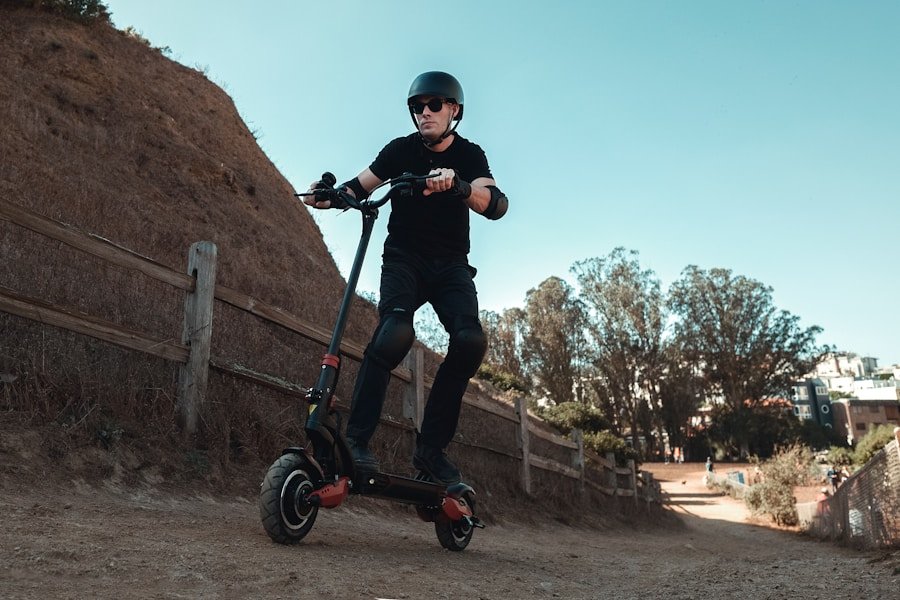
Beyond bicycles and buses, Tanger is embracing the concept of shared micro-mobility solutions as a complementary element of its sustainable transport strategy. This includes the integration of electric scooters and other small, personal electric vehicles into the urban mobility ecosystem. This approach recognizes that not all journeys require larger vehicles and that flexible, on-demand options are becoming increasingly important.
Integration of Electric Scooters and E-Bikes
The introduction of electric scooters and shared electric bicycles offers a convenient and fun way to cover short to medium distances within the city. These services are typically provided through mobile applications, allowing users to locate, unlock, and use vehicles on demand. This democratizes access to personal mobility, offering an alternative to walking for those with limited time or physical constraints.
Dockless and Docked Systems
Tanger is exploring both dockless and docked systems for its micro-mobility offerings. Dockless systems offer greater flexibility, allowing users to leave vehicles at designated parking areas throughout the city. Docked systems, on the other hand, provide a more structured approach with designated stations for pick-up and drop-off, potentially reducing street clutter.
Partnerships with Service Providers
The implementation of micro-mobility solutions often involves partnerships with private sector companies that specialize in operating these services. These partnerships entail agreements on fleet management, safety regulations, and data sharing to ensure the responsible integration of these vehicles into the urban environment.
Addressing Challenges and Ensuring Responsible Deployment
The rapid adoption of micro-mobility solutions presents unique challenges that Tanger is actively addressing. These include ensuring rider safety, preventing sidewalk clutter, and managing parking effectively. The city is working to establish clear operational guidelines and regulations for these services.
Safety Regulations and Rider Education
Emphasis is placed on establishing clear safety regulations for micro-mobility users, including mandatory helmet use and speed limits. Rider education campaigns are also employed to inform users about safe riding practices and adherence to local traffic laws.
Designated Parking Zones and Sidewalk Management
To combat sidewalk clutter and ensure pedestrian safety, Tanger is implementing designated parking zones for micro-mobility vehicles. This requires careful planning to identify suitable locations that do not impede pedestrian flow or access to buildings. The goal is to integrate these vehicles seamlessly without them becoming a nuisance.
Complementary Role in the Urban Mobility Network
Micro-mobility solutions are not intended to replace traditional public transport but rather to complement it. They are particularly effective for first-mile/last-mile connectivity, bridging the gap between public transport stops and final destinations. This creates a more seamless and integrated transportation network, reducing reliance on private cars.
Enhancing Connectivity to Public Transport
By providing an easy and accessible way to reach bus stops or train stations, micro-mobility solutions significantly enhance the connectivity of Tanger’s public transport network. This allows residents to venture further from transit hubs, expanding the practical reach of public transportation.
Offering Flexible Short-Distance Travel Options
For short errands or informal travel within neighborhoods, micro-mobility offers a highly flexible and convenient option. This can reduce the need to drive and park for very short trips, contributing to less congestion and emissions.
Smart City Integration: Data-Driven Mobility Planning
Tanger’s sustainable mobility projects are increasingly being underpinned by the principles of smart city development, leveraging technology and data analytics to optimize urban transportation. This approach moves beyond static infrastructure to a dynamic, responsive system.
Leveraging Data for Traffic Management
Data collected from various sources, including sensors, public transport, and micro-mobility services, is being used to inform real-time traffic management and planning. This granular understanding of movement patterns allows for more efficient allocation of resources and proactive identification of potential bottlenecks.
Real-time Traffic Monitoring Systems
Tanger is investing in real-time traffic monitoring systems that provide immediate insights into traffic flow across the city. This technology allows authorities to identify congestion points and implement dynamic traffic management strategies to mitigate delays.
Predictive Analytics for Congestion Management
Beyond real-time monitoring, predictive analytics are being employed to forecast areas of potential congestion based on historical data, events, and weather patterns. This proactive approach enables the implementation of preventative measures to ease traffic flow.
Integrated Mobility Platforms
The aspiration is to develop integrated mobility platforms that consolidate information from various transport modes into a single, user-friendly interface. This allows residents to plan journeys, access real-time information, and make informed choices about their travel options.
Journey Planners and Real-time Information
The development of sophisticated journey planning tools that incorporate all available sustainable mobility options is a key objective. These platforms provide users with real-time updates on service availability, estimated travel times, and potential disruptions, empowering them to navigate the city efficiently.
Payment and Ticketing Integration
Future developments aim to integrate payment and ticketing systems across different transport modes. This will create a seamless experience for users, allowing them to pay for public transport, shared bicycles, and other services through a single account or platform.
The Role of IoT and Sensors
The Internet of Things (IoT) and ubiquitous sensors play a critical role in gathering the data necessary for smart city mobility solutions. These devices provide continuous streams of information about vehicle movements, environmental conditions, and infrastructure status.
Monitoring Infrastructure Performance
Sensors are used to monitor the performance of infrastructure such as traffic lights, road surfaces, and charging stations, enabling timely maintenance and optimization. This ensures the reliability and efficiency of the entire mobility network.
Environmental Data Collection for Urban Planning
Environmental sensors collect data on air quality, noise levels, and other environmental factors. This information is vital for assessing the impact of mobility policies and for informing future urban planning decisions aimed at improving the city’s environmental health.
Long-Term Vision: Towards a Carbon-Neutral Transport Future
| Project | Metrics |
|---|---|
| Bike Sharing Program | Number of bikes available: 500 Number of users: 10,000 Reduction in CO2 emissions: 50 tons/year |
| Electric Bus Fleet | Number of buses: 30 Route coverage: 80% of the city Reduction in air pollution: 30% Number of passengers: 500,000/year |
| Bike Lanes Expansion | Length of new bike lanes: 15 km Number of cyclists: 2,000/day Reduction in traffic congestion: 20% |
Tanger’s sustainable mobility projects are not isolated initiatives but components of a broader, long-term vision for a carbon-neutral transport future. This vision guides strategic planning and investment decisions, aiming to create a city that is not only efficient and convenient but also environmentally resilient.
Renewable Energy Integration in Transportation
A critical element of this long-term vision is the increasing integration of renewable energy sources into the transportation sector. This extends beyond just powering electric vehicles to considering the energy used in manufacturing and maintaining transport infrastructure.
Solar Power for Charging Infrastructure
Where feasible, Tanger is exploring the use of solar power to supply electricity for bus charging stations and other transportation-related facilities. This further reduces the carbon footprint associated with the electric vehicle transition.
Exploring Hydrogen Fuel Cell Technology
While electric buses are the current focus, Tanger is also keeping abreast of emerging technologies such as hydrogen fuel cell vehicles for heavier-duty transport applications in the future. This demonstrates a commitment to exploring all viable clean energy pathways.
Circular Economy Principles in Mobility
The application of circular economy principles to the design, use, and end-of-life management of transportation assets is another important aspect of the long-term vision. This focuses on minimizing waste and maximizing resource utilization.
Sustainable Materials in Infrastructure Development
The selection of sustainable and recycled materials in the construction and maintenance of cycling paths, bus depots, and other transportation infrastructure is being prioritized. This reduces the environmental impact of civil engineering projects.
Battery Recycling and Repurposing Initiatives
For electric vehicles, the development of robust battery recycling and repurposing programs is a critical consideration. This ensures that the batteries, a key component of electric mobility, are managed responsibly at the end of their operational life.
Fostering Public Engagement and Behavioral Change
Ultimately, the success of any sustainable mobility strategy hinges on public engagement and a shift in behavioral patterns. Tanger is committed to initiatives that educate and encourage residents to adopt more sustainable travel habits.
Educational Campaigns and Awareness Programs
Ongoing educational campaigns and public awareness programs are designed to inform residents about the benefits of sustainable mobility options and to encourage their adoption. This includes highlighting the environmental, health, and economic advantages of choosing cycling or public transport.
Incentives and Gamification for Sustainable Travel
Exploring incentives and gamification strategies to encourage sustainable travel choices is also part of the long-term roadmap. This could involve rewards for consistent use of public transport or cycling, reinforcing positive behaviors.
By embracing a multi-pronged approach that encompasses enhanced cycling infrastructure, the electrification of public transport, the integration of micro-mobility solutions, and the leverage of smart city technologies, Tanger is actively demonstrating its commitment to a sustainable urban future. These projects, when viewed collectively, represent a fundamental restructuring of how residents move within the city, laying the groundwork for a more efficient, environmentally sound, and livable Tanger for generations to come. The journey from bikes to electric buses is not merely a technological upgrade; it is a strategic metamorphosis aimed at ensuring the city’s resilience in the face of evolving environmental and urban challenges.