
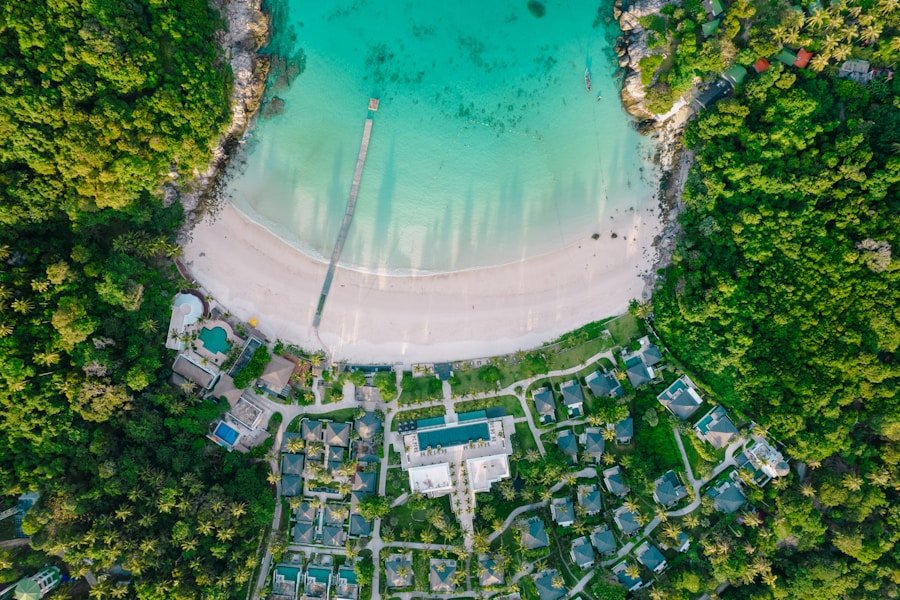
Dubai, a city synonymous with ambitious construction and rapid modernization, has long been a destination for luxury tourism. While its skyline is a testament to human ingenuity, a quieter evolution is underway within its elite resorts. Moving beyond superficial sustainability claims, these establishments are increasingly embracing regenerative hospitality – a philosophy focused on actively improving the environment and community, rather than merely minimizing harm. This shift represents Dubai’s emergence from an artificial oasis, built with imported resources, towards a model of thriving ecosystems and positive social impact, setting a benchmark for the global hospitality industry.
The Genesis of Luxury in the Desert
Dubai’s meteoric rise as a tourist hub was fueled by a vision of unparalleled luxury. Early resort developments were often characterized by significant resource consumption, reflecting a paradigm of growth at any cost. The sheer scale of construction, the energy required for air conditioning in an extreme climate, and the reliance on imported goods presented considerable environmental challenges. These initial ventures, while successful in attracting visitors, did not always prioritize long-term ecological or social sustainability. They were, in essence, meticulously crafted gardens in a desert, requiring constant external input to maintain their verdant appearance.
Early Architectural Marvels and Their Resource Footprint
- Iconic Structures: The development of world-renowned hotels and resorts often coincided with architectural innovation, pushing the boundaries of design and engineering. This ambition, however, frequently came with a substantial material and energy footprint.
- Water Scarcity and Consumption: As an arid region, water management has always been a critical consideration. Early resort developments, with their extensive landscaping, swimming pools, and high water usage for guest amenities, placed significant strain on local water resources.
- Energy Demands: The extreme desert heat necessitates intensive cooling systems, leading to substantial energy consumption. The reliance on fossil fuels for electricity generation in the early stages contributed to the region’s carbon emissions.
The Business Case for Elevated Experiences
The initial economic drivers for Dubai’s hospitality sector were clear: attract high-net-worth individuals and position the city as a global leisure and business destination. The focus was on delivering opulence and exclusivity, a strategy that proved highly effective. The construction of lavish properties was seen as essential for competing on the international stage.
Adapting to a Changing Global Consciousness
As global awareness of environmental issues grew, so too did the expectations of travelers. Guests began to seek experiences that aligned with their values, demanding more than just luxury. This evolving consumer sentiment, coupled with a growing understanding of the planet’s ecological limits, prompted a re-evaluation of how luxury hospitality could be practiced more responsibly.
Embracing Regenerative Principles: Beyond Sustainability
The term “regenerative” signifies a departure from simply “sustaining” existing conditions. It implies actively working to replenish and restore, aiming to leave a place better than it was found. In the context of Dubai’s elite resorts, this translates into initiatives that go beyond reducing their environmental impact, focusing instead on enriching the local ecosystems and communities. This is akin to a skilled gardener not only preventing weeds but also actively improving the soil fertility and biodiversity of the garden.
Redefining “Luxury” in an Ecological Context
- From Consumption to Connection: True luxury is now increasingly defined by authentic experiences and a connection to the natural world, rather than sheer opulence. Guests are seeking experiences that enrich their understanding of the destination and its environment.
- The Value of Authenticity: Regenerative hospitality emphasizes genuine engagement with local culture and nature, offering a deeper and more meaningful travel experience. This authenticity serves as a core element of the new luxury narrative.
- Investing in the Future: The long-term vision is to create resorts that contribute positively to the environment and society, ensuring their own longevity while enhancing the destination. This involves a shift from short-term profit maximization to sustainable value creation.
Intertwining Nature and Design
- Biophilic Design: Modern resort architecture increasingly incorporates biophilic design principles, seamlessly blending indoor and outdoor spaces and bringing natural elements into guest areas. This aims to foster a sense of well-being and connection to nature.
- Preservation and Restoration of Habitats: Resorts are actively involved in protecting and restoring local flora and fauna, creating sanctuaries within their grounds and supporting conservation efforts in the surrounding areas. This can include mangrove planting or the creation of protected bird habitats.
- Sustainable Materials and Practices: The use of sustainable, locally sourced building materials and the implementation of energy-efficient and water-saving technologies are becoming standard. This reduces the environmental footprint of construction and ongoing operations.
Community Engagement as a Cornerstone
- Local Sourcing and Employment: Prioritizing local suppliers for food, crafts, and services not only reduces transportation emissions but also fosters economic growth within the immediate community. Employing and training local residents enhances social equity.
- Cultural Preservation and Promotion: Resorts are becoming active patrons of local arts, crafts, and cultural heritage, providing platforms for local artisans and performers and educating guests about the region’s rich history.
- Social Impact Initiatives: Beyond economic contributions, many resorts engage in direct social impact programs, supporting local schools, healthcare facilities, or community development projects, creating a tangible positive effect.
Innovations in Water Management and Conservation
Given Dubai’s arid climate, water scarcity is a perpetual challenge. Elite resorts are at the forefront of implementing innovative water management strategies that go beyond simple efficiency, actively seeking ways to replenish and reuse water resources.
Advanced Wastewater Treatment and Recycling
- Closed-Loop Systems: Implementing sophisticated systems to treat and recycle wastewater for irrigation, cooling towers, and other non-potable uses significantly reduces reliance on desalinated water.
- Greywater Reclamation: Capturing and treating greywater from sinks, showers, and laundry for landscaping and toilet flushing is another key strategy for water conservation.
- Data-Driven Monitoring: Utilizing smart technologies to monitor water usage in real-time allows for prompt identification of leaks and inefficiencies, optimizing consumption.
Desalination Technologies and Renewable Energy Integration
- Energy-Efficient Desalination: Investing in the latest, most energy-efficient desalination technologies is crucial. However, the future lies in powering these plants with renewable energy sources.
- Solar Power Integration: Many resorts are incorporating solar photovoltaic panels to generate electricity, offsetting the energy demands of desalination and general resort operations. This is a vital step in reducing their carbon footprint.
- Water-Conscious Landscaping: Designing landscapes that require minimal irrigation, utilizing native and drought-tolerant plant species, is a fundamental aspect of water-smart design.
Engaging Guests in Water Stewardship
- Education and Awareness Programs: Informing guests about the resort’s water conservation efforts and encouraging their participation through optional linen changes and mindful water usage can foster a sense of shared responsibility.
- Interactive Displays: Some resorts feature educational displays that illustrate their water management systems, making the invisible visible to guests and promoting a deeper understanding.
- Water-Wise Amenities: Providing water-efficient showerheads and tap aerators are simple yet effective measures that contribute to overall water savings.
Fostering Biodiversity and Ecosystem Restoration
Dubai’s natural environment, while seemingly stark, possesses unique biodiversity. Elite resorts are increasingly recognizing their role in protecting and enhancing these local ecosystems, transforming themselves into havens for nature.
Creating Green Sanctuaries and Habitats
- Native Planting and Landscaping: Prioritizing the use of indigenous plant species that are adapted to the desert climate helps to create self-sustaining gardens that require less water and attract local wildlife.
- Habitat Restoration Projects: Resorts are actively involved in restoring degraded natural areas, such as coastal mangroves or desert areas, creating crucial habitats for birds, insects, and other wildlife.
- Wildlife Corridors: Designing resort grounds to facilitate the movement of wildlife through connected green spaces can contribute to larger ecological networks.
Sustainable Agriculture and Local Food Production
- On-site Organic Farms: Several resorts are establishing their own organic farms and gardens to supply their restaurants with fresh, seasonal produce, reducing food miles and waste.
- Hydroponic and Aeroponic Systems: Implementing advanced hydroponic and aeroponic farming techniques allows for significant water savings and efficient food production in controlled environments.
- Support for Local Farmers: Partnering with and supporting local farmers who practice sustainable agriculture further strengthens the local food system and promotes ethical sourcing.
Educational Programs and Guest Involvement
- Nature Walks and Guided Tours: Offering guided tours led by naturalists helps guests connect with the local flora and fauna and understand the importance of conservation efforts.
- Citizen Science Initiatives: Engaging guests in monitoring local wildlife populations or participating in planting initiatives can foster a deeper connection and sense of stewardship.
- Educational Displays and Information: Providing accessible information about the resort’s biodiversity initiatives and the ecological significance of the region educates guests and encourages responsible behavior.
The Future of Regenerative Hospitality: A Blueprint for Tomorrow
| Resort Name | Location | Regenerative Practices | Sustainability Metrics |
|---|---|---|---|
| Al Maha, a Luxury Collection Desert Resort & Spa | Dubai Desert Conservation Reserve | Restoration of natural habitat, water conservation, solar energy | Water usage reduction by 30%, solar energy powering 80% of resort |
| One&Only Royal Mirage | Jumeirah Beach | Native plant landscaping, waste reduction, marine conservation | 90% waste diverted from landfill, coral reef protection program |
| Desert Palm PER AQUUM | Desert Palm Dubai | Organic farming, energy-efficient design, wildlife conservation | Organic produce for on-site restaurants, wildlife sanctuary on property |
Dubai’s leading resorts are demonstrating that luxury and environmental responsibility are not mutually exclusive. They are forging a new path, proving that hospitality can be a force for good, actively contributing to ecological health and community well-being. This evolution is not just about mitigating negative impacts; it’s about creating positive change.
Beyond Carbon Neutrality: Towards Net Positive Impact
- Active Carbon Sequestration: Initiatives that go beyond reducing emissions to actively sequestering carbon, such as reforestation or soil carbon enhancement projects, are the next frontier.
- Biodiversity Net Gain: Measuring and actively working to increase biodiversity on resort grounds and in surrounding areas establishes a clear target for ecological improvement.
- Water Positive Operations: Aiming to replenish more water than is consumed through innovative sourcing and recycling methods is a bold but necessary goal for arid regions.
Technology and Innovation as Enablers
- AI and Machine Learning for Resource Management: Utilizing advanced analytics to optimize energy, water, and waste management systems will further enhance efficiency.
- Blockchain for Supply Chain Transparency: Employing blockchain technology to ensure ethical sourcing and provide verifiable data on environmental and social impact across the supply chain, from farm to fork.
- Smart Building Technologies: Integrating smart home and building management systems to fine-tune climate control, lighting, and water usage based on occupancy and real-time data.
The Ripple Effect: Inspiring Industry-Wide Change
- Knowledge Sharing and Collaboration: Elite resorts are increasingly sharing their best practices and collaborating with other businesses to foster a wider adoption of regenerative principles.
- Setting New Benchmarks: By exceeding current sustainability standards, these resorts are creating new benchmarks that will influence the entire hospitality industry.
- Consumer Demand as a Catalyst: As more travelers seek out and prioritize regenerative experiences, the demand for such offerings will continue to grow, driving further innovation and investment.
Dubai’s journey from an engineered desert oasis to a leader in regenerative hospitality is a compelling narrative. It demonstrates a mature understanding that true luxury lies not just in comfort and exclusivity, but in responsible stewardship and a positive contribution to the world. These resorts are not merely destinations; they are becoming ecosystems themselves, meticulously designed to thrive and regenerate, offering a glimpse into a more sustainable and fulfilling future for travel. Their success lies in their ability to weave together ecological restoration, community empowerment, and discerning guest experiences, proving that the future of luxury hospitality is deeply intertwined with the health of our planet.