
This article examines circular economy principles applied to the food and beverage (F&B) sector in two distinct urban environments: San José, California, often associated with technological innovation, and Paris, France, a city with a rich culinary heritage. The goal is to explore how these cities are fostering creativity and implementing sustainable practices in their F&B landscapes.
Introduction: The Imperative for Circularity in Food & Beverage
The global food and beverage industry faces a critical juncture. Traditional linear models of production, consumption, and disposal generate significant waste, contributing to environmental degradation and resource depletion. As concerns about climate change and resource scarcity intensify, the concept of a circular economy offers a compelling alternative. This approach seeks to minimize waste by designing out waste and pollution, keeping products and materials in use, and regenerating natural systems.
In the F&B sector, circularity translates to a wide range of practices, from reducing food loss and waste at every stage of the supply chain to developing innovative uses for byproducts and embracing regenerative agriculture. This journey, as we will explore, is unfolding in diverse ways across different geographical and cultural contexts. San José, nestled in Silicon Valley, presents a model where technology acts as a catalyst for circularity. Paris, a global gastronomic capital, showcases how tradition and innovation can converge to reshape food systems. Examining these two cities provides valuable insights into the challenges and opportunities inherent in transforming F&B operations towards a more sustainable and resilient future.
San José: Technological Innovation as a Catalyst for Circularity
San José, as the heart of Silicon Valley, naturally gravitates towards technological solutions. In its F&B sector, this translates to an emphasis on data-driven approaches, smart technologies, and innovative business models aimed at tackling waste and optimizing resource utilization. The city’s entrepreneurial spirit facilitates the rapid adoption and scaling of new ideas, making it a fertile ground for circular F&B initiatives.
Precision Agriculture and Urban Farming
The application of advanced technologies to agriculture, even within urban and peri-urban settings, is a key area of innovation in San José.
Sensor Networks and IoT in Urban Farms
Urban farms in and around San José are increasingly adopting Internet of Things (IoT) devices and sensor networks. These technologies allow for precise monitoring of environmental conditions such as soil moisture, temperature, and nutrient levels. This data enables farmers to optimize irrigation, fertilization, and pest control, thereby reducing water usage and the need for chemical inputs. The efficiency gains translate directly into less waste of resources and a more sustainable food production cycle.
Vertical Farming and Controlled Environment Agriculture
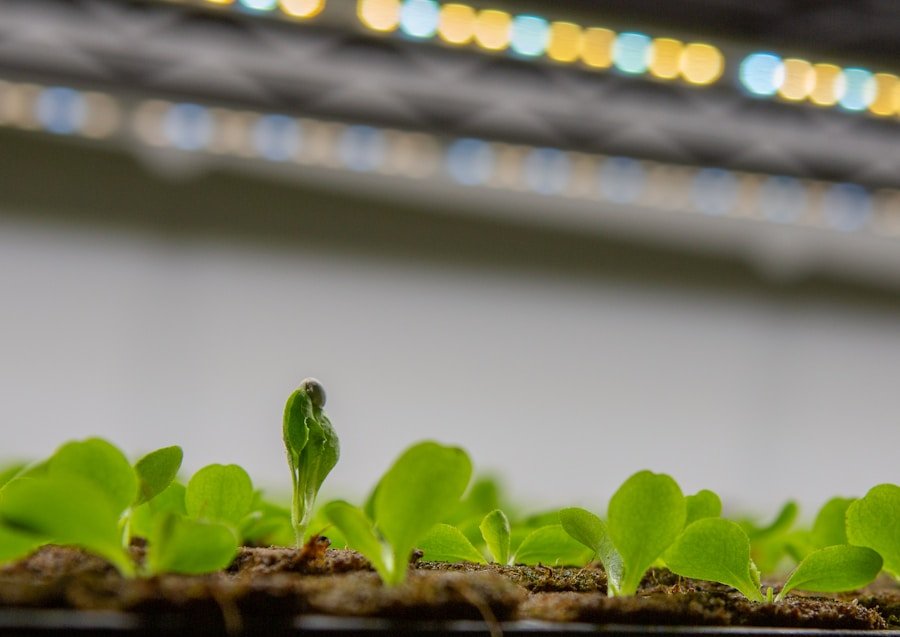
Vertical farms, a hallmark of modern urban agriculture, are gaining traction in San José. These systems, often housed in repurposed buildings or custom-designed facilities, utilize controlled environments and stacked growing layers to maximize space and yield. Hydroponic and aeroponic systems, which recirculate water and nutrients, further enhance resource efficiency. The proximity of these farms to consumers also reduces transportation-related emissions and food spoilage.
Food Waste Reduction Technologies and Platforms
Addressing food waste is a central pillar of circularity, and San José is home to several entreprises focusing on technological solutions.
AI-Powered Inventory Management
Artificial intelligence (AI) is being deployed by restaurants and food distributors to predict demand more accurately and manage inventory. Machine learning algorithms can analyze sales data, seasonal trends, and even external factors like weather to forecast consumption patterns. This proactive approach helps reduce over-ordering and minimizes the likelihood of food expiring before it can be sold or consumed.
Food Waste Tracking and Analytics
Companies in San José are developing software and hardware solutions to track food waste in commercial kitchens and retail environments. These systems can identify the types and quantities of food being discarded, providing valuable insights into problem areas. Armed with this data, businesses can pinpoint inefficiencies in their operations, from purchasing and preparation to portion control and menu planning, leading to targeted waste reduction strategies.
Surplus Food Redistribution Platforms
Digital platforms are emerging to connect businesses with surplus food to charities, food banks, or even other businesses that can utilize it. These apps and websites streamline the process of donating or selling edible food that would otherwise go to waste, creating a secondary market and preventing valuable resources from ending up in landfills. This acts as a vital bridge, diverting edible food from the disposal stream and feeding those in need.
Byproduct Valorization and Upcycling
The concept of turning waste into value is a cornerstone of circular economy thinking, and San José’s innovative ecosystem is fostering creative solutions for F&B byproducts.
Insect Farming for Protein and Biocycle
Several startups in the San José area are exploring the potential of insect farming. Insects, such as mealworms and black soldier flies, can thrive on organic waste materials, processing them into valuable protein for animal feed or even human consumption. This dual benefit of waste management and resource creation positions insect farming as a promising circular solution.
Brewery and Winery Waste into New Products
Commercial kitchens and F&B producers are experimenting with upcycling byproducts from brewing and winemaking. Spent grains from breweries, for example, can be used in baking, producing new food items. Grape pomace from wineries can be transformed into biofuels or used in cosmetics and animal feed. This approach closes loops, extracting further value from materials that were once considered waste.
Paris: Embracing Heritage and Innovation in Circular Gastronomy
Paris, a city synonymous with culinary excellence, is also a vibrant hub for circular food and beverage innovations. Here, the emphasis is often on preserving the integrity of ingredients, fostering local and regional food systems, and leveraging a deep-seated appreciation for quality and tradition. While technology plays a role, it is often integrated within a framework that prioritizes ethical sourcing, community engagement, and a respect for the food itself.
The Resurgence of Local and Seasonal Food Systems
Paris is witnessing a renewed focus on local and seasonal produce, driven by consumer demand for transparency and sustainability.
Farmers’ Markets and Direct-to-Consumer Models
The iconic Parisian farmers’ markets continue to thrive, serving as crucial links between producers and consumers. These markets not only provide access to fresh, seasonal produce but also foster community interaction and reduce the environmental impact of long-distance transportation. Beyond markets, direct-to-consumer models, including CSA (Community Supported Agriculture) initiatives, are gaining traction, further strengthening local food networks.
Urban Agriculture and Rooftop Gardens
While perhaps not on the same scale as San José’s tech-driven urban farms, Paris is actively promoting urban agriculture. Rooftop gardens, community gardens, and even vertical farming initiatives within the city are contributing to a more localized food supply. These initiatives often focus on high-value crops and herbs, bringing fresh produce closer to Parisian households and restaurants.
Rethinking Food Waste in Restaurants and Households
Parisian chefs and citizens are actively engaged in reducing food waste, often drawing on traditional culinary practices and innovative reuse strategies.
“Zero Waste” Restaurants and Chef Initiatives
A growing number of Parisian restaurants are adopting a “zero waste” philosophy. This involves meticulous menu planning to utilize every part of an ingredient, creative preservation techniques, and conscientious sourcing. Chefs are becoming culinary alchemists, transforming scraps into broths, sauces, and other flavorful components, illustrating that “waste” can be a source of culinary inspiration.
Food Rescue Operations and Redistribution Networks
Similar to San José, Paris has robust food rescue organizations and redistribution networks. These initiatives intercept surplus food from supermarkets, bakeries, and restaurants, ensuring it reaches those in need or is transformed into new products. The emphasis is on efficiency and swift action, minimizing the time edible food spends at risk of spoilage.
Educational Campaigns on Food Waste Reduction
Public awareness campaigns and educational initiatives are playing a significant role in changing consumer behavior. These efforts aim to empower Parisians with practical tips for reducing household food waste, from smart shopping and proper storage to creative recipe ideas for using leftovers. This grassroots approach cultivates a culture of mindful consumption.
Innovative Approaches to Packaging and Distribution
The environmental footprint of packaging and distribution is a critical aspect of a circular F&B system, and Paris is exploring a range of solutions.
Refillable Packaging Systems
The concept of refillable packaging is gaining momentum in Paris. Consumers can bring their own containers to supermarkets and specialty stores for staples like grains, legumes, oils, and even dairy products. This significantly reduces single-use packaging waste and encourages a more conscious approach to shopping.
Electric Vehicle Delivery and Optimized Logistics
In an effort to decarbonize urban logistics, many F&B businesses in Paris are transitioning to electric vehicles for deliveries. Furthermore, optimized delivery routes and shared logistics platforms are being explored to minimize mileage, fuel consumption, and traffic congestion. This logistical ballet aims to deliver goods efficiently while treading lightly on the urban environment.
Bioplastics and Biodegradable Packaging Alternatives
While the focus remains on reducing overall packaging, research and development into more sustainable packaging materials are ongoing. Bioplastics derived from renewable resources and truly biodegradable materials are being explored as alternatives to conventional plastics, aiming to close the loop on material lifecycles once disposal becomes unavoidable.
Comparative Analysis: Divergent Paths, Shared Goals
San José and Paris, while distinct in their approaches, are united by a common objective: to create more sustainable and resilient food and beverage systems. The comparison of their efforts reveals that the path to circularity is not a monolithic one.
Technology-Driven vs. Tradition-Infused Circularity
San José’s approach is characterized by its embrace of cutting-edge technology as a primary driver for change. Data analytics, AI, and IoT are tools that amplify efficiency and innovation in its F&B sector. This can be likened to building a sophisticated engine for a car, aiming for maximum performance and minimal emissions through precise engineering.
Paris, on the other hand, often integrates technological advancements within a framework that values its rich culinary heritage and local ecosystems. The focus here is on the art of cooking, the preservation of ingredients, and the cultivation of strong community ties. This is akin to refining an already exquisite recipe, enhancing its classic flavors with subtle, modern techniques. The goal remains to coax the best out of the ingredients, much like a skilled artisan polishing a timeless masterpiece.
The Role of Policy and Urban Planning
Both cities recognize the crucial role of supportive policies and urban planning in fostering circular F&B innovations. San José benefits from a pro-innovation environment that encourages startups and technological development. Its policies often aim to streamline the adoption of new technologies and business models. The city’s planning can be seen as creating a fertile digital soil for innovation to take root and flourish.
Paris, with its long history and dense urban fabric, often leverages regulatory frameworks to encourage sustainable practices. Policies related to waste management, urban agriculture, and the promotion of local food systems are integral to its strategy. Paris’s urban planning can be viewed as cultivating a well-tended garden, where policies act as the gardener’s hand, guiding growth and ensuring the health of the ecosystem.
Scalability and Replicability Across Different Contexts
The experiences of San José and Paris offer valuable lessons about the scalability and replicability of circular F&B innovations. San José’s technology-centric models may be more readily adaptable to other regions with strong tech infrastructures and entrepreneurial cultures. The “plug-and-play” nature of some technological solutions offers a degree of universality.
Paris’s emphasis on local food systems, community engagement, and culinary heritage may require more nuanced adaptation. However, the underlying principles of mindful consumption, waste reduction through creative practices, and the strengthening of local economies possess a universal appeal. The “slow food” movement, with its emphasis on regional specificity and traditional methods, has demonstrated the far-reaching impact of such values. The success of these approaches hinges on understanding and respecting local social, cultural, and environmental contexts.
Challenges and Opportunities Ahead
| City | Number of Circular Food Innovations | Number of Circular Beverage Innovations |
|---|---|---|
| San José | 15 | 10 |
| Paris | 20 | 12 |
Despite the progress in both cities, significant challenges and opportunities remain in the pursuit of truly circular F&B economies.
Overcoming Infrastructure and Systemic Barriers
One of the primary hurdles is the need for robust infrastructure to support circular practices. This includes developing efficient collection and processing systems for organic waste, establishing reliable logistics for redistributed food, and creating widespread access to refillable packaging options. The current systems are often built for a linear economy; shifting them requires a fundamental re-engineering.
Fostering Consumer Behavior Change
While awareness is growing, sustained behavioral change among consumers remains a critical factor. Educating the public about the benefits of circularity, providing convenient and affordable options for sustainable choices, and addressing potential price disparities are essential steps. Shifting ingrained habits is like coaxing a river to change its course; it requires persistent effort and a clear, compelling new direction.
The Role of Investment and Policy Support
The transition to a circular F&B economy requires significant investment, both from the private and public sectors. Supportive government policies, tax incentives for sustainable businesses, and funding for research and development are crucial for accelerating this transformation. Investment can be the fuel that powers the engine of circular innovation.
Embracing Innovation and Collaboration
Finally, the continued success of these initiatives hinges on fostering a culture of innovation and collaboration. This involves encouraging cross-sectoral partnerships between technology providers, F&B businesses, policymakers, and community organizations. Open innovation and the sharing of best practices are vital for unlocking the full potential of circular F&B systems. Collaboration acts as a symphony, where each instrument plays its part to create a harmonious and impactful whole.
Conclusion: A Shared Vision for a Sustainable Future
The exploration of circular food and beverage innovations in San José and Paris reveals two distinct yet complementary pathways towards a more sustainable future. San José, with its Silicon Valley roots, demonstrates the power of technology in optimizing resource use and minimizing waste. Paris, a bastion of culinary tradition, showcases how heritage, community, and mindful consumption can drive a circular agenda.
These cities, in their unique ways, are proving that the food and beverage industry can evolve beyond a linear model. By embracing principles of waste reduction, resource efficiency, and regeneration, they are building more resilient and environmentally responsible food systems. The challenges ahead are significant, but the opportunities for innovation, collaboration, and a positive impact are immense. As we move forward, the lessons learned from these urban landscapes can serve as a blueprint for other cities aspiring to cultivate a truly circular F&B economy, ensuring that delicious food and responsible resource management go hand in hand.