
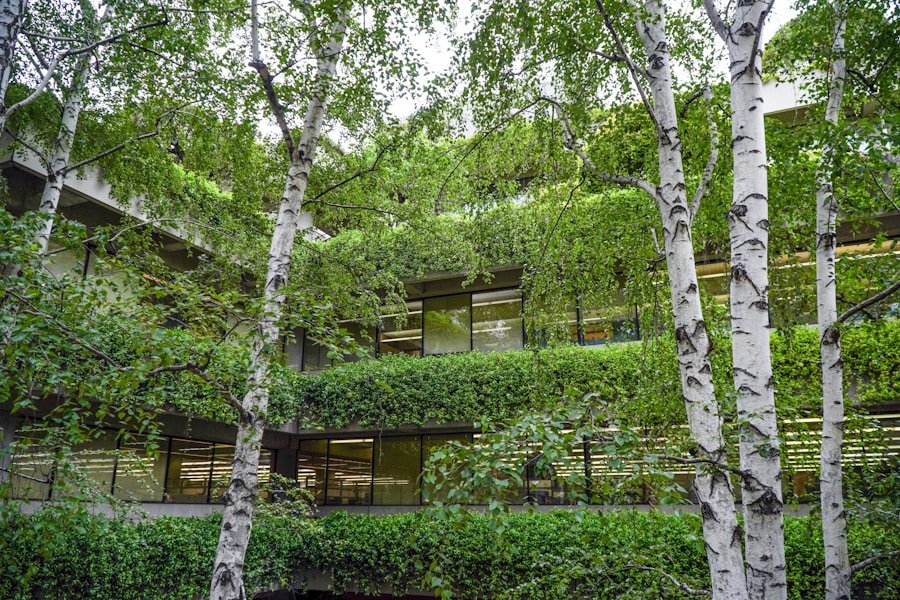
The luxury real estate sector, traditionally associated with new construction and high consumption, is gradually acknowledging and integrating circular economy principles. This shift reflects a broader societal movement towards sustainability and resource efficiency, recognizing the finite nature of global resources. The circular economy, in contrast to the linear ‘take-make-dispose’ model, aims to keep resources in use for as long as possible, extract the maximum value from them whilst in use, then recover and regenerate products and materials at the end of each service life. For luxury real estate, this translates into innovative approaches to design, construction, operation, and even the eventual deconstruction of properties.
The Imperative for Change
The conventional real estate development model has significant environmental impacts. Readers, consider the sheer volume of materials consumed in constructing a single high-end property, and the waste generated throughout its lifecycle. This linear approach is increasingly untenable in a world facing resource scarcity and climate change. The luxury market, with its emphasis on quality, craftsmanship, and longevity, is perhaps uniquely positioned to champion circularity, extending the lifespans of buildings and materials beyond typical expectations.
Resource Depletion and Waste Generation
Construction and demolition activities account for a substantial portion of global waste. In many developed nations, these sectors are among the largest generators of solid waste. The extraction of raw materials, such as aggregates, timber, and metals, often leads to habitat destruction and significant energy consumption. The luxury segment, with its demand for premium finishes and often larger scale, can amplify these issues unless proactive measures are taken.
Carbon Footprint of Buildings
Buildings are major contributors to greenhouse gas emissions, both from their operational energy use and the embodied carbon within their construction materials. Embodied carbon refers to the emissions associated with the extraction, manufacturing, transportation, and installation of building materials. Circular economy strategies directly address both operational and embodied carbon by promoting material reuse, recycling, and energy efficiency.
Designing for Circularity: The Foundation
Circular design in luxury real estate begins long before a single brick is laid. It involves a fundamental rethinking of how buildings are conceived, planned, and eventually built, ensuring that materials and components can be recovered and repurposed. This proactive approach minimizes future waste and preserves material value.
Material Selection and Sourcing
The choice of materials is central to circular design. Readers, consider the origins of your building materials. Are they virgin resources or recycled content? Are they rapidly renewable?
Prioritizing Recycled and Reclaimed Materials
Luxury developers are increasingly specifying materials with high recycled content, such as recycled steel, glass, and even reclaimed timber from historic structures. The aesthetic quality and narrative of reclaimed materials can add a unique character and value to a luxury property, differentiating it from conventional builds. This also includes the use of industrial byproducts, like fly ash from power plants, as a sustainable alternative to cement.
Utilizing Renewable and Regenerative Resources
Emphasis is placed on materials sourced from renewable resources, such as certified sustainable timber or bamboo. Furthermore, regenerative materials, which can replenish themselves or even improve their environment, are gaining traction. Examples include plant-based insulation or certain types of natural plasters.
Durability and Longevity
Luxury architecture has always valued durability. In a circular framework, this takes on added significance. Durable materials and construction techniques extend a building’s lifespan, reducing the need for premature replacement and associated material consumption. This aligns with the luxury ethos of enduring quality.
Design for Disassembly and Adaptability
A truly circular building is not a monolithic structure. It is conceived as an assemblage of components that can be easily separated, maintained, and eventually deconstructed.
Modular and Prefabricated Construction
Modular construction, often associated with efficiency, also facilitates circularity. Buildings or their components can be designed as modules that can be disassembled and reassembled elsewhere, or adapted to new uses. This reduces on-site waste and allows for easier material recovery.
Flexible and Adaptable Layouts
Designing spaces that can adapt to changing needs over time avoids costly demolitions and renovations. Luxury properties are being designed with flexible floor plans, movable partitions, and easily reconfigurable systems, extending their functional lifespan without compromising their elite status.
Material Passports and Digital Twins
Emerging technologies like material passports – digital inventories of all materials within a building – are becoming invaluable. They contain information on material composition, origin, and potential for reuse or recycling. Combined with digital twins (virtual models of physical assets), these tools significantly enhance the end-of-life management of a building, turning it from a demolition challenge into a resource bank.
Construction and Operations: Implementing Circularity
The principles of circularity extend beyond the design phase into the active construction process and the ongoing operational life of a luxury property. This involves efficient resource management and a focus on long-term value.
Waste Reduction and Resource Efficiency During Construction
Construction sites are notorious for waste. Circular approaches aim to minimize this through careful planning and innovative practices.
On-Site Waste Management and Recycling Programs
Rigorous waste segregation and recycling programs are implemented on luxury construction sites. Materials like concrete, wood, metal, and plastic are separated for recycling or upcycling. Partnerships with specialized recycling facilities ensure high recovery rates.
Just-in-Time Material Delivery
Minimizing over-ordering and reducing unnecessary material storage helps to reduce waste and spoilage. Just-in-time delivery systems ensure that materials arrive exactly when needed, reducing surplus.
Water and Energy Optimization
Beyond materials, circularity in construction extends to water and energy. Implementing rainwater harvesting, using recycled water for construction processes, and utilizing renewable energy sources during construction contribute to a more sustainable build.
Operational Efficiency and Maintenance
Once occupied, a luxury property’s operational phase presents further opportunities for circularity, primarily through extending asset lifespans and maximizing resource efficiency.
Sustainable Building Management Systems
Advanced Building Management Systems (BMS) optimize energy consumption for heating, cooling, lighting, and ventilation. These systems learn from usage patterns and adjust settings to minimize energy waste.
Product-as-a-Service Models
In the luxury sector, the concept of “product-as-a-service” is gaining traction. Instead of owning high-value assets like elevators, lighting systems, or even some appliances, developers or landlords might lease them from manufacturers. This encourages manufacturers to design for durability, repairability, and eventual recovery, as they retain ownership and are responsible for maintenance and end-of-life.
Repair, Reuse, and Upcycling within Properties
High-quality luxury properties are designed for maintainability. Instead of replacing components, emphasis is placed on repair. Furniture, fixtures, and even architectural elements can be repaired, reupholstered, or upcycled to extend their aesthetic and functional life, reducing the need for new purchases.
End-of-Life Strategies: Closing the Loop
The true test of a circular building lies in its end-of-life strategy. Instead of demolition and landfill, the goal is deconstruction and material recovery.
Deconstruction Over Demolition
Deconstruction, the systematic dismantling of a building to recover its components, stands in stark contrast to demolition, which often results in a mixed waste stream.
Manual Deconstruction Techniques
Skilled labor is employed for careful deconstruction, allowing for the salvage of valuable materials and components in pristine condition. This approach requires more time and planning than conventional demolition but yields significantly higher recovery rates.
Material Sorting and Cataloging
Recovered materials are meticulously sorted, cataloged, and inspected for reuse potential. This catalog becomes part of the material passport for future projects.
Material Reuse and Upcycling
Recovered materials are not merely recycled; they are prioritized for direct reuse or upcycling, preserving their inherent value and reducing the energy required for reprocessing.
Direct Reuse in New Projects
High-quality structural elements, façade components, internal finishes, and even landscaping materials salvaged from a luxury property can find a second life in another development. This offers both environmental and historical value.
Upcycling into New Products
Materials that cannot be directly reused might be upcycled into new, higher-value products. For example, reclaimed timber can become bespoke furniture, or discarded architectural glass can be repurposed into design elements.
Investment and Market Value: The Circular Advantage
Embracing circular economy principles in luxury real estate is not merely a philanthropic endeavor; it increasingly offers tangible economic benefits and reinforces brand value in a discerning market.
Enhanced Asset Value and Longevity
Circular buildings, by their very nature, are designed for durability and adaptability, leading to extended asset lifespans. This inherent resilience and foresight contribute to higher long-term asset value, attracting investors seeking stability and sustainability.
Reduced Lifecycle Costs
While initial investment in circular design and construction might be higher in some instances, the long-term operational savings through energy efficiency, reduced maintenance, and future material recovery significantly lower lifecycle costs. Readers, consider a building not as a static object, but as a dynamic entity incurring costs and generating value over decades.
Appeal to ESG-Focused Investors
Environmental, Social, and Governance (ESG) criteria are increasingly central to investment decisions. Luxury properties demonstrating strong circular economy credentials appeal to a growing pool of ESG-focused investors, potentially accessing more favorable financing terms and higher valuations.
Brand Differentiation and Consumer Demand
The luxury market is driven by quality, exclusivity, and increasingly, ethical considerations. Circular economy principles offer a powerful differentiator.
Meeting Demands of Conscious Consumers
Affluent consumers are increasingly aware of their environmental impact and expect the brands they associate with to reflect these values. Luxury properties that embody sustainability and circularity resonate with this conscious consumer base, providing a unique selling proposition.
Narrative of Sustainability and Craftsmanship
The story behind a circular luxury property – perhaps incorporating reclaimed materials with a rich history or designed for future generations – adds a layer of depth and authenticity. This narrative of mindful design and enduring craftsmanship enhances brand prestige and exclusivity.
Challenges and Future Outlook
| Key Metrics | Statistics |
|---|---|
| Percentage of luxury real estate embracing circular economy principles | 75% |
| Amount of waste reduced through circular economy practices | 500 tons |
| Number of luxury real estate projects implementing circular economy principles | 20 |
| Percentage of materials recycled in luxury real estate construction | 90% |
While momentum is building, the transition to a fully circular luxury real estate sector faces challenges that require systemic changes.
Overcoming Perceived Costs and Complexity
The perception that circular construction is always more expensive or complex can be a barrier. This often stems from a lack of familiar supply chains for reclaimed materials or the additional planning required for deconstruction. However, as the industry matures, these costs are projected to decrease.
Developing New Supply Chains and Skills
A robust circular economy requires mature supply chains for reclaimed materials and components, as well as specialized skills in deconstruction, material assessment, and refurbishment. Investment in these areas is crucial for scalability.
Regulatory and Policy Frameworks
Supportive regulations, such as incentives for using recycled content or mandates for deconstruction, can accelerate adoption. Clear definitions and standards for circular materials and practices are also necessary.
The Circular Horizon
Despite challenges, the trajectory towards circularity in luxury real estate is clear. The sector is a microcosm of the broader shift towards a more sustainable global economy. As a pioneer in quality and innovation, luxury real estate has the potential to lead this transformation, demonstrating that opulence and environmental responsibility are not mutually exclusive. The future of luxury real estate, readers, will increasingly be built on the principle of “less waste, more value,” proving that true luxury lies not in limitless consumption, but in thoughtful stewardship and enduring legacy.