
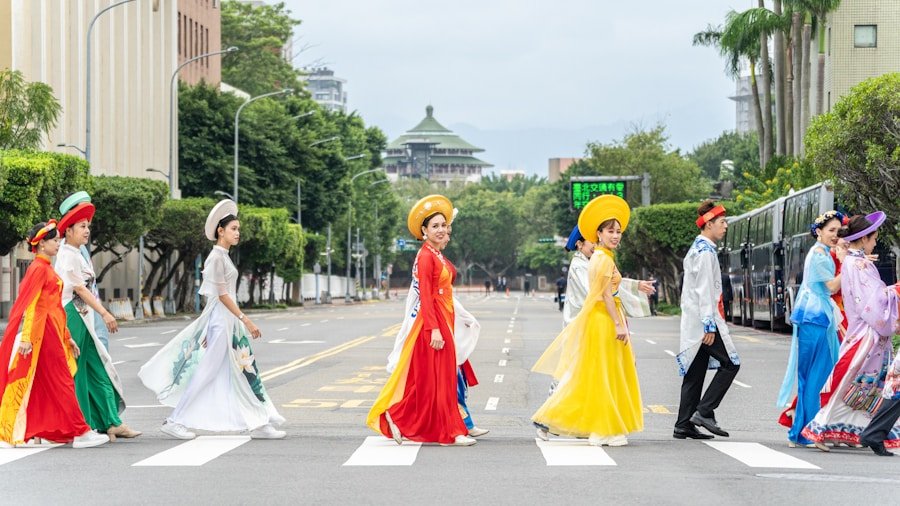
This article examines significant events in Dubai that integrate sustainable practices with luxury offerings. It explores how the city’s event landscape is evolving to meet global sustainability goals while maintaining its reputation for opulence.
The Shifting Sands of Event Design: Dubai’s Green Pivot
Dubai, a city synonymous with ambitious projects and extravagant experiences, is increasingly incorporating sustainability into its event framework. This marks a discernible evolution, moving beyond the singular pursuit of glamour to encompass a more responsible and forward-thinking approach. The confluence of economic imperatives and growing environmental consciousness has propelled this shift, transforming how events are conceived, executed, and perceived within the emirate. It’s akin to a desert flower, once solely admired for its vibrant bloom, now also revealing the resilience of its roots anchoring it to the earth.
Drivers of the Green Shift
Several interconnected factors are fueling Dubai’s embrace of sustainable luxury in its events. Governmental initiatives, a growing corporate social responsibility (CSR) ethos among businesses, and an increasing awareness among attendees all contribute to this momentum.
Government Mandates and Vision
The Dubai government has set ambitious sustainability targets, including the Dubai Clean Energy Strategy 2050. This overarching vision directly influences the event sector, encouraging organizers to adopt greener practices. Policies promoting waste reduction, water conservation, and energy efficiency are becoming standard, creating a regulatory underpinning for sustainable event management.
Corporate Sustainability Initiatives
Businesses operating in Dubai, from multinational corporations to local enterprises, are increasingly integrating sustainability into their core strategies. For event sponsors and organizers, this translates into a demand for events that align with their CSR objectives. Events provide a visible platform for companies to demonstrate their commitment to environmental stewardship, making sustainable event planning a strategic advantage.
Evolving Attendee Expectations
Global consciousness regarding environmental issues is rising, and this extends to event attendees. Participants are more likely to engage with and support events that champion sustainability. This growing demand from the audience exerts a significant influence on event organizers, pushing them to prioritize eco-friendly options.
Key Sectors Embodying Green Glamour
Several sectors within Dubai’s event industry are at the forefront of integrating sustainable luxury. These include high-profile award ceremonies, international conferences, and influential fashion weeks, where the visual impact and attendee experience are paramount, yet are now being re-evaluated through a sustainability lens.
The Role of Hospitality and Venues
The choice of venue and the associated hospitality services are foundational to any event’s sustainability profile. Dubai’s hospitality sector is increasingly adopting green certifications, implementing waste management programs, and sourcing local produce for catering.
Green-Certified Venues
A growing number of Dubai’s premier event venues are acquiring certifications such as LEED (Leadership in Energy and Environmental Design). This signifies their commitment to energy efficiency, water conservation, and responsible material usage. These venues often incorporate advanced building management systems to minimize their environmental footprint.
Sustainable Catering Practices
Catering, a significant component of event costs and environmental impact, is undergoing a transformation. Organizers and caterers are focusing on reducing food waste through mindful portioning and donation programs. Emphasis is also placed on sourcing seasonal and locally produced ingredients, thereby shortening supply chains and reducing transportation emissions. Plant-based menus are also gaining traction as a more sustainable catering option.
Fashion and Design Exhibitions
Dubai’s prominence as a fashion and design hub presents unique opportunities for showcasing sustainable luxury. Fashion weeks and design fairs are increasingly highlighting designers and brands committed to ethical sourcing, upcycling, and circular economy principles.
Eco-Conscious Fashion Weeks
Major fashion events in Dubai are beginning to spotlight designers who utilize sustainable materials and ethical production methods. This includes showcasing collections made from recycled fabrics, organic cotton, and innovative bio-materials. The narrative around these events is shifting from pure aesthetic to also encompass the broader impact of fashion.
Sustainable Design Showcases
Design exhibitions are becoming platforms for promoting furniture, décor, and art created with sustainable materials and processes. This could involve showcasing upcycled furniture, items made from reclaimed wood or recycled plastics, and art installations that address environmental themes. The emphasis is on the longevity and mindful consumption of design objects.
Dubai’s Flagship Events: A Spectrum of Sustainability
While specific event names can fluctuate and evolve, understanding the types of events that are leading the charge provides a clearer picture of Dubai’s commitment. These are not isolated instances but rather a growing trend across various sectors.
Awards Ceremonies and Galas: Rethinking Opulence
Traditionally conceived as grand displays of achievement, awards ceremonies and galas are now a critical area where sustainability is being woven into the fabric of luxury. The challenge lies in maintaining the glamorous aura while implementing responsible practices.
Carbon-Neutral Ceremonies
The aspiration for carbon neutrality is becoming a benchmark for major awards events. This involves meticulous planning to minimize emissions from attendee travel, venue operations, and resource consumption. Offsetting unavoidable emissions through verified carbon offset projects is a common practice.
Minimizing Event Footprint
Event organizers are employing strategies such as selecting venues with excellent public transport links, encouraging carpooling, and opting for digital invitations and programs to reduce paper waste. The choice of décor is also being scrutinized, with a preference for reusable or sustainably sourced materials.
Sustainable Gifting and Swag Bags
The contents of gift bags and awards themselves are being re-evaluated. Instead of disposable or mass-produced items, there is a growing trend towards thoughtful, sustainable gifts, such as experiences, donations to environmental charities, or ethically sourced artisanal products.
Zero-Waste Initiatives
Achieving zero waste at large-scale events is an ambitious but increasingly attainable goal. This requires a comprehensive approach to waste management, from procurement to disposal.
Waste Segregation and Recycling
Effective waste segregation stations are essential at all points of the event. This includes separated streams for recyclables, compostables, and general waste. Partnerships with specialized waste management companies ensure that materials are processed efficiently and responsibly.
Reducing Single-Use Plastics
A significant focus is placed on eliminating single-use plastics. This involves providing reusable water bottles and encouraging their refilling, using biodegradable or compostable foodware, and opting for reusable signage and decorations.
International Conferences and Summits: The Intellectual Hub of Sustainability
Dubai frequently hosts high-profile international conferences and summits, many of which are now incorporating sustainable practices into their operations and thematic content. These events, serving as platforms for global discourse, are ideally positioned to champion environmental responsibility.
Green Event Management Standards
Organizing committees for international conferences are increasingly adhering to established green event management standards. These provide a structured framework for implementing sustainable practices across all operational aspects.
Energy and Water Conservation
Venues are instructed to optimize energy consumption by utilizing natural light where possible, dimming lights in unoccupied areas, and setting thermostats to efficient levels. Water-saving fixtures and mindful water usage during food preparation and cleaning are also prioritized.
Sustainable Procurement Policies
Procurement processes are being reviewed to ensure that all purchased goods and services align with sustainability criteria. This includes sourcing office supplies made from recycled materials, choosing eco-friendly printing services, and selecting vendors with demonstrated environmental commitments.
Thematic Integration of Sustainability
Beyond operational efficiency, many conferences are dedicating significant portions of their programming to discussions on sustainability, climate change, and innovative solutions.
Thought Leadership and Panel Discussions
Keynote speakers and panel discussions often focus on environmental challenges, technological advancements in sustainability, and policy frameworks for a greener future. This elevates the intellectual discourse around sustainable development.
Showcasing Sustainable Innovations
Exhibition areas within conferences often feature companies and organizations showcasing cutting-edge sustainable technologies, renewable energy solutions, and circular economy models. This provides a tangible demonstration of progress.
The Future of Events: Beyond Greenwashing
The trajectory of events in Dubai, mirroring a global trend, is moving towards genuine integration of sustainability rather than mere performative actions. The concept of “green glamour” is evolving from a buzzword to a fundamental aspect of event planning.
Technological Integration for Sustainability
Technology plays a pivotal role in enabling and enhancing sustainable event practices. From digital platforms that reduce paper consumption to advanced energy management systems, innovation is a key enabler.
Digital Ticketing and Communication
The move towards digital ticketing, online registration, and digital event programs significantly reduces paper waste and the carbon footprint associated with printing and distribution. Event apps can also serve as a central hub for information, minimizing the need for printed materials.
Smart Venue Management
Smart venues equipped with Building Management Systems (BMS) can optimize energy consumption, monitor water usage, and manage waste streams more effectively. These systems provide real-time data that can be used to identify areas for improvement and ensure adherence to sustainability targets.
Virtual and Hybrid Event Models
The rise of virtual and hybrid event formats offers a significant opportunity to reduce the environmental impact associated with travel and venue occupancy. These models allow for broader participation while minimizing the carbon footprint, a concept that was accelerated by global events of recent years.
Measuring and Reporting Impact
A critical element of true sustainability lies in accountability. Events are increasingly prioritizing the measurement and transparent reporting of their environmental impact.
Environmental Impact Assessments
Conducting thorough environmental impact assessments prior to and after an event provides a baseline understanding of its footprint. This includes quantifying energy consumption, water usage, waste generation, and carbon emissions.
Post-Event Sustainability Reports
Publishing comprehensive post-event sustainability reports demonstrates transparency and commitment. These reports detail the implemented sustainable practices, the measured outcomes, and areas for future improvement, offering a roadmap for other organizers.
Certifications and Standards
Adhering to recognized sustainability certifications for events, such as ISO 20121, provides a framework for best practices and offers assurance to stakeholders regarding the event’s environmental and social responsibility.
Case Studies in Sustainable Luxury
While a comprehensive list of every single event is beyond the scope of this article, examining the types of initiatives undertaken by prominent Dubai events illustrates the tangible application of green glamour. Think of these as case studies in the evolving lexicon of event design.
High-Profile Exhibitions and Trade Fairs
Dubai hosts numerous large-scale exhibitions and trade fairs that attract international participation. The sustainability efforts in these events often focus on managing the vast scale of operations.
Waste Reduction in Exhibition Booths
Organizers are increasingly mandating that exhibitors adopt sustainable practices. This includes encouraging the use of reusable booth materials, minimizing single-use promotional items, and implementing effective waste segregation at individual stands. The goal is to move away from the disposable nature often associated with exhibition build-outs.
Sustainable Transport and Logistics
The movement of goods and personnel to and from large exhibition venues can have a substantial environmental impact. Efforts are being made to optimize logistics, encourage the use of electric vehicles for local transport, and provide clear guidance on sustainable travel options for attendees and exhibitors.
Cultural and Arts Festivals
Dubai’s vibrant cultural scene also presents opportunities for integrating sustainability into artistic expression and audience engagement.
Eco-Conscious Festival Design
Festivals are exploring the use of sustainable materials for stages, seating, and decorative elements. This can involve utilizing reclaimed wood, recycled plastics, and natural fibers. Temporary structures are designed for deconstruction and reuse.
Promoting Local Artisans and Sustainable Products
Cultural festivals often serve as platforms to support local artisans and designers who champion sustainable practices. This can include showcasing handmade goods, ethically produced textiles, and products that embody traditional craftsmanship with a modern, eco-conscious approach.
Food and Beverage Sustainability
The food and beverage offerings at festivals are also being scrutinized. This includes prioritizing vendors who source local and organic ingredients, minimize food waste through efficient inventory management, and use compostable or reusable serving ware.
The Ongoing Evolution: Dubai’s Green Future
| Event Name | Date | Location | Key Highlights |
|---|---|---|---|
| Dubai Sustainable Fashion Week | March 15-17, 2022 | Dubai Design District | Eco-friendly fashion showcases, sustainable materials, ethical production |
| Green Luxury Expo | April 20-22, 2022 | Madinat Jumeirah, Dubai | Exhibition of sustainable luxury products, eco-friendly technologies, and green innovations |
| Eco-Friendly Wedding Fair | May 5-7, 2022 | The Ritz-Carlton, Dubai | Showcasing sustainable wedding planning, eco-friendly decor, and ethical bridal fashion |
The integration of sustainability into Dubai’s luxury event landscape is not a static achievement but an ongoing process of refinement and innovation. The city’s commitment to becoming a global leader in various sectors extends to its event industry, with a clear emphasis on responsible growth.
Collaboration and Knowledge Sharing
The success of sustainable events relies heavily on collaboration among stakeholders. Event organizers, venue operators, caterers, suppliers, and attendees all play a crucial role in achieving collective goals.
Industry Partnerships and Alliances
Formation of industry partnerships and alliances focused on promoting sustainable event practices can foster knowledge sharing, encourage best practices, and drive collective action. These collaborations can lead to the development of standardized guidelines and shared resources.
Training and Capacity Building
Investing in training and capacity-building programs for event professionals is essential to ensure they possess the knowledge and skills to plan and execute sustainable events effectively. This includes staying abreast of the latest technologies and methodologies in green event management.
Looking Ahead: Pioneering Sustainable Experiences
Dubai’s ambition to be at the forefront of global trends positions it to be a pioneer in developing truly sustainable luxury experiences. The ongoing evolution of its event sector suggests a future where opulence and ecological responsibility are not mutually exclusive but rather intrinsically linked. The journey is akin to a carefully cultivated garden: beauty is achieved not through wilting exuberance, but through mindful nurturing and a deep understanding of the earth’s capacity to sustain it, ensuring that the bloom is not only breathtaking but also enduring. The continued focus on integrating innovative technologies, transparent reporting, and collaborative efforts will undoubtedly shape ‘Green Glamour’ into a defining characteristic of Dubai’s event landscape for years to come.