
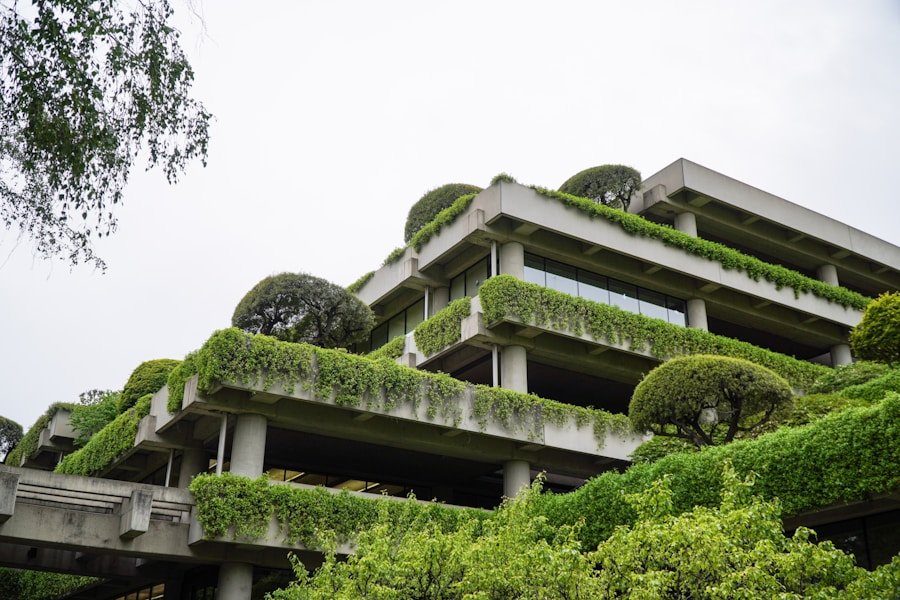
The real estate sector, a significant contributor to global resource consumption and waste generation, is undergoing a transformation. This shift is driven by increasing environmental awareness and evolving consumer demands. The concept of “Green Glamour” emerges from this intersection, representing the integration of luxurious design and circular economy principles within the built environment. It is not merely about sustainable practices; it embodies an aesthetic and operational paradigm where opulence coexists with ecological responsibility.
Redefining Luxury: Beyond Scarcity to Sustainability
Traditionally, luxury in real estate has often been associated with exclusivity, prime locations, and high-end materials, frequently sourced without regard for their environmental footprint. This paradigm of scarcity, where the rare and often resource-intensive were prized, is being challenged. “Green Glamour” proposes a redefinition, where true luxury encompasses sustainability, ethical sourcing, and a conscious minimization of environmental impact. It suggests that a truly sophisticated dwelling is one that not only offers comfort and aesthetic appeal but also contributes positively to its surrounding ecosystem and future generations.
The Evolving Consumer Demands
Modern discerning buyers are increasingly seeking properties that align with their values. This isn’t a niche market anymore; it’s a growing segment that prioritizes health, well-being, and a lighter carbon footprint. You, the potential buyer or developer, are likely aware of this shift. This demand extends beyond basic certifications like LEED or BREEAM, delving into the very fabric of a building’s lifecycle.
Aesthetic Integration of Sustainable Practices
“Green Glamour” isn’t about sacrificing beauty for utility. Instead, it demonstrates how sustainable practices can enhance aesthetic appeal. This might involve the use of reclaimed timber that exhibits a rich patina of history, or polished concrete made with recycled aggregates, presenting a sleek, industrial elegance. The beauty lies in the inherent story and the responsible crafting of materials, transforming what was once considered waste into a desirable design element.
Circular Economy Principles in Real Estate Development
The circular economy, a framework built on the principles of designing out waste and pollution, keeping products and materials in use, and regenerating natural systems, is a cornerstone of “Green Glamour.” In real estate, this translates into a holistic approach to building design, construction, operation, and eventual deconstruction. It views a building not as a disposable entity but as a dynamic asset with multiple life cycles.
Materials Selection and Sourcing
The starting point for a circular approach is meticulous materials selection. This involves prioritizing materials that are:
- Renewable: Sourced from naturally replenishing resources, such as bamboo, cork, or sustainably harvested timber.
- Recycled Content: Incorporating materials derived from post-consumer or post-industrial waste, like recycled steel, glass, or plastic composites.
- Recyclable: Designed for easy disassembly and reprocessing at the end of their useful life.
- Low Embodied Carbon: Materials whose production, transportation, and installation generate minimal greenhouse gas emissions.
Think of it as choosing building blocks not just for their immediate appearance, but for their entire journey, from origin to eventual return to the earth or another product.
Design for Disassembly and Adaptability
A key principle of the circular economy is designing buildings that can be easily disassembled at the end of their initial use, allowing components and materials to be reused or recycled. This contrasts sharply with traditional demolition, which often results in vast amounts of landfill waste. Furthermore, designing for adaptability allows buildings to change function over time, extending their lifespan without significant reconstruction. A commercial space might be designed with modular walls that can be reconfigured for residential use, or even individual components that can be upgraded independently.
Waste Management and Resource Loops
During construction, “Green Glamour” projects implement rigorous waste management strategies, diverting as much material as possible from landfills. This includes on-site sorting, composting organic waste, and collaborating with local recycling facilities. Beyond construction, the operational phase also embraces circular principles, from rainwater harvesting and greywater recycling for landscaping and toilet flushing, to onsite composting facilities for organic waste generated by residents.
Sustainable Operational Practices and Smart Home Integration
The glamour of a building extends beyond its static structure; it encompasses its dynamic operation. “Green Glamour” properties are not just built sustainably; they operate sustainably, often leveraging technology for efficiency and convenience.
Energy Efficiency and Renewable Energy
High-performance building envelopes, incorporating advanced insulation and glazing, significantly reduce heating and cooling demands. This is often coupled with on-site renewable energy generation, such as rooftop solar panels or integrated wind turbines, to achieve net-zero or even net-positive energy performance. Imagine a home that not only minimizes its energy footprint but actively generates its own clean power.
Water Conservation and Management
Water is a precious resource. “Green Glamour” developments integrate sophisticated water conservation systems, such as low-flow fixtures, smart irrigation systems that respond to real-time weather data, and advanced greywater and blackwater treatment systems for reuse. This mindful approach ensures that every drop is utilized effectively, mirroring nature’s own efficient water cycles.
Smart Home Technology for Sustainable Living
Integrated smart home systems play a crucial role in enhancing both luxury and sustainability. These systems can optimize energy consumption by automatically adjusting lighting and HVAC based on occupancy and external conditions. They can also provide real-time data on energy and water usage, empowering residents to make more informed choices. Consider the convenience of a system that learns your preferences while simultaneously ensuring minimal resource consumption.
The Economic Case for “Green Glamour”
While the initial investment for “Green Glamour” projects might seem higher, the long-term economic benefits are substantial, demonstrating that sustainability is not just an ethical choice but a financially sound one.
Increased Property Value and Market Appeal
Properties that incorporate advanced green features often command a premium in the market. As environmental awareness grows, sustainable credentials become a significant differentiator, attracting discerning buyers who are willing to pay for enhanced comfort, lower operating costs, and a reduced environmental footprint. This reflects a growing understanding that true value extends beyond immediate aesthetics.
Lower Operating and Maintenance Costs
The efficiency built into “Green Glamour” properties translates directly into lower operating costs. Reduced energy and water consumption leads to significantly lower utility bills. Furthermore, the use of durable, high-quality materials often results in lower maintenance requirements over the long term, avoiding the hidden costs associated with cheap, disposable alternatives.
Regulatory Compliance and Future-Proofing
Globally, building codes and environmental regulations are becoming increasingly stringent. Investing in “Green Glamour” approaches ensures compliance with current and anticipated regulations, future-proofing the property against potential fines or costly retrofits. This forward-thinking approach mitigates regulatory risk and enhances long-term asset value.
Access to Green Financing and Incentives
Many financial institutions and governments are now offering preferential financing options, grants, and tax incentives for green buildings. This not only reduces the upfront cost but also demonstrates a societal shift towards rewarding sustainable development.
Challenges and Future Outlook
| Metrics | Data |
|---|---|
| Energy Efficiency Rating | LEED Platinum |
| Waste Reduction | 90% reduction in construction waste |
| Renewable Energy Usage | 100% of energy from renewable sources |
| Water Conservation | Low-flow fixtures and water-efficient landscaping |
| Recycled Materials | 50% of building materials are recycled |
While “Green Glamour” presents a compelling vision, its widespread adoption faces certain challenges, but the trajectory favors its continued growth.
Overcoming Perceived Higher Upfront Costs
One of the primary hurdles is the perception that sustainable construction is inherently more expensive. While certain specialized materials or technologies may have a higher initial outlay, the long-term cost benefits, as discussed, often outweigh this difference. Education and transparent cost-benefit analyses are crucial to shifting this perception.
Supply Chain and Material Availability
Ensuring a consistent and accessible supply chain for truly circular and ethical materials can be complex. This requires developing strong relationships with suppliers, fostering innovation in material science, and potentially investing in local circular material production.
Skill Gaps in Design and Construction
Implementing “Green Glamour” requires specialized knowledge and skills in sustainable design, circular economy principles, and green construction techniques. Continued training and education for architects, engineers, contractors, and tradespeople are essential to bridge this knowledge gap.
The Future Landscape
Despite these challenges, the future of “Green Glamour” looks promising. As technology advances, sustainable materials become more cost-effective, and public awareness deepens, the integration of luxury and circularity will become the norm rather than the exception. You, the participant in this evolving real estate landscape, have a role to play in shaping this future. Imagine a world where every luxurious dwelling is a beacon of environmental responsibility, a testament to intelligent design and conscientious living. This is the promise of “Green Glamour,” a fusion of aspiration and ecological imperative, building our tomorrow today.