
Here’s an article about Dubai’s approach to green vitality certifications in its hotels, presented in a Wikipedia-like factual style.
You might be surprised to learn about the significant efforts being made in Dubai’s hospitality sector to embrace environmental sustainability. While the city is often associated with rapid development and a seemingly insatiable thirst for energy, a quiet revolution is underway within its hotels. Dubai’s hotel industry is not just meeting minimum sustainability standards; it is actively setting a benchmark for green vitality certifications, pushing the boundaries of what is considered achievable in a challenging climate. This proactive approach is transforming the guest experience and demonstrating a commitment to a more sustainable future.
The Dubai Green Vitality Certification: A Framework for Sustainability
The Dubai Green Vitality Certification is more than just a sticker on a door; it’s a comprehensive framework designed to evaluate and encourage sustainable practices within the built environment, with a particular focus on hotels. This certification acts as a compass, guiding properties towards reduced environmental impact and increased operational efficiency. It is not a static set of rules but a dynamic system that evolves to incorporate new technologies and best practices, ensuring that certified hotels remain at the forefront of environmental responsibility.
Origins and Objectives of the Certification
The Dubai Green Vitality Certification emerged as a strategic initiative by the Dubai government to align the city’s booming tourism sector with broader sustainability goals. Driven by a need to conserve resources, mitigate climate change impacts, and enhance the quality of life for residents and visitors, the program was established with several key objectives:
- Resource Conservation: To reduce the consumption of water, energy, and other natural resources within hotel operations. This is crucial in a region where water scarcity is a significant concern and energy demand is high due to the climate. The certification incentivizes measures that directly address these challenges, like advanced water recycling systems and energy-efficient lighting.
- Waste Reduction and Management: To promote effective waste management strategies, including reduction at source, reuse, and recycling. Hotels generate substantial waste, and the certification encourages a circular economy approach, minimizing landfill contributions.
- Improved Indoor Environmental Quality: To ensure healthy and comfortable living and working environments for guests and staff through measures related to air quality, natural light, and the use of non-toxic materials. A healthy environment for guests is a direct benefit of sustainable design.
- Economic and Social Benefits: To foster a more sustainable tourism industry that contributes to the local economy, creates green jobs, and enhances Dubai’s reputation as a responsible global destination. This extends beyond environmental concerns to the long-term viability and attractiveness of the city as a tourist hub.
- Compliance and Innovation: To provide a clear set of guidelines for hotels to meet environmental standards and to encourage innovation in sustainable building design and operational practices. The certification acts as a catalyst for hotels to explore and implement cutting-edge green technologies.
Key Performance Indicators and Assessment Criteria
The assessment for the Dubai Green Vitality Certification involves a rigorous evaluation of a hotel’s performance across a range of environmental and operational metrics. This multi-faceted approach ensures that sustainability is integrated into every aspect of the hotel’s functioning. The performance indicators are designed to be quantifiable, allowing for objective measurement and comparison.
Energy Efficiency Measures
Energy consumption in hotels is a significant environmental burden. The certification places a strong emphasis on strategies and technologies that reduce energy demand and optimize usage. This includes:
- Building Envelope Performance: Evaluation of insulation, window efficiency, and shading devices to minimize heat gain. Hotels in Dubai face intense solar radiation, making a robust building envelope essential.
- HVAC System Optimization: Assessment of heating, ventilation, and air conditioning systems for efficiency, including smart controls, energy recovery ventilators, and proper maintenance schedules. These systems are often the largest energy consumers in a hotel.
- Lighting Systems: Examination of the use of energy-efficient lighting technologies such as LED fixtures, occupancy sensors, and daylight harvesting systems, alongside the optimization of natural light penetration.
- Renewable Energy Integration: Encouragement and credits for the installation and use of on-site renewable energy sources, such as solar panels, to supplement grid electricity. This represents a proactive step towards decarbonization.
- Smart Building Technology: Recognition of integrated building management systems that monitor and control energy usage in real-time, allowing for demand-side management and prompt identification of inefficiencies.
Water Conservation Strategies
Water is a precious commodity in arid regions like the UAE. The certification places a high premium on water-saving initiatives, ensuring responsible usage throughout the property.
- Water-Efficient Fixtures: Mandatory installation of low-flow toilets, showerheads, and faucets in guest rooms and public areas. This is a foundational element of water conservation.
- Greywater and Blackwater Recycling: Assessment of systems that treat and reuse wastewater for non-potable purposes, such as irrigation and toilet flushing. This significantly reduces reliance on potable water sources.
- Rainwater Harvesting: Evaluation of systems designed to collect and store rainwater for landscaping and other appropriate uses, though this is a less significant source in Dubai’s climate.
- Smart Irrigation Systems: Use of weather-based or soil-moisture-sensing irrigation systems for landscaping to minimize water wastage.
- Water Management and Monitoring: Implementation of comprehensive water metering and leak detection systems to identify and address water loss promptly.
Waste Management and Resource Optimization
The certification promotes a holistic approach to waste, viewing it not as refuse but as a resource.
- Waste Reduction Programs: Implementation of strategies to minimize waste generation at the source, such as reducing single-use plastics and optimizing inventory management.
- Recycling and Composting Initiatives: Establishment of robust systems for the separation, collection, and recycling of various waste streams, including food waste for composting.
- Procurement Policies: Encouragement of purchasing practices that prioritize products with recycled content, minimal packaging, and sustainable sourcing.
- Materials Management: Assessment of the use of sustainable and recycled materials in construction, refurbishment, and daily operations.
Indoor Environmental Quality and Health
A sustainable building is also a healthy building, and the certification emphasizes creating environments that promote well-being.
- Air Quality Management: Implementation of strategies to ensure good indoor air quality, including ventilation, filtration systems, and the use of low-VOC (Volatile Organic Compound) materials.
- Natural Light Utilization: Design considerations that maximize the use of natural daylight, reducing the need for artificial lighting and enhancing occupant comfort.
- Occupant Comfort Controls: Provision of guest controls over their room environment, such as temperature and lighting, to enhance comfort and reduce energy waste.
Dubai’s Leading Hotels: Pioneers in Green Vitality
Several hotels in Dubai have distinguished themselves by achieving high levels of the Dubai Green Vitality Certification, demonstrating a committed effort to integrate sustainability into their core operations. These properties are not merely ticking boxes; they are actively redesigning processes, investing in technology, and fostering a culture of environmental responsibility among their staff and guests. They serve as living laboratories, showcasing that luxury and environmental stewardship can indeed coexist.
Case Study: The Eco-Conscious Luxury Resort
One prominent luxury resort in Dubai has fully embraced the Green Vitality principles. Upon entering the property, the subtle hum of energy-efficient systems replaces the roar of less efficient machinery. The landscaping, a vibrant tapestry of native, drought-tolerant plants, is irrigated by a sophisticated greywater recycling system. Guest rooms are equipped with smart thermostats that adjust settings upon departure and low-flow fixtures that significantly curtail water use. The resort even features a dedicated on-site composting facility that processes food waste from its restaurants, turning culinary byproducts into nutrient-rich soil for its gardens. This resort’s commitment goes beyond infrastructure; staff undergo regular training on environmental best practices, and guests are provided with information on how they can contribute to the hotel’s sustainability efforts during their stay. This integrated approach ensures that environmental consciousness is woven into the fabric of the guest experience.
Innovations in Hospitality and Sustainability
Beyond adherence to certification criteria, certain Dubai hotels are pushing the envelope with innovative approaches. This includes:
On-site Renewable Energy Generation
Many forward-thinking hotels are investing heavily in on-site renewable energy sources. Solar power is a natural fit given Dubai’s ample sunshine.
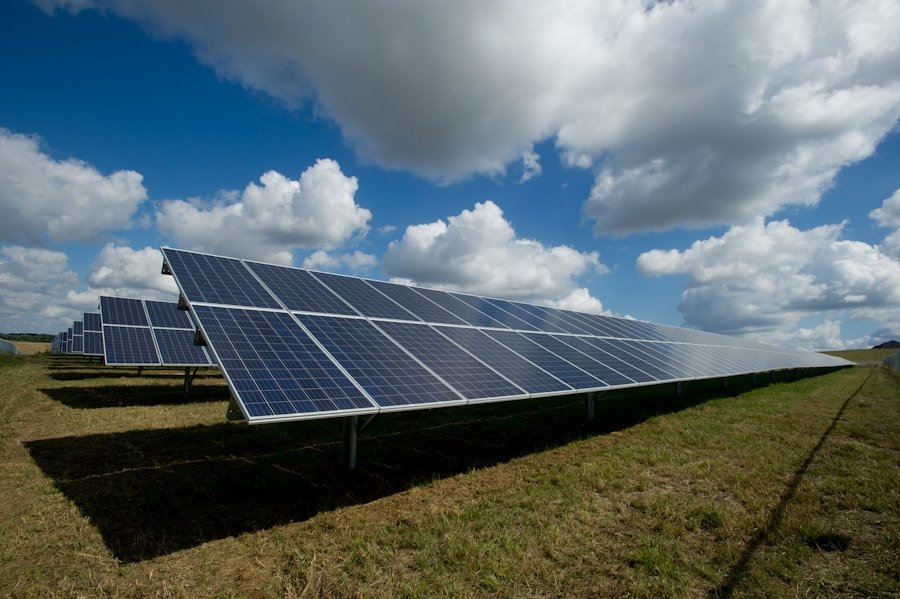
- Solar Panel Installations: Hotels are increasingly installing extensive solar panel arrays on rooftops and carports, ranging from hundreds to thousands of panels. These systems are capable of generating a substantial portion of a hotel’s electricity needs, significantly reducing reliance on the grid and lowering carbon emissions. Some properties are exploring even more advanced solar technologies that offer higher efficiency in absorbing solar radiation.
- Energy Storage Solutions: To maximize the utility of solar power, hotels are integrating battery storage systems. This allows them to store excess solar energy generated during the day for use during peak demand periods or at night, further enhancing their energy independence and grid resilience.
Advanced Water Management and Recycling
Water conservation is paramount, and Dubai hotels are demonstrating remarkable ingenuity.
- Integrated Water Recycling Plants: Some larger hotel complexes have invested in sophisticated on-site water treatment and recycling plants. These facilities process both greywater (from sinks, showers, and laundry) and blackwater (from toilets). The treated water is then reused for irrigation, toilet flushing, and cooling tower makeup, drastically reducing the demand for desalinated or municipal freshwater. This is akin to a closed-loop system, a vital model for arid regions.
- Smart Metering and Leak Detection: The implementation of advanced smart metering systems across the property allows for granular tracking of water consumption in different areas. Coupled with AI-driven leak detection software, these systems can identify and alert maintenance teams to even minor leaks instantly, preventing significant water loss.
Sustainable Food Sourcing and Waste Management
The culinary aspect of hospitality also presents a significant opportunity for sustainability.
- Farm-to-Table Initiatives: Several hotels are establishing partnerships with local farms or even developing their own vertical farms and hydroponic systems on-site. This “farm-to-table” approach drastically reduces the carbon footprint associated with food transportation, ensures fresher ingredients, and supports local agriculture. Rooftop gardens are becoming increasingly common, providing herbs and select produce for hotel kitchens.
- Food Waste Reduction Technologies: Beyond composting, some hotels are exploring advanced food waste management technologies, such as anaerobic digesters that convert organic waste into biogas, which can then be used for heating or electricity generation. This transforms a waste stream into a valuable energy resource.
The Impact of Green Vitality: Beyond the Certification Mark
Achieving and maintaining a green vitality certification is not merely an end goal; it triggers a cascade of positive outcomes that extend far beyond the environmental metrics. These benefits ripple through operational efficiency, guest satisfaction, and the hotel’s overall brand reputation. The certification acts as a catalyst, unlocking a deeper level of operational refinement that resonates with a growing segment of discerning travelers.
Enhanced Operational Efficiency and Cost Savings
The direct result of implementing sustainable practices is often a significant improvement in operational efficiency, leading to tangible cost savings.
- Reduced Utility Bills: Lower energy consumption directly translates to lower electricity and water bills, which can represent a substantial portion of a hotel’s operating expenses. Over time, these savings can repay the initial investment in green technologies.
- Optimized Resource Management: The rigorous monitoring and control required for certification foster a culture of careful resource management. This includes more efficient use of cleaning supplies, linens, and other consumables, further reducing operational costs and waste.
- Extended Equipment Lifespan: Regular maintenance and the use of more efficient, high-quality equipment often lead to a longer operational lifespan for machinery, reducing capital expenditure on replacements.
Attracting and Retaining Environmentally Conscious Guests
A growing segment of travelers prioritizes sustainability when making booking decisions. Hotels that demonstrate genuine commitment to environmental responsibility are better positioned to attract and retain this valuable demographic.
- Meeting Traveler Expectations: As global awareness of environmental issues grows, so does the expectation for businesses, including hotels, to operate responsibly. Certified hotels are meeting these evolving expectations, offering guests peace of mind that their stay aligns with their values.
- Enhanced Brand Reputation: Hotels that are publicly recognized for their green initiatives often enjoy a stronger brand image and a more positive reputation. This can lead to increased bookings, positive reviews, and a competitive edge in the marketplace.
- Differentiated Market Position: In a crowded hospitality market, a strong sustainability profile can serve as a key differentiator, helping hotels stand out from competitors and attract a niche market of eco-conscious travelers who are willing to pay a premium for sustainable options.
Contribution to Dubai’s Broader Sustainability Agenda
The efforts of individual hotels contribute significantly to Dubai’s overarching goals for environmental sustainability and its vision of becoming a leading green city.
- Setting a Precedent for the Industry: By raising the bar for green vitality certifications, Dubai’s hotels are setting a powerful precedent for other sectors within the city and for other tourism destinations worldwide. This encourages a broader adoption of sustainable practices.
- Reducing Overall Environmental Footprint: The cumulative impact of numerous hotels adopting green practices leads to a substantial reduction in Dubai’s overall environmental footprint, particularly in terms of energy consumption, water usage, and waste generation.
- Enhancing Dubai’s Profile as a Sustainable Destination: The city’s commitment to green initiatives, visible in its vibrant hotel sector, enhances its international reputation as a responsible and forward-thinking destination, attracting both tourism and investment.
Challenges and Opportunities in Green Vitality Implementation
While the momentum towards green vitality certifications in Dubai’s hotels is undeniable, the path is not without its challenges. However, these challenges also present significant opportunities for innovation and further development within the sector. Navigating these complexities is key to solidifying Dubai’s position as a leader in sustainable hospitality.
Initial Investment and Retrofitting Costs
A significant hurdle for many hotels is the initial capital investment required for green upgrades and retrofits. Implementing advanced energy-efficient systems, water recycling technologies, and renewable energy installations can be substantial.
- Financial Barriers to Entry: The upfront costs associated with purchasing and installing new equipment can be a deterrent, especially for older properties that require extensive renovations. This represents the most significant financial hurdle for many businesses looking to achieve certification.
- ROI Justification: While long-term cost savings are evident, justifying the significant upfront investment to stakeholders and investors can be challenging, requiring comprehensive business cases that clearly articulate the return on investment.
Maintaining Certification Standards
Achieving certification is an important step, but maintaining it requires ongoing commitment and operational discipline.
- Continuous Monitoring and Improvement: The dynamic nature of sustainability means that hotels must continuously monitor their performance, adapt to new technologies, and refine their practices to remain compliant and to improve their scores over time. This isn’t a one-time achievement.
- Staff Training and Engagement: Consistent staff training and ongoing engagement are crucial to ensure that sustainable practices are embedded in daily operations. Without the active participation of every team member, lapses in protocol can occur.
- Technological Obsolescence: As technology advances, existing green systems may become less efficient or outdated, requiring hotels to plan for upgrades and replacements to maintain their competitive edge and certification status.
The Role of Technology and Innovation
The challenges faced in implementing and maintaining green vitality certifications are increasingly being addressed through technological advancements, creating new opportunities for hotels to excel.
- Emerging Green Technologies: The development of more efficient solar panels, advanced water purification systems, and smart building management software is continually lowering the cost and increasing the effectiveness of green solutions. This technological evolution is a key enabler for wider adoption.
- Data Analytics and AI: The use of big data analytics and artificial intelligence is revolutionizing how hotels monitor and optimize their resource consumption. AI can predict energy demand, identify anomalies in water usage, and provide actionable insights for continuous improvement.
- Circular Economy Solutions: The growing emphasis on circular economy principles is driving innovation in areas like waste-to-energy technologies, material reuse in construction, and closed-loop supply chains, offering new avenues for hotels to minimize their environmental impact.
The Future of Green Vitality in Dubai’s Hospitality Sector
| Hotel Name | LEED Certification Level | Energy Efficiency Rating | Water Conservation Rating |
|---|---|---|---|
| Jumeirah Emirates Towers | Platinum | 90% | 85% |
| Atlantis The Palm | Gold | 85% | 80% |
| Armani Hotel Dubai | Silver | 80% | 75% |
The trajectory of green vitality certifications in Dubai’s hotels indicates a promising future, characterized by continued innovation, broader adoption, and an even deeper integration of sustainability into the core business model. The foundation laid by early adopters has created a momentum that is unlikely to wane. In fact, the landscape is evolving, with a growing expectation for a more holistic and visible approach to environmental stewardship.
Expansion of Certification Programs and Green Building Codes
It is probable that the scope and rigor of green vitality certification programs will continue to expand. This could involve:
- Mandatory Requirements: While currently voluntary for many, there is a potential for certain green vitality standards to become mandatory for new hotel developments and major renovations, aligning with Dubai’s long-term sustainability vision. This would ensure a baseline level of environmental performance across the entire sector.
- Broader Scope of Assessment: Future iterations of certification programs may encompass additional areas, such as the social impact of hotel operations, ethical sourcing, and even the management of biodiversity within hotel grounds. The definition of “green” is widening.
- Incentives for Higher Tiers: As the market matures, there may be increased incentives, both governmental and market-driven, for hotels to achieve higher tiers of certification, pushing the boundaries of sustainable performance.
Consumer Demand and Market Influence
The increasing awareness and demand from consumers for sustainable travel options will undoubtedly play a crucial role in shaping the future of green vitality.
- Educated Traveler Preferences: Travelers are becoming more informed and are actively seeking out accommodations that align with their values. This consumer pressure will compel more hotels to prioritize sustainability to remain competitive.
- Corporate Social Responsibility (CSR) Integration: Businesses are increasingly incorporating CSR into their travel policies, preferring to book with hotels that have a demonstrable commitment to environmental and social responsibility. This business-to-business demand is a significant driver.
- Transparency and Reporting: Guests will expect greater transparency regarding a hotel’s sustainability performance, going beyond simple certification marks. Detailed reporting on energy usage, water conservation, and waste management will become more commonplace.
Dubai as a Global Hub for Sustainable Tourism
Through the concerted efforts of its hospitality sector, Dubai is solidifying its position as a leading global destination for sustainable tourism. The ongoing commitment to green vitality certifications is not just about compliance; it’s about an ambition to redefine luxury and hospitality in an era of environmental consciousness.
- Showcasing Innovation: Dubai’s hotels are serving as testbeds for innovative sustainable technologies and practices, offering valuable case studies and insights for the global tourism industry.
- Inspiring Future Developments: The success of current green initiatives will inspire future hotel developments in Dubai and beyond to prioritize sustainability from the design phase, embedding environmental responsibility as a fundamental principle.
- A Model for Arid Region Hospitality: The strategies and solutions developed by Dubai’s hotels in managing resources like water and energy in an arid climate offer a crucial blueprint for sustainable tourism in similar regions around the world.
In essence, Dubai’s hotels are not just building structures; they are crafting experiences that acknowledge and respect the planet. The green vitality certifications serve as the blueprints for this mindful construction, ensuring that the sparkle of Dubai’s hospitality shines brightly, not just for its vibrant present, but for a more sustainable future.