
The following content is presented in a factual style, suitable for a Wikipedia article, and avoids excessive adjectives and sycophantic flattery. It is written to be informative and directly address the reader.
The Evolving Landscape of Environmental Solutions
The imperative to address climate change and environmental degradation has spurred a global reevaluation of industrial processes, consumption patterns, and resource management. Within this context, the concept of “eco-innovation” has emerged as a critical driver of change. Eco-innovation, broadly defined, refers to the development and implementation of new or significantly improved products, processes, services, and organizational or marketing methods that reduce environmental impact or optimize resource use throughout their lifecycle. These innovations are not merely incremental improvements; they represent a systemic shift towards sustainability.
Traditionally, environmental solutions were often seen as a cost center for businesses, a regulatory burden. However, a paradigm shift is underway. Eco-innovation is increasingly recognized as a source of competitive advantage, a pathway to new markets, and a means of building long-term resilience. This evolution is not accidental. It is the result of growing scientific understanding of ecological limits, increasing consumer and investor demand for sustainable options, and the recognition by policymakers that proactive environmental stewardship is essential for economic stability.
The challenge of achieving a sustainable future is multifaceted, demanding solutions that are both technologically feasible and economically viable. It requires a concerted effort from governments, businesses, academia, and civil society. Within this complex ecosystem, specialized entities known as “Eco Innovation Labs” have emerged as pivotal players. These labs serve as crucibles where ideas are forged, tested, and scaled, acting as accelerators in the transition towards a greener tomorrow.
These labs function as dedicated spaces, both physical and metaphorical, where researchers, engineers, entrepreneurs, and policymakers can collaborate to tackle pressing environmental challenges. They are designed to de-risk innovation, providing the resources, expertise, and collaborative environment necessary for experimental approaches that might otherwise be too costly or uncertain for individual organizations. Think of them as greenhouses for sustainable ideas, nurturing them from fragile seedlings to robust, impactful solutions. This article will delve into the operational frameworks, key contributions, and future trajectory of Eco Innovation Labs, illuminating their vital role in shaping a more sustainable world.
The Genesis and Structure of Eco Innovation Labs
Eco Innovation Labs are not a monolithic entity; their structures and mandates can vary significantly depending on their funding sources, geographical location, and specific focus areas. However, a common thread runs through their design: the intention to foster a fertile ground for the development and maturation of environmentally beneficial innovations. Their genesis can be traced to a growing awareness that traditional research and development (R&D) pipelines, often driven by short-term commercial objectives, were insufficient to address the systemic and long-term nature of environmental challenges.
Defining the Purpose and Scope
At their core, Eco Innovation Labs are established with the explicit goal of accelerating the transition to a sustainable economy. This broad purpose manifests in various specific objectives:
- Problem Identification and Prioritization: Labs often work to identify key environmental challenges and prioritize areas where innovation can have the greatest impact. This might involve focusing on resource scarcity, waste reduction, renewable energy integration, or sustainable agriculture.
- Ideation and Concept Development: They provide platforms for brainstorming, ideation workshops, and the initial conceptualization of new solutions. This stage is about casting a wide net, exploring unconventional ideas, and fostering cross-disciplinary thinking.
- Prototyping and Validation: A crucial function is the development of prototypes and the rigorous testing and validation of their environmental performance and economic viability. This de-risks the technology for broader adoption.
- Incubation and Acceleration: Many labs offer support for startups and early-stage ventures developing eco-innovative solutions. This can include mentorship, access to funding networks, and strategic guidance.
- Knowledge Dissemination and Policy Influence: Labs often play a role in sharing findings, best practices, and data to inform policy decisions and encourage wider adoption of sustainable technologies.
Diverse Operational Models
The operational models of Eco Innovation Labs reflect their varied origins and objectives. You will find several distinct approaches:
Publicly Funded Initiatives
Many governments, recognizing the strategic importance of eco-innovation, have established public funding programs and dedicated research centers. These initiatives often aim to address national or regional environmental priorities, stimulate economic growth in green sectors, and foster collaboration between academia and industry. They can operate as standalone institutes or as collaborative networks.
Corporate R&D Hubs
Forward-thinking corporations are increasingly establishing their own internal eco-innovation labs. These are often embedded within their R&D departments or operate as dedicated innovation units. Their primary focus is to develop solutions that align with the company’s sustainability goals, enhance its product portfolio, and create new business opportunities in the green economy.
University-Affiliated Centers
Academic institutions, with their deep well of scientific expertise and research capabilities, are natural havens for eco-innovation. University-affiliated labs often focus on fundamental research, early-stage technology development, and the training of future innovators. They frequently partner with industry to bridge the gap between discovery and market application.
Non-Profit and Philanthropic Organizations
Non-profit organizations and philanthropic foundations often play a crucial role in seeding and supporting eco-innovation. They may focus on specific environmental issues, fund research projects, or provide incubation support for social enterprises with a strong environmental mission. Their independence can allow them to pursue more ambitious or socially driven innovation agendas.
Collaborative Ecosystems
The most impactful Eco Innovation Labs often operate as collaborative ecosystems, bringing together diverse stakeholders. These can be regional innovation hubs, multi-stakeholder platforms, or international consortiums. The strength of these models lies in their ability to leverage collective intelligence, share risks, and accelerate the diffusion of knowledge and technology. This interconnectedness mirrors the way natural ecosystems thrive through diverse and interdependent components.
The structure, therefore, is not a fixed blueprint but a dynamic framework designed to facilitate the complex process of translating environmental consciousness into tangible, scalable solutions.
Key Areas of Eco Innovation Lab Focus
The breadth of environmental challenges necessitates a diverse range of research and development efforts within Eco Innovation Labs. While the specific areas of focus can shift based on global priorities and regional needs, several key domains consistently emerge as vital for fostering a greener tomorrow. These labs are not just tinkering with existing technologies; they are often pioneering entirely new approaches.
Sustainable Energy Technologies
The transition away from fossil fuels is a cornerstone of global climate mitigation efforts. Eco Innovation Labs are at the forefront of developing and refining technologies that harness renewable energy sources and improve energy efficiency.
Renewable Energy Generation
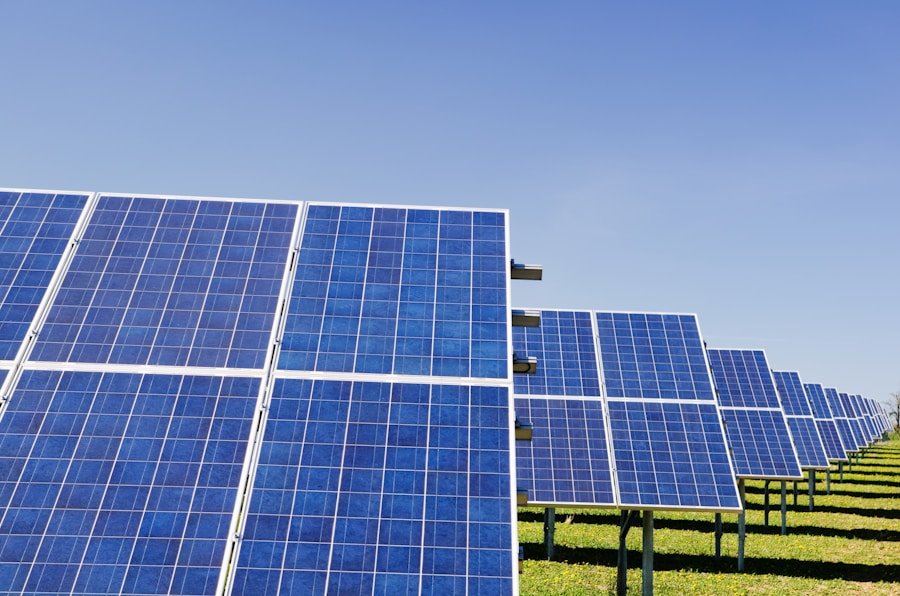
- Solar Photovoltaics: Research into new materials, manufacturing processes, and energy conversion efficiencies for solar panels. This includes exploring perovskites, organic photovoltaics, and improved module designs.
- Wind Energy: Innovations in turbine design, materials for blades, offshore wind technologies, and energy storage integration to address intermittency.
- Geothermal and Hydropower: Advancements in efficient extraction techniques for geothermal energy and the development of smaller-scale, environmentally sensitive hydropower solutions.
- Bioenergy: Research into sustainable feedstock sourcing, advanced biofuel conversion technologies, and the minimization of land-use change impacts.
Energy Storage Solutions
- Battery Technologies: Development of next-generation batteries beyond lithium-ion, focusing on improved energy density, safety, cost-effectiveness, and the use of more abundant and less toxic materials (e.g., solid-state batteries, sodium-ion batteries).
- Hydrogen Technologies: Innovations in green hydrogen production (electrolysis powered by renewables), efficient storage and transportation, and fuel cell development for various applications.
- Mechanical and Thermal Storage: Research into advanced pumped hydro storage, compressed air energy storage, and thermal energy storage systems to complement intermittent renewable sources.
Circular Economy and Resource Management
Moving beyond a linear “take-make-dispose” model, Eco Innovation Labs are instrumental in developing strategies and technologies for a circular economy, where resources are kept in use for as long as possible.
Waste Valorization and Recycling
- Advanced Recycling Techniques: Development of chemical recycling processes for plastics, efficient sorting technologies for mixed waste streams, and methods to recover valuable materials from electronic waste.
- Upcycling and Byproduct Utilization: Investigating novel ways to transform industrial byproducts and waste materials into new, higher-value products, effectively closing material loops.
- Biodegradable and Compostable Materials: Research into the development of sustainable alternatives to conventional plastics and packaging that can safely decompose in natural environments.
Sustainable Materials Design
- Bio-based Materials: Exploration of materials derived from renewable biological sources, such as bioplastics, bio-composites, and sustainable construction materials.
- Material Efficiency: Designing products and processes that require less material input, utilize recycled content, and are designed for disassembly and recyclability at the end of their lifecycle.
- Non-Toxic Chemistry: Developing and implementing chemical processes and formulations that eliminate or significantly reduce the use of hazardous substances.
Sustainable Agriculture and Food Systems
Feeding a growing global population while minimizing environmental impact is a significant challenge. Eco Innovation Labs are contributing to the development of more resilient and sustainable food systems.
Precision Agriculture and IOT
- Smart Farming Technologies: Leveraging the Internet of Things (IoT), sensors, drones, and data analytics to optimize irrigation, fertilization, and pest control, thereby reducing water and chemical usage.
- Vertical Farming and Urban Agriculture: Developing innovative vertical farming systems and other urban agriculture solutions to reduce transportation emissions, land use, and water consumption.
Alternative Protein Sources
- Plant-Based Foods: Research and development into novel plant-based protein sources, improving their taste, texture, and nutritional profiles.
- Cultivated Meat and Fermentation: Advancements in cellular agriculture for producing meat without traditional animal farming, and the use of precision fermentation for producing proteins and ingredients.
Soil Health and Biodiversity
- Regenerative Agriculture Practices: Developing and promoting practices that enhance soil health, carbon sequestration, and biodiversity.
- Sustainable Pest and Disease Management: Innovations in biological control agents and integrated pest management strategies to reduce reliance on synthetic pesticides.
These focus areas represent just a fraction of the diverse research and development undertaken by Eco Innovation Labs. Their work is crucial in providing the technological and systemic solutions needed for a planet in transition.
The Collaborative Ecosystem and Stakeholder Engagement
The complex and interconnected nature of environmental challenges means that no single entity can effectively drive the necessary transformations. Eco Innovation Labs, by their very design, function as catalysts for collaboration, bringing together a diverse array of stakeholders. This broad engagement is not simply about networking; it’s about forging symbiotic relationships that amplify impact and accelerate progress.
Bridging the “Valley of Death”
One of the most significant contributions of Eco Innovation Labs lies in their ability to bridge the notorious “valley of death” in innovation – the gap between promising early-stage research and commercially viable products or services. This is where many brilliant ideas falter due to a lack of funding, expertise, or market access.
Academia-Industry Partnerships
- Technology Transfer: Labs facilitate the transfer of knowledge and intellectual property from universities to the commercial sector, enabling promising research to be scaled and implemented.
- Joint Research Projects: They foster collaborative research projects where academic rigor meets industry-specific challenges, leading to practical and impactful solutions.
- Talent Development: These collaborations provide opportunities for students and researchers to gain practical experience and for industry to access specialized talent.
Startup Incubation and Acceleration
- Mentorship and Guidance: Eco Innovation Labs provide experienced mentors from both the scientific and business worlds to guide startups through the complex process of product development, market entry, and securing funding.
- Access to Resources: They offer access to specialized equipment, testing facilities, laboratories, and co-working spaces, which can be prohibitively expensive for nascent ventures.
- Funding Networks: Labs often act as intermediaries, connecting innovative startups with venture capitalists, angel investors, and government grant programs that are specifically interested in sustainable technologies.
The Role of Government and Policy
Governments play a pivotal role in creating an enabling environment for eco-innovation, and Eco Innovation Labs are often instrumental in shaping and implementing policy.
Policy Development and Advocacy
- Evidence-Based Policymaking: Labs generate data and research that informs policymakers, helping them to develop effective and evidence-based environmental regulations and incentives.
- Pilot Programs and Demonstrations: They can design and execute pilot projects to demonstrate the viability of new technologies and strategies, providing practical evidence for policy adoption.
- Advocacy for Green Policies: By showcasing successful innovations, labs can advocate for policies that support the uptake of sustainable solutions, such as carbon pricing, renewable energy mandates, and circular economy frameworks.
Public Procurement and Market Creation
- Green Public Procurement: Governments can use their purchasing power to create demand for innovative green products and services, acting as early adopters and market guarantors. Labs can help identify and vet these innovative solutions.
- Setting Standards and Certifications: Labs can contribute to the development of industry standards and certification schemes that provide consumers and businesses with reliable indicators of environmental performance.
Investor and Financial Community Engagement
The financial sector is increasingly recognizing the risks associated with unsustainable business models and the opportunities presented by the green economy.
Attracting Investment
- De-risking Investments: By validating technologies and demonstrating market potential, labs help to de-risk investments in eco-innovative ventures, making them more attractive to traditional investors.
- Showcasing Opportunities: They provide platforms for investors to discover promising sustainable technologies and innovative companies, connecting capital with impactful solutions.
- Developing Green Finance Mechanisms: Labs can contribute to the development of new financial instruments and models that specifically support green innovation, such as green bonds and impact investing funds.
The success of Eco Innovation Labs is inextricably linked to their ability to cultivate a robust and engaged ecosystem. By fostering collaboration across sectors and building bridges between diverse expertise, they act as linchpins in the transition to a more sustainable future.
Challenges and the Future of Eco Innovation Labs
| Metrics | Data |
|---|---|
| Number of Eco Innovation Labs | 25 |
| Investment in Eco Innovation | 10 million |
| Number of Green Technologies Developed | 50 |
| Reduction in Carbon Emissions | 30% |
As Eco Innovation Labs mature and their influence grows, they are also encountering a range of challenges that will shape their future trajectory and effectiveness. Addressing these hurdles is crucial for their continued success in driving meaningful environmental progress.
Navigating the Scaling Dilemma
A persistent challenge for many eco-innovations is scaling them from pilot projects or early-stage prototypes to widespread adoption. The transition from a controlled lab environment or early market to global implementation is fraught with logistical, economic, and regulatory complexities.
Overcoming Economic Viability Gaps
- Cost Competitiveness: Many novel green technologies, especially in their nascent stages, are more expensive than established, carbon-intensive alternatives. Labs face the challenge of driving down costs through process optimization, material innovation, and economies of scale.
- Market Inertia: Established industries and consumer habits can be slow to change. Eco-innovations must not only be technically superior and environmentally beneficial but also offer compelling value propositions that overcome inertia.
Infrastructure and Supply Chain Development
- Lack of Supporting Infrastructure: The widespread adoption of certain green technologies, such as electric vehicles or green hydrogen infrastructure, requires significant investment in supporting infrastructure, which may not be readily available or developed.
- Supply Chain Resilience: Developing robust and sustainable supply chains for new materials and components is essential, particularly when relying on novel or less common resources.
The Evolving Regulatory and Policy Landscape
The effectiveness of Eco Innovation Labs is also intertwined with the dynamism and responsiveness of regulatory frameworks and government policies.
Policy Uncertainty and Inconsistency
- Shifting Political Priorities: Changes in government or evolving political ideologies can lead to shifts in policy priorities, creating uncertainty for long-term investment in eco-innovation.
- Fragmented Regulatory Approaches: Inconsistent or fragmented regulations across different regions or jurisdictions can create barriers to scaling and market access for innovative solutions.
- Pace of Policy Adaptation: The pace at which regulations adapt to emerging technologies and scientific understanding can sometimes lag behind innovation, creating a mismatch.
Ensuring Inclusivity and Global Equity
As the drive for eco-innovation intensifies, there is a growing recognition of the need to ensure that its benefits are shared equitably and that solutions are contextually appropriate.
Addressing the Innovation Divide
- Access to Technology and Knowledge: Disparities in access to funding, technical expertise, and R&D infrastructure can hinder eco-innovation in developing nations, widening the global innovation divide.
- Local Contextualization: Solutions developed in one geographical or socio-economic context may not be directly transferable to another. Labs need to foster approaches that are sensitive to local needs and resources.
Fostering Systemic Change Beyond Technology
- Behavioral and Social Dimensions: While technology is a critical component, achieving a sustainable future also requires fundamental shifts in consumer behavior, societal norms, and business models. Eco Innovation Labs are increasingly tasked with considering these broader systemic factors.
- Ethical Considerations: As new technologies emerge, labs must also grapple with ethical considerations, such as the responsible development and deployment of artificial intelligence in environmental solutions or the equitable distribution of resources in a bio-economy.
The Future Outlook
The future of Eco Innovation Labs will likely see them becoming even more integrated into broader societal and economic strategies. We can anticipate several key trends:
- Increased Focus on Systemic Innovation: Moving beyond individual technologies to address interconnected challenges and entire value chains.
- Greater Emphasis on Data and Digitalization: Leveraging AI, big data analytics, and digital platforms to accelerate discovery, optimize resource use, and monitor environmental impact.
- Enhanced International Collaboration: Tackling global challenges like climate change will necessitate more robust international partnerships and knowledge sharing.
- Broader Scope of Impact: Engaging more directly with social impact, circular economy principles, and regenerative approaches, recognizing that sustainability is more than just environmental protection.
The journey of eco-innovation is a marathon, not a sprint. Eco Innovation Labs, by acting as dedicated hubs for foresight, experimentation, and collaboration, are indispensable engines driving us towards a greener tomorrow. Their ability to adapt to emerging challenges and embrace a holistic view of sustainability will be paramount in navigating the complexities of our planet’s future.