
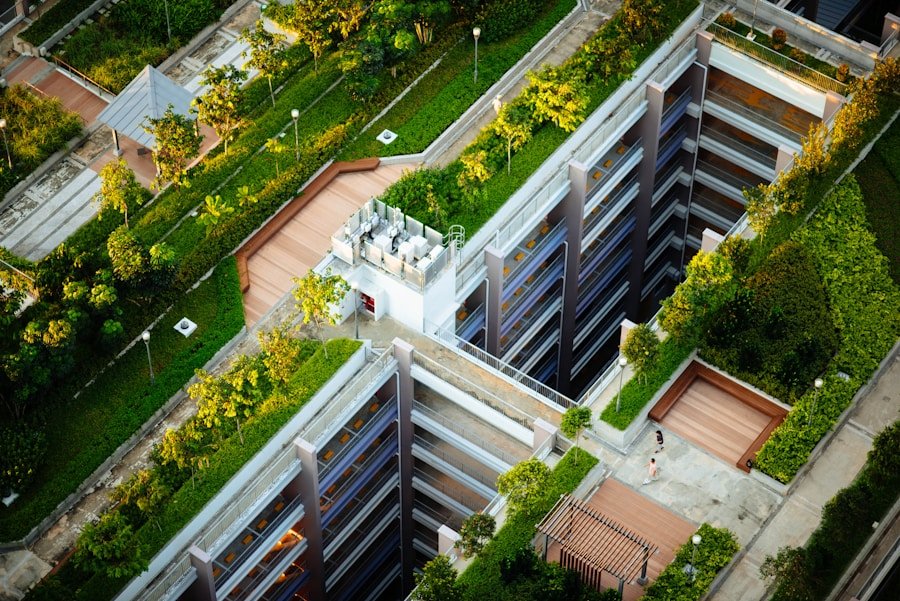
The construction industry in Dubai is undergoing a significant transformation, driven by a growing imperative for environmental responsibility and a vision for a sustainable future. As the emirate continues its ambitious urban development, a vanguard of eco-friendly construction companies is emerging, demonstrating that economic growth can indeed be harmonized with ecological preservation. These companies are not merely adhering to regulations; they are actively innovating, pushing the boundaries of what is possible in sustainable building practices and laying the groundwork for a more resilient and environmentally conscious city.
The Shifting Landscape of Construction in Dubai
Dubai has long been synonymous with ambitious megaprojects and rapid urban expansion. Historically, this growth has been fueled by methods that, while delivering impressive results, have also presented significant environmental challenges. The reliance on energy-intensive materials, extensive waste generation, and considerable water consumption have been inherent aspects of this development model. However, the global conversation around climate change and the increasing awareness of resource depletion have brought these issues to the forefront.
Historical Construction Practices and Their Environmental Footprint
Prior to the widespread adoption of sustainability principles, Dubai’s construction sector, like many others globally, operated with a primary focus on speed, scale, and cost-effectiveness. This often resulted in:
Material Sourcing and Embodied Energy
The extraction, processing, and transportation of conventional building materials such as concrete, steel, and glass are energy-intensive processes. This “embodied energy” contributes significantly to a building’s overall carbon footprint, even before it is occupied. The sourcing of these materials often involved extensive mining and manufacturing, with associated environmental impacts like habitat destruction and pollution.
Waste Generation and Landfill Burden
Large-scale construction projects are inherently waste-intensive. Demolition debris, excess materials, packaging, and offcuts frequently end up in landfills, consuming valuable land resources and posing potential environmental hazards through leachate and emissions. The linear model of “take-make-dispose” was prevalent, with limited emphasis on circular economy principles.
Water Consumption in Construction
The arid climate of Dubai necessitates careful management of water resources. Traditional construction methods, including concrete mixing, dust suppression, and site cleaning, can consume substantial quantities of water, placing additional strain on already limited supplies. This has long been a critical concern for the region.
The Rise of the Green Building Mandate
Recognizing the environmental implications of its rapid development, the Dubai government has proactively implemented policies and initiatives to encourage sustainable building practices. These mandates serve as a crucial catalyst, pushing developers and construction companies towards more responsible approaches.
Dubai Green Building Regulations and Specifications (DGBR)
The DGBR, also known as Al Sa’fat, is a comprehensive set of guidelines established by the Dubai Municipality. It outlines mandatory requirements and voluntary initiatives for new constructions, covering aspects such as energy efficiency, water conservation, materials selection, indoor environmental quality, and waste management. Compliance with Al Sa’fat has become a prerequisite for building permits, effectively embedding sustainability into the planning and execution stages.
Leadership in Energy and Environmental Design (LEED) Certification
While local regulations provide a baseline, many developers and companies in Dubai also aim for international green building certifications like LEED. LEED certification, developed by the U.S. Green Building Council, offers a framework for creating healthy, efficient, and cost-saving green buildings. Achieving LEED Platinum, Gold, or Silver status signifies a commitment to a higher standard of environmental performance.
Innovations in Sustainable Materials
The selection of materials is a cornerstone of eco-friendly construction. These innovative companies are exploring and implementing a range of sustainable alternatives, moving away from resource-intensive conventional options. They understand that the very fabric of a building can either contribute to or mitigate environmental challenges.
Recycled and Reclaimed Materials
The repurposing of waste materials is a direct application of circular economy principles. Companies are increasingly incorporating recycled content into their projects, diverting waste from landfills and reducing the demand for virgin resources.
Recycled Concrete Aggregates
Crushed concrete from demolition sites can be processed and used as aggregate in new concrete mixes. This significantly reduces the need for virgin aggregate extraction, which can lead to habitat disruption and depletion of natural resources. These aggregates maintain structural integrity while offering a more sustainable alternative.
Reclaimed Timber and Steel
The use of reclaimed timber from old structures or sustainably managed forests, and recycled steel, which requires significantly less energy to produce than new steel, are becoming more common. These materials often possess a unique character and history, adding aesthetic value while minimizing environmental impact.
Upcycled Plastics and Other Waste Streams
Forward-thinking companies are exploring the use of novel materials derived from waste streams. This includes incorporating processed recycled plastics into building components, using recycled glass in aggregates or decorative elements, and even experimenting with bio-based materials that are biodegradable or compostable.
Low-Carbon and Bio-Based Materials
Beyond recycling, focus is shifting towards materials that have inherently lower environmental footprints during their production phase.
Low-Carbon Concrete Alternatives
Research and development are leading to concrete mixes that utilize supplementary cementitious materials (SCMs) like fly ash and slag, which reduce the amount of Portland cement required. Portland cement production is a major source of CO2 emissions. Newer innovations also include geopolymer concrete, which uses industrial byproducts and has a significantly lower carbon footprint.
Bamboo as a Sustainable Building Material
Bamboo, a rapidly renewable resource that grows abundantly in many parts of the world, is gaining traction as a strong and versatile building material. Its high tensile strength and fast growth cycle make it an attractive alternative to timber and even steel in certain applications. Its use is particularly prominent in structural elements, flooring, and decorative finishes.
Mycelium-Based Composites
Emerging technologies are exploring the use of mycelium, the root structure of fungi, to create bio-based building materials. These materials are lightweight, fire-resistant, and biodegradable, offering a truly innovative and sustainable solution for insulation and even structural components. They represent a paradigm shift in how we think about material origins.
Locally Sourced and Minimally Processed Materials
Prioritizing locally sourced materials reduces transportation emissions and supports regional economies. Furthermore, opting for materials that require minimal processing further lowers their environmental impact.
Energy Efficiency in Design and Operation
Creating buildings that minimize energy consumption throughout their lifecycle is a core tenet of eco-friendly construction. This involves sophisticated design strategies and the integration of smart technologies. These companies are not just building structures; they are crafting responsive environments.
Passive Design Strategies
These companies emphasize design approaches that leverage natural elements to reduce reliance on artificial systems for heating, cooling, and lighting.
Building Orientation and Shading
Strategic placement of buildings on a site to optimize solar gain in winter and minimize it in summer is crucial. This involves careful consideration of the sun’s path throughout the year. The use of external shading devices, overhangs, and strategically planted vegetation can further control solar heat gain and reduce the need for air conditioning.
Natural Ventilation and Airflow
Designing buildings to facilitate natural airflow through cross-ventilation, stack effect, and the use of operable windows can significantly reduce the demand for mechanical ventilation and cooling systems. This creates a healthier and more comfortable indoor environment while conserving energy.
High-Performance Insulation and Glazing
The selection of advanced insulation materials for walls, roofs, and floors dramatically reduces heat transfer, keeping buildings cooler in summer and warmer in winter. High-performance glazing, such as double or triple-pane windows with low-emissivity coatings, minimizes heat loss and gain, further enhancing energy efficiency. This is like putting on a well-tailored coat for the building.
Active Energy Systems and Renewable Integration
Beyond passive design, these companies are integrating intelligent active systems and renewable energy sources to further enhance energy performance.
High-Efficiency HVAC Systems
The selection and installation of advanced heating, ventilation, and air conditioning (HVAC) systems are critical. This includes variable refrigerant flow (VRF) systems, geothermal heat pumps, and energy recovery ventilators (ERVs) that recapture heat or cool air from exhaust streams to pre-condition incoming fresh air.
Solar Photovoltaic (PV) Systems
The integration of solar panels on rooftops and facades is a common and effective strategy for generating clean, renewable electricity. This reduces reliance on the grid and lowers a building’s operational carbon footprint. The sun, a boundless energy source, becomes an active participant in powering the building.
Smart Building Management Systems (BMS)
Sophisticated BMS integrate and automate various building systems, including lighting, HVAC, and security, to optimize performance and reduce energy consumption. These systems can learn occupant patterns, adjust settings based on real-time conditions, and provide valuable data for ongoing performance monitoring and improvement.
Water Conservation Techniques
Water scarcity is a critical issue in arid regions like Dubai, making water conservation a paramount concern for eco-friendly construction. These companies are implementing multifaceted strategies to minimize water usage throughout a building’s lifecycle.
Water-Efficient Fixtures and Systems
The selection of plumbing fixtures and the design of water management systems are crucial for reducing consumption.
Low-Flow Fixtures
The installation of low-flow toilets, faucets, and showerheads significantly reduces water usage without compromising user experience. These fixtures are designed to deliver the required function with substantially less water.
Greywater Recycling Systems
Greywater, which is wastewater from sinks, showers, and washing machines, can be treated and reused for non-potable purposes such as toilet flushing and landscape irrigation. This diversifies the water supply and drastically reduces reliance on potable water.
Rainwater Harvesting
Where feasible, rainwater harvesting systems capture and store rainwater for various uses, further augmenting water resources and reducing the demand for treated water. While rainfall is infrequent, judicious collection can still yield significant benefits.
Water-Wise Landscaping and Irrigation
Outdoor spaces are also being designed with water conservation in mind.
Drought-Tolerant Plant Species
The selection of native and drought-tolerant plant species that are adapted to the local climate requires less irrigation and maintenance. This creates aesthetically pleasing landscapes that are also environmentally responsible.
Smart Irrigation Systems
The use of smart irrigation controllers that adjust watering schedules based on weather data, soil moisture sensors, and plant needs ensures that water is only applied when and where it is necessary, preventing overwatering and minimizing waste. These systems are the vigilant stewards of precious water.
Waste Management and Circular Economy Principles
| Company Name | LEED Certification Level | Green Building Features | Energy Efficiency Rating |
|---|---|---|---|
| Green Future Builders | Platinum | Solar panels, green roofs, rainwater harvesting | 5-star |
| EcoTech Construction | Gold | Energy-efficient HVAC systems, LED lighting, recycled materials | 4-star |
| Sustainable Structures LLC | Silver | Low-flow plumbing fixtures, sustainable landscaping, natural ventilation | 4-star |
The concept of a linear economy (“take-make-dispose”) is being dismantled by these forward-thinking companies. They are embracing circular economy principles, where materials are kept in use for as long as possible, reducing waste and maximizing resource value.
Construction and Demolition (C&D) Waste Diversion
The comprehensive management of waste generated during the construction and demolition phases is a key focus.
On-Site Segregation and Recycling Programs
Implementing rigorous on-site waste segregation programs allows for the separation of different waste streams, such as concrete, metal, wood, and plastics. This facilitates the efficient recycling and reuse of these materials, diverting them from landfills.
Partnerships with Recycling Facilities
Establishing strong partnerships with specialized recycling facilities ensures that segregated waste is processed effectively and transformed into valuable secondary raw materials. This creates a closed-loop system for construction materials.
Designing for Deconstruction
A fundamental shift in design thinking involves planning for a building’s end-of-life, making it easier to dismantle and recover materials for reuse or recycling.
Modular Construction and Prefabrication
Modular and prefabricated construction methods often result in less on-site waste due to controlled factory environments. Furthermore, these components can be designed for easier disassembly and relocation, promoting adaptability and reuse.
Material Traceability and Documentation
Maintaining detailed records of materials used in a building, including their origin and composition, facilitates their identification and recovery for recycling or reuse at the end of the building’s lifespan. This knowledge is like a material roadmap for future applications.
The Future of Construction in Dubai: A Sustainable Trajectory
The efforts of these innovative and sustainable construction companies are not merely a trend; they represent a fundamental shift in how buildings are conceived, designed, and constructed in Dubai. They are the architects of a more resilient and environmentally harmonious urban future.
Economic Benefits of Green Construction
Beyond environmental advantages, sustainable construction practices offer significant economic benefits, including reduced operational costs, enhanced property values, and increased market competitiveness. Investors and occupants are increasingly recognizing the long-term value proposition of green buildings.
Technological Advancements and Future Potential
The pace of innovation in sustainable construction materials and technologies is accelerating. Further advancements in areas like smart materials, 3D printing with recycled materials, and bio-integrated architecture hold immense potential for shaping the future of construction.
Dubai’s Role as a Global Leader
By embracing and promoting eco-friendly construction, Dubai is positioning itself as a global leader in sustainable urban development. The lessons learned and technologies pioneered in the emirate can serve as a blueprint for other cities facing similar development challenges and environmental imperatives. The commitment of these companies is sculpting a more enduring and responsible legacy for Dubai.