
Dubai’s economic landscape, long characterized by its focus on luxury and rapid development, is undergoing a nuanced transformation. This shift is influenced by the rise of eco-tech startups, a segment that merges high-end offerings with environmentally conscious practices. This article examines the economic impact of these ventures in Dubai, exploring their contributions to diversification, innovation, and sustainable development goals.
The Evolution of Dubai’s Economic Model
For decades, Dubai’s economic narrative has been intertwined with oil wealth, real estate, and tourism. The city-state established itself as a global hub for business and leisure, attracting capital and talent through strategic investments in infrastructure and a business-friendly environment. However, a conscious effort towards economic diversification began in the late 20th century, seeking to reduce reliance on diminishing oil reserves and prepare for a post-oil future.
Early Diversification Initiatives
The establishment of free zones, such as Jebel Ali Free Zone (JAFZA) and Dubai Internet City, marked the initial phases of this diversification. These zones offered incentives like full foreign ownership and tax exemptions, attracting multinational corporations and fostering growth in sectors like logistics, technology, and finance. The emphasis during this period was on attracting global players and building a robust service economy.
Transition Towards a Knowledge Economy
More recently, Dubai has emphasized a transition towards a knowledge-based economy. This involves fostering innovation, developing human capital, and supporting research and development. Initiatives like the Dubai Future Foundation and various incubators aim to cultivate an environment conducive to technological advancement and entrepreneurial activity. This strategic shift lays the groundwork for the emergence of eco-tech startups, aligning with Dubai’s broader vision of sustainable and innovation-driven growth. The city understands that a future-proof economy cannot be built solely on traditional sectors.
Defining Eco-Tech in the Dubai Context
Eco-tech, within the context of Dubai, refers to the integration of sustainable practices and environmental considerations into technological solutions, often with a focus on high-value products or services. These startups leverage advanced technologies to address environmental challenges while simultaneously catering to a clientele that values both luxury and ethical consumption.
Key Characteristics of Dubai’s Eco-Tech Startups
Several defining characteristics set Dubai’s eco-tech startups apart. Firstly, they often address issues pertinent to the region, such as water scarcity, energy efficiency in extreme climates, and sustainable urban development. Secondly, there is a strong emphasis on integrating cutting-edge technology, including artificial intelligence, blockchain, and advanced materials science, to achieve their sustainability goals. Thirdly, many of these ventures target a clientele that is willing to pay a premium for products or services that combine environmental responsibility with high quality and exclusivity – the “luxury” aspect of the equation.
Sectoral Focus
The eco-tech sector in Dubai is diverse, encompassing various sub-sectors. These include:
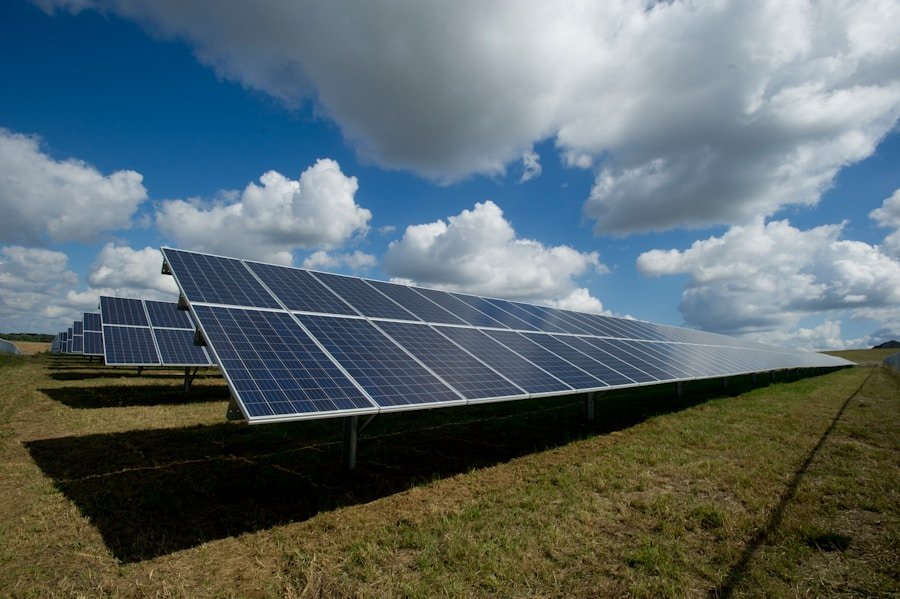
- Renewable Energy Solutions: Companies developing solar panel technologies optimized for desert environments, smart grid solutions, and innovative energy storage systems.
- Sustainable Agriculture: Vertically integrated farms utilizing hydroponics or aeroponics, controlled environment agriculture (CEA), and AI-driven precision farming to reduce water consumption and maximize yield in a resource-scarce region.
- Sustainable Urban Development: Startups focusing on green construction materials, smart building management systems that optimize energy and water use, and urban planning solutions that prioritize ecological integration.
- Waste Management and Circular Economy: Technologies for advanced waste segregation, recycling processes for complex materials, and platforms facilitating the reuse and repurposing of goods.
- Sustainable Mobility: Development of electric vehicle infrastructure, smart public transport solutions, and initiatives promoting alternative forms of transportation.
These sub-sectors represent focal points where technology can significantly impact both environmental sustainability and economic value creation within Dubai’s unique geographical and economic context.
Economic Impacts: Diversification and New Value Chains
The emergence of eco-tech startups contributes directly to Dubai’s ongoing economic diversification efforts. These ventures create new industries and value chains, reducing the city’s reliance on traditional sectors.
Creation of High-Value Jobs
Eco-tech companies require a specialized workforce, including engineers, data scientists, environmental specialists, and innovation managers. This creates high-value job opportunities, attracting and retaining skilled talent within Dubai. The emphasis on research and development within these companies further elevates the intellectual capital residing in the city.
Attraction of Foreign Direct Investment (FDI)
The growth of a vibrant eco-tech ecosystem makes Dubai an attractive destination for foreign direct investment (FDI) specifically targeting sustainable technologies. Investors are increasingly looking to allocate capital to ventures with strong ESG (Environmental, Social, and Governance) credentials, and Dubai’s proactive stance in this area positions it favorably. This influx of capital stimulates economic activity and further fuels innovation.
Development of New Export Opportunities
As eco-tech solutions developed in Dubai prove successful, they can be scaled and exported to other regions facing similar environmental challenges. This creates new export categories for Dubai, moving beyond traditional goods and services to intellectual property and advanced technological solutions. Imagine Dubai becoming a global purveyor of desert-optimized renewable energy solutions or water-efficient agricultural systems.
Innovation and Technological Advancement
Eco-tech startups are inherently driven by innovation. They act as laboratories for new ideas and technologies, pushing the boundaries of what is possible in sustainable development. This constant pursuit of novelty has broader implications for Dubai’s technological landscape.
Fostering a Culture of Innovation
The presence of a dynamic startup scene, particularly one focused on complex environmental challenges, cultivates a culture of innovation across the broader economy. It encourages established companies to adopt sustainable practices and to invest in their own R&D efforts. This ripple effect helps to embed innovation as a core tenet of Dubai’s business environment.
Development of Intellectual Property (IP)
As eco-tech startups develop novel solutions, they generate valuable intellectual property in the form of patents, trademarks, and proprietary technologies. This IP becomes a significant economic asset, contributing to Dubai’s knowledge economy and enhancing its global competitiveness. It signifies a shift from merely consuming technology to actively creating it.
Collaboration and Ecosystem Building
The eco-tech sector often involves collaboration between startups, academia, government entities, and larger corporations. This fosters an ecosystem where knowledge is shared, resources are pooled, and interdisciplinary approaches to problem-solving are encouraged. Programs like incubators, accelerators, and university partnerships are critical catalysts in this process, connecting the different elements of the innovation ecosystem. Think of it as a carefully constructed web, where each strand strengthens the overall structure.
Challenges and Future Outlook
| Startup Name | Product/Service | Environmental Impact | Economic Contribution |
|---|---|---|---|
| GreenTech Solutions | Solar panels and energy-efficient appliances | Reduction in carbon emissions and energy consumption | Job creation and cost savings for consumers |
| EcoLux | Sustainable luxury fashion and accessories | Reduction in textile waste and use of eco-friendly materials | Boost to local fashion industry and promotion of sustainable practices |
| EnviroTech Innovations | Smart home automation and energy management systems | Efficient use of resources and reduction in household energy consumption | Contribution to smart city initiatives and cost savings for homeowners |
While the impact of eco-tech startups is largely positive, several challenges need to be addressed for sustained growth and maximum economic benefit.
Regulatory and Policy Frameworks
Ensuring that regulatory frameworks keep pace with rapid technological advancements is crucial. Policies concerning data privacy, sustainable sourcing, waste management, and energy efficiency need to be clear, consistent, and supportive of innovation. Overly restrictive or outdated regulations can stifle growth and deter investment.
Access to Capital and Talent
While FDI is increasing, ensuring a continuous flow of early-stage capital for nascent eco-tech ventures remains important. Furthermore, attracting and retaining specialized talent in areas like AI, material science, and environmental engineering is an ongoing challenge in a competitive global market. Dubai must continue to refine its talent acquisition strategies and educational provisions.
Market Adoption and Consumer Behavior
The success of eco-tech solutions ultimately depends on market adoption. While the luxury segment often embraces sustainable options, broader consumer education and incentives may be necessary to drive widespread adoption across various income brackets. Convincing consumers that sustainable choices do not necessitate a compromise on quality or convenience is key.
Future Economic Contribution
The trajectory for eco-tech startups in Dubai is promising. As global awareness of environmental issues intensifies and the demand for sustainable products and services grows, Dubai’s strategic investments in this sector are likely to yield substantial economic dividends. These startups are not merely an appendage to Dubai’s economy; they are becoming an increasingly integral component, shaping its future direction and resilience. They represent a tangible manifestation of Dubai’s commitment to building an economy that is not only prosperous but also sustainable and forward-looking.