
This article examines the evolving landscape of Dubai’s exclusive developments and the notable impact of green energy companies. Once defined by sheer opulence, the concept of luxury in Dubai is being reshaped by a growing emphasis on sustainability and environmental responsibility. This shift is not merely a trend; it represents a fundamental reorientation of value, influenced significantly by the capabilities and integration of green energy solutions.
The Shifting Sands of Luxury: From Ostentation to Sustainability
The term “luxury” in the context of Dubai has, for decades, conjured images of unbridled extravagance. Towering skyscrapers, sprawling private villas, and a plethora of high-end amenities were the hallmarks. However, a new set of metrics is emerging, pushing the definition of exclusivity beyond mere material wealth. The desire for responsible consumption, enhanced well-being, and a tangible connection to a more sustainable future is increasingly influencing purchasing decisions, particularly within the discerning buyer demographic thatDubai caters to. This recalibration is a testament to a broader global consciousness awakening to environmental realities, and Dubai’s elite developments are not immune to its gravitational pull.
Historical Precedents of Dubai’s Exclusive Development
Dubai’s rise as a global hub for luxury real estate is a well-documented phenomenon. The early 2000s saw an unprecedented surge in construction, driven by ambitious visions and significant foreign investment.
Pioneering Mega-Projects and their Impact
Projects like the Burj Khalifa, the Palm Jumeirah, and the Dubai Mall set benchmarks for scale and ambition. These developments were designed to attract international attention and establish Dubai as a preeminent destination for tourism, business, and residential living. Their success was built on a foundation of grandiosity and the promise of an unparalleled lifestyle.
The Role of Oil Wealth in Early Development
The initial economic impetus for Dubai’s rapid development was, undeniably, linked to its oil reserves. This wealth provided the capital for ambitious infrastructure projects and the establishment of a framework conducive to high-end living. However, as Dubai strategically diversified its economy, the reliance on fossil fuels became less of a defining characteristic.
The Emergence of Environmental Consciousness in the GCC
While the global conversation around climate change has been ongoing for decades, its penetration into the affluent consumer markets of the Gulf Cooperation Council (GCC) has been more recent but is gaining momentum. This shift is not a sudden revelation but rather a gradual absorption of global trends and a growing awareness of local environmental challenges.
Addressing Water Scarcity and Arid Climates
The inherent realities of the region’s climate, particularly its arid nature and the consequent challenges with water scarcity, have served as a consistent, albeit sometimes overlooked, environmental factor. The realization that extravagant water consumption is unsustainable is slowly but surely informing architectural and landscape design.
International Influence and the “Green” Movement
Exposure to international markets, global media, and a growing cohort of globally-minded expatriates has brought environmental consciousness to the forefront. The “green” movement, once perceived as niche, is now resonating with investors and consumers seeking properties that align with their values.
Green Energy Integration: From Niche to Necessity
The integration of green energy technologies into Dubai’s luxury developments is transitioning from a supplementary feature to a fundamental requirement. Developers are recognizing that incorporating renewable energy sources is no longer just an ethical consideration but a strategic imperative that enhances property value, appeals to a sophisticated clientele, and aligns with the emirate’s long-term vision.
Solar Power: The Most Visible Renewable Source
Solar energy, given Dubai’s abundant sunshine, has become a natural and highly visible component of the green energy revolution in its luxury developments. The potential of the sun as a clean and inexhaustible power source is being harnessed in increasingly innovative ways.
Rooftop Solar Panels on Villas and Apartment Buildings
The most straightforward application involves the installation of solar photovoltaic (PV) panels on the rooftops of residential units. This directly reduces reliance on the grid and lowers energy bills for residents, a tangible benefit that appeals to the cost-conscious aspect of even the wealthiest individuals.
Large-Scale Solar Farms for Residential Communities
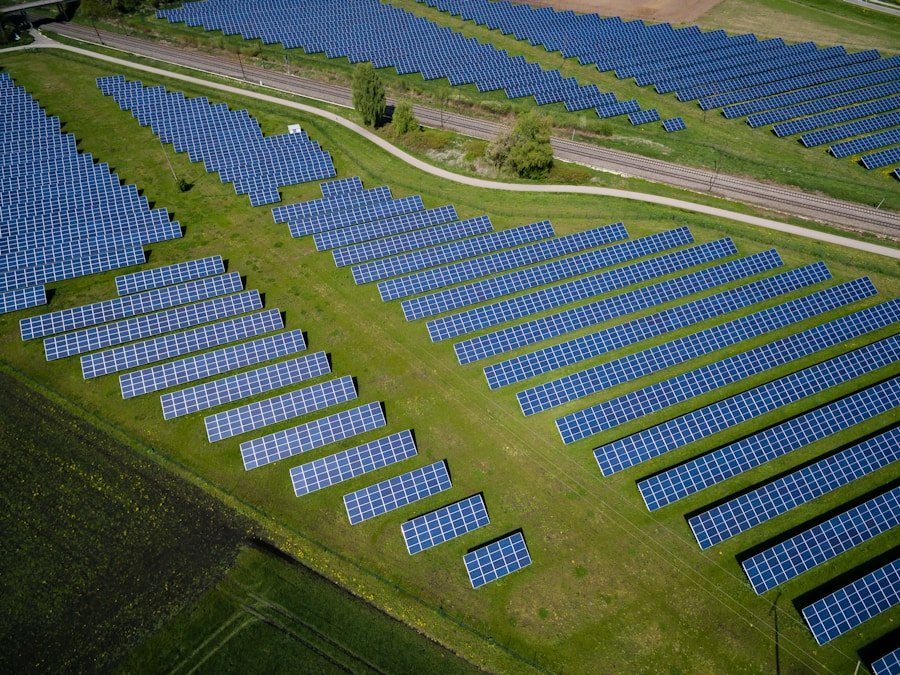
Beyond individual units, some master-planned communities are incorporating larger solar farms to power shared amenities, irrigation systems, and even contribute to the local grid. This centralized approach offers economies of scale and a more comprehensive approach to energy independence.
Building-Integrated Photovoltaics (BIPV) and Aesthetic Considerations
Advancements in technology have led to Building-Integrated Photovoltaics (BIPV), where solar cells are seamlessly incorporated into building materials like facades and windows. This addresses the aesthetic concerns often associated with traditional solar panels, allowing for the preservation of architectural integrity while generating clean energy.
Energy Efficiency: The Unsung Hero of Green Luxury
While renewable energy generation garners much attention, energy efficiency measures are equally crucial in redefining luxury through a sustainable lens. Reducing overall energy demand is as impactful as generating clean energy, and these strategies are becoming integral to the design and operation of high-end properties.
Advanced Insulation and Building Envelope Design
Improved insulation in walls, roofs, and windows significantly reduces the need for heating and cooling, which are major energy consumers in Dubai’s climate. Advanced building envelope design, incorporating natural ventilation strategies and shading devices, further minimizes thermal gain.
Smart Home Technology and Energy Management Systems
The proliferation of smart home technology allows residents to monitor and control their energy consumption in real-time. Automated systems can optimize lighting, temperature, and appliance usage, ensuring that energy is used only when and where it is needed.
Water Conservation Technologies and Greywater Recycling
Recognizing the preciousness of water, luxury developments are integrating sophisticated water conservation systems. This includes low-flow fixtures, intelligent irrigation, and increasingly, greywater recycling systems that treat and reuse water from sinks and showers for non-potable purposes like toilet flushing and irrigation.
The Role of Green Building Certifications
Third-party green building certifications provide a credible framework for evaluating and promoting sustainable practices in real estate. These certifications offer a tangible benchmark for developers and a reassurance for buyers.
LEED and Estidama: Setting the Standards
Prominent certifications like Leadership in Energy and Environmental Design (LEED) and Abu Dhabi’s Estidama have become influential in the region. Developers are actively seeking these certifications to validate their sustainability efforts and enhance the marketability of their projects.
The Premium Associated with Certified Green Buildings
Properties with recognized green building certifications often command a premium in the market. This is attributed to lower operating costs, enhanced occupant comfort, and the growing demand for environmentally responsible living spaces. Buyers are willing to invest more in properties that offer long-term value and align with their ethical considerations.
Green Energy Companies: Catalysts for Change
Green energy companies are not simply suppliers of technology; they are increasingly acting as strategic partners and innovators, shaping the design, implementation, and long-term viability of sustainability within Dubai’s luxury sector. Their expertise is crucial in navigating the complexities of renewable energy integration and driving the adoption of cutting-edge solutions.
Partnerships with Real Estate Developers
The most significant impact of green energy companies lies in their collaborative partnerships with real estate developers. These collaborations ensure that sustainability is embedded from the initial design phases of a project, rather than being an afterthought.
Integrated Design and Engineering Services
Green energy firms offer specialized design and engineering services, ensuring that renewable energy systems are seamlessly integrated with building infrastructure. This goes beyond simply installing solar panels; it involves optimizing energy flows, thermal performance, and resource management for the entire development.
Feasibility Studies and Return on Investment Analysis
Before any major investment, these companies conduct thorough feasibility studies to assess the potential of different green energy solutions for a specific project. They also provide detailed return on investment (ROI) analyses, demonstrating the financial benefits of sustainable technologies to developers and future owners.
Long-Term Operations and Maintenance Agreements
Beyond the initial installation, many green energy companies offer ongoing operations and maintenance services for the installed systems. This ensures the optimal performance of solar arrays, energy storage solutions, and other green technologies, providing peace of mind for developers and residents alike.
Driving Innovation in Energy Storage Solutions
A critical component of widespread renewable energy adoption is efficient and reliable energy storage. Green energy companies are at the forefront of developing and deploying advanced battery technologies and other storage mechanisms.
Battery Storage for Grid Stability and Peak Shaving
Battery energy storage systems (BESS) are becoming increasingly common in luxury developments. These systems store excess solar energy generated during the day for use during periods of high demand or when solar generation is low. This enhances grid stability and helps “peak shave,” reducing strain on the traditional power grid.
Integration with Electric Vehicle (EV) Charging Infrastructure
As the adoption of electric vehicles grows, green energy companies are integrating EV charging infrastructure with on-site renewable energy generation and storage. This creates a virtuous cycle where EVs can be charged using clean, sustainably generated electricity.
Emerging Technologies like Hydrogen Fuel Cells
While still in earlier stages of commercial adoption, green energy companies are also exploring and piloting emerging technologies like hydrogen fuel cells. These could offer further solutions for energy storage and generation, contributing to a more diversified and resilient green energy ecosystem.
Providing Essential Expertise and Technical Support
The technical complexities of renewable energy systems require specialized knowledge, which green energy companies readily provide. Their role extends beyond hardware provision to encompass the entire knowledge ecosystem.
Consultation on Regulatory Compliance and Incentives
Navigating the regulatory landscape and identifying available government incentives for green energy projects can be challenging. Green energy companies act as expert consultants, guiding developers through these processes.
Training and Education for Building Management and Residents
Effective utilization of green energy systems requires understanding. Companies often provide training and educational resources for building management staff and residents, fostering a culture of energy awareness and responsible consumption.
Troubleshooting and Performance Optimization
Should any issues arise with the installed systems, green energy companies offer expert troubleshooting and ongoing performance optimization services, ensuring that the sustainability features of the development continue to function at their peak.
The Future Landscape: Green Energy as the New Standard
The influence of green energy companies on Dubai’s exclusive developments suggests a future where sustainability is not an optional add-on but an inherent characteristic of luxury living. This evolution is poised to redefine the very essence of what constitutes an exclusive property.
Redefining “Smart” Living with Green Intelligence
The concept of a “smart” home is evolving to encompass more than just connectivity and automation. True smart living in the future will be intrinsically linked to environmental intelligence, where resource efficiency and clean energy consumption are paramount.
Integrated Building Management Systems (BMS) for Holistic Efficiency
Future luxury developments will feature highly integrated Building Management Systems that not only control comfort and security but also optimize energy generation, storage, and consumption from a holistic perspective. This interconnectedness allows for predictive maintenance and continuous efficiency improvements.
Data-Driven Insights for Occupant Behavior and Sustainability Goals
These intelligent systems will provide residents with sophisticated data analytics on their energy usage, enabling them to make informed decisions and contribute to their household’s sustainability goals. Gamification and rewards for energy-efficient behavior could also become commonplace.
Seamless Integration of Renewable Energy Sources and Smart Grids
The aim is to create developments that are not just consumers of energy but active participants in the wider smart grid. This means being able to intelligently trade excess energy back to the grid, further enhancing overall system efficiency and resilience.
Elevating Property Value and Market Appeal
The integration of green energy technologies is increasingly becoming a key differentiator in the competitive Dubai real estate market. Properties that embrace sustainability are not only more attractive but also demonstrably more valuable.
Long-Term Cost Savings for Residents
Lower utility bills resulting from efficient energy use and on-site generation represent a significant long-term financial benefit for residents. This tangible advantage directly contributes to the perceived value of a property.
Enhanced Brand Reputation for Developers
Developers who are perceived as leaders in sustainable development build a stronger brand reputation, attracting discerning buyers who prioritize responsible living and environmentally conscious choices. This can translate into stronger sales and customer loyalty.
Future-Proofing Developments Against Environmental Regulations and Energy Market Volatility
As environmental regulations become stricter globally, developments that are already equipped with green energy solutions are inherently future-proofed. They are less susceptible to potential carbon taxes, energy price fluctuations, and the evolving demands of a carbon-conscious economy.
The Rise of a New Generation of Eco-Conscious Affluent Consumers
The demographic of affluent consumers is changing. A growing segment is actively seeking out luxury experiences and possessions that align with their values, chief among them being environmental responsibility.
Demand for Properties with a Tangible Sustainability Footprint
This new generation of consumers is not satisfied with mere pronouncements of sustainability. They seek properties that have a verifiable and tangible positive environmental impact, supported by certifications and demonstrable energy performance.
The “Conscious Consumer” and Lifestyle Choices
The “conscious consumer” trend extends beyond purchasing decisions to encompass their entire lifestyle. This means choosing developments that reflect their commitment to environmental stewardship, from energy consumption to waste management and green spaces.
A Shift in Prestige: From Consumption to Contribution
The notion of prestige is subtly shifting. While material wealth remains a factor, the ability to live a luxurious life while minimizing one’s environmental footprint is increasingly becoming a mark of sophistication and leadership in the eyes of this demographic. This is not about deprivation but about achieving excellence through responsible innovation.
The impact of green energy companies on Dubai’s exclusive developments is undeniable and far-reaching. What began as a niche consideration is rapidly becoming a defining characteristic of luxury, influenced by a confluence of environmental awareness, technological advancement, and evolving consumer preferences. This transformation signals a fundamental maturation of the luxury market, where true exclusivity is increasingly measured not just by opulence, but by a commitment to a sustainable future.