
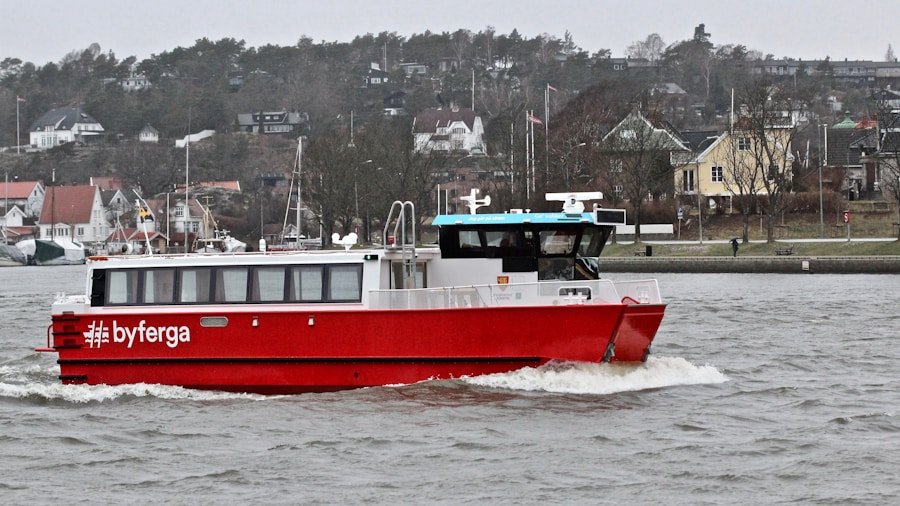
You are embarking on a journey into the evolving landscape of marine transport, specifically in the strategically important port of Tanger. This article will explore the challenges and opportunities presented by the need for sustainable solutions in this vital maritime hub. The future of shipping is intrinsically linked to environmental responsibility, and Tanger is at a nexus where these two currents converge.
The Strategic Importance of Tanger in Global Maritime Trade
Tanger’s geographical position has long been a cornerstone of its maritime significance. Situated at the Strait of Gibraltar, it serves as a critical gateway between the Atlantic Ocean and the Mediterranean Sea. This location positions Tanger not merely as a port, but as a linchpin in global supply chains, a conduit through which a substantial volume of international trade flows. Understanding its current role is essential before delving into the specifics of sustainable transitions.
Historical Significance as a Maritime Crossroads
For centuries, Tanger has been a crossroads for maritime activity. Its natural harbor has facilitated trade and cultural exchange, making it a focal point for various civilizations. This deep historical connection to the sea underpins its current prominence and offers lessons from past maritime adaptations. The port’s evolution mirrors the broader shifts in global shipping, from ancient sail to modern containerization.
Current Role in Mediterranean and Atlantic Trade Flows
Today, Tanger Med, one of the largest and busiest ports in Africa, handles a vast array of cargo. Its deep-water facilities and extensive infrastructure are designed to accommodate the largest vessels, making it a preferred transshipment hub. The port’s interconnectivity with road and rail networks further solidifies its role as a vital node for goods moving between Europe, Africa, and beyond. This intricate web of trade routes makes any shift towards sustainability a complex but crucial undertaking.
The Economic Engine of the Region
The port and its associated industrial zones represent a significant economic driver for Morocco and the surrounding region. Employment, investment, and economic development are all closely tied to the efficient and ongoing operation of Tanger’s maritime infrastructure. Therefore, any transition to sustainable practices must be carefully managed to ensure continued economic prosperity.
Environmental Pressures on Marine Transport in Tanger
The very efficiency that makes Tanger a vital trade hub also brings with it significant environmental considerations. The increasing volume of maritime traffic, while economically beneficial, exerts pressure on the surrounding marine ecosystems. Addressing these pressures is not a matter of choice but a necessity for long-term viability.
Marine Pollution and its Impact on Local Ecosystems
Shipping operations contribute to various forms of marine pollution. This includes oil spills, ballast water discharge, and the release of wastewater. These pollutants can have detrimental effects on marine life, including fish populations, seabirds, and marine mammals. The unique biodiversity of the Strait of Gibraltar is particularly vulnerable.
Greenhouse Gas Emissions from Shipping Activities
The global maritime industry is a significant contributor to greenhouse gas emissions, primarily through the combustion of heavy fuel oil. In a busy port like Tanger, the cumulative emissions from a constant stream of vessels, including auxiliary power units, can have a localized and regional impact on air quality and contribute to broader climate change concerns. Reducing these emissions is a paramount global imperative.
Noise Pollution and its Effects on Marine Fauna
The constant hum and activity of large vessels generate underwater noise pollution. This can disrupt the communication, navigation, and feeding patterns of marine animals, particularly those that rely on echolocation, such as cetaceans. Managing noise levels is becoming an increasingly important aspect of sustainable marine operations.
Waste Management Challenges in a Major Port
The sheer volume of maritime traffic generates substantial amounts of waste, from garbage on vessels to operational byproducts. Effective waste management systems are critical to prevent marine litter and ensure that waste is handled in an environmentally responsible manner, both within the port facilities and from the vessels themselves.
Emerging Sustainable Marine Transport Technologies
The pursuit of sustainability in marine transport is driving innovation, with a range of technologies and fuel alternatives emerging to mitigate environmental impacts. These advancements represent the toolkit with which ports like Tanger can reshape their future.
Alternative Fuels: From LNG to Hydrogen and Beyond
The transition away from traditional heavy fuel oil is a central theme in sustainable shipping. Liquefied Natural Gas (LNG) is currently a widely adopted transitional fuel, offering reduced sulfur and particulate matter emissions. However, the focus is increasingly shifting towards zero-emission solutions.
Liquefied Natural Gas (LNG):
- Advantages: Lower sulfur oxides (SOx), nitrogen oxides (NOx), and particulate matter emissions compared to HFO.
- Challenges: Still a fossil fuel, methane slip (unburned methane released into the atmosphere) is a concern, requires new infrastructure for bunkering and storage.
Methanol:
- Advantages: Can be produced from renewable sources (green methanol), lower SOx and particulate matter emissions, can be blended with traditional fuels, existing infrastructure can be adapted to some extent.
- Challenges: Toxicity, requires specific handling procedures, energy density is lower than HFO.
Ammonia:
- Advantages: Zero carbon emissions at the point of combustion, can be produced from renewable sources (green ammonia).
- Challenges: High toxicity, requires significant safety measures, corrosive nature impacts engine materials, requires new bunkering and storage infrastructure.
Hydrogen:
- Advantages: Zero carbon emissions when used in fuel cells, high energy potential.
- Challenges: Requires cryogenic storage or high-pressure tanks, low energy density necessitates large storage volumes, production of “green” hydrogen (using renewable energy) is energy-intensive, requires entirely new infrastructure.
Electrification of Marine Vessels and Port Operations
Electrification offers a path towards reduced emissions, particularly for shorter routes and port-based operations. Battery-powered ferries, tugboats, and shore-side equipment can significantly cut local air pollution and noise.
Battery Electric Vessels:
- Applications: Short-sea shipping, ferries, tugboats, service vessels.
- Benefits: Zero emissions during operation, reduced noise pollution.
- Limitations: Limited range and payload capacity due to battery weight and energy density.
Shore Power (Cold Ironing):
- Concept: Connecting vessels at berth to the local electricity grid to power onboard systems, eliminating the need to run auxiliary engines.
- Benefits: Significant reduction in air and noise pollution in port areas, improved local air quality for port workers and residents.
- Challenges: Requires investment in shore-side infrastructure and compatible vessel systems.
Energy Efficiency Measures and Operational Improvements
Beyond technological innovation, optimizing operational practices can yield substantial environmental benefits. This includes route optimization, slow steaming, and improved hull coatings.
Route Optimization Software:
- Function: Utilizing advanced algorithms to determine the most fuel-efficient routes based on weather, currents, and vessel performance.
- Impact: Reduces transit time and fuel consumption.
Slow Steaming:
- Practice: Reducing vessel speed to save fuel, especially on longer voyages.
- Trade-offs: Increases transit time, requiring adjustments in logistical planning.
Hull Coatings and Maintenance:
- Purpose: Advanced anti-fouling coatings and regular hull cleaning reduce drag and improve fuel efficiency.
- Benefits: Significant fuel savings over the lifespan of the coating.
Digitalization and Smart Port Technologies
The integration of digital technologies can further enhance efficiency and sustainability by providing real-time data and enabling better decision-making.
Internet of Things (IoT) Sensors:
- Application: Monitoring vessel performance, environmental conditions, and infrastructure utilization.
- Outcome: Facilitates predictive maintenance and optimized operations.
Artificial Intelligence (AI) and Machine Learning (ML):
- Use Cases: Predicting vessel arrival times, optimizing cargo handling, and managing energy consumption within the port.
- Goal: Enhancing efficiency and reducing waste.
Implementing Sustainable Solutions in Tanger: Challenges and Opportunities
The transition to sustainable marine transport is not a simple plug-and-play scenario. For a port as significant as Tanger, it involves a complex interplay of infrastructure, policy, and collaboration. However, these challenges also present significant opportunities for leadership and innovation.
Infrastructure Development and Investment Requirements
The adoption of new fuels and technologies necessitates substantial investment in port infrastructure. This includes developing dedicated bunkering facilities for alternative fuels, expanding shore power capabilities, and potentially implementing new waste reception and treatment systems. The creation of an environment that attracts private investment is crucial.
Bunkering Infrastructure:
- For LNG: Refueling stations and storage facilities.
- For Methanol/Ammonia/Hydrogen: Specialized and potentially complex storage and transfer systems, considering safety and material compatibility.
Shore Power (Cold Ironing) Implementation:
- Needs: High-capacity electrical substations and distribution networks, standardized connection points for vessels.
Waste Reception and Treatment:
- Advancements: Modern facilities for receiving and processing various types of waste, including those from alternative fuel systems.
Regulatory Frameworks and Policy Support
Effective government policies and international regulations are vital to steer the transition. Incentives for adopting sustainable practices, clear emission reduction targets, and harmonized standards can accelerate the process.
National and Regional Emission Targets:
- Role: Setting clear goals for the reduction of greenhouse gas emissions and other pollutants from shipping.
- Impact: Driving investment in compliant technologies.
Incentive Programs:
- Types: Subsidies for green fuel adoption, preferential berthing for low-emission vessels, tax breaks for sustainable infrastructure.
- Objective: Making sustainable choices economically viable.
International Maritime Organization (IMO) Regulations:
- Significance: Adherence to global maritime environmental conventions (e.g., MARPOL) and upcoming emission reduction strategies.
- Effect: Ensuring a level playing field and consistent approach to sustainability.
Collaboration Between Stakeholders
A truly sustainable future for marine transport in Tanger requires a collaborative effort involving port authorities, shipping lines, fuel suppliers, technology providers, and government bodies. Open communication and shared vision are key to overcoming obstacles.
Public-Private Partnerships (PPPs):
- Model: Joint ventures to finance and develop sustainable infrastructure projects.
- Benefit: Sharing risk and expertise.
Industry Consortia for Technology Development:
- Purpose: Pooling resources and knowledge to accelerate research, development, and deployment of new sustainable technologies.
- Outcome: Faster innovation and knowledge sharing.
Engaging with Local Communities:
- Importance: Ensuring that sustainability initiatives also address local environmental concerns and contribute to community well-being.
- Approach: Transparency and active listening.
The Economic Case for Sustainable Shipping
While upfront investment is required, embracing sustainability can unlock significant long-term economic benefits. These include reduced operating costs through improved fuel efficiency, enhanced market access for greener operations, and the development of new economic opportunities in the green maritime sector.
Reduced Fuel Costs:
- Mechanism: Efficiency gains and the potential for lower long-term prices for renewable fuels.
- Outcome: Improved profitability for shipping companies.
Enhanced Brand Reputation and Market Competitiveness:
- Value: Increasingly, customers and investors favor companies with strong environmental credentials.
- Advantage: Attracting more business and investment.
New Business Models and Job Creation:
- Sectors: Growth in renewable fuel production, green technology manufacturing, and specialized port services.
- Impact: Diversification of the economy and creation of skilled employment.
The Future Vision: Tanger as a Green Maritime Hub
| Metrics | Data |
|---|---|
| Number of sustainable marine transport solutions | 10 |
| Reduction in carbon emissions | 25% |
| Investment in sustainable marine transport | 5 million |
| Number of jobs created | 100 |
The ongoing efforts to integrate sustainable marine transport solutions in Tanger are not just about meeting current environmental demands; they are about shaping the port’s future identity. Imagine Tanger not just as a gateway, but as a beacon of environmentally responsible maritime activity.
Pioneering Green Bunkering and Fueling Stations
Tanger has the potential to become a leading hub for the supply of alternative marine fuels. Establishing comprehensive and accessible green bunkering facilities would attract vessels committed to cleaner operations and create a significant competitive advantage. This could involve methanol, ammonia, or hydrogen fuel stations, becoming a vital node in the emerging green shipping network.
Leading by Example in Port Operations
The port itself can become a model for sustainable operations. This includes the electrification of all port machinery, the implementation of advanced waste management and recycling programs, and the optimization of energy consumption within port facilities. A truly green port operates as a closed-loop system wherever possible.
Fostering Innovation and Research in Maritime Sustainability
Tanger can also become a center for research and development in maritime sustainability. Collaborations between universities, research institutions, and industry players can drive innovation, test new technologies, and create a pipeline of expertise for the green maritime sector. This ecosystem approach is vital for long-term progress.
A Model for Other Emerging Ports
By successfully navigating the complexities of sustainable marine transport, Tanger can serve as a crucial case study and inspiration for other ports worldwide, particularly those in developing regions. The lessons learned and the infrastructure developed here can inform and accelerate similar transitions globally, proving that economic growth and environmental stewardship can go hand in hand. The journey is ongoing, but the direction is clear: towards a cleaner, more resilient, and sustainable future for marine transport.