
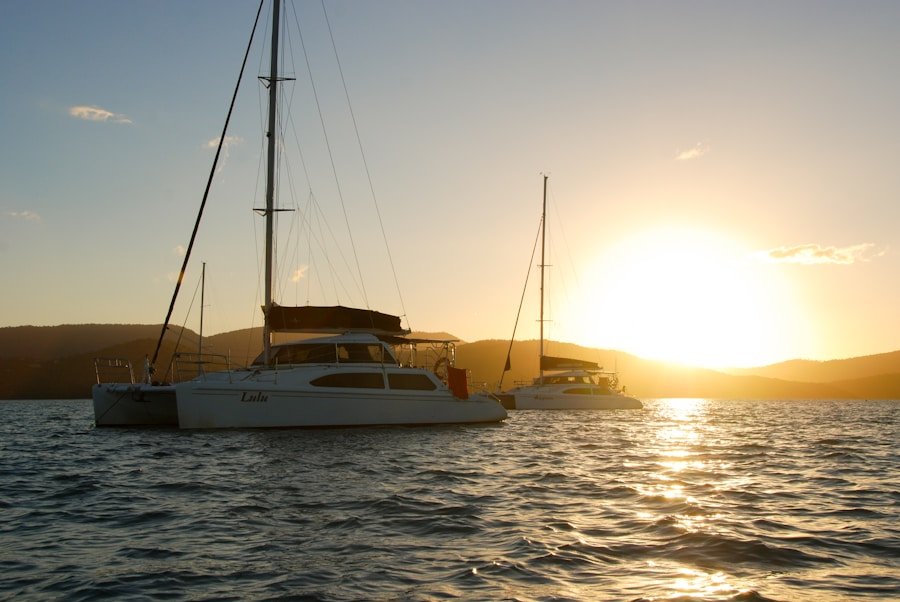
The Shifting Tides: Dubai’s Luxury Yacht Sector and Environmental Responsibility
As the global maritime industry navigates the complex waters of environmental sustainability, the luxury yacht sector in Dubai finds itself at a unique confluence. Historically associated with opulence and fossil fuel consumption, the industry is now confronting increasing regulatory pressures, evolving client expectations, and a growing awareness of its ecological footprint. This article will explore how Dubai’s luxury yacht companies are adapting to these challenges, specifically examining their integration of eco-friendly practices and their potential to set new benchmarks in sustainable maritime tourism.
The Imperative for Change: A Wake-Up Call for the Industry
The sheer volume of carbon emissions, waste generation, and potential for marine ecosystem disruption associated with large vessels has long been a point of concern. The luxury yacht segment, with its emphasis on extensive cruising and often energy-intensive amenities, faces particular scrutiny. This scrutiny has not been lost on discerning clients or regulatory bodies.
Global and Local Pressures
International maritime organizations, through conventions and directives, are progressively tightening emissions standards and waste management protocols. The International Maritime Organization (IMO) has implemented various measures, including the Energy Efficiency Design Index (EEDI) and the Ship Energy Efficiency Management Plan (SEEMP), pushing shipbuilders and operators towards more sustainable designs and operational practices. Locally, the UAE government, through its various environmental agencies, is also promoting sustainable development and embracing green technologies across all sectors, including tourism and maritime activities. This dual pressure – global standards and local initiatives – creates a powerful incentive for change within Dubai’s yachting industry.
Client Expectations and Market Drivers
Beyond regulatory frameworks, a new generation of luxury yacht owners and charterers are demonstrating a heightened environmental consciousness. They are increasingly seeking out vessels and experiences that align with their values of sustainability. This shift in consumer preference is a significant market driver, compelling companies to innovate and integrate eco-friendly solutions not merely as compliance measures, but as competitive differentiators. Companies that fail to adapt risk being left adrift in a rapidly evolving market.
Embracing Green Propulsion Systems: Powering Progress Sustainably
The heart of a yacht’s environmental impact often lies in its propulsion system. Traditional diesel engines are significant contributors to greenhouse gas emissions and air pollution. Dubai’s luxury yacht companies are beginning to explore and implement alternative propulsion technologies as a cornerstone of their sustainability efforts.
Hybrid Electric Solutions
Hybrid propulsion systems, combining conventional internal combustion engines with electric motors and battery banks, offer a pragmatic interim solution. These systems allow for silent, zero-emission cruising at lower speeds, reducing fuel consumption and noise pollution in sensitive marine environments and harbors. Many new luxury yacht builds in Dubai are now offering hybrid options, appealing to clients who value quiet operation and a reduced environmental footprint. The ability to switch between power sources provides flexibility and efficiency, like a chameleon adapting to its surroundings.
The Promise of Full Electric and Hydrogen Power
While still largely in their infancy for larger luxury yachts, fully electric and hydrogen fuel cell propulsion systems represent the ultimate goal of zero-emission yachting. Several forward-thinking companies in Dubai are investing in research and development, collaborating with naval architects and technology providers to overcome the challenges of battery capacity, charging infrastructure, and hydrogen storage. These technologies, when scaled, could revolutionize the industry, offering a truly clean maritime experience. We are witnessing the first ripples of a tidal wave of innovation.
Biofuels and Sustainable Fuels
In parallel with electric and hydrogen advancements, the use of biofuels and other sustainable alternative fuels is gaining traction. These fuels, derived from renewable sources, can significantly reduce the net carbon emissions of traditional engines. Some yacht operators in Dubai are experimenting with blends of conventional diesel and biofuels, demonstrating a pragmatic step towards decarbonization while research continues into more advanced drop-in solutions. This approach offers a bridge to a greener future, leveraging existing infrastructure.
Design and Construction: Building Greener from the Hull Up
The environmental impact of a luxury yacht extends beyond its operational phase to its very construction. From raw material sourcing to manufacturing processes, shipbuilding presents numerous opportunities for sustainable innovation.
Sustainable Materials Sourcing
Dubai’s yacht builders are increasingly prioritizing the use of ethically sourced and sustainable materials. This includes timber from certified sustainable forests, recycled aluminum and steel, and innovative composite materials with lower environmental footprints. The focus is shifting from pure aesthetics to a blend of beauty, durability, and ecological responsibility. This involves a meticulous examination of the supply chain, much like a detective piecing together clues.
Waste Reduction in Production
Manufacturing processes are being optimized to minimize waste generation. This involves more precise cutting techniques, material recycling programs within shipyards, and the elimination of hazardous substances where possible. The goal is to create a closed-loop system, where waste is viewed not as an end product but as a resource. This is an ongoing process of refining and re-evaluating each step of production.
Energy-Efficient Design
Beyond propulsion, the overall design of a yacht significantly influences its energy consumption. Aerodynamic hulls, optimized hydrodynamic profiles, and advanced insulation contribute to reduced drag and lower energy requirements for heating and cooling. Modern design often incorporates smart systems for energy management, ensuring that power is used efficiently across all onboard amenities. Every curve and every angle of the vessel is being scrutinized for its environmental impact.
Operational Excellence: Minimizing Impact at Sea
Even the greenest yacht can have a significant environmental footprint if not operated responsibly. Dubai’s luxury yacht companies are implementing rigorous operational protocols to minimize their impact while at sea.
Optimized Route Planning and Speed Management
Through advanced navigation systems and weather forecasting, captains are optimizing routes to reduce fuel consumption and avoid sensitive marine areas. Speed management is also crucial; even a slight reduction in speed can lead to substantial fuel savings and reduced emissions over the course of a voyage. This is akin to a skilled chess player, always thinking several moves ahead.
Advanced Waste Management Systems
Modern luxury yachts are equipped with sophisticated waste management systems, including advanced wastewater treatment plants, compactors, and recycling facilities. The aim is to minimize or eliminate discharge into the ocean, adhering to or exceeding international regulations. Companies are also educating crew and guests on responsible waste disposal practices. This transforms each vessel into a miniature, self-contained ecosystem.
Limiting Noise and Light Pollution
Beyond emissions, noise and light pollution from yachts can impact marine wildlife. Companies are investing in quieter engines, soundproofing, and ambient lighting solutions to minimize disturbance to marine ecosystems, particularly in critical habitats. This mindful approach aims to reduce human encroachment on natural environments.
The Human Element: Training and Awareness
Technology and regulations alone are insufficient without a committed human element. Dubai’s luxury yacht companies recognize that their most valuable asset – their crew and staff – are crucial to the success of their sustainability initiatives.
Crew Training and Education
Extensive training programs are being implemented to educate crew members on eco-friendly operational practices, waste management protocols, and the use of new green technologies. This ensures that every individual onboard understands their role in minimizing the yacht’s environmental footprint. Knowledge empowers responsible action.
Promoting Environmental Stewardship Among Guests
Beyond the crew, companies are also actively engaging with their guests, raising awareness about sustainable yachting practices. This might include information on local marine ecosystems, responsible snorkeling and diving guidelines, and encouragement for conscious consumption onboard. The aim is to foster a shared sense of environmental stewardship, transforming guests into partners in preservation.
Corporate Social Responsibility Initiatives
Many luxury yacht companies in Dubai are extending their commitment to sustainability beyond their immediate operations. They are participating in marine conservation projects, supporting local environmental charities, and promoting sustainable tourism practices within the wider community. This demonstrates a deeper commitment to integrating environmental responsibility into their core business philosophy, like roots reaching deep into the soil to nourish the plant.
Navigating Towards a Greener Horizon
Dubai’s luxury yacht companies are at a pivotal moment, responding to global pressures and evolving client expectations by embracing eco-friendly practices. From innovative propulsion systems and sustainable design to rigorous operational protocols and active crew engagement, the industry is demonstrating a growing commitment to environmental stewardship. While challenges remain, the current trajectory suggests a future wherein luxury yachting and ecological responsibility can indeed coexist. As these companies continue to innovate and refine their approaches, they are not merely adapting to change; they are actively shaping the future of sustainable maritime tourism, charting a course towards a greener horizon for the entire industry. The journey is ongoing, but the compass is clearly set.