
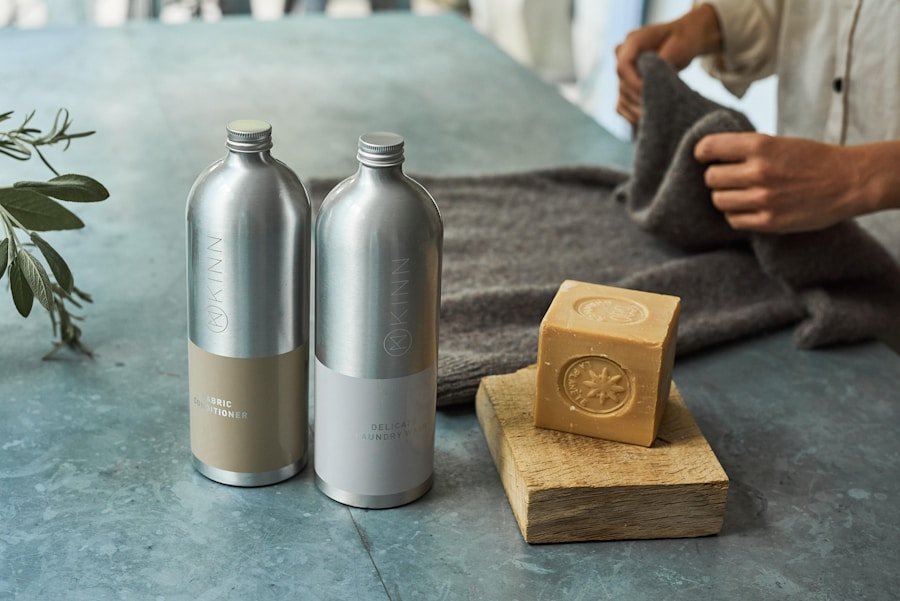
The following article presents factual information about ethical makeup brands available in Tanger. It aims to inform consumers interested in making sustainable purchasing decisions.
Understanding Ethical Beauty in Tanger
The global beauty industry is undergoing a significant shift. Consumers are increasingly scrutinizing the origins of their products, the ingredients used, and the environmental and social impact of their purchases. This movement toward ethical beauty is not confined to major global cities; it is also influencing markets in regional centers like Tanger. In Tanger, as elsewhere, the demand for makeup brands that align with ethical principles is growing. This means looking beyond mere aesthetics and considering a brand’s commitment to fair labor practices, environmentally sound sourcing, and transparent ingredient lists. Ethical makeup, in this context, represents a conscious choice to support businesses that prioritize people and the planet alongside profit. It is about aligning your cosmetic choices with your values, ensuring that the products you use do not come at the cost of undue environmental degradation or exploitative labor.
Defining Ethical Makeup
Ethical makeup is a broad term encompassing several crucial aspects. Fundamentally, it refers to products manufactured and distributed by companies that demonstrate a commitment to responsible practices throughout their supply chain. This includes:
Ingredient Sourcing and Formulation
- Natural and Organic Ingredients: Many ethical brands prioritize ingredients that are naturally derived and grown without synthetic pesticides or fertilizers. This minimizes the introduction of harmful chemicals into the environment and, for some consumers, into their bodies. The focus is on ingredients that are not only effective but also sustainable to cultivate.
- Cruelty-Free Practices: A cornerstone of ethical beauty is the absence of animal testing. Brands that are certified cruelty-free ensure that no animals were harmed in the development or testing of their products. This is often indicated by logos from organizations like Leaping Bunny or PETA.
- Sustainable Harvesting and Biodiversity: Beyond being natural, ingredients should be sourced in a way that does not deplete natural resources or harm biodiversity. This means engaging in practices that support reforestation, prevent soil erosion, and protect vulnerable ecosystems.
- Clean Beauty Principles: This often overlaps with natural and organic, but “clean beauty” also emphasizes the exclusion of certain controversial ingredients, such as parabens, sulfates, phthalates, and synthetic fragrances, based on potential health concerns and environmental persistence.
Manufacturing and Packaging
- Eco-Friendly Manufacturing Processes: Ethical brands seek to minimize their carbon footprint during production. This can involve using renewable energy sources, reducing water consumption, and implementing waste reduction programs within their manufacturing facilities.
- Sustainable Packaging Solutions: The environmental impact of packaging is a significant concern. Ethical brands opt for materials that are recyclable, biodegradable, or made from recycled content. Innovations in refillable packaging and minimal product design are also key indicators of a brand’s commitment.
- Fair Labor Practices in Production: Ensuring that workers involved in the manufacturing process are treated fairly, paid living wages, and work in safe conditions is a non-negotiable aspect of ethical production. This extends to all levels of the supply chain, from raw material harvesting to final assembly.
Corporate Ethics and Transparency
- Supply Chain Transparency: Ethical brands are open about where their ingredients come from, how their products are made, and the conditions under which their workers operate. This transparency builds trust with consumers and allows for accountability.
- Community Engagement and Social Responsibility: Beyond their direct operations, many ethical brands actively engage in social or environmental initiatives. This could involve supporting local communities, donating to environmental causes, or advocating for policy changes.
- Commitment to Diversity and Inclusion: Ethical beauty also extends to representing a diverse range of skin tones and promoting inclusivity within marketing and product development.
The Growing Demand for Ethical Beauty in Tanger
Tanger, a city characterized by its rich history and vibrant cultural exchange, is also evolving in its consumer preferences. As global awareness of environmental and social issues penetrates local markets, residents of Tanger are increasingly seeking out products that reflect these concerns. The availability of ethical makeup in Tanger, while perhaps not as extensive as in larger global metropolises, is expanding. This growth is driven by several factors:
- Increased Access to Information: The internet and social media have made information about ethical brands and practices readily accessible to consumers in Tanger. Consumers can research ingredients, read reviews, and learn about a brand’s values from anywhere.
- Awareness of Global Trends: As Tanger remains a hub for international trade and tourism, its residents are exposed to global beauty trends. This exposure often includes a heightened awareness of the ethical considerations surrounding consumer goods.
- Desire for Healthier Alternatives: Consumers are not only concerned about the environment but also about personal well-being. The shift towards “clean beauty” is also a move towards products perceived as gentler and healthier for the skin.
- Support for Local and Conscious Businesses: The appeal of supporting businesses that demonstrate a conscious approach to production resonates with consumers who wish to contribute positively to their communities and the wider world.
Identifying Ethical Makeup Brands in Tanger
Navigating the landscape of makeup brands in Tanger requires a discerning eye. While clear definitions of ethical beauty exist, their application by individual brands can vary. This section aims to provide a framework for identifying brands that are making genuine efforts towards ethical and sustainable practices. It is not an exhaustive list but rather a guide to the principles to look for when researching available options.
Researching Brand Certifications
Certifications serve as independent verification of a brand’s ethical claims. When evaluating makeup brands in Tanger, look for recognized certifications that lend credibility to their statements.
Cruelty-Free Certifications
- Leaping Bunny: This is one of the most widely recognized cruelty-free certifications. It signifies that a brand has met rigorous standards, including a pledge not to test finished products or ingredients on animals and to work with suppliers who also adhere to this standard.
- PETA’s Beauty Without Bunnies: Similar to Leaping Bunny, PETA’s certification ensures that a brand does not conduct or commission animal testing at any stage of product development.
Organic and Natural Certifications
- USDA Organic: While more commonly associated with food, this certification can also apply to ingredients used in cosmetics, ensuring they meet strict organic farming standards.
- Ecocert/COSMOS: These certifications focus on the development of natural and organic cosmetics. COSMOS is an international standard based on the Ecocert principles, verifying the responsible sourcing and processing of ingredients and the absence of certain synthetic chemicals.
Fair Trade and Social Impact Certifications
- Fair Trade Certified: This label indicates that products have been produced under fair labor conditions and that farmers and workers receive fair prices. While less common for makeup directly, ingredients sourced through fair trade can be a strong indicator of a brand’s ethics.
- B Corp Certification: Becoming a Certified B Corporation signifies that a company meets high standards of verified social and environmental performance, public transparency, and legal accountability to balance profit and purpose.
Evaluating Ingredient Lists and Sourcing Transparency
The ingredients list on a makeup product is a key piece of information. Beyond certifications, what a brand chooses to put into its products and how openly it discusses its sourcing practices reveals a great deal about its ethical standing.
Understanding Ingredient Labels
- INCI Names: Ingredients are listed using International Nomenclature of Cosmetic Ingredients (INCI) names. Familiarize yourself with common synthetic chemicals to avoid, such as parabens, sulfates (SLS/SLES), phthalates, and synthetic fragrance (often listed as “parfum” or “fragrance”).
- Naturally Derived Ingredients: Look for clear indications of natural or plant-derived ingredients. Terms like “shea butter,” “jojoba oil,” “vitamin E (tocopherol),” and essential oils (clearly identified) are common in ethical formulations.
- Mineral-Based Makeup: Many ethical brands utilize mineral pigments, such as iron oxides and titanium dioxide, for color. These are often considered safer and more sustainable alternatives to synthetic dyes.
Assessing Sourcing Claims
- “Ethically Sourced”: This claim requires further investigation. Does the brand provide specific details about where its ingredients come from? Do they mention fair wages for farmers or sustainable harvesting practices?
- Local Sourcing: Brands that prioritize local sourcing reduce their carbon footprint associated with transportation and can often foster stronger relationships with their suppliers, leading to greater transparency.
- Support for Indigenous Communities: Some ethical brands work directly with indigenous communities to procure ingredients, ensuring fair compensation and supporting traditional knowledge and practices.
Ethical Makeup Brands with a Presence in Tanger
While Tanger may not have the same density of niche ethical beauty stores as major Western cities, it is increasingly possible to find brands that align with ethical and sustainable principles through various retail channels. These brands are often accessible through larger department stores, independent perfumeries that curate specific collections, or online retailers that ship to Morocco.
Brands Emphasizing Natural and Organic Formulations
These brands prioritize ingredients derived from nature, often with a focus on organic farming and minimal processing. Their commitment extends to the perceived health benefits for the consumer as well as the reduced environmental impact.
Brands Focusing on Plant-Based Ingredients
- A natural ingredient focus is a hallmark of many ethical makeup lines. Brands that highlight the use of botanical extracts, natural oils, and butters in their formulations often signal a move away from synthetic chemicals. For example, a foundation that lists shea butter and jojoba oil prominently in its ingredient list, alongside mica for color, suggests a grounding in natural components.
- The benefits of plant-based formulations can be numerous. They are often seen as gentler on the skin, less likely to cause irritation, and can provide inherent nourishing properties. The sustainability of these ingredients is also crucial; for instance, sustainably sourced shea butter from women’s cooperatives in West Africa offers economic empowerment alongside environmental stewardship.
Brands Utilizing Mineral Pigments
- Mineral makeup is a significant segment within the ethical beauty space. Brands that rely on finely milled minerals like zinc oxide, titanium dioxide, iron oxides, and mica for color are often a good choice for those seeking a “cleaner” alternative to synthetic dyes. These minerals are naturally occurring and can provide good coverage and a natural finish.
- The advantage of mineral pigments lies in their inherent stability and inertness. They are less likely to cause allergic reactions than some synthetic colorants. Furthermore, when sourced responsibly, their extraction can have a lower environmental impact compared to the chemical synthesis of certain artificial dyes. Brands that are transparent about the origin and processing of their mineral ingredients, ensuring ethical mining practices, are particularly commendable.
Brands Committed to Cruelty-Free and Vegan Practices
The elimination of animal testing and the use of animal-derived ingredients are fundamental to many consumers’ definition of ethical beauty. Brands that actively pursue these commitments are often highly regarded.
Brands with Clear Cruelty-Free Declarations
- A brand’s commitment to being cruelty-free means that neither the finished product nor any of its ingredients have been tested on animals. This is a non-negotiable standard for many ethical consumers. Look for verifiable certifications like the Leaping Bunny logo. Without this, broad claims of being “kind” or “gentle” lack concrete backing.
- The implication of cruelty-free practices goes beyond animal welfare. It reflects a company’s broader ethical stance, suggesting a thoughtful approach to its impact on living beings. When a brand invests in alternative testing methods, it demonstrates innovation and a dedication to responsible product development.
Brands Offering Vegan Makeup Options
- “Vegan” in makeup specifically refers to products that contain no animal-derived ingredients. This includes common ingredients like carmine (a red pigment derived from insects), beeswax, lanolin (from sheep’s wool), and collagen (often from animal sources). A truly vegan makeup brand will ensure that every component, down to glues used in packaging, is free from animal products.
- The proliferation of vegan options has made it easier for consumers to align their makeup choices with a plant-based lifestyle or a general desire to avoid animal exploitation. Brands that clearly label their vegan products, often with a dedicated vegan symbol, provide essential clarity for consumers navigating ingredient lists.
Brands with Sustainable Packaging and Production
Beyond the product itself, the environmental footprint of a brand’s packaging and manufacturing processes is a critical ethical consideration. Brands that invest in reducing waste and minimizing their impact are leading the way.
Brands Utilizing Recycled and Recyclable Materials
- Packaging is a silent contributor to waste. Ethical makeup brands are increasingly looking for ways to mitigate this impact. This can involve using post-consumer recycled plastic (PCR), glass, or metal, and designing packaging for easy disassembly and recycling. The goal is to move away from virgin plastics and single-use materials.
- The lifecycle of packaging is a key area for sustainability. Brands that provide clear instructions on how to recycle their packaging, or that offer refill programs, are taking tangible steps to reduce their environmental footprint. For example, a foundation compact made from recycled aluminum that can itself be recycled is a strong indicator of this commitment.
Brands with Reduced Carbon Footprint in Manufacturing
- The energy used to create makeup has an environmental cost. Leading ethical brands are exploring ways to reduce their carbon emissions. This can include powering manufacturing facilities with renewable energy sources, optimizing production processes to minimize waste and resource consumption, and implementing energy-efficient technologies.
- Geographic location of manufacturing can also play a role in a brand’s carbon footprint. Brands that manufacture closer to their primary markets may reduce transportation emissions. While not always a primary factor for consumers in Tanger, it is an important aspect of a brand’s overall sustainability efforts.
Where to Find Ethical Makeup in Tanger
Discovering ethical makeup brands in Tanger involves a multi-faceted approach, leveraging both local retail avenues and the growing accessibility of online platforms. While the city may not host dedicated “ethical beauty” boutiques in the same way larger global cities do, a mindful consumer can still curate a collection of responsible products.
Department Stores and Multi-Brand Retailers
Larger department stores and curated beauty retailers in Tanger often serve as gateways to a wider range of brands. These establishments are increasingly stocking lines that cater to the growing demand for natural, organic, and cruelty-free products.
Strategic Selection by Retailers
- Retail buyers for major stores often observe global trends. As the demand for ethical beauty surges worldwide, these buyers are more inclined to include brands that meet these criteria in their
offerings to cater to a discerning Tangerine clientele. When a department store features a brand with certifications like Leaping Bunny or emphasizes natural ingredients, it signals a conscious effort to provide more responsible choices.
- The presence of such brands in mainstream retail democratizes access to ethical beauty. It means that consumers in Tanger can find these products alongside more conventional offerings, making the transition to ethical choices more convenient and less of a niche pursuit.
Brands Commonly Found
- Look for brands that consistently market their commitment to being cruelty-free and often highlight their use of natural or organic ingredients. While not every brand will tick every ethical box, a careful perusal of product descriptions and brand websites can reveal those making genuine efforts. For instance, a brand that clearly states its commitment to avoiding parabens and synthetic fragrances, while also being visually appealing, is a good candidate.
Online Retailers and Direct-to-Consumer Brands
The digital marketplace has significantly expanded the availability of ethical makeup brands for consumers in Tanger. Many brands operate primarily online, allowing them to control their brand message and reach a global audience directly.
E-commerce Platforms Serving Morocco
- Online platforms offer a vast selection that often surpasses what is physically available in brick-and-mortar stores. Many international e-commerce sites ship directly to Morocco, providing Tangerine consumers with access to a much broader spectrum of ethical brands. These platforms can include dedicated beauty retailers or larger marketplaces.
- The benefit of online discovery is the ease of researching brand claims. Consumers can spend time on brand websites, read detailed ingredient lists, scrutinize certifications, and review customer testimonials before making a purchase. This empowers informed decision-making.
Shipping and Import Considerations
- Navigating international shipping and potential import duties is a practical aspect of online shopping for ethical brands. Consumers in Tanger should be aware of any additional costs that may be incurred beyond the product price. Many reputable online retailers are transparent about their shipping policies and estimated delivery times.
- The growth of local distribution networks is also a positive trend. Increasingly, some international ethical brands are partnering with Moroccan distributors or establishing local warehouses, which can streamline delivery and potentially reduce import-related costs for consumers.
Independent Boutiques and Pharmacies with Curated Selections
While less common, Tanger may have smaller, independent boutiques or pharmacies that are deliberately curating their beauty sections to include natural, organic, or ethically produced items. These smaller establishments often have a more personal touch and a passion for the brands they carry.
The Curator’s Role
- The selection process in an independent boutique is often driven by a deeper understanding and appreciation of product ethics. The owner or staff may have personally vetted the brands they offer, ensuring alignment with conscious consumer values. This personal touch and curated approach can be a valuable resource for consumers seeking ethical options.
- These businesses often champion smaller, artisanal brands that might not have the marketing budget to compete on a larger scale. This can lead to the discovery of unique and highly ethical formulations that are made with exceptional care and attention to detail.
Identifying Potential Gems
- Look for signs of a conscious curation: This might include prominent displays of natural or organic brands, clear labeling of cruelty-free status, and staff who are knowledgeable about ingredient sourcing and ethical practices. A quiet corner featuring brands with simple, eco-friendly packaging can sometimes hide the most ethical treasures.
- Engage with the staff: The individuals working in these establishments are often passionate advocates for the products they sell. Asking questions about a brand’s ethics, ingredient sourcing, or manufacturing practices can provide valuable insights and help you discover truly responsible options.
Making Conscious Choices: Beyond the Brand Name
| Brand | Animal Testing | Ingredients | Packaging |
|---|---|---|---|
| Brand A | No | Organic, natural | Recyclable |
| Brand B | No | Vegan, cruelty-free | Biodegradable |
| Brand C | No | Non-toxic, eco-friendly | Refillable |
Choosing ethical makeup is about more than just selecting a brand with a well-marketed green image. It requires a deeper engagement with the product lifecycle, from ingredient sourcing to disposal. As a consumer in Tanger, you have the power to influence the market by demanding greater transparency and supporting brands that truly embody sustainable and ethical practices.
The Importance of Consumer Education
Understanding the nuances of ethical beauty empowers you to make informed decisions. This knowledge acts as a compass, guiding you through the often complex landscape of ingredient lists, certifications, and marketing claims. When you are educated, you are less susceptible to “greenwashing” – the practice of making misleading claims about environmental friendliness.
Understanding “Greenwashing”
- Greenwashing symptoms: Be wary of vague claims such as “eco-friendly” or “natural” without substantiation. Brands adept at greenwashing often highlight one small sustainable aspect of their product while ignoring larger environmental impacts. For instance, a brand might promote a recyclable cap while the rest of the packaging is non-recyclable virgin plastic.
- How to identify it: The absence of clear certifications, a lack of transparency regarding ingredient sourcing, and overly broad or unsubstantiated claims are red flags. If a brand cannot clearly articulate its ethical practices or provide evidence, it is likely engaging in greenwashing.
Researching Brand Values
- Beyond the product: Ethical considerations extend to a brand’s overall corporate philosophy. Does the company invest in fair labor practices throughout its supply chain? Does it support environmental causes beyond its product packaging? Researching a brand’s mission statement, annual reports (if available), and news articles can provide a clearer picture of its true values.
- Looking for detailed information: A genuinely ethical brand will often provide dedicated sections on its website detailing its sustainability initiatives, ingredient sourcing policies, and labor practices. This level of detail is not typically found in greenwashed marketing.
The Power of Your Purchase
Every purchase you make is a vote. By choosing to support ethical makeup brands, you signal to the industry that sustainability and conscious production are priorities for consumers in Tanger and beyond. This collective action can drive positive change.
Supporting Brands That Align with Your Values
- Your purchasing power is a significant tool. When consumers consistently choose brands that demonstrate genuine ethical and sustainable practices, they create market demand for these products. This encourages other brands to adopt similar standards to remain competitive.
- Focus on impact: Consider the ripple effect of your choices. Supporting a brand that partners with local farmers for ingredient sourcing, for example, contributes to economic growth and sustainable agriculture in that region. Similarly, opting for a brand with minimal, recyclable packaging directly reduces landfill waste.
Encouraging Industry-Wide Change
- The beauty industry is a dynamic ecosystem. As consumer demand for ethical products grows, brands are compelled to adapt. Your conscious choices are not just about personal preference; they contribute to a broader movement pushing the industry towards greater responsibility.
- Asking questions: Don’t hesitate to reach out to brands directly with questions about their practices. Your inquiries, even if they seem small, contribute to a growing dialogue and can prompt brands to be more transparent and improve their ethical standards.
Conclusion: A Sustainable Future for Beauty in Tanger
The journey towards a more sustainable and ethical approach to beauty is ongoing, and Tanger is a participant in this global shift. By understanding what constitutes ethical makeup, critically evaluating brands based on their practices and certifications, and making informed purchasing decisions, consumers in Tanger can contribute to a more responsible beauty industry.
The Evolving Consumer Landscape
- The modern consumer in Tanger is increasingly discerning. They are not simply seeking products that enhance their appearance but are also interested in the story behind those products. This includes understanding the impact on the environment, the well-being of workers, and the ethical considerations of ingredient sourcing. This evolving consciousness is a positive force for change within the beauty market.
- The accessibility of information has played a crucial role in this transformation. Social media, online research, and the growing availability of ethical certifications have empowered consumers to make more informed choices. This is leading to a demand for greater transparency and accountability from beauty brands operating in or serving the Tangerine market.
Cultivating a Conscious Beauty Routine
- Building an ethical beauty routine is a process of gradual, conscious choices. It doesn’t necessarily mean a complete overhaul overnight. Start by identifying one or two areas where you can make a more ethical selection, such as opting for a cruelty-free lipstick or shampoo with sustainable packaging.
- The concept of “less is more” also applies to ethical consumption. Sometimes, the most sustainable choice is to reduce overall consumption, invest in high-quality, long-lasting products, and embrace refillable options when available. This mindful approach to beauty aligns with broader sustainability principles.
The Future of Ethical Beauty in Tanger
The trajectory for ethical beauty in Tanger points towards increasing availability and consumer engagement. As more brands recognize the importance of sustainability and ethical practices, and as consumers continue to demand these qualities, we can anticipate a richer selection of genuinely responsible beauty products.
- Continued growth of accessible options: It is likely that both global ethical brands and potentially local initiatives will emerge to cater to this growing demand. This could include more specialized retailers, partnerships with existing pharmacies, or even the development of local ethical beauty brands.
- Empowerment through choice: Ultimately, the power rests with the consumer. By continuing to educate yourselves, ask critical questions, and support brands that prioritize people and the planet, you are actively shaping a more ethical and sustainable future for beauty, not only in Tanger but for the global community. Your choices are the building blocks of this positive change.